
The fresh perspectives provided by new authors continue to reaffirm the importance of encouraging a deeper exploration of previously untapped studies in the fields of Presidential and Twenties historiography. This is not easy to accomplish, especially where the crowded terrain of Presidential topics is concerned, but Megan Gorman in “All the Presidents’ Money: How the Men Who Governed America Governed Their Money” and Jill Eicher in “Mellon vs. Churchill: The Untold Story of Treasury Titans at War” have achieved just that. They both have much new to offer the historical debate and analysis of Presidential leadership and fiscal policy. While both authors share similar expertise in investment planning and financial management, Ms. Eicher, a visiting scholar at Stanford and with the International Churchill Society, has served in the Treasury Department and the Bipartisan Policy Center (the latter, a think-tank launched in 2007 by Howard Baker, Tom Daschle, Bob Dole, and George Mitchell), closer to the process of crafting public policy than Ms. Gorman. Nevertheless, Ms. Gorman’s extensive experience as a founding partner of Chequers Financial Management, chairing the Investment Committee at the National Endowment for Financial Education, and past work at Goldman Sachs and BNY Mellon Wealth Management, combined with a degree in History from Bryn Mawr and a Juris Doctor from Rutgers, all attest to her depth of knowledge and practical wisdom.
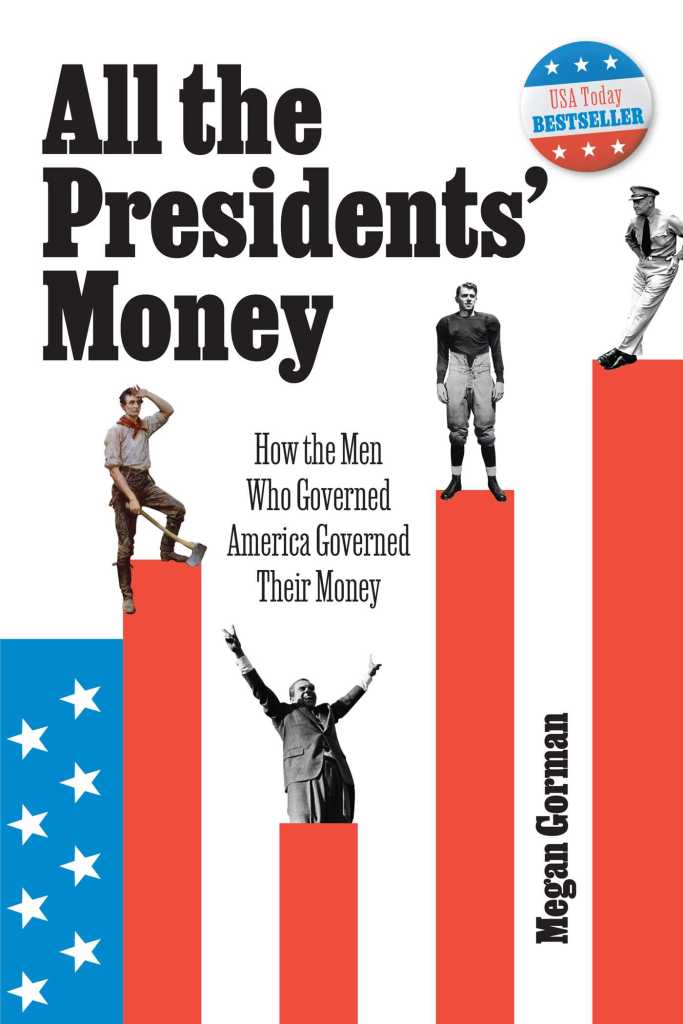
Ms. Gorman guides us through a broad consideration of the usually under-examined insights to be gained by approaching our Presidents through the questions: Who was best and who was worst with (their own) money? While her survey of successes and failures among the Presidents focuses on thirty of the forty-five individuals who have occupied the office, she demonstrates a generous empathy for the complementary role both President and First Lady hold not only in the People’s House but in their own household. It is as much an opportunity to meet some of the ladies who have passed through the Executive Mansion doors as it is to meet their husbands in a new light, most notably Betty Ford, Rosalynn Carter, Martha Washington, Mary Lincoln, and Lady Bird Johnson. While there is no realistic expectation that the ongoing Presidential Rating Game will reach final resolution because of “All the Presidents’ Money” — it may prove a dire sign if it ever does — this is not Ms. Gorman’s goal. She does believe that aside from the human fascination with any inside look at the lifestyles and money choices of our top Executive leaders, the strongest motive for understanding financial decision-making through the lens of Presidential experiences comes down to this: “to see if they can emulate the good behaviors and emulate the bad (259).”
While the dream of upward mobility is now, in her perspective, more difficult to attain than perhaps it has ever been, Ms. Gorman encourages us to take up the challenge of gaining financial literacy without waiting for politicians to fix the broken nature of the system for us. She seems to discount that many readers approach the questions of Presidential household management with a less than dispassionate interest in who deserves their vote and partisan support. Perhaps this outlook is best summarized by turning the old adage from the Gospel of Luke on its head: “If ye have not been faithful in that which is another’s, who will give you that which is your own?” Those Presidents who have mismanaged what was their own do not often prove successful at handling the resources or marshaling the institutions of others. Neither does it always hold true that the individual’s savvy with wealth-building possesses all the skills for the Presidency.
Without making any excuses for those Chief Executives who were also slaveholders, Ms. Gorman concludes Jefferson, Monroe, and Biden the three worst examples of governing their personal money. She diplomatically renders no opinion on any connection to their legacies with public money as Presidents. Her five best likely come as surprises to some: Eisenhower, Reagan, Ford, Washington, and Hoover. Ike’s calm head for financial matters, Reagan’s strength as a budgeter, Ford’s ability to gauge risk and pivot, Washington’s daily grit and meticulous focus on the long game financial well-being necessitates, and Hoover’s heroic path to accomplish a vision for himself and transform that resourcefulness into globally impactful service distinguish the top five Presidential exemplars, at least (once again) from a personal financial management perspective. It does not necessarily hold, then, that the best money managers make the best Chief Executives. Nor do poor managers inherently make bad Presidents. Consider Truman and Jefferson.
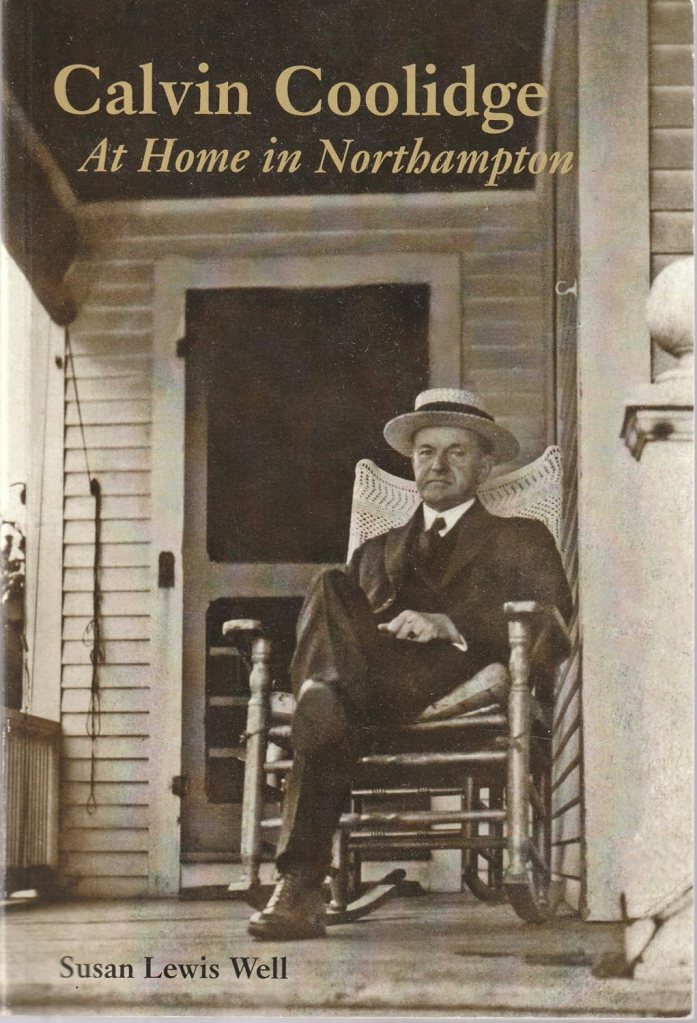
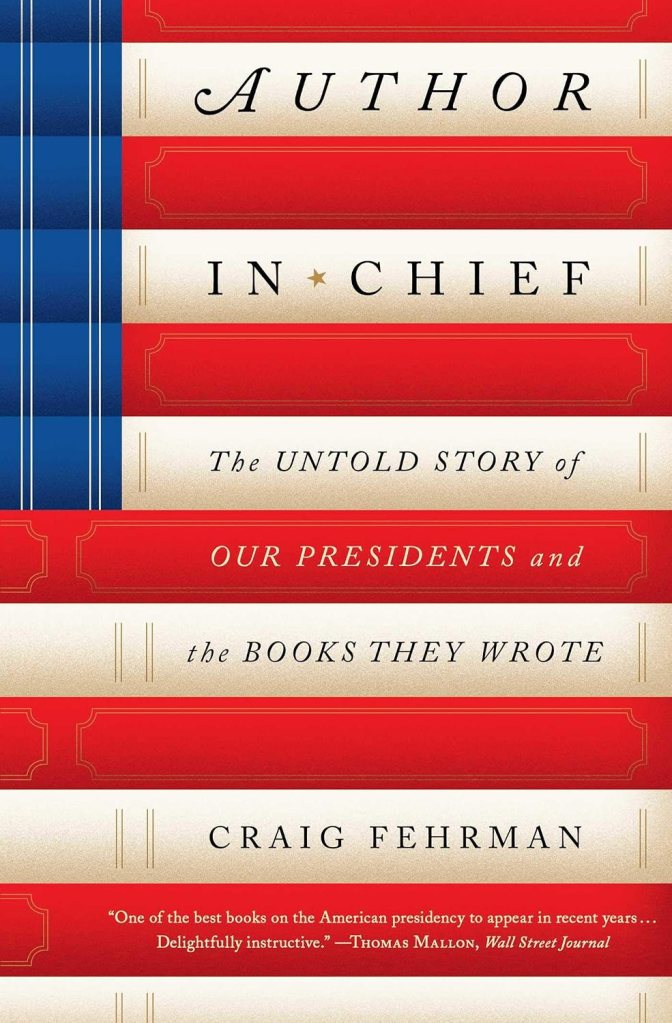
Coolidge’s inclusion, especially in chapter 6, draws some fascinating conclusions about the man and his money-management style. Devoid of self-interest to a fault, Coolidge’s long duration as a renter undermined if not hurt his own path toward financial freedom. Grace Coolidge’s role in her household is largely unexplored (including her own success as an author), like that of Lou Hoover’s role in the Hoover household, while Frank Stearns’ direct influence on fashion sense is overstated, an overall impact often overrated by contemporary correspondents and even the President’s inner circle. As Grace once said, speaking of herself and Mr. Stearns, “Many a time we have put our heads together and figured out that two and two made four, only to learn later that we had been adding the wrong numbers” (Grace Coolidge, An Autobiography 1992, 86). Susan Lewis Well’s “Calvin Coolidge at Home in Northampton” does well to discredit the implication that a darker motive existed for Coolidge to “retain a moral superiority over others” (Gorman 2024, 135). Perhaps Ms. Gorman meant the observation as a general insight, it is not always clear when she refers to particular Presidents or broad financial principles. While Craig Fehrman’s excellent book, “Author in Chief: The Untold Story of Our Presidents and the Books They Wrote” supplies a very good examination of Cal’s work as an author, including his monumentally successful memoirs, Ms. Gorman omits this key component in Coolidge’s financial journey. His daily column lasted only one year, a fact she incorrectly indicates lasted longer than it did. The column was valuable in Coolidge’s vision for the financial future but not at the omission of his other post-presidential projects as philanthropist and money-maker in a world that had not yet institutionalized what Presidents were to do after the White House. His involvement in New York Life, the National Tuberculosis Association, and American Foundation for the Blind are not included in Ms. Gorman’s work. These are some unfortunate oversights in the book. Other minor errors exist, including at times misidentification of the year particular Presidents assume or leave office (remembering that March 4 of the year following an election was Inauguration Day until the passage of the Twentieth Amendment, first going into effect on January 20, 1933) and the reference to General Zachary Taylor as “Old Hickory” (which was actually Andrew Jackson’s moniker). There is also the unfortunate misspelling of Amity Shlaes’ name in the bibliography, citing the 2014 edition of her biography, “Coolidge.” A few popular misconceptions survive in the pages of the book, namely the merits of FDR’s domestic and foreign policy successes. Such happens in any literary endeavor, but these relatively small mistakes hardly detract from a very wonderful contribution to the discussion of what makes Presidents enduringly instructive and worthy of continued study.
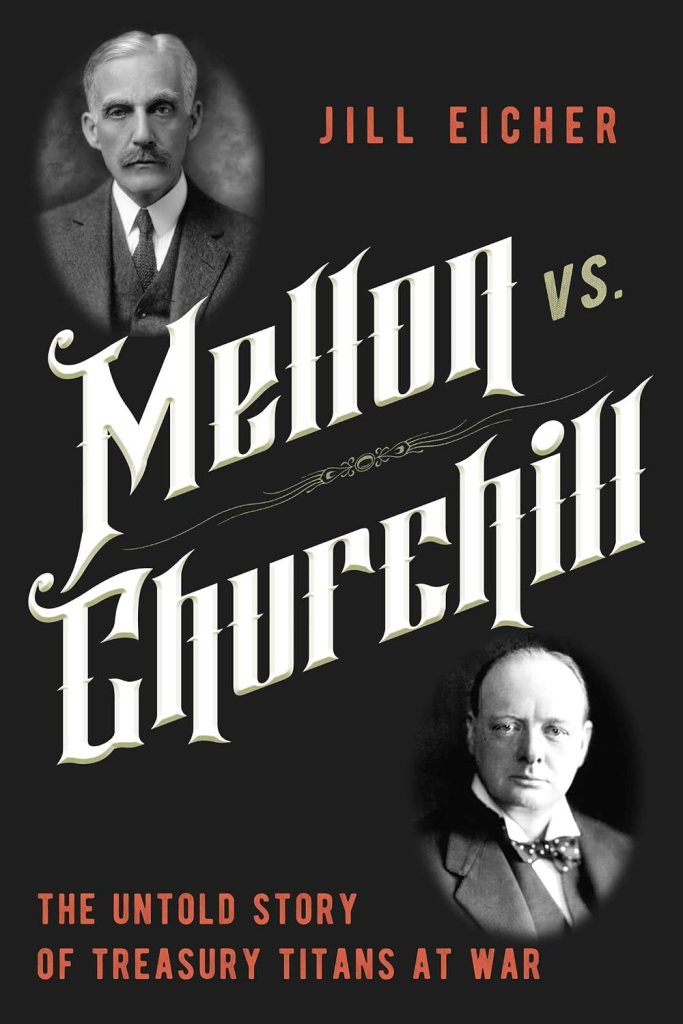
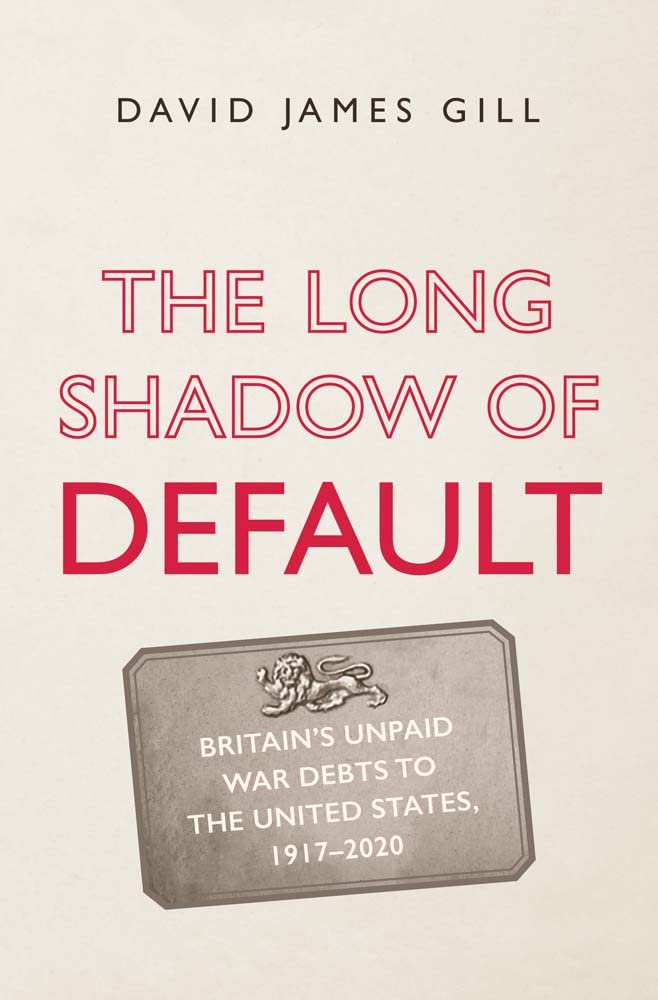
Eicher’s intriguing showcase of the war debts and reparations dispute, particularly as it involved Great Britain and the United States in the 1920s is no longer a neglected corner of the Era’s historiography. This is an area of study not completely untapped, as British professor David James Gill in his superlative work, “The Long Shadow of Default: Britain’s Unpaid War Debts to the United States, 1917-2020,” but one that most American academics simply do not bother to address. This is something now remedied by Ms. Eicher’s fine work. Much of the best scholarship on the Roaring Twenties originates from British sources, historians not weaned on the long-ingrained animus or ambivalence toward the Harding & Coolidge Era. Both Eicher and Gill do well to correct the misattributed quote, “They hired the money, didn’t they?” as weaponized to underscore Cal’s callous inflexibility, another piece of supposed evidence in the many attempts to craft his image as the grasping Scrooge or, as the Europeans of the Twenties often characterized America: the ultimate “Shylock,” a case of mistaken identity with the Congressional leaders unwilling to empower the Executive to work out Europe’s recovery with fullest parameters. Eicher, however, goes even further to confront that mistaken image of the Coolidge Presidency and his Treasury chief, Andrew W. Mellon, in her masterfully researched exploration of the moral nature of political versus commercial debt between nations as well as the case study that clashes two of the most significant figures of the twentieth century.
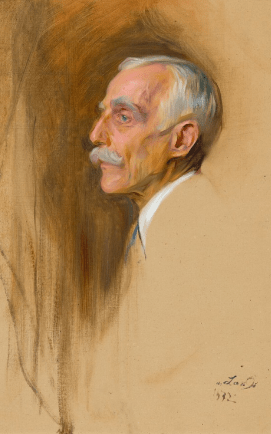
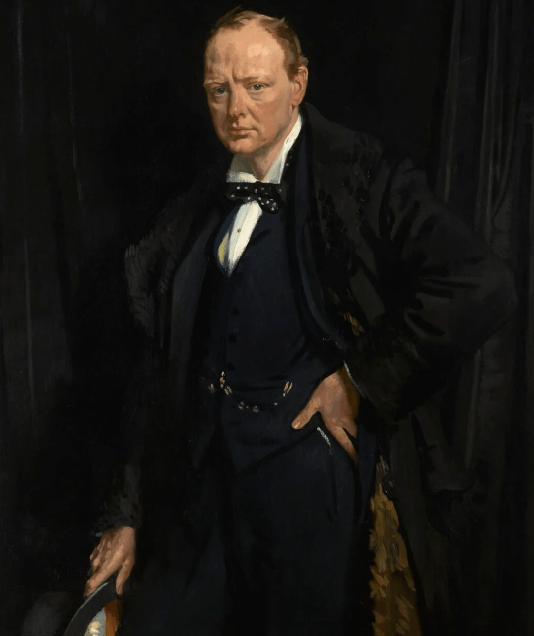
Churchill’s ability to chameleonize politically is not as surprising from the advantage of hindsight but it reminds us that Sir Winston was no less an opportunistic rhetorician and showboat politician on the issue of debts left from the Great War, when he could become such. It is to the credit of the Baldwin government that Churchill was strongly encouraged to embrace discretion and taciturnity even as Mellon and Coolidge strove to craft practical agreements despite Congressional intransigence to anything short of full repayment, principal and interest. The indiscretion of Garrard Winston, Mellon’s undersecretary, to throw fuel on the Peabody letter and reply to Churchill’s rhetoric gave the Congress every excuse it wanted to hamper Treasury and curtail Coolidge’s agenda. Ultimately, it is a testament to Mellon’s consistency and the practical tone set by Coolidge that America’s best customers are those who pay as they are able without an exacting creditor, a point lost on the grandstanding mavericks of Congress. Even as Churchill contributed to the narrative that would disparage the America of the Twenties in his multivolume The World Crisis, he finally had to acknowledge that the United States had helped pour rivers of money into the recovery of Europe throughout the decade (beginning with the Dawes Plan then the Young Plan), the antithesis of isolationism, and had shown a spirit of ready concession to complicated financial limitations. It could be argued that France’s stubborn insistence on reparations from Germany forestalled recovery, remaining the least obliging partner in debt negotiations and the crucial roadblock to the continent’s post-war rejuvenation. Perhaps the Weimar Republic may not have succumbed to political pressures if France had withdrawn earlier its demands for reparation.
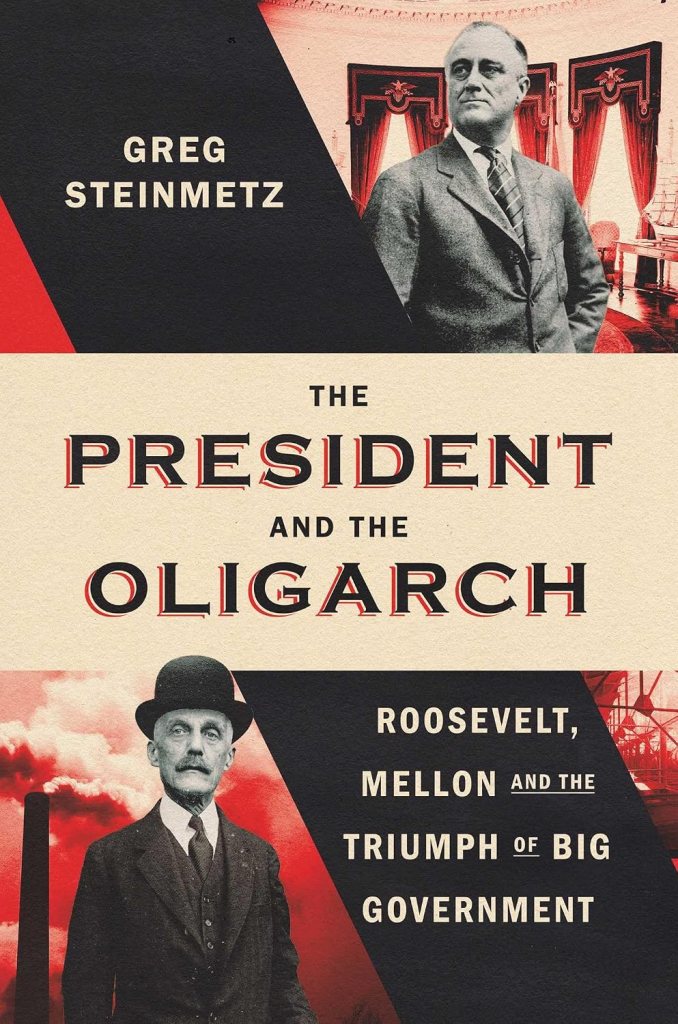
Eicher’s book is a tremendous addition to the historiography. It is unfortunate that she seems to have rushed the ending, jumping from the one-year moratorium by President Hoover of debt payments in 1931, through the Lausanne Agreement (contingent on United States concessions), to the unilateral forgiveness by Britain in 1934 (two years after most of the smaller nations simply halted payment), to the political targeting of Mellon by the Roosevelt administration in 1936, the National Gallery of Art and the Lend-Lease program both opened in 1941, and the decades that followed in rapid succession. Of course, we await “The President and the Oligarch: Roosevelt, Mellon, and the Triumph of Big Government” by Greg Steinmetz, due out in October. We hope that Ms. Eicher will not run short of time to execute her next project. We look forward to what she will write in the future.
 The Importance of the Obvious