On Thanks for the Power to Meet Obligations

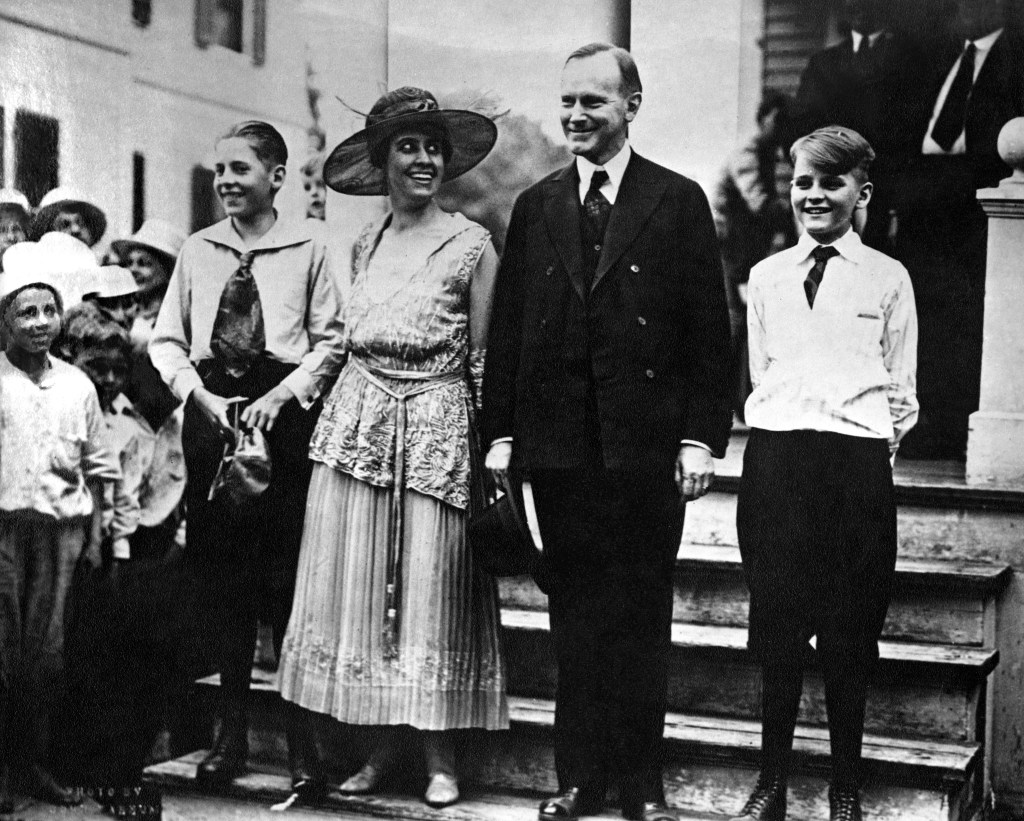
Coolidge Family on the front steps of their home on Massasoit Street, Northampton, Massachusetts, on Notification Day, July 27, 1920, when officially informed of the Governor’s nomination as Vice Presidential candidate. Photo credit: Calvin Coolidge Presidential Library and Museum/Forbes Library.

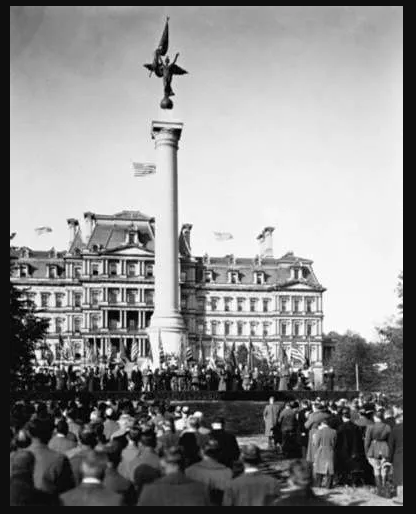
If there is one stand-alone rhetorical signature for Calvin Coolidge’s classical education, it may be his preference for the word “power.” It is what the Greek dunamis [doo-nah-mees] encapsulated. Coolidge deploys it with all the awareness of Xenophon whether he is unpacking Socrates in Memorabilia or marching with the army in Anabasis, Plato in the Republic, or Aristotle in the Ethics it communicates the self-awareness to know of what one is capable, the ability to draw upon material and spiritual resources to meet unforeseen circumstances, and the determination to act when every sentiment falters and the will alone must press forward. Continuing to take up the tasks of war and peacetime governor merely a week after his election as Vice President of the United States in November 1920, Coolidge offered these observations, just as apt then for the people of his Massachusetts as for all considering this day as one of “thanksgiving and praise to the Giver of every good and perfect gift.” Coolidge wrote:

“During all these generations there has been no time when the misfortune with which the people have had to contend has not been surpassed by an abundance of blessings. Out of savagery has come civilization. Out of war has come peace. Out of adversity has come prosperity. The progress of the years has brought real obligations, but with them great resources, and an inspired people. It is a time to give thanks for our duties which there is a power to meet, and for our hopes which have been fulfilled.”

For every power to do what is necessary for the good, to meet our obligations to what is true, and to rise to a love of the beautiful, in short to take up a higher citizenship (of which Cal believed every one of us capable), we render thanks this twenty-sixth day of November in the year of our Lord two thousand twenty-sixth, and of the independence of the United States of America, the two-hundred-fiftieth.
On Gratitude, Honor, and Praise

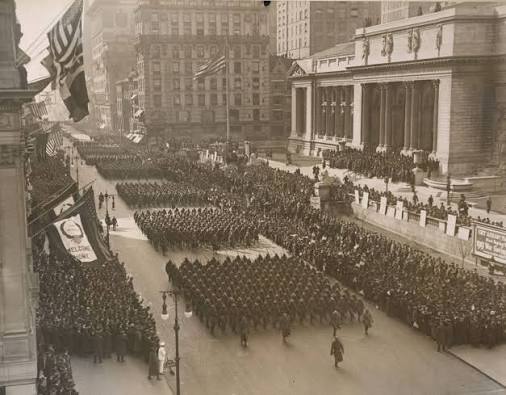
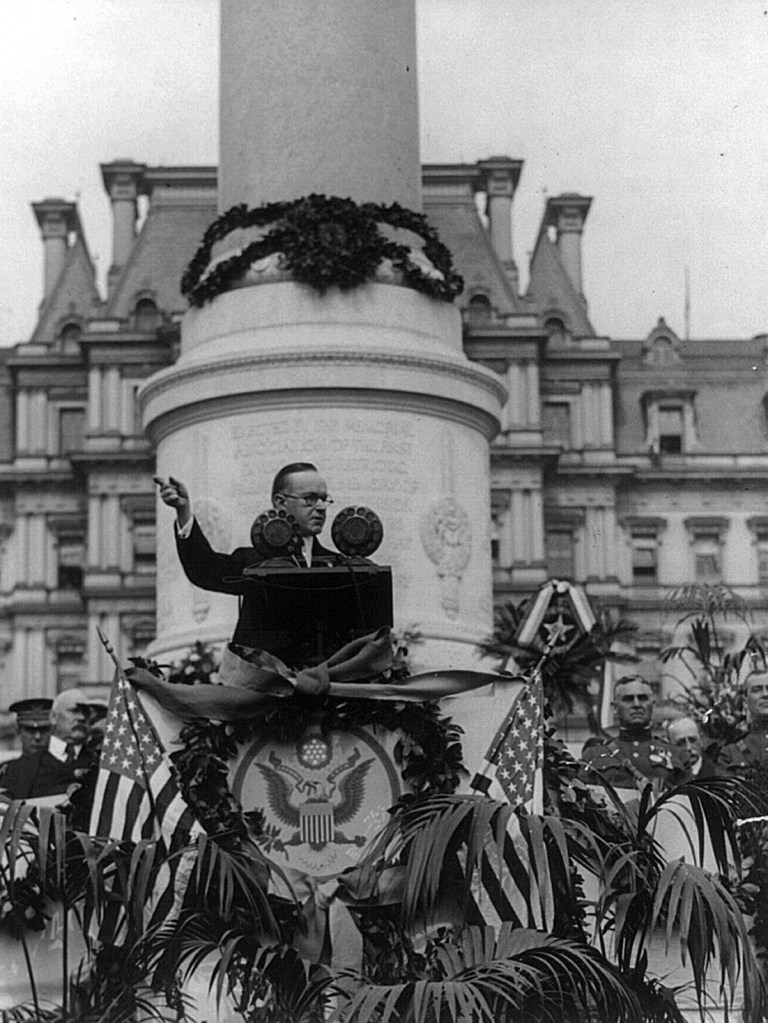
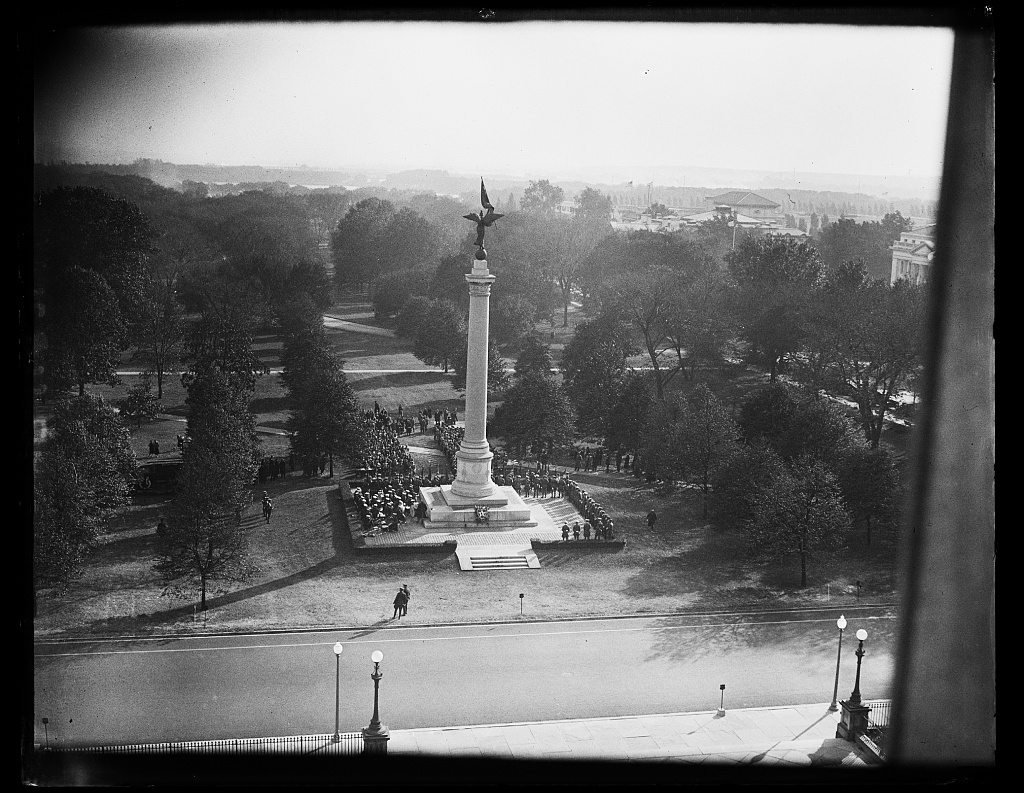
Speaking at the dedication of the monument to First Division’s heroic service in World War, President Coolidge offered this sentiment for all of America’s armed forces, be it the “Big Red One,” the “Yankee Division” (26th), the “Rainbow Division” (42nd), the “Blue Helmet Division” (93rd), the Battle Squadrons and Divisions in both the Atlantic and Pacific Fleets, especially ensuring 2.8 million Americans in uniform took part in operations across Europe, the vital role of the U. S. Army Air Service and Signal Corps, and the critical contributions of the Fourth and Fifth Marine Brigades, not to mention those stationed literally around the world:

Every unit…whether at home or abroad, richly merits its own full measure of recognition. They shrank from no toil, no danger, and no hardship, that the liberties of our country might adequately be defended and preserved. We raise monuments to testify to the honor in which we hold men for the work they have done, and to be a constant reminder to ourselves and future generations of the lessons their actions have taught us…

“It cannot be measured in money. How poor and cheap and unworthy would be that attitude which could say: ‘You have offered your life. Here is your dollar. That discharges the debt. Take it and go.’ The nation recognizes towards them all a debt which it can never repay, but which it will never repudiate. Standing to their credit will forever be an inexhaustible balance of gratitude, of honor, and of praise. In song and story, in monument and memorial, in tradition and history, they will live in the heart of the people forever more.”

Happy Armistice Day and thank you, veterans, for all you have risked for a far greater purpose!

On “Quoting Calvin Coolidge”

Photo credit: Reagan Presidential Library

As most of us in Coolidge Country would agree, we concur with Tom Selleck’s remarks at the Reagan Library, beginning at 38:21: “I always like quoting Calvin Coolidge,” which he wonderfully rendered on 24 July at the Panel Discussion following the showing of “Revolutionary America.” It is fitting, after all, that Coolidge (being Reagan’s favorite President) makes a long-awaited return to the Reagan Library in Simi Valley, California:

If all men are created equal, that is final. If they are endowed with inalienable rights, that is final. If governments derive their just powers from the consent of the governed, that is final. No advance, no progress can be made beyond these propositions. If anyone wishes to deny their truth or soundness, the only direction in which he can proceed historically is not forward, but backward toward the time when there was no equality, no rights of the individual, no rule of the people.”

As Jeremiah Regan, one of the key writers of the documentary responded, “You know you have the right narrator (Mr. Selleck, of course) when he has a Calvin Coolidge quote prepared.” We could not agree more.