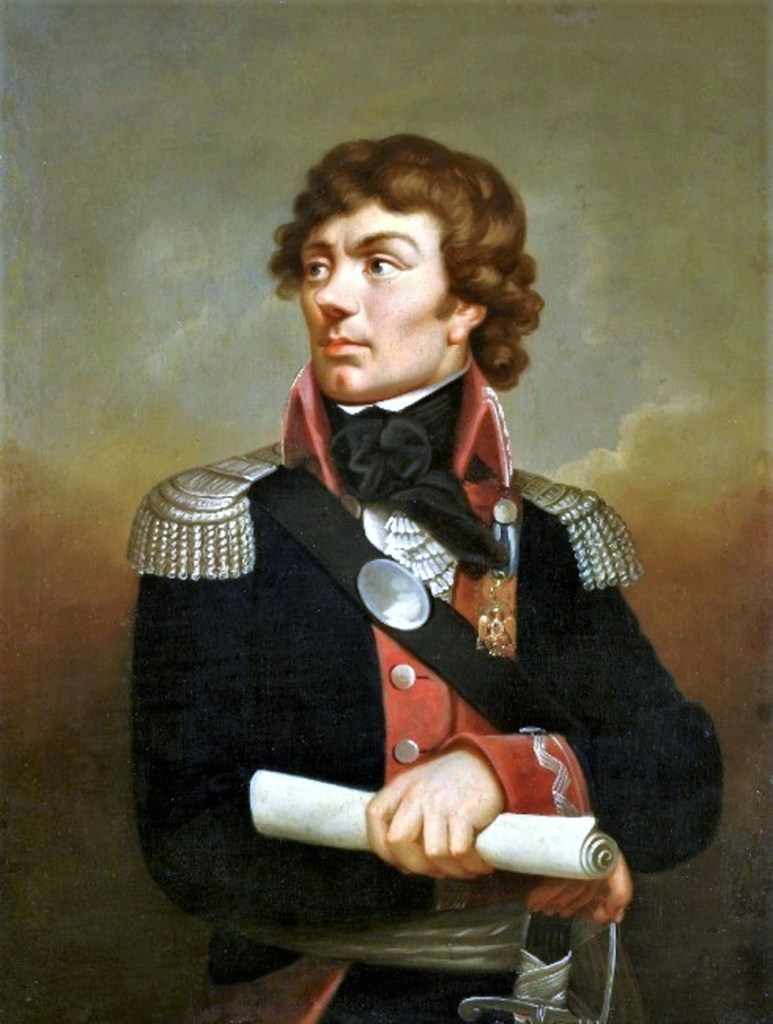
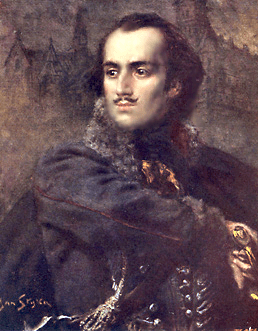
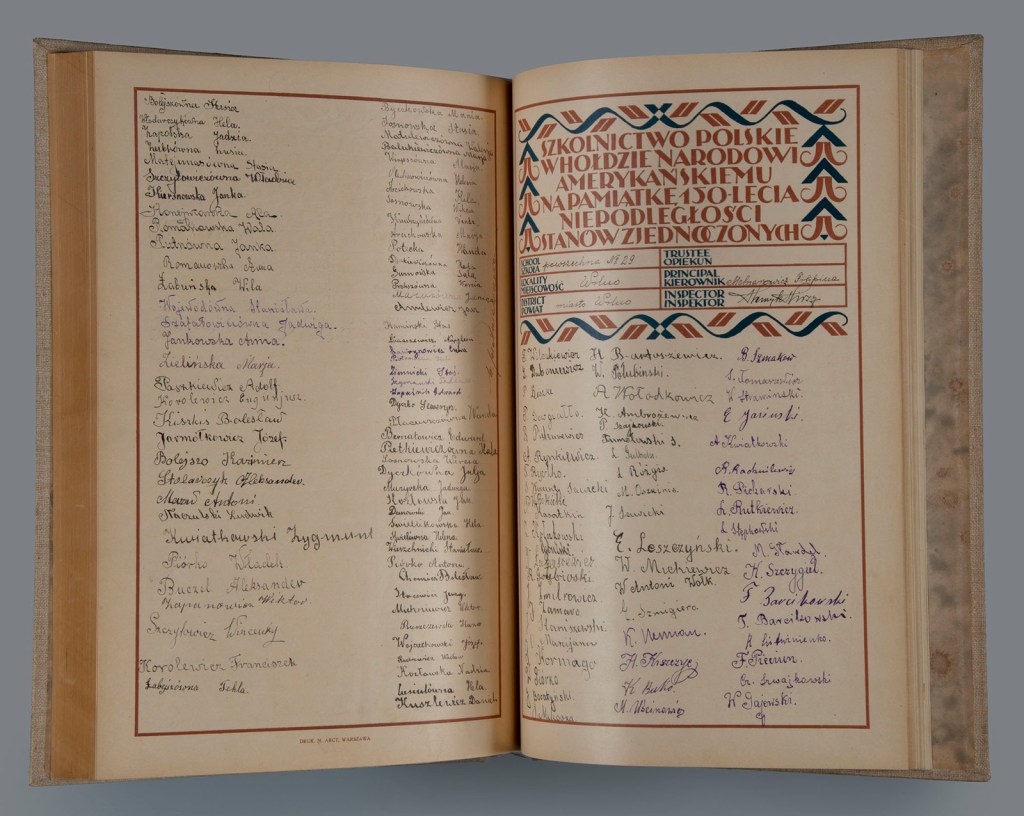
Numerous ways to reflect upon and commemorate the one hundred fiftieth anniversary of America’s independence had long been a matter of debate, colorful discussion, and varied preparation not only across the country but around the world. It meant enough for patriotic societies in Europe, most notably, Poland, whose revered heroes Kosciuszko and Pulaski had helped secure America’s independence, inspiring a project that presented 111 volumes of 5.5 million signatures all honoring the shared connection the Polish people had with Americans on so momentous a birthday. Presented to President Coolidge later that fall of 1926, it was one of many expressions of gratitude around the world that independence also meant something vital to others across the globe. Sophisticated opinion and local editorial each sought to answer how was American Independence best quantified? What did it mean and who could best articulate it? Was it commercial success or something transcending the economic power the United States had come to wield on a global scale? For most communities, since the actual day fell on a Sunday, it was framed by the sermons delivered from each congregation’s pulpit.
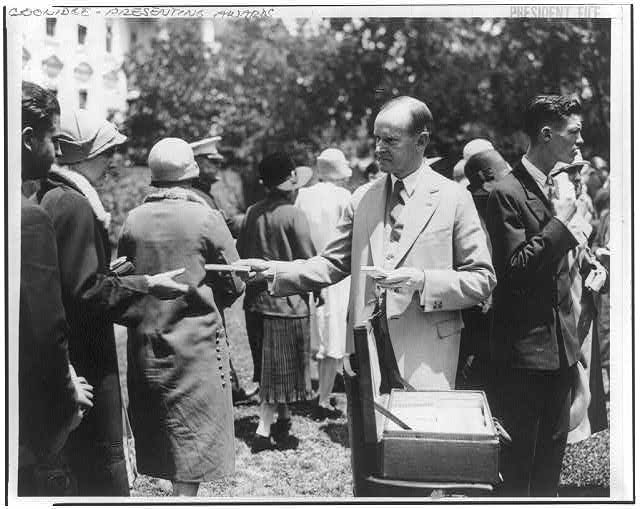
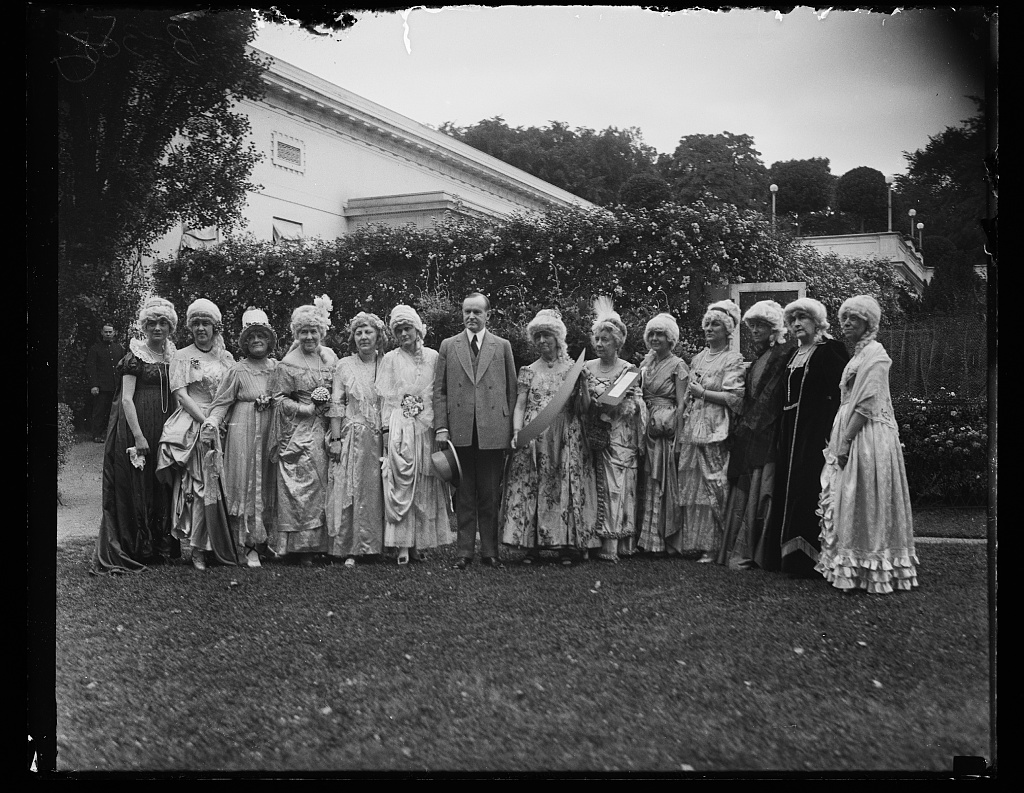
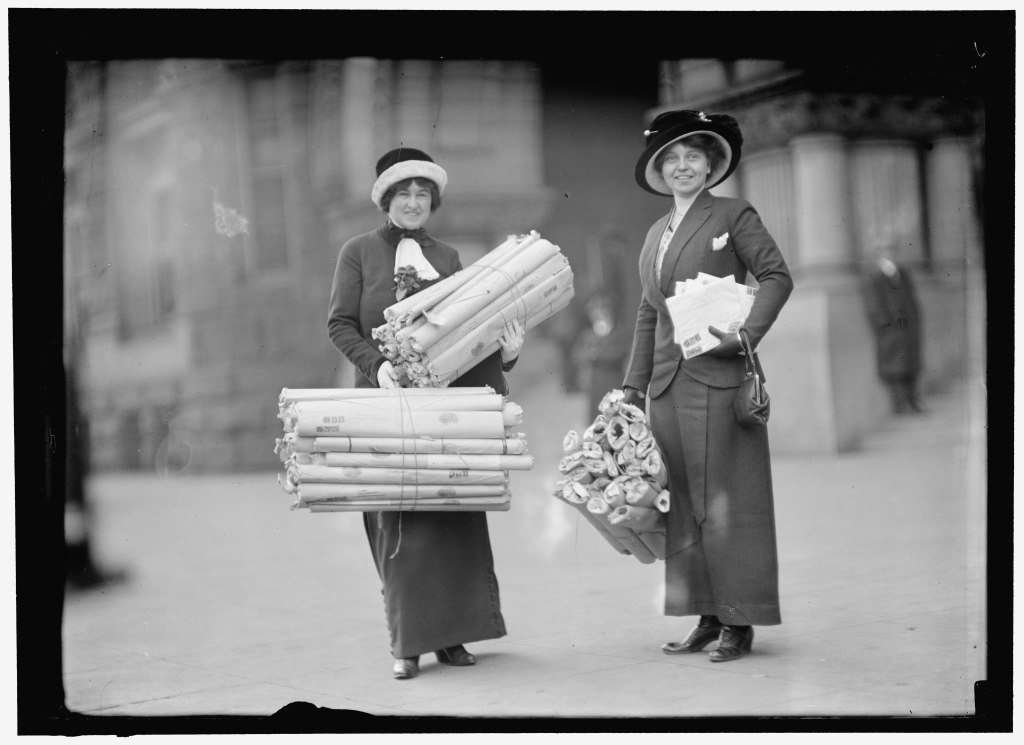
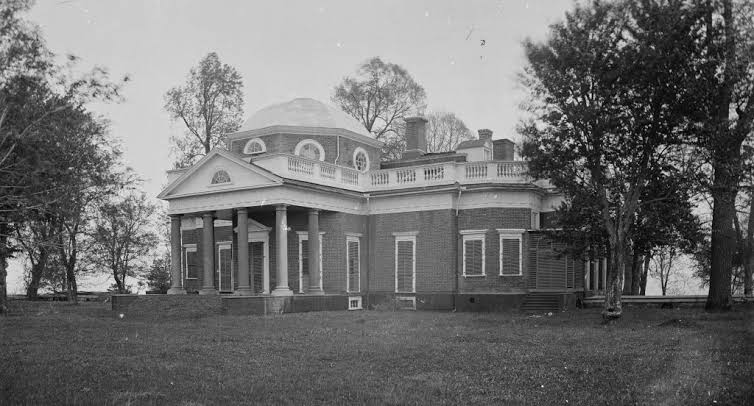
Disregard of this fact incurred the sharp criticism of Philadelphia’s Mayor Kendrick who kept the gates open to the Sesquicentennial International Expo when many believed the first day of the week ought to remain a day of rest. The official opening of the Expo, graced by the brief visit of the President and First Lady, had to be postponed for that very reason. The Coolidges understood that even Sundays which corresponded with historic occasions were not subordinate to politics. Philadelphia had long been a logical center for any “national events” that might transpire. The Liberty Bell was there. Independence Hall was there. William Penn’s city had been the capital where Congress met, signed the Declaration, and later confirmed the Federal Constitution. It was no wonder that a strong drive to capture the “Spirit of ’76” had likewise been at work leading up to and continuing after the Sesquicentennial year. Many Americans wanted to reconnect with that outlook lest it be lost forever. It was the motivating force behind the rescue and preservation of Thomas Jefferson’s Monticello, another pivotal work to which Coolidge contributed as the presiding officer of the Sesquicentennial of American Independence and Thomas Jefferson Centennial Commission of the United States. This cause is what motivated President Coolidge to appear with the ladies of the Jefferson Centennial Commission in the summer of 1926, adding his name to the Pledge of Faith in support of their mission of preservation. He would write these words in the days before his Sesquicentennial speech to outline what the Declaration meant for millions (including the British with whom critical negotiations were finalizing on the question of war debt payments):
“The 4th of July, 1926, marks the sesquicentennial of the adoption of their Declaration of Independence by which the American people declared their purpose to throw off the yoke of foreign control and establish independence. The historical importance of this immortal document 1s measured by the progress of the Republic which was the fruit of its promulgation. In its enunciation of the fundamental principles of liberty and representative government, it has taken its place with Magna Charta as one of the outstanding pronouncements of all time that have made for the liberties of men and the advancement of the race. Its preamble sets forth with clarity and force the American conception of the relations of men to governments, which, in the intervening century and a half has constantly gained strength throughout the world.
After more than a century and a half these heroic signers of this immortal document, who in the enunciation of the principles of liberty, equality, and representative government, the power of the mighty empire “on which the sun never sets” have constantly grown in the appreciation of the Nation. When in support of the ideals set forth they pledged their lives, their fortunes, and their sacred honor, they staked all in behalf of all the generations that have followed to this hour. No greater heritage has ever been bequeathed to any people.
As long as Americans remain worthy of such sires the people of the United States must pledge anew in every generation their faith the ideals expressed in the Declaration of Independence, and observe the Nation’s natal day in such a manner as to carry inspiration to all freedom-loving people.
By coincidence the sesquicentennial of the Declaration of Independence falls upon the centennial of the death of Thomas Jefferson, who wrote it.
Among the founders of the Nation, he was with the foremost, achieving with the pen as Washington with the sword, and Adams with the spoken word. In his “Summary View of the Rights of British America” he gave such perfect expression to the political philosophy of the English-speaking race that it called forth the approval of Edmund Burke, and the admiration of the liberals of England.
In Declaration of Independence, he gave a vivid interpretation of the rightful and universal aspirations of the masses of mankind.
In his insistence upon the incorporation in the Constitution of the Bill of Rights there was effective provision made for the protection of the fundamental rights and liberties of the citizen, no matter how humble, against the tyranny of power.
By his reforms in Virginia he broke the backbone of feudalism in America and paved the way for democracy.
In drafting the ordinance of the Northwest Territory for the exclusion of slavery he not only saved the States to be carved from it from that calamity but pointed to its ultimate extinction on American soil.
Associating education with the success of popular government, he laid the basis for the public-school system in Virginia, founded the university of that State, and thus set an example to the Nation.
By the acquisition of Louisiana, he added a rich empire to the Republic by peaceable methods.
It is a happy coincidence that the American people can renew their fidelity to the elemental principles of the Declaration of Independence, while according to its author the recognition due him by virtue of the services enumerated, on the sesquicentennial of the one and the centennial of the other.
To this by end, this commission, by virtue of the authority vested congressional action, has arranged a program for a nationwide celebration commencing June 28 and ending July 5 this year, this period to be known as American independence week. The details of the program are attached to this address to the American people, and the commission, by virtue of the same authority, urges that in every community arrangements be made for a proper observance of these two anniversaries. and through the cooperation of State municipal officials, and patriotic, civic, business, and fraternal societies, it is confidently believed that the celebrations of this year will result in a rededication of the American people to the ideals and principles which brought the Republic into existence.
Issued by order of the Sesquicentennial of American Independence and the Thomas Jefferson Centennial Commission of the United States at the city of Washington, D. C., on the 31st day of May, 1926.“
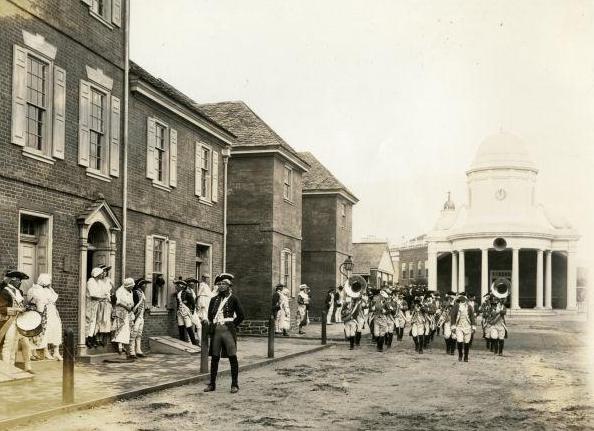
Philadelphia store owner and philanthropist John Wanamaker had a lofty vision for that commemoration but his unfortunate death in 1922 had thrown the faithful execution of those plans into upheaval, subject to competing and incompatible views of how to frame American independence as it neared the actual anniversary. Political opportunism prevailed, a public campaign to boycott the event followed, and the commission tasked with carrying out the Expo could not reach agreement on the ends or the means of presenting America to the world in its sesquicentennial year. Philadelphia’s preparations, after such a messy dispute, understandably lagged behind, struggling to complete construction of the site in time for the official opening. While missing the deadline, the city would pay heavily for its lack of diligence while others outshone her dereliction.
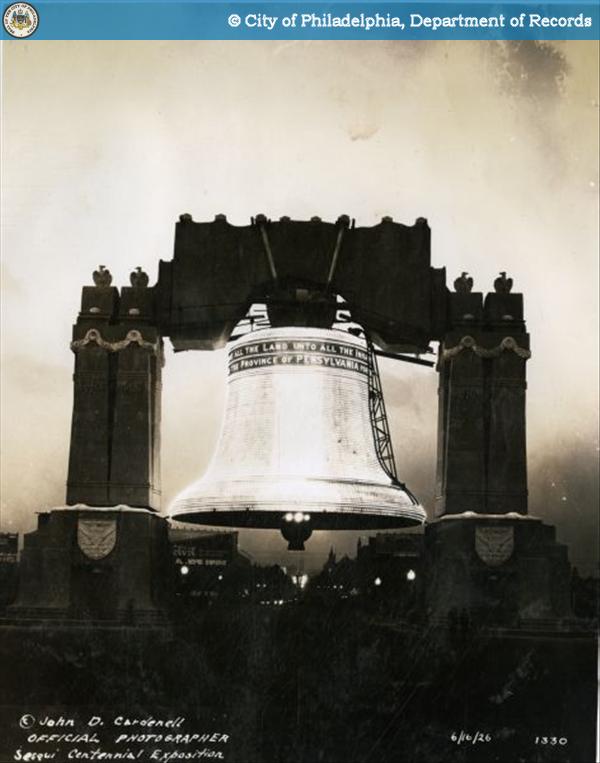
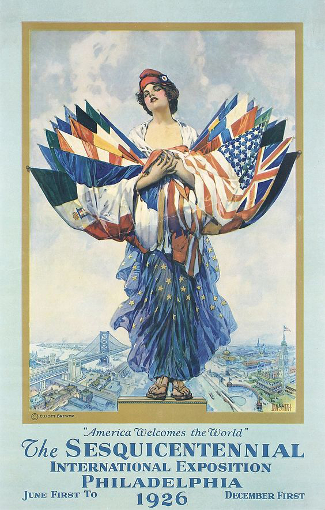
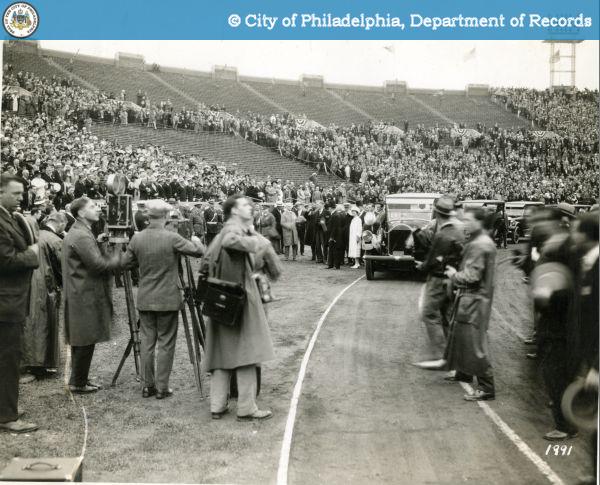
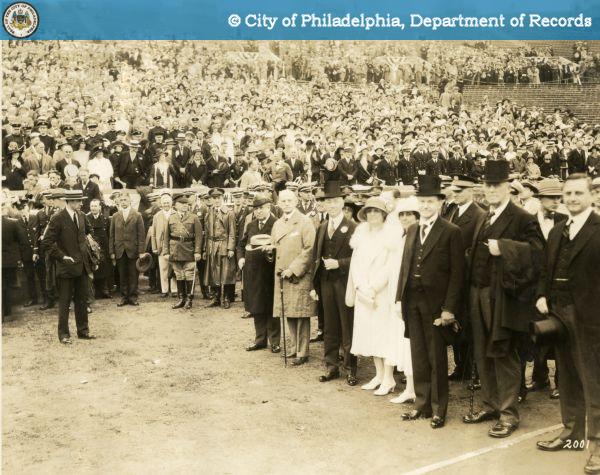
The creation of the National Sesquicentennial Exhibition Commission, signed into law by President Coolidge back in March 1925, had provided for a collaborative effort including two representatives from each of the forty-eight states, along with the territories of Alaska, Hawaii, the Philippines, Puerto Rico, and the Virgin Islands. Nineteen nations were also invited to take part in the exhibition. Coolidge had already prevailed in dialing back the federal expenses allocated for what was evident to close observers, a local embarrassment and political disaster. Yet, the arrival of the President and First Lady around 11am, while it made the event as official as it would ever get, was calculated to be as short as possible even though the officialdom of Philly hoped for a Coolidge stay of multiple days.
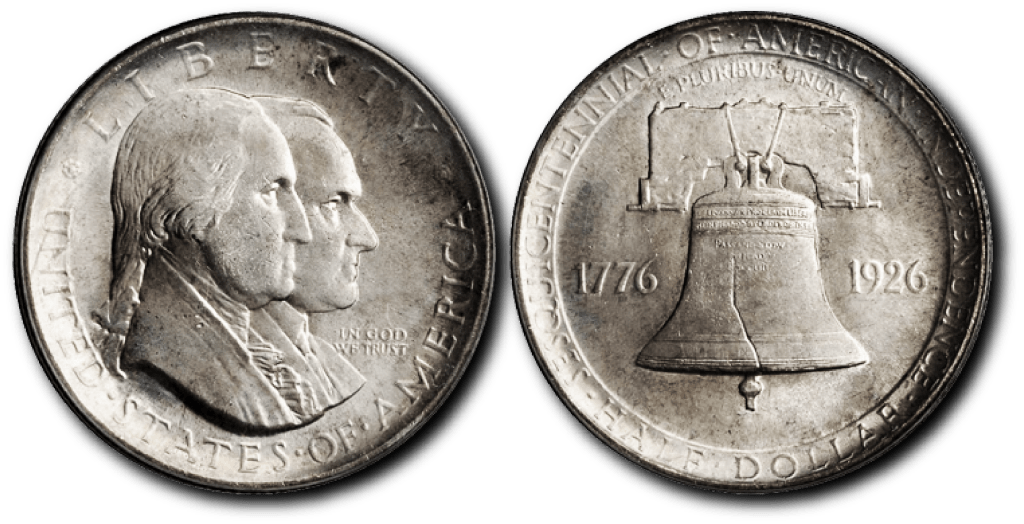
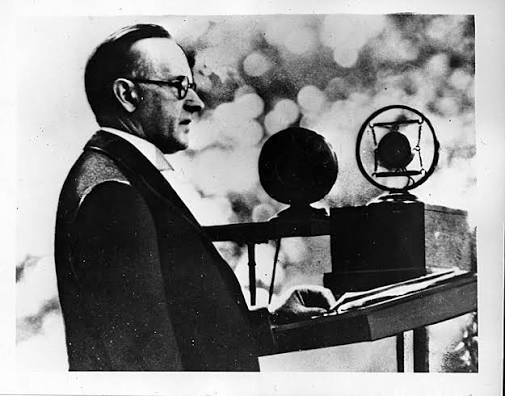
Federal legislation had even provided for an unprecedented commemorative half dollar, authorized for the use of the Sesquicentennial Exposition Commission (SCEA), to raise funds for what proved to be 6 million attendees, a figure far short of the anticipated number, but with the coin featuring the portraits of President Washington and Coolidge, the only creation produced by the U. S. Mint to date with a living Chief Executive. While the half dollar recouped most of the funds the Expo saw, the Sesquicentennial was a loss for obvious reasons. Cal’s itinerary reflected this reality. The city would only enjoy a maximum of four hours of Presidential time. Even so, he gave one of the most iconic expositions of the meaning of America and its Declaration of Independence ever uttered. Coolidge had accomplished what few could, a cogent explanation of America in a way unanchored by time:
“We meet to celebrate the birthday of America. The coming of a new life always excites our interest. Although we know in the case of the individual that it has been an infinite repetition reaching back beyond our vision, that only makes it the more wonderful. But how our interest and wonder increase when we behold the miracle of the birth of a new nation. It is to pay our tribute of reverence and respect to those who participated in such a might event that we annually observe the fourth day of July. Whatever may have been the impression created by the news which went out from this city on that summer day in 1776, there can be no doubt as to the estimate which is now placed upon it...
Although a century and a half measured in comparison with the length of human experience is but a short time, yet measured in the life of governments and nations it ranks as a very respectable period. Certainly enough time has elapsed to demonstrate with a great deal of thoroughness the value of our institutions and their dependability as rules for the regulation of human conduct and the advancement of civilization. They have been in existence long enough to become very well-seasoned. They have met, and met successfully, the test of experience.
It is not so much for the purpose of undertaking to proclaim new theories and principles that this annual celebration is maintained, but rather to reaffirm and reestablish those old theories and principles which time and the unerring logic of events have demonstrated to be sound. Amid all the clash of conflicting interests, amid all the welter of partisan politics, every American can turn for solace and consolation to the Declaration of Independence and the Constitution of the United States with the assurance and confidence that those two great charters of freedom and justice remain and unshaken. Whatever perils appear, whatever dangers threaten, the Nation remains secure in the knowledge that the ultimate application of the law of the land will provide an adequate defense and protection…
The American Revolution represented the informed and mature convictions of a great mass of independent, liberty-loving, God-fearing people who knew their rights, and possessed the courage to dare to maintain them. The Continental Congress was not only composed of great men, but it represented a great people…It was not because it was proposed to establish a new nation, but because it was proposed to establish a nation on new principles, that July 4, 1776, has come to be regarded as one of the greatest days in history. Great ideas do not burst upon the world unannounced. They are reached by a gradual development over a length of time usually proportionate to their importance. This is especially true of the principles laid down in the Declaration of Independence. Three very definite propositions were set out in its preamble regarding the nature of mankind and therefore of government. These were the doctrine that all men were created equal, that they are endowed with certain unalienable rights, and that therefore the source of the just powers of government must be derived from the consent of the governed…
But if these truths to which the declaration refers have not before been adopted in their combined entirety by national authority, it is a fact that they had been long pondered and often expressed in political speculation. It is generally assumed that French thought had some effect upon our public mind during Revolutionary days. This may have been true. But the principles of our declaration had been under discussion in the Colonies for nearly two generations before the advent of the French political philosophy that characterized the middle of the eighteenth century. In fact, they come from an earlier date…
We are too prone to overlook another conclusion. Governments do not make ideals, but ideals make governments. This is both historically and logically true. Of course, the government can help to sustain ideals and can create institutions through which they can be the better observed, but their source by their very nature is in the people. The people have to bear their own responsibilities. There is no method by which that burden can be shifted to the government. It is not the enactment, but the observance of laws, that creates the character of a nation.
About the Declaration there is a finality that is exceedingly restful. It is often asserted that the world has made a great deal of progress since 1776, that we have had new thoughts and new experiences which have given us a great advance over the people of that day, and that we may therefore very well discard their conclusions for something more modern. But that reasoning can not be applied to this great charter. If all men are created equal, that is final. If they are endowed with inalienable rights, that is final. If governments derive their just powers from the consent of the governed, that is final. No advance, no progress can be made beyond these propositions. If anyone wishes to deny their truth or their soundness, the only direction in which he can proceed historically is not forward, but backward toward the time when there was no equality, no rights of the individual, no rule of the people…
No other theory is adequate to explain or comprehend the Declaration of Independence. It is the product of the spiritual insight of the people. We live in an age of science and of abounding accumulation of material things. These did not create our Declaration. Our Declaration created them. The things of the spirit come first. Unless we cling to that, all our material prosperity, overwhelming though it may appear, will turn to a barren sceptre in our grasp. If we are to maintain the great heritage which has been bequeathed to us, we must be like-minded as the fathers who created it. We must not sink into a pagan materialism. We must cultivate the reverence which they had for the things that are holy. We must follow the spiritual and moral leadership which they showed. We must keep replenished, that they may glow with a more compelling flame, the altar fires before which they worshipped.”
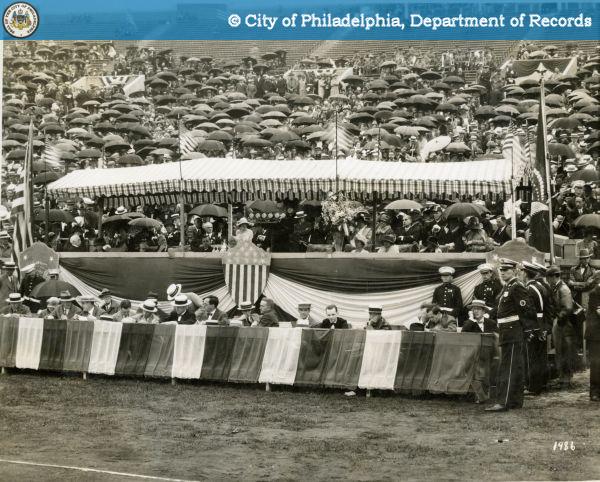
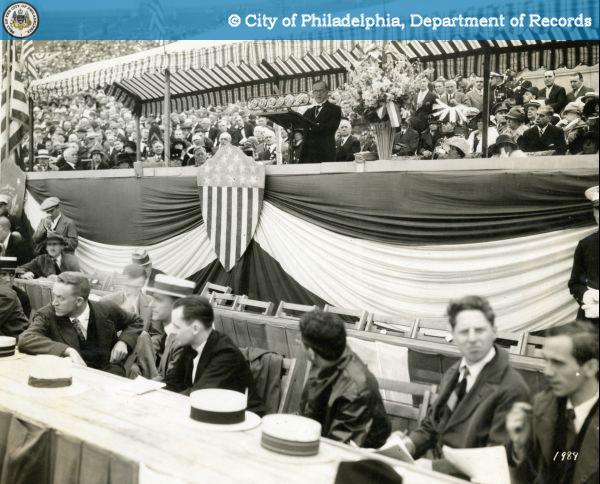
The Coolidges, prior to the President’s speech, would spend most of the time walking along Market Street (which had been High Street in colonial days) to see the reconstruction and preservation of 18th century landmarks, The speech, scheduled to air at 3pm, ran around forty minutes. A commercial plane, flying over the Municipal Stadium, forced Coolidge to briefly pause until the craft passed, but the message heard by 35,000 in attendance, with still more tens of thousands lining the thoroughfares beyond, made headlines across the country. Radio coverage through WEAF and Gimbel’s WIP (with their affiliates) would locally broadcast the speech to still many thousands more in the region.
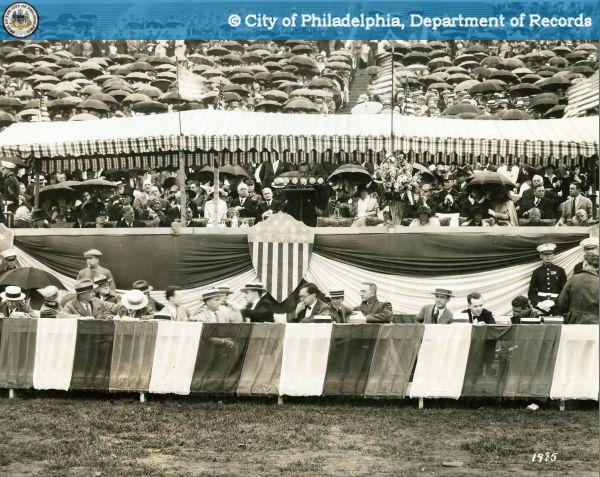
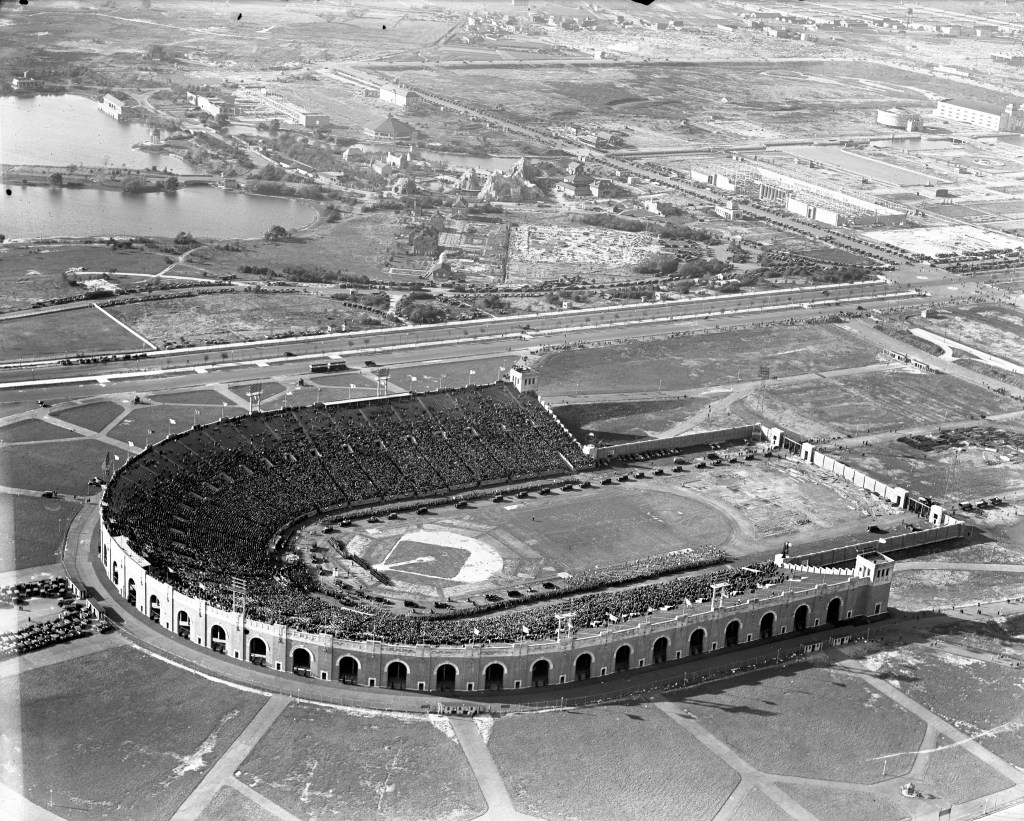
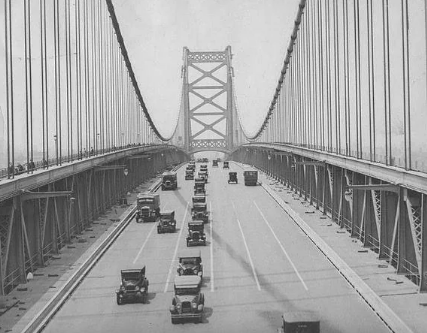
Leaving the Municipal Stadium, the Coolidges would then be treated to lunch before stopping at Independence Hall itself, respectfully sitting in President John Hancock’s chair before touching the Liberty Bell. Dashing across the newly completed Delaware River’s suspension bridge to Camden, the President would upstage Philadelphia’s ostentatious display with a dedication of the South Jersey Exposition by greeting New Jersey’s reception committee, followed by planting a Vermont maple on the grounds before returning to the train station and south to Washington. Not every town in America then or now can expect a Presidential visit. While Medora, North Dakota, the new center of the Theodore Roosevelt Presidential Library, already has, and Keystone, South Dakota, the home of Mount Rushmore, will receive their own Presidential entourage tomorrow, these visits remain similar testaments to regular America (represented by TR, the Presidents on the Mount, and Coolidge who dedicated the historic mountain landmark in 1927) favored by Presidential presence.
As they went, the Coolidges greeted son John headed north to school from one of the landing platforms en route. The most direct attachments are local and personal. It had been a whirlwind trip but they had given America a basis for taking inventory of what its 150th year of independence ought to mean and how to frame it for future generations. It meant more than the mighty intended. Wisdom was found in the little places, the towns and hamlets that Sinclair Lewis would deride as Babbitts. The “Hobbits” of that day were the denizens of patriotism and love of what is most worthy and worthwhile about America. The Coolidges understood this. Our friends and fellows who have recently returned from their stay watching soccer have a better sense of who and what we are than the Mayor of Paris, and the remainder of the elites who see only imperfection when they need to see humanity. Happy 250th America! Don’t forget it is also Cal’s 154th birthday!