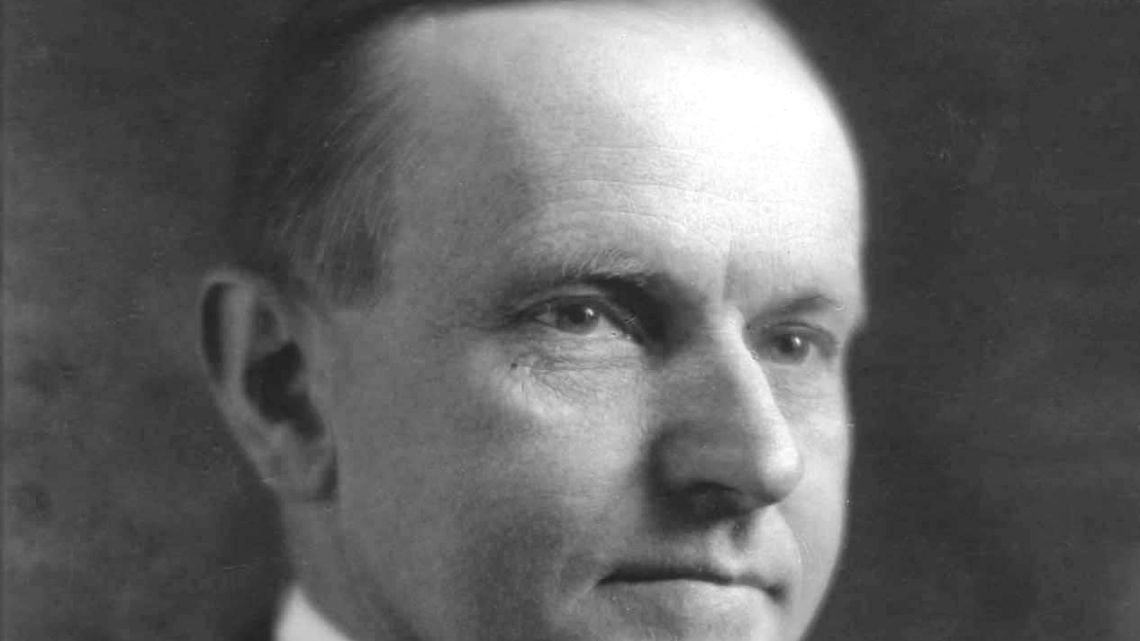
Today, eighty-two years ago, the Nation lost its last surviving former President of that time. In recent years, the Presidency had worn heavily upon the men raised to its obligations. Roosevelt would face death in 1919. Harding had passed suddenly after two and a half years in office, followed by his wife the following year. Wilson would also pass in 1924. Only Taft and Coolidge would remain among former Chief Executives by 1929, leaving Cal alone in that most exclusive “Club” by the following March. The Presidency had been especially hard on Coolidge, who lost his youngest son and his father two years apart. As he would observe, “it costs a great deal to be President.”
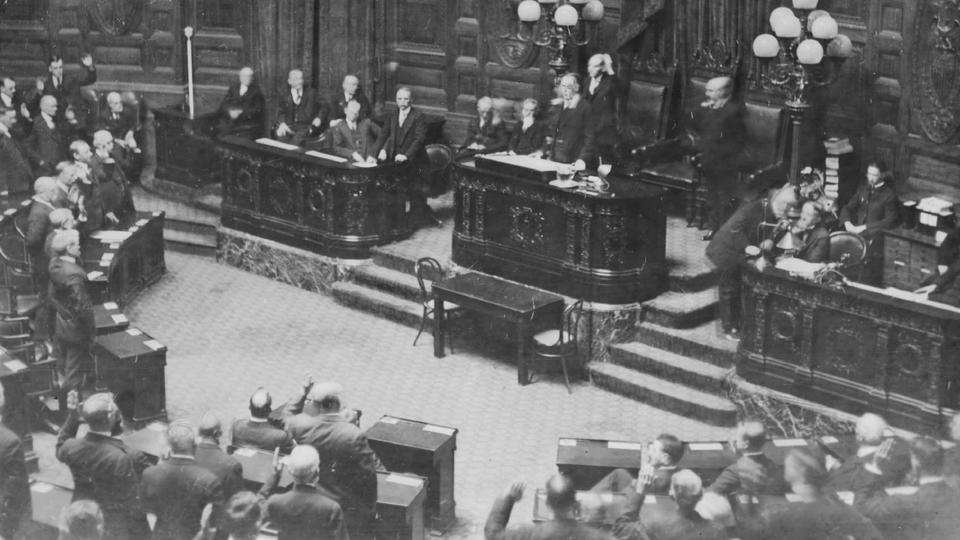
Among the most worthwhile eulogies by those who knew him well, the words given by the Honorable Arthur P. Rugg, Chief Justice of the Massachusetts Supreme Court, deserve mention here. Spoken at the Memorial Service held in Congress for the late President, January 6, 1933, Chief Justice Rugg had these reflections on the man:
“A great statesman is the product of heredity, endowment, education, and the times. Mr. Coolidge was the son of generations inured to toil and discipline amid the mute eloquence of mountain and valley, inspired by the strength and beauty of nature, trained by association with the keen-witted, honest, industrious inhabitants of the sparsely settled country. He typified the characteristics of the race from which he sprang. He was not given to emotion. He was shy. His path was steep; it could be scaled only by unyielding determination. In no small measure he had clearness of perception, retentiveness of memory, soundness of judgment. He applied these faculties with the greatest perseverance to whatever required his attention. Industry was his early training. It grew with his years. Thrift was the habit of his life. It was applied not alone to material affairs but to time, speech, energy. His intellectual resources were directed unwaveringly but without waste to the accomplishment of his main aims. He was not infrequently termed ‘silent.’ This was one aspect of the shrewdness of his nature. No one understood better than he that the unspoken thought never wounds, never harms, never needs to be modified or withdrawn. When speech was required, he never failed. His tastes and manner of living were simple. Many examples of his keen and kindly wit found their way into the common knowledge of his countrymen.
“His talents were extraordinary. His ability in statecraft was of the highest order. His vision of the needs of the country was wide, profound, unclouded. His opinion as to what could be accomplished was sure. His judgment was true. The power of his mind was capable of dealing with any exigency. There accompanied his every act a reserve force susceptible of coping successfully with a more extreme need. His humility and quiet may have obscured these great qualities to the unthinking. They were clear to those who knew him. They were sensed by the mass of the plain people and supported their confidence in him…
“The years of the twentieth century preceding his Presidency had seen much political agitation and change and had witnessed the upheaval of the Great War and the disillusionment following its close. The country needed an opportunity to readjust itself. The people wanted to attend to their own affairs. They were reassured to know that in the office of President was a man of rugged honesty, calmness, wisdom; who was reticent, modest, courageous, experienced; to whom no duty was trifling or obscure; who had broad sympathy and deep understanding of his fellow men. The depth and breadth of his nature, the acuteness of his mind, the soundness of his moral purpose, the resources of his wisdom were sufficient for every day and for any emergency. His capacity, his temperament, industry, simplicity were adapted to the times and to the work to be done.
“The people responded to his ability to discern their thoughts and needs. They looked to him, not for new and startling theories of government, economics, or politics but for expression of their inmost spiritual longings and aspirations. They were not disappointed. They could understand him. They thought of him as one of their own kin. They bestowed on him in steadily increasing measure deep, constant, unshaken confidence. They paid most illustrious honor, not so much to what he had done but to what he was. They showed thorough appreciation of his noble character. He was the incarnation of the ideal of the America of his day.
“These lines, which appealed to his own soul, may be the message of his life:
“O heart, be strong!
“Be radiant to do battle for the right;
“Hold high truth’s stainless flag, walk in the light,
“And bow not weakly to the rule of wrong.”
We miss you, Mr. Coolidge. America needs the example of your character and strength of your wisdom again.



 The Importance of the Obvious