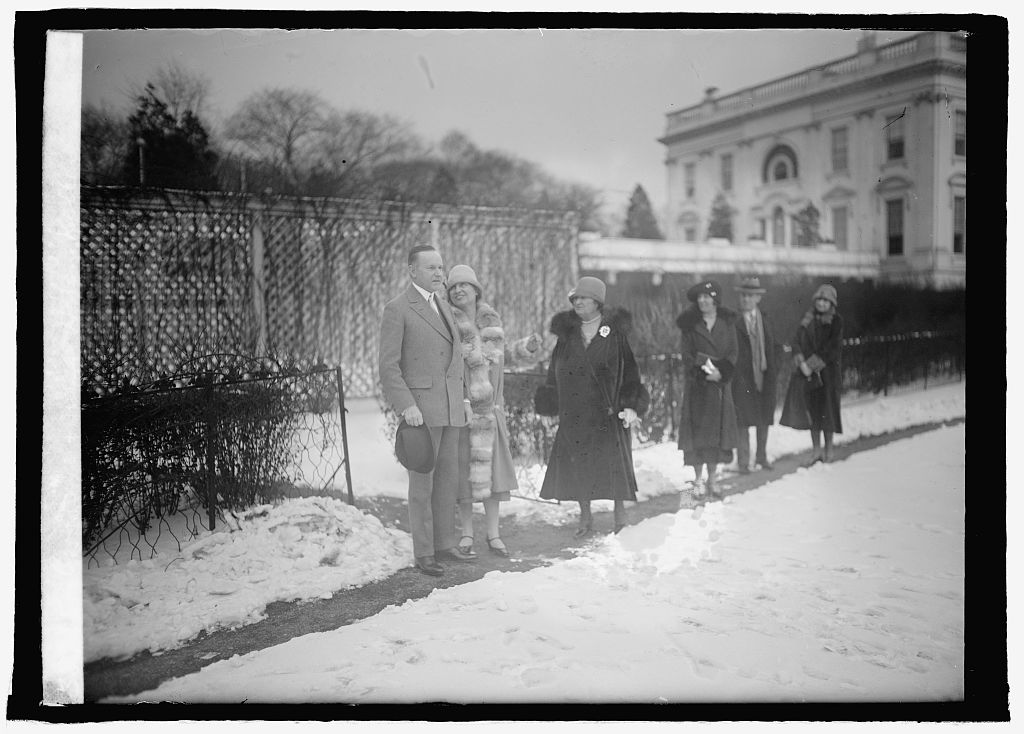
 Of his character traits, Calvin Coolidge’s reticence is perhaps the most misunderstood by those reared on the “Silent Cal” persona. Even today tour guides will rail against Coolidge’s mean-spirited curtness, his abrupt manner, and even rude handling of people and situations, yet they never seem to wonder how if all these stories actually occurred in the person of Calvin Coolidge, how could he possibly have secured so many life-long friends, risen to the highest authority in the land, and wooed one of our most affectionate and outgoing First Ladies? Misinterpreted, even by some at the time, as a callous lack of feeling or an ingrained Yankee ambivalence to everything and everyone, it is a serious oversight that he has been so defined by a stereotype grounded on a profound ignorance of all the facts by those who are supposed to be specialists of history. Rather than seek to understand the situation or the man, they simply fill in what they do not know with baseless speculation. Meanwhile, one story after another illustrating his supposed intransigent obtuseness are presented as incontrovertible fact by those who never challenge the received conclusion that Cal was cold-hearted because he said “no” to the Federal rescue of farmers and other suffering groups or for no reason at all other than being simply a perpetual crank, end of story.
This is what makes going back to the primary sources so rewarding to anyone willing to push ahead those extra few steps rather than swallow whole the claims of those eager to take a hatchet to Coolidge’s reputation for one reason, sometimes both personal and political, or another.
When Helen Keller came to visit the Coolidges at the White House in January 1926, she was eager to meet the man who had accepted the offer to become honorary President of her organization, the American Foundation for the Blind. In his his letter of acceptance, he made it clear he was making an exception to a steadfast rule not to lend his name to organizations requesting endorsement for this or that cause. Cal make clear that he was breaking his own restriction because he believed the work being done by the AFB was truly benefiting those it was created to help, in contrast to so many entities launched to raise money but never really accomplish much for its targeted cause.
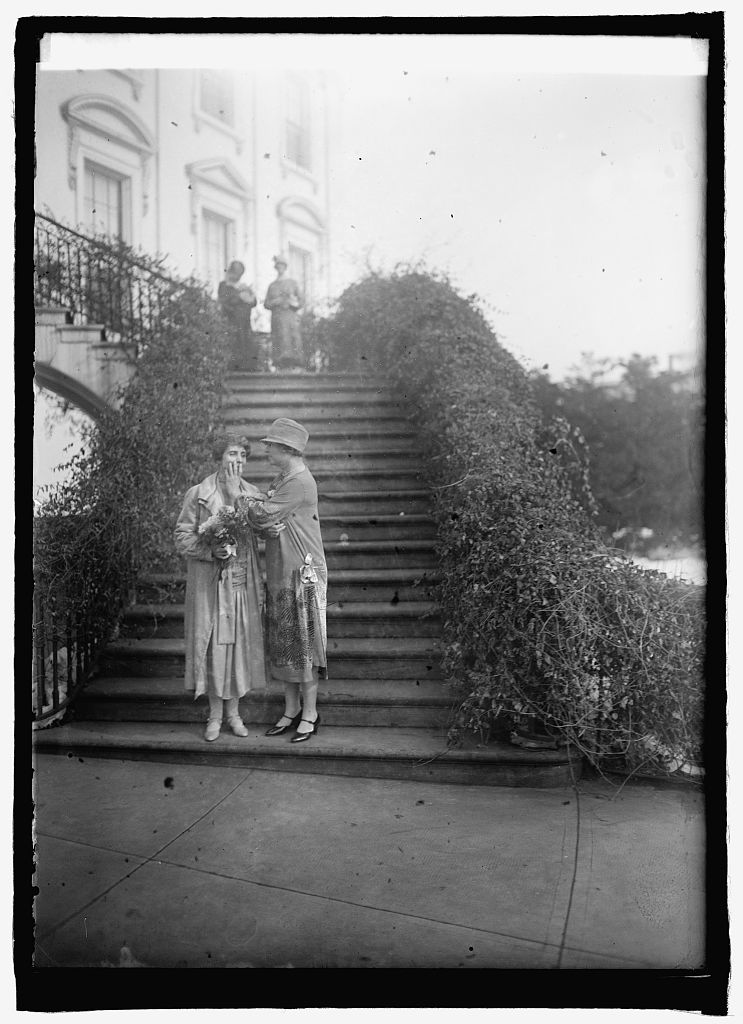 When she was directed into the Executive Offices, she found Coolidge at his desk underway with the day’s tasks. He quickly became embarrassed, however, when she asked for a few moments to read his lips with her fingers. He nevertheless assented and they exchanged kind regards. It was when visiting with Mrs. Coolidge that the subject of her husband’s perceived reputation for coldness was raised. The First Lady said, “The President thought I was the only woman in the world who knew he had a warm heart and you seemed to sense it the moment you touched his hand.” It is in Helen Keller’s response, a woman whom none could say sympathized in any way with the Coolidges politically, that we find a glimpse into the real Cal, the man as he was not the caricature created for readership of The Nation or for later apologists of the New Deal.
Keller told Mrs. Coolidge, “I feel in the hand what the eye cannot see…I knew the President was really glad to see me. Your dear husband thinks many things he doesn’t tell to everyone and there are wonderful things in his heart.” Such was no isolated case. Coolidge would leave this impression on a great many of his contemporaries determined to see beyond the outer cover his professional formality and personal shyness to the thoughtful, kindly, and loving heart he had for people.
The casual observer may be forgiven this oversight, but there is no excuse to perpetuate so intellectually dishonest and politically convenient a falsehood among those transmitting the historical record of the Coolidge Era to present and future generations. History demands more and Coolidge deserves better.


 The Importance of the Obvious