While it is better known that President Coolidge proficiently used the medium of radio, it is far lesser known what he thought of other forms of broadcasting, such as film and television, the latter in its earliest stages of potential. He was the first among Chief Executives to effectively employ the potential of radio communication. Long before the “fireside chat,” the voice Americans knew and liked was that of Calvin Coolidge.
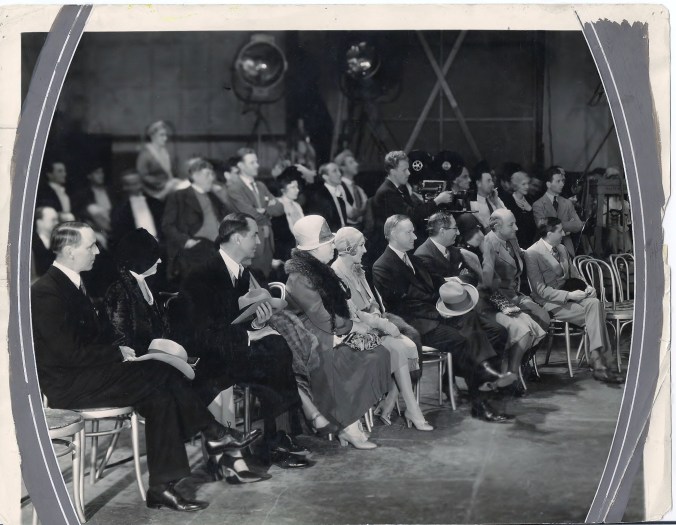
As for the potential of movies, Coolidge hosted “movie previews,” both as Vice President and President for both friends and family, ranging from documentaries to entertainment pieces (Leab, “Coolidge, Hays, and 1920s Movies,” in Haynes 103). It was here that Coolidge’s realism built on faith manifested itself strikingly. He would navigate between the forces calling for outright censorship and those marketing and enthusiastically promoting D. W. Griffith’s pro-Klan picture, “Birth of a Nation,” steering legislation to decide by majority vote through commission whether the film should stand alone or include counterbalancing footage of black progress, like that at Tuskegee and Hampton Institutes. The latter prevailed in Massachusetts and served as a clear repudiation to the Klan and a rebuke of President Wilson, who was in favor of the movie as it stood. Coolidge’s bold act won respect, helped push the Klan into the margins and upstaged Wilson. It would not be the last time.
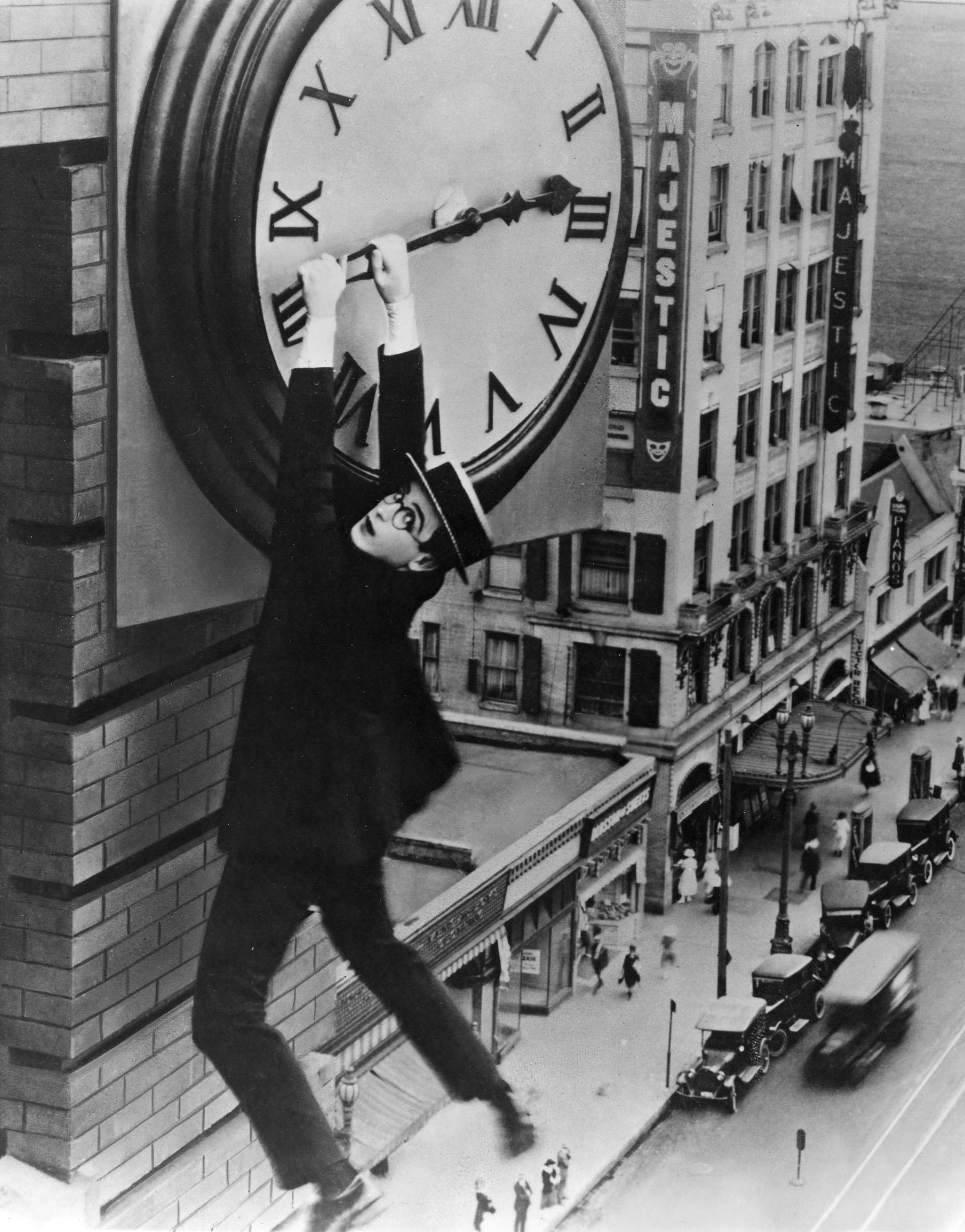
On the other hand, he recognized that moving pictures had great potential for good. The serious and educational served their purposes, of course, but so did comedy. Coolidge appreciated the need for balance between both. People need to be able to laugh, he would once remark. It is recalled by a regular guest to those “previews” that when a Harold Lloyd comedy was shown at the White House in 1925, he “never saw the President laugh more.” That potential for good was conditional, however, as he explains in his column on February 13, 1931, “The time may not be far away when it will be possible to have a receiving set in the home that will produce a sound motion picture. Central stations may be able to receive and broadcast to the eye and ear events taking place all over the world. It is difficult to comprehend what an enormous power this would be. New forces are constantly being created for good or for evil. When primitive people come in contact with civilization usually they use its powers for their own destruction. Unless the moral power of the world increases in proportion to its scientific power there is a real danger that the new inventions will prove instruments of our own destruction. If moral development keeps step, peace and good will have gained new allies.”
Given the general condition of modern film and television, can it be said that morality and goodness have kept pace with them? In small, isolated pockets broadcasting lives up to that noble alliance with morals, in praise of what is good and wholesome, and when it does, it exemplifies faithful stewardship and true progress. It is not coincidental that the best pictures appeal to timeless ideals.
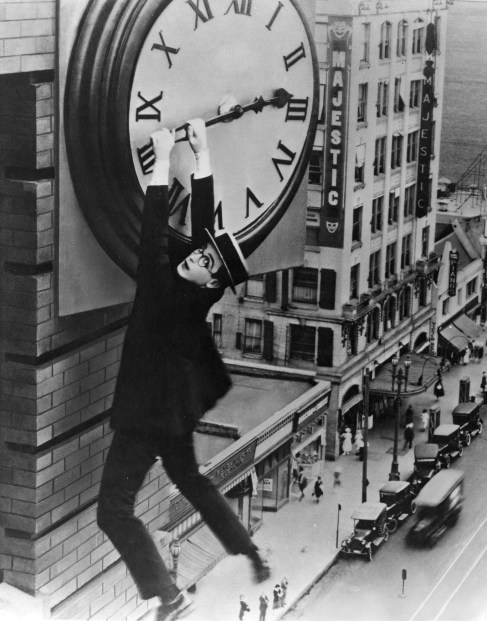
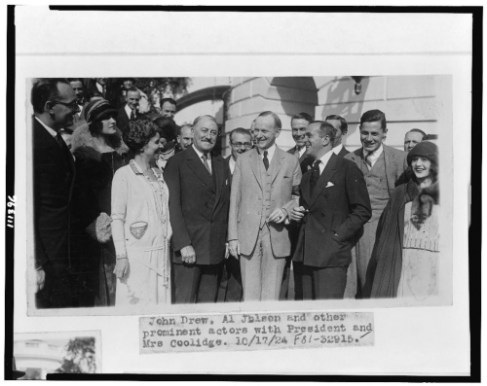
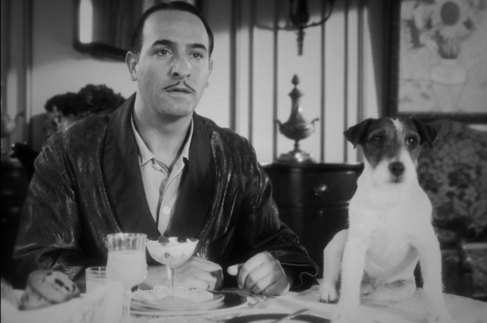
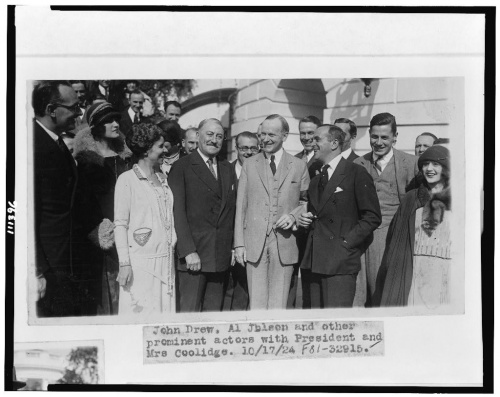
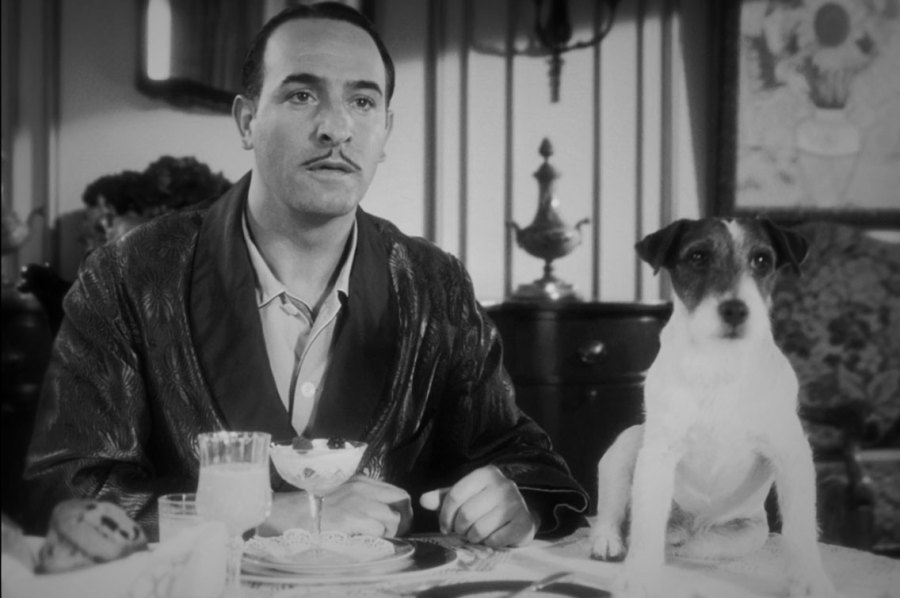
Top: Harold Lloyd in Safety Last! (1923); Middle: The Coolidges meeting Al Jolson and company, 1924; Bottom: Jean Dujardin and Uggie in The Artist (2011). Further Reading: chapter 4 “Coolidge, Hays, and 1920s Movies” by Daniel J. Leab in Calvin Coolidge and the Coolidge Era, Edited by John Earl Haynes. Washington, D.C.: Library of Congress, 1998.

 The Importance of the Obvious