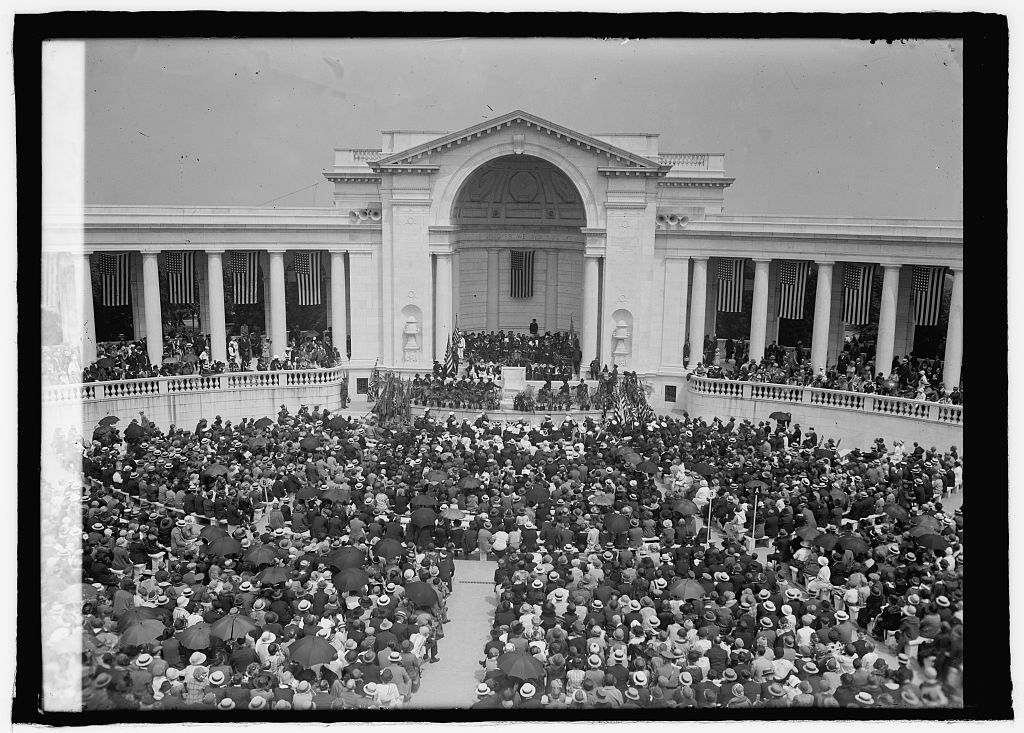
“For those who are the inheritors of a noble estate and a high place in the world, it is a good thing to pause at intervals and consider by what favor of fortune and of ancestry their lines have fallen in such pleasant places. Thus to meditate on that course of events, which has given them what they have and made them what they are, will tend to remind them how great is their debt and how little is their share of merit.
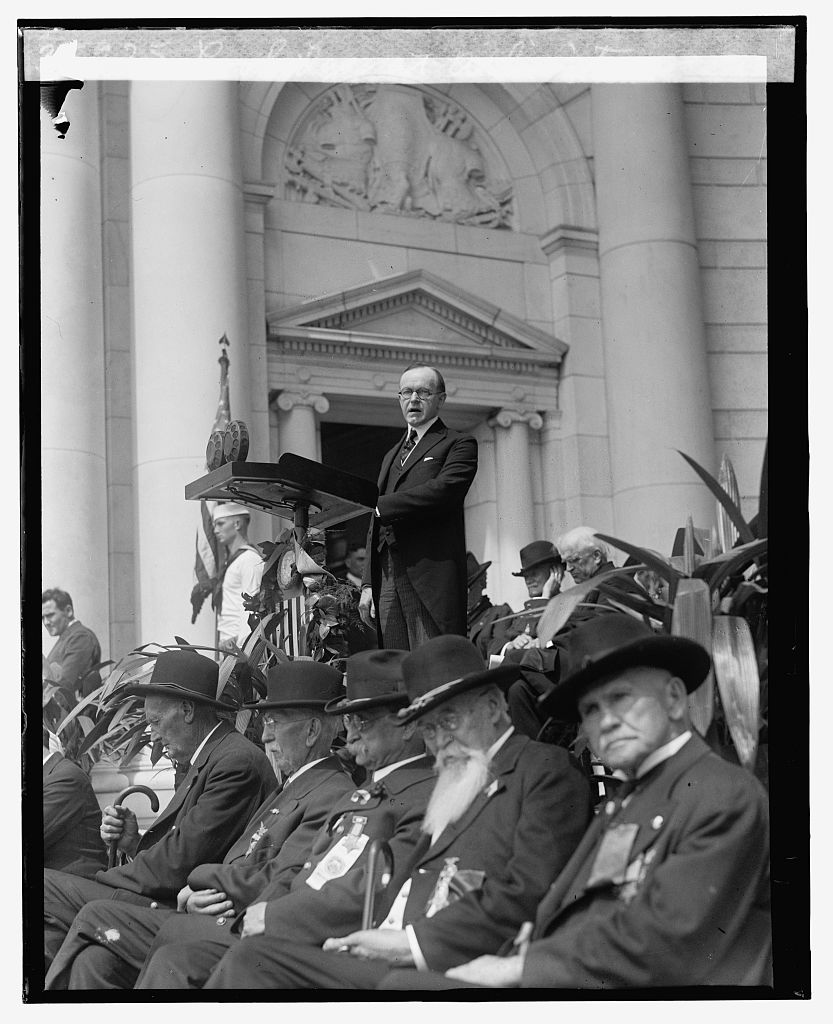
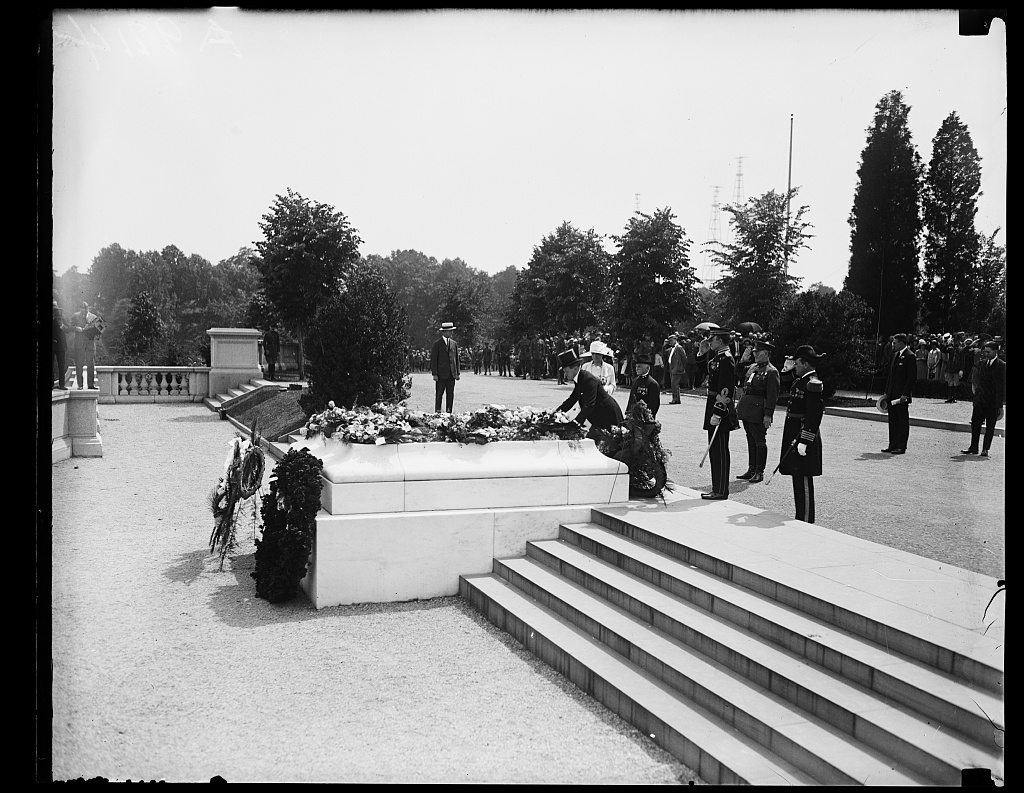
“This is the day on which the American people each year acknowledge that they have such a debt. It has been set aside that a grateful Nation may do fitting honor to the memory of those who have made the greatest and most voluntary contribution to it. Here about us, in this place of beauty and reverence, lies the mortal dust of a noble host, to whom we have come to pay our tribute, as thousands of other like gatherings will do throughout our land. In their youth and strength, their love and loyalty, those who rest here gave to their country all that mortality can give. For what they sacrificed we must give back the pledge of faith to all that they held dear, constantly renewed, constantly justified. Doing less would betray them and dishonor us.
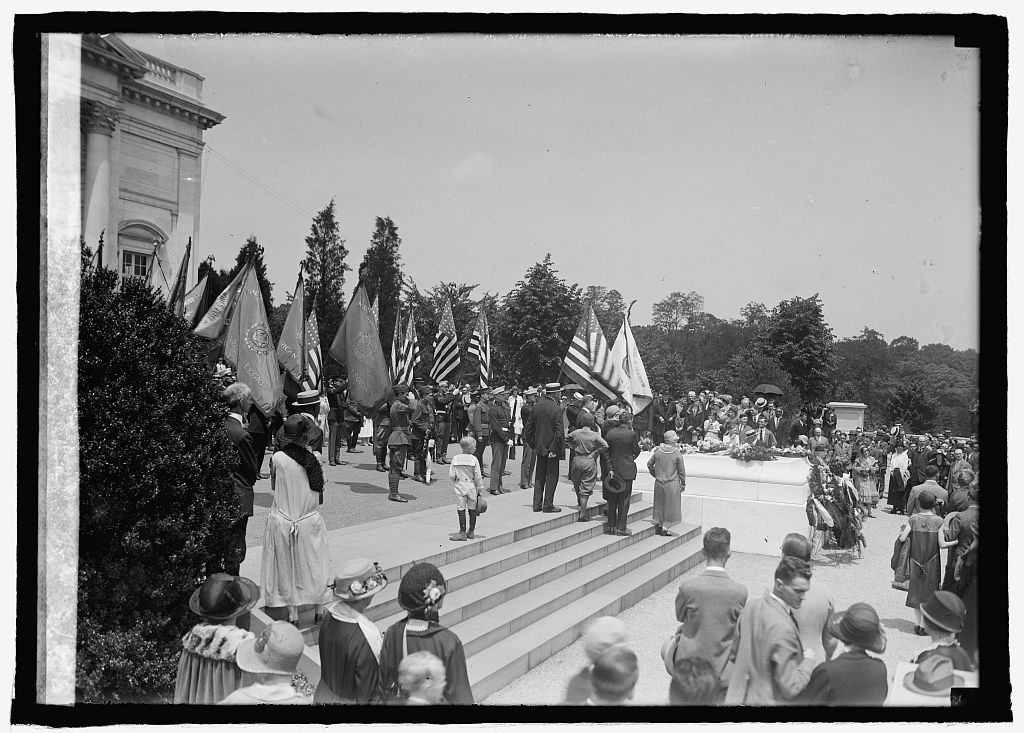
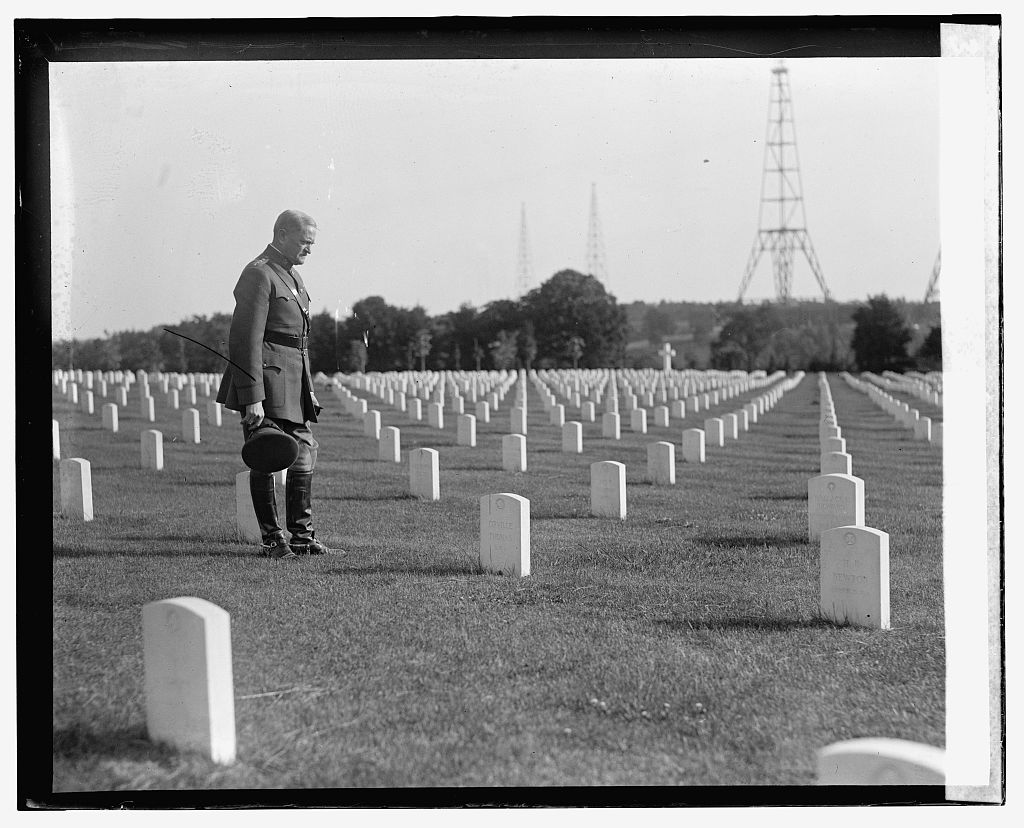
“To such a memorial as exists here we can only come in a spirit of humility and of gratitude. We can not hope to repay those whom we are assembled to honor. They were moved by a noble conception of human possibilities and human destiny. But we can undertake to find what was their inspiration and seek to make it our guide. By that they will be recompensed…
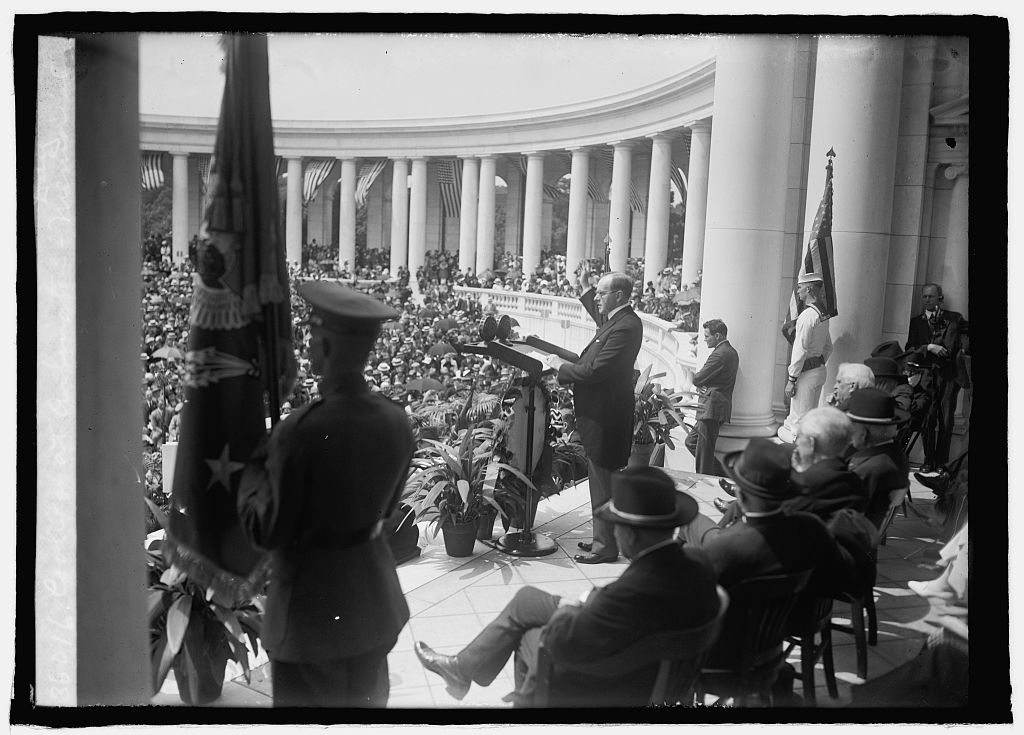
“We live far enough away from those times of test and trial to know that sincerity and honesty did not all lie on either side. We know the conflicts of loyalties, traditions, ancestry, and interest which drew men to one side and the other. I doubt if there ever was another so great and elemental a conflict from which men emerged with so much of mutual respect, with so little of bitterness and lingering hostility. The struggle brought the whole Nation at last to see that its only assurance was in unity. United, it could go its way in all security; divided, both sections becoming the prey of jealousy and intrigue, would have dissipated all the power they now have for good in the world.
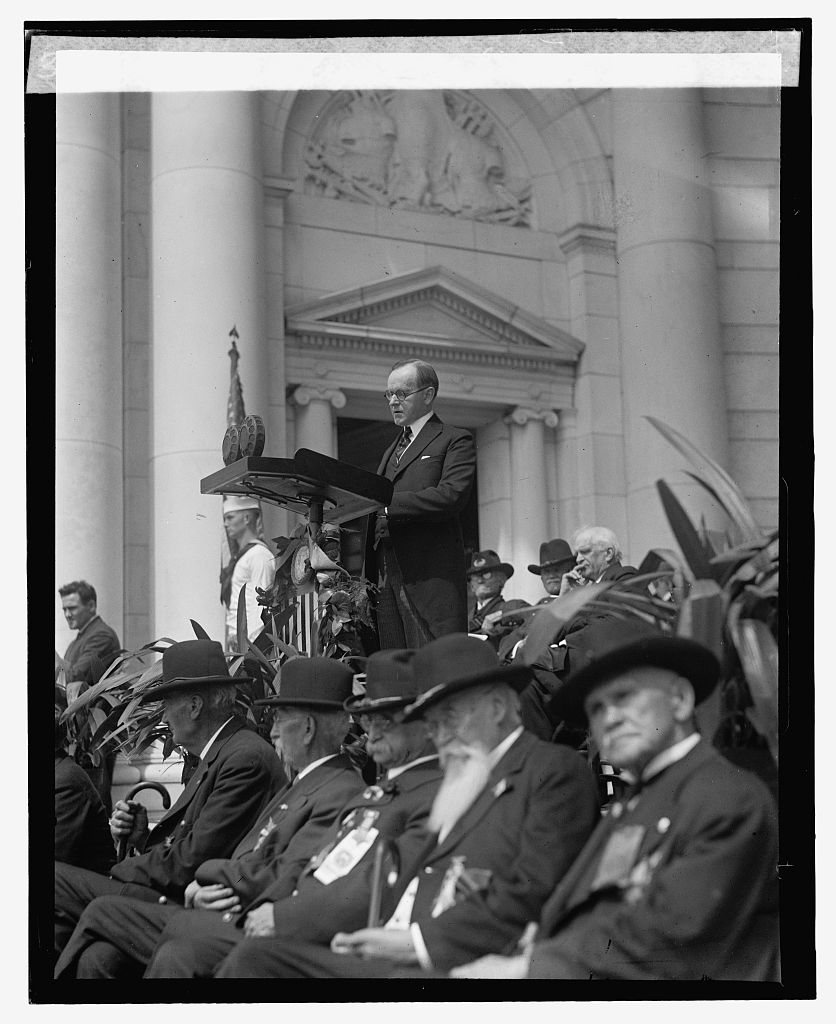
“Our generation has recently lived through times still so vivid as to seem but as yesterday, which have taught us deeply to appreciate the value of union in purpose and effort. We have come to see as through a crystal that in the national variety of talents and resources, of cultures and capacities, of climates and of soils, of occupations and of interests, lies the guarantee of both our power and our authority. More than that, they have taught us how heavy and important is our responsibility in the world…
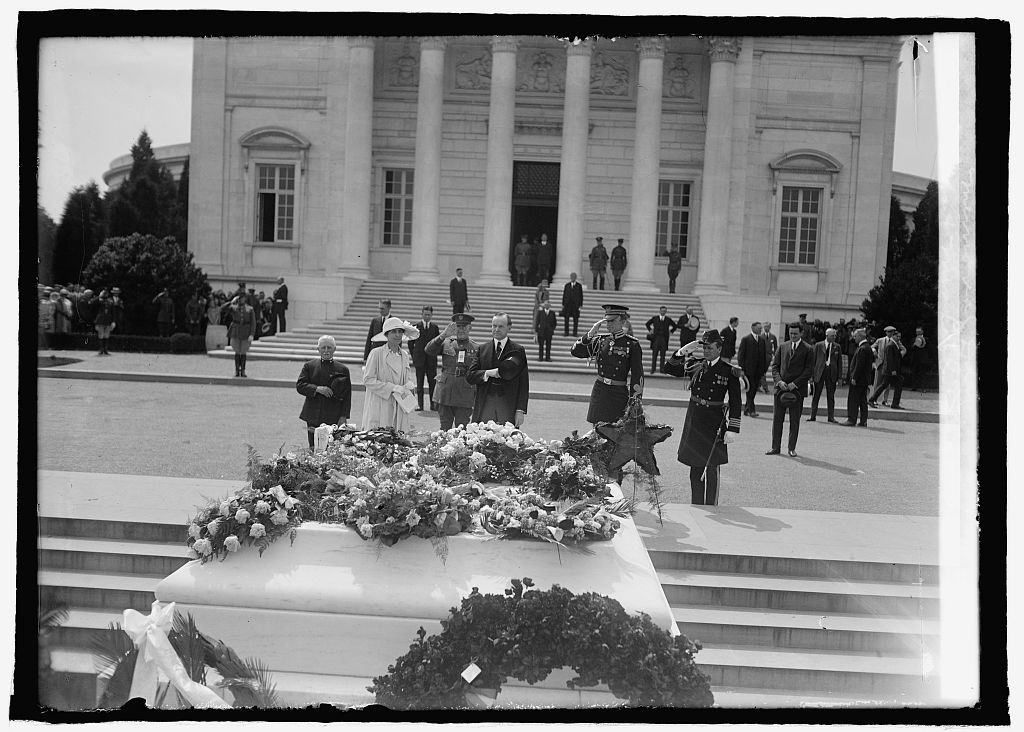
“Our gathering here today is in testimony of supreme obligation to those who have given most to make and preserve the Nation. They established it upon the dual system of State government and Federal Government, each supreme in its own sphere. But they left to the States the main powers and functions of determining the form and course of society. We have demonstrated in the time of war that under the Constitution we possess an indestructible Union. We must not fail to demonstrate in the time of peace that we are likewise determined to possess and maintain indestructible States. This policy can be greatly advanced by individual observance of the law. It can be strongly supplemented by a vigorous enforcement of the law. The war which established Memorial Day had for its main purpose the enforcement of the Constitution. The peace which followed that war rests upon the universal observance of the Constitution. This Union can only be preserved, the States can only be maintained, under a reign of national, local, and moral law…” – President Calvin Coolidge, Arlington National Cemetery, May 30, 1925
 The Importance of the Obvious