
We were all introduced to Calvin Coolidge, that enigmatic man from Vermont, through various paths. Some of us learned of him many years ago, perhaps from a professor, a relative, or even a book or play. Some are just now learning of “Silenced Cal” from more recent sources, whether it be from our friend at BestPresidentialBios, Amity Shlaes’ Coolidge, Charles Johnson’s Why Coolidge Matters, David Pietrusza’s Silent Cal’s Almanack or perhaps C-Span or the White House Historical Association, the latter two both showcasing the Coolidges this past year. For me this fascination with the enigma that is Mr. Coolidge began in high school when I encountered Robert Sobel’s book which has now been re-released by Regnery last October. I knew little of the bitter historiography from the 1930s through the 1970s that mocked, derided, and caricatured the quiet but diligent #30. I didn’t even understand the profound impact Cal had on President Reagan, who restored his predecessor to a high place of honor: A commanding position overlooking the Cabinet Room, reminding everyone (even the puzzled press) that Coolidge was the executive inspiration for #40. But also, by placing his portrait there it was as if to say: Cal — with his relentless scrutiny of wasteful effort, foolhardy government planning, and especially loose spending habits — is watching. I did not yet know of the Symposium discussing Coolidge at the JFK Library the same year Sobel’s book came out, nor did I fully recognize the post-Reagan wave of interest underway as I picked up Mr. Sobel’s book and began to read. Little did I grasp at the time it would set me on this journey to better understand and explain Coolidge with “The Importance of the Obvious.”
An American Enigma was a refreshing sea breeze after years of stagnant, stifling mischaracterization. Finally here was an interpretation that presented Coolidge in his own words, on his own terms, and did so without either rose-tinted rhetoric or an appraisal that discounted his views and actions as short-sighted and illegitimate before even explaining them to readers. Up until then, the field of writing on Coolidge was anything but crowded (one could not say it is any different now!) and even less of it earnestly seeking to know who Cal was. It was supposed to be enough to accept the place assigned to him by the ‘scholars.’ Sobel knowing the risk, bravely waded in and began swimming against the current. By merely furnishing a platform for Coolidge to essentially speak for himself, Sobel left reviewers mystified, policymakers bewildered, and the Gatekeepers of historical narrative concerned. This was not the “Silent Cal” you were looking for. This was a President with a spine, ability, and clarity of purpose. He knew who he was, stood outside the Washington system, and still got some major things done there.
One has to go back and look at the conversation in the 90s to appreciate how much this work by Sobel ran against the grain for the Typesetters of Historical Story-telling. They were being contradicted, their conclusions challenged, their credibility affronted. How could this be the Coolidge everyone knew, the man who is supposed to rank immovably among the anonymous do-nothings in Presidential rating games? He was “Silent Cal,” the Yankee weaned on a pickle, the empty tool of Big Business, the purveyor of platitudes, the indolent and sleepy Captain who let America drift into disaster, a mess only the likes of FDR and redefined liberalism could fix!
By handing Calvin Coolidge the microphone, in effect, Sobel was giving a new generation a chance – even an imperfect glimpse – into what could be discovered when the layers of falsehood were peeled back. It was not a man who existed only in the imagination of the author nor was Sobel presuming to comprehensively explain Coolidge (Cal remains enigmatic, even to his friends), it was nonetheless an overturning of misrepresentations that had become uncontested truths. When the years of academic impressionism (“Don’t pay attention to the details, just accept the broad strokes we paint over him”) inflicted on Cal were scraped back, a portrait of the original Great Communicator began to emerge. Coolidge not only had things worth saying, he proved he could do what he said, with the result that both his words and his actions possessed a weight of relevance and importance that resonated with people. Coolidge speaks to them, he addresses our situation in so many ways even now.
People across the country can now see for themselves the sharp contrast between the gravely underestimated Cal Coolidge and much of official Washington today. This was not only the work of the late, great Robert Sobel but also of others who have now gone on: Marvin Stone of U.S. New and World Report, and Thomas Silver of Claremont Institute, to name a few. It was they who kept the beacons lit when darkness crowded in over much of history-craft, policy-making, and administration in the 1960s, 70s, and beyond. They are the grandfathers of a Coolidge restoration that continues to blossom and catch fire in the hearts and minds of Americans to this day. The coming year finds America at a kind of crossroads never encountered before, it can be a year of triumph for Coolidge’s principles or it can continue a free-fall that will extinguish once for all not only Cal’s confidence in our ideals but also the greatest hope for constitutional self-government the world has ever known.

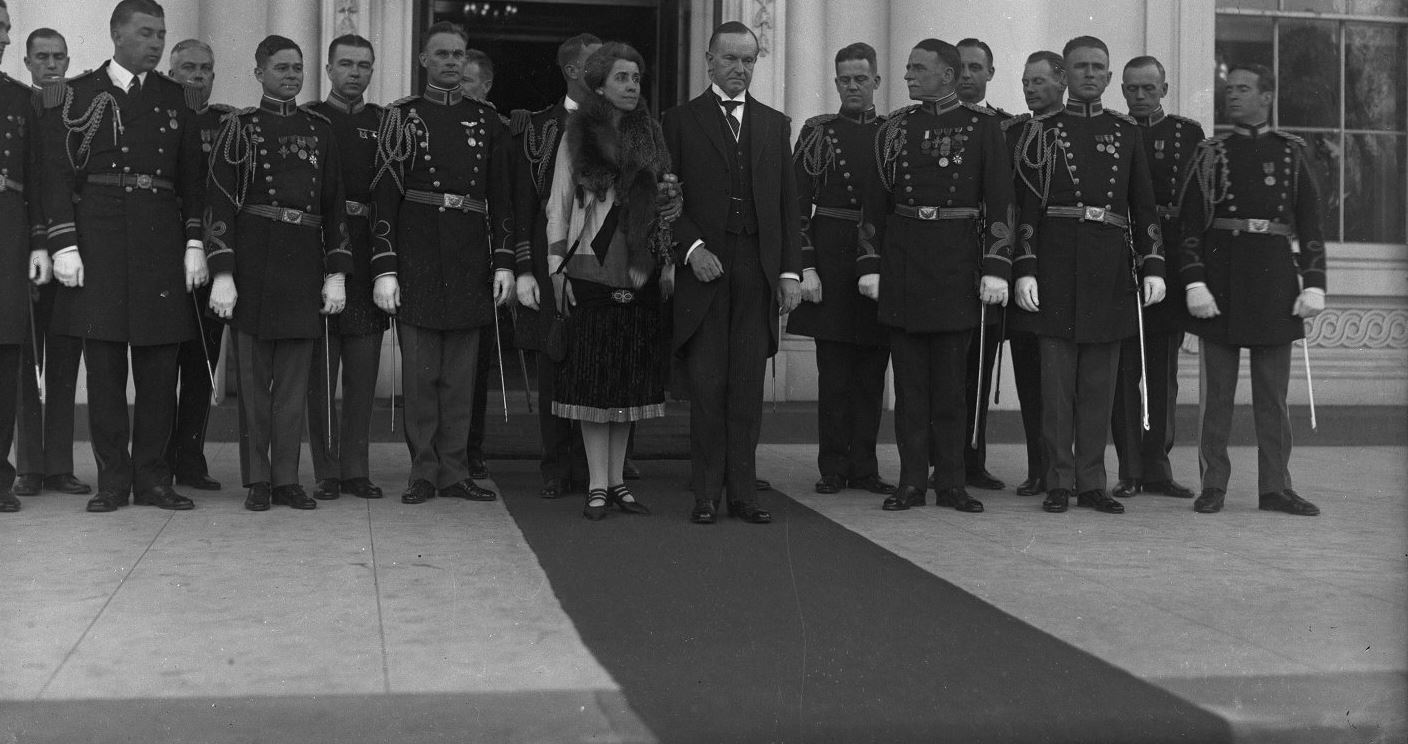
 The Importance of the Obvious