A Conversation on Coolidge with Amity Shlaes
A friend and fellow blogger, Kai, has posted a link to this great interview by Milt Rosenberg with Amity Shlaes on Coolidge. It is too worthwhile not to share.
A Conversation on Coolidge with Amity Shlaes
A friend and fellow blogger, Kai, has posted a link to this great interview by Milt Rosenberg with Amity Shlaes on Coolidge. It is too worthwhile not to share.
“There are people who complain that they do not have any luck. These are the opportunists who think that their destiny is all shaped outside themselves. They are always waiting for something to happen. Not only is nothing very good likely to happen to this class, but if some fortune seems to come it tends to turn out disastrously. They are usually ruined by success.
“Our real luck lies within ourselves. It is a question of character. It depends on whether we follow the inward light of conscience. Such men rise above the realm of temporary circumstance. They are great even in defeat.
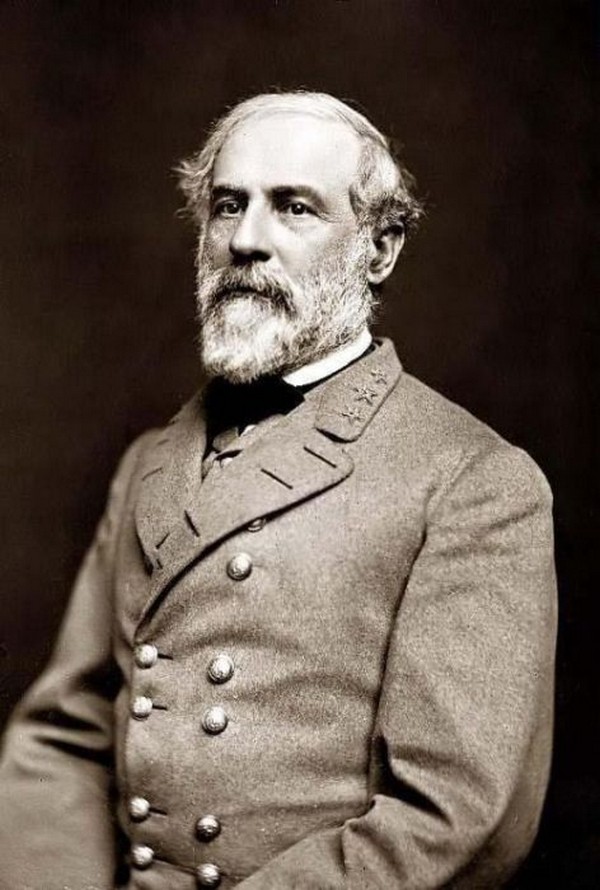
“Napoleon following his star, seeking luck outside himself, was great only in victory. But in Egypt, at Moscow, at Waterloo, his glory departed. General Lee, sacrificing himself for what he felt was his duty, was no less great after Appomattox. Poverty, obscurity, assassination, only revealed the greatness of Lincoln. The wrath of man praised him. if we cannot entirely control our environment, we can control ourselves and our destiny. The man who is right makes his own luck” — former President Calvin Coolidge, August 29, 1930.


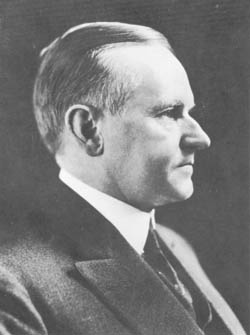
While some may think there was little to connect a Grover Cleveland Democrat with a life-long Republican, it would come as a surprise that Coolidge’s life was filled with such connections. He was not a man given to airs or sense of superiority, personally or politically. He would consider Democrats among his closest friends, even allies. He would count numerous Irish immigrants among his supporters. The Democrat presidential candidate of 1928, Al Smith, was a good friend. He married into a Democrat family. These relationships were not due to some lack of commitment to principle, for Coolidge’s consistency and conviction were widely known. It was due to a set of convictions that transcended political posturing. It was an agreement with what America was all about, whether you were Republican or Democrat. It was a respect for people stemming from a mutual reverence for America’s ideals. Character and perspective on both sides made it possible to have principled disagreement but still work toward common aims as Americans. Without integrity, civility has no pillars on which to stand. When the ideals of America are no longer shared and character is demonized, it is no wonder that both a sense of proportion and civility are missing as well.
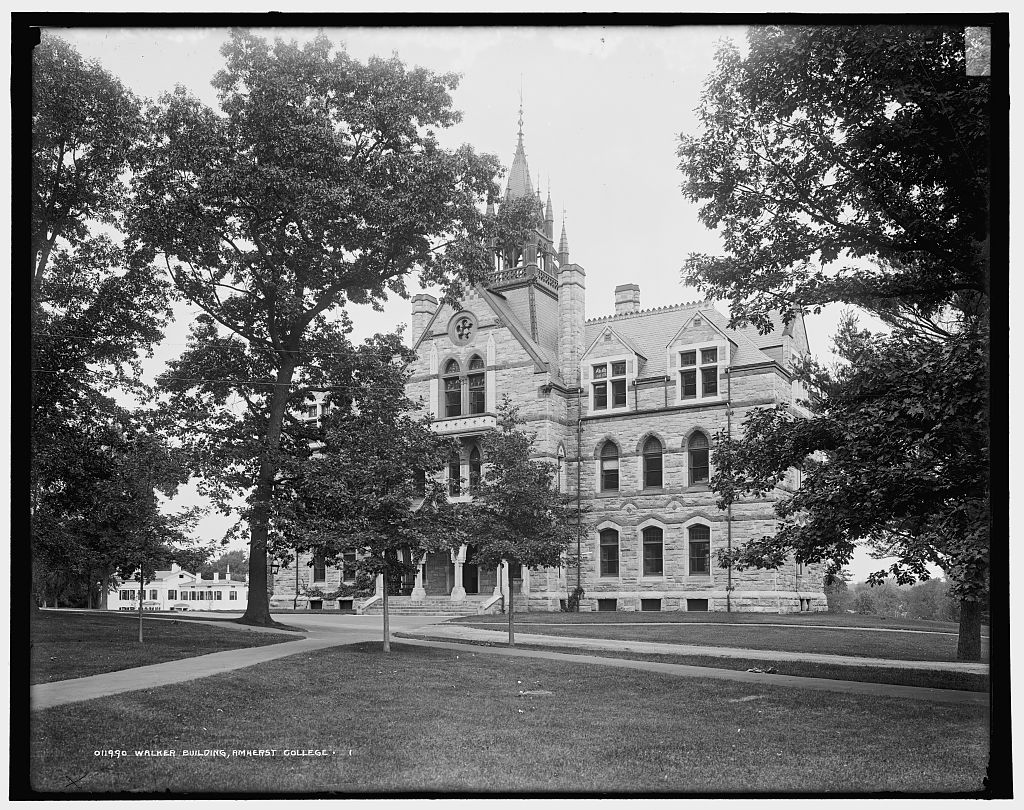
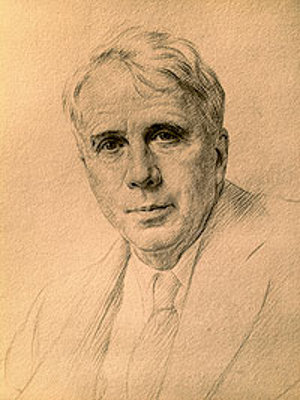
One of the most predictable acquaintances Coolidge encountered, however, was Robert Frost. As Joseph A. Conforti in his book, Imagining New England, examines the identity and mindset of the commonly caricatured “Yankee,” he features both the President and the poet. While, as Coolidge biographer Fuess observed, Coolidge was unique for combining so many — if not all — of the qualities of a “Yankee” in a single person, Frost could not be more different in upbringing and politics. But what did Frost think of Coolidge? There is often an assumed affinity of the two but, again, Frost was a Cleveland Democrat while Coolidge held loyally to the Republican Party all of his life. Frost, widely regarded as a New England rustic, was born and raised in the city, San Francisco to be exact. Coolidge, as we know, came from the rugged hills of Vermont and hailed from rural western Massachusetts, not the sophisticated social circles of Boston. Frost was largely ambivalent when it came to politics; Coolidge joked that his hobby was “running for office.” Frost would never finish college while Coolidge would not only graduate but give the witty “Grove Oration,” for his class. It was Amherst that would enable these lives to cross paths. Frost would come to the College on and off from 1916 through 1938 to teach English. Meanwhile, Coolidge rose in state and national affairs, serving as a trustee of his alma mater through his retirement from public life. They certainly knew each other and among the several interesting observations made by Conforti is this, quoting from Lawrance R. Thompson’s Frost: The Years of Triumph, 1915-1938,
“Frost admired Coolidge; he identified with his political and cultural conservatism, praised his ‘overthemountain nature,’ and respected his kindred descent from ‘a modest, frugal, and unpretentious line of Puritan farmers’…Frost’s political detachment and poetic rejection of social criticism provoked literary enemies who saw him as a product of the same stingy soil that gave birth to Coolidge.” Frost would be defended “against such critics” and his apologists would share the “Coolidge-like Yankee moral vision that emerges from much of his verse.” As Robert Coffin, of Yankee magazine fame, would write, “Frost likes his people in individual, not mass formation. He isn’t blaming their troubles on the capitalists or the environment, but on the way life is built and the way they are built…” Such an outlook would have found Coolidge in agreement.
As Coolidge would preside over the lively and energetic Twenties, Frost would become, in Conforti’s words, a “New England version of Will Rogers” personifying the folk wisdom and authenticity of American character. One reporter summarized the traveling poet this way, Frost’s temperament “was one of inexpressible gentleness, with humor and strength and whimsical sincerity.” It seems Coolidge and Frost were more alike than is apparent at first glance. But then this is America at work, bringing two very different individuals together around transcendent ideals, common principles of character and, tempered by realism, an abiding faith in her purpose.
 The Importance of the Obvious