On Coolidge and the West

                                Image

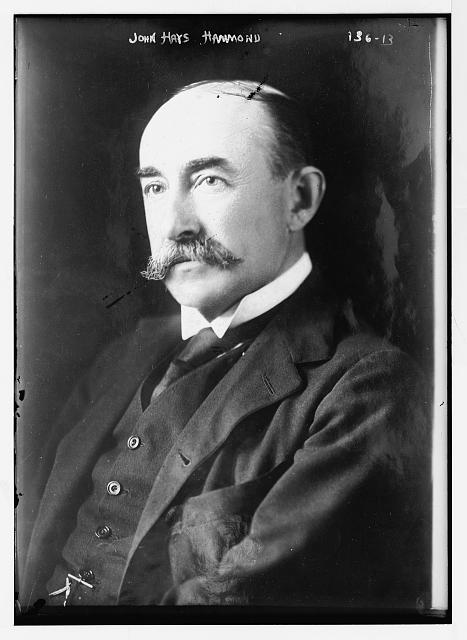
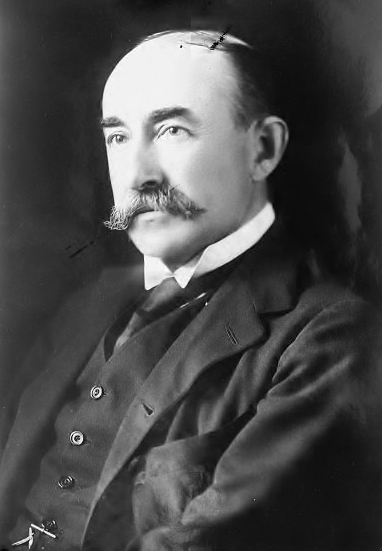
John Hays Hammond Sr. served as Chairman of the Coal Commission, as a coal strike threatened to be the first real domestic test of President Harding’s successor, Calvin Coolidge. Without coal, people were going to be hard-pressed to heat their homes and survive the cold winter. In what President Coolidge would call “our coup,” he collaborated with Commissioner Hammond to work out a way to resolve the conflict while shrewdly using the Governor of Pennsylvania, Gifford Pinchot (who was positioning himself as the heir of TR in order to take the GOP presidential nomination in the following year by championing his own progressive “handling” of the strike), as the implementer of their report. It worked only by removing imposed government solutions and turning to the folks directly concerned to make it succeed, all to the chagrin of Governor Pinchot.

Looking back on those days, Mr. Hammond offers this appraisal of President Coolidge and his impact on voters, especially those in the West. Most striking is that it runs contrary to the partisan and even vindictive appraisals of those who were denied special favor (like “Ike” Hoover, the usher) or had an agenda to implement (like “Art” Schlesinger). Hammond writes,

     “It was most fortunate for the country that a man of Calvin Coolidge’s type succeeded to the presidency. He had an estimable record for probity and executive ability during both his Massachusetts governorship and the vice-presidency. Sitting in at Cabinet meetings during the Harding administration had given him special knowledge of national problems.

     “His slightly rigid personality manifested caution and sanity. His eccentricities were safe ones. There was no derision in the anecdotes that were told of him, and the laughter of the people at hundreds of Coolidgisms only served to increase their belief in him as a wise and forceful leader. After the miasma of suspicion created by the scandals of the Harding administration, the country soon showed implicit confidence in Coolidge…”

     Commissioner Hammond, a renowned mining engineer and native of California, assessed the affect of Coolidge on the West, “To me, as a Westerner who had grown to pride himself on his knowledge of the psychology of that part of the country, one of the most amazing things about Calvin Coolidge was that he came to supersede even Theodore Roosevelt in the popular affections of the West. Everything about Roosevelt had been the antithesis of Coolidge: his strenuous activities, his love of exciting adventures, his physical daring, his aggressiveness, and his ebullient manner. It has always seemed phenomenal to me that Coolidge, without any effort on his part, could have won the West. It may perhaps be explained by the fact that West admired Roosevelt as an individual and Coolidge as a president.”

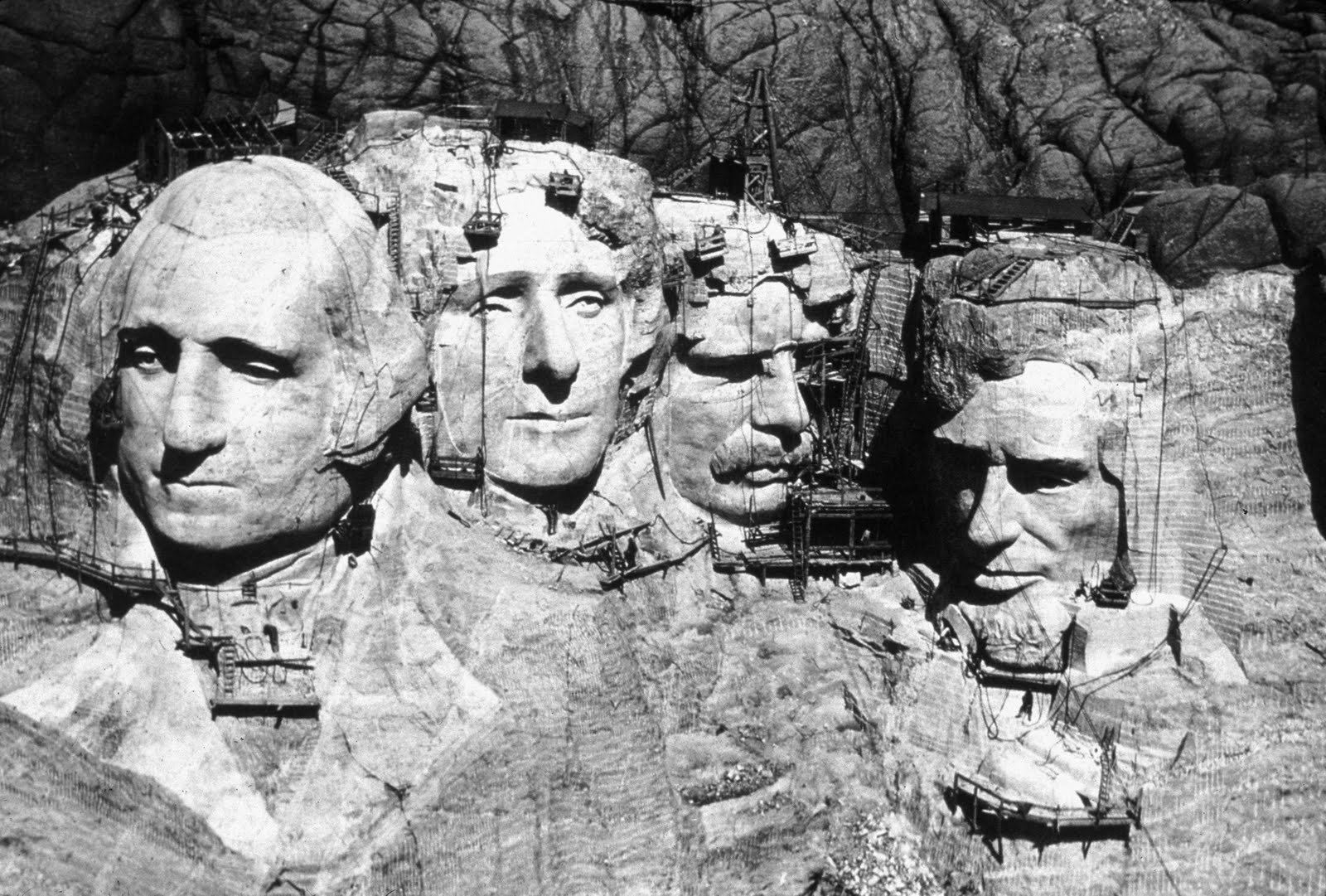
     It is noteworthy that the only life-size statue of the thirtieth president stands in downtown Rapid City, South Dakota. It seems that Gutzon Borglum’s second mistake (after misusing President Coolidge’s written contributions to the Rushmore project) was in placing the wrong president to Lincoln’s right.

                                           Image

                      Image

“To the World?”

                                            Image

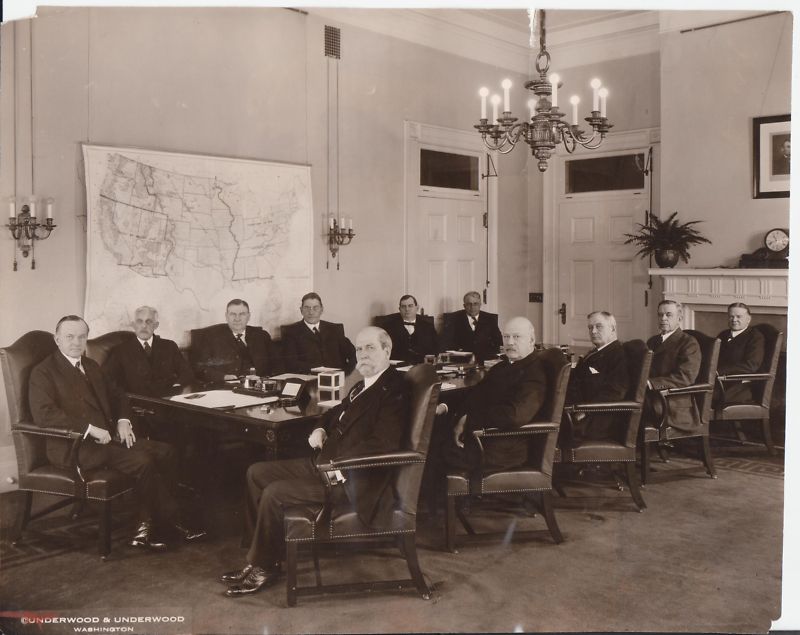
Harry S. New, chosen to be Postmaster General after Hubert Work was moved to head the Interior Department, served faithfully for the next six years during the final months of the Harding administration and all of the Coolidge era. He always appreciated the humorous anecdote, however, and peppered his Cabinet meeting notes with the witty exchanges of the President and his department heads. He writes, “On a certain occasion, Attorney General Stone and Secretary Hoover had slipped away to the Florida Keys for a week, at the end of which they came back wonderfully tanned but without having had very good luck.

     “When the President entered his first query on looking at the two sunburned members was, — ‘Fish bitin’?’

     “Hoover said, ‘No, Mr. President, not very well but we were out of touch with the world for a week and that was worth a good deal.’

     ‘To the world?’ queried Coolidge.”

All good humor contains an element of truth. While President Coolidge’s characteristically dry wit is on display here so is the reminder that Hoover diverged sharply from Coolidge’s worldview and executive approach.

Some “scholars,” having accepted without question the political rhetoric of the 1930s, omit this vast difference in philosophy and attitude. They have overlooked the incessant activity of Mr. Hoover and hold Coolidge responsible for his successor’s mistakes. Coolidge points us back to the virtue of political temperance. In the flurry to pass ever more expansive legislation, implement stricter regulations and, with good intentions in both parties, step in to save people with the premise that “bad legislation is better than no legislation at all,” Coolidge’s principled restraint could not be emulated soon enough.

                          Image

                          Image


  McMains, Howard F. “Retorts and Ripostes: President Coolidge’s Cabinet Room Humor,” Vermont History 54 (Fall 1986): 229-232.

On Being a Great Man’s Child and Perspective

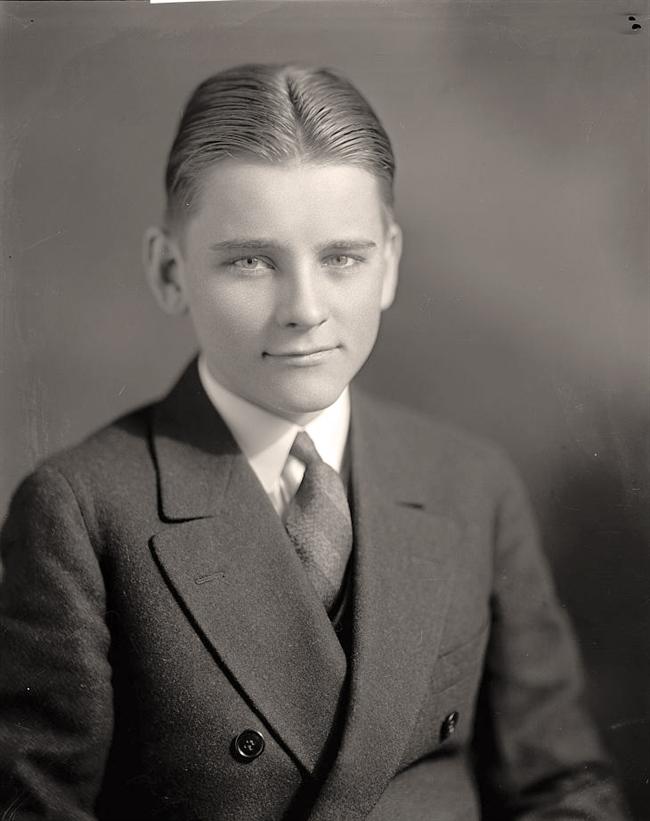
The son, at work in the tobacco fields as his father learned he had become President, was asked about his reaction to the historic promotion of his father. The son, Calvin Jr., gave an answer that underscored the quiet confidence inherited from his father and the humble perspective that both parents passed to their child. “Oh, naturally I feel quite proud,” the boy said, “but I don’t intend to allow it to interfere with my plans. Dad’s becoming President will make no changes in the family plans as far as I can see. John and I are going to return to our home in Northampton, for I think that all of the members of the family have expressed themselves from time to time that no place but Northampton could be our home. I’m sure I would rather be here than in the White House, too…This is the best kind of vacation, working on a farm,” Calvin observed, “I’d much rather do it than go to camp or the seashore. Some wonder why I work as hard as this after what has happened to Dad, but, really, how is that going to help me any? I shall have my own way to make, my own career to work out, and I wouldn’t feel right in laying down now by trying to get by on my father’s success. I really want to make good like Dad and there’s only one way to do it.”

Work.

The boy was but fifteen.

                          Image