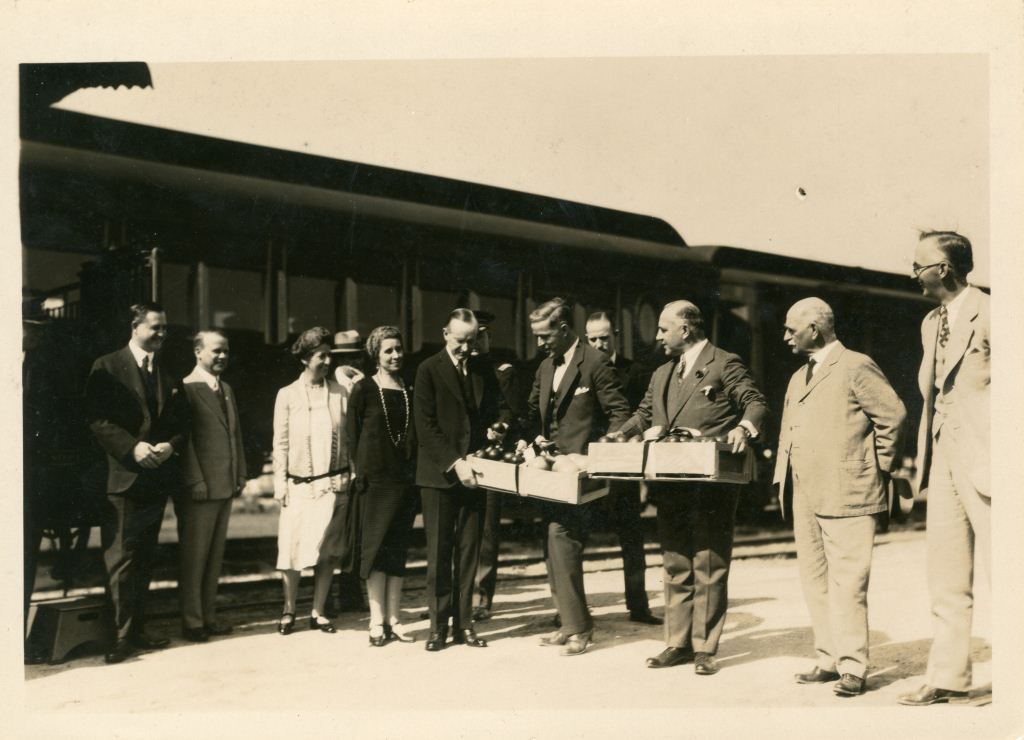
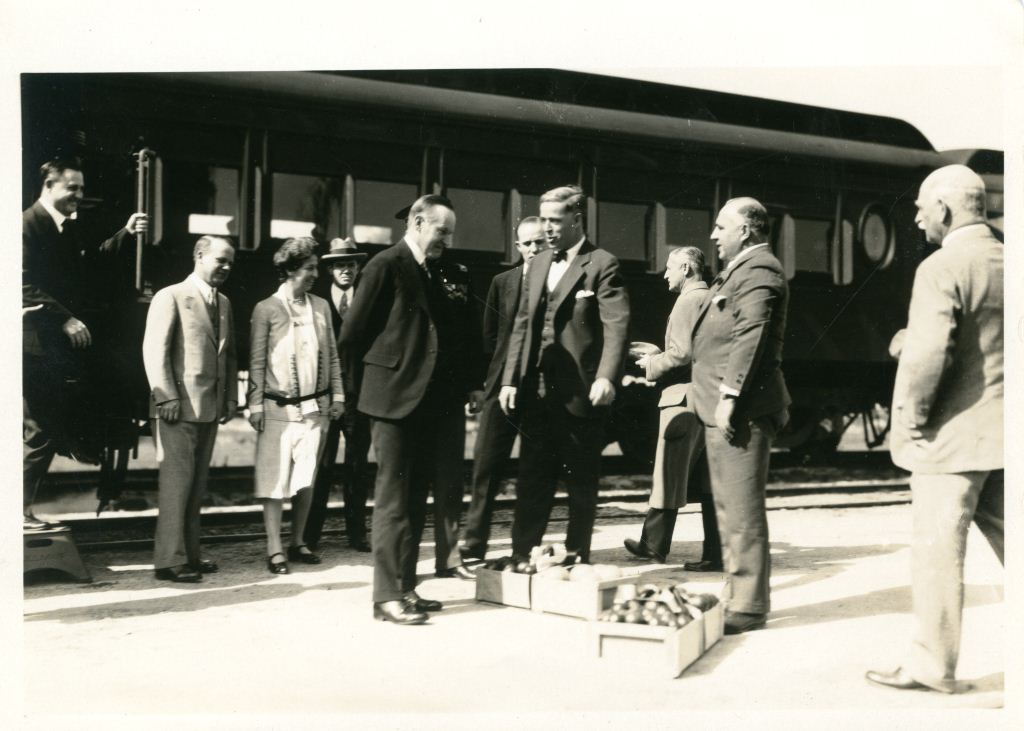
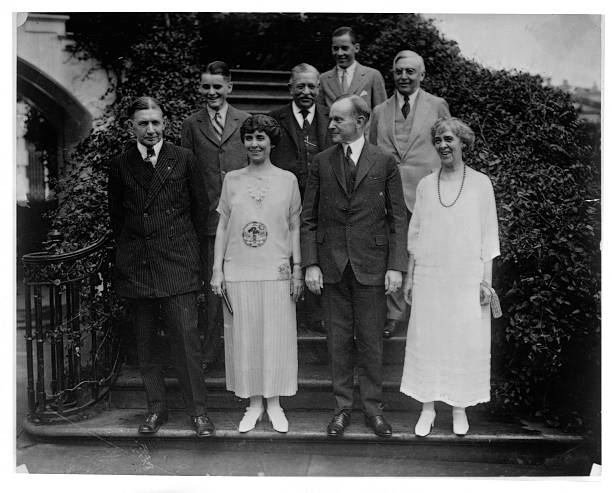
The Coolidges at Sanford being received by the officers of the Florida Citrus Growers Clearing House (Secretary A. W. Hanley; General manager J. Curtis Robinson [holding the crates of grapefruit]), joined by Sydney O. Chase (Chase & Company, citrus growers, storage & insurance), and Mrs. H. H. Williams of Boston, among others. Photo credit: Special and Area Studies Collections, University of Florida.
President Coolidge, an adept communicator and savvy manager of the press a century ago, is back to headlining the news. Roger Simmons over at the Orlando Sentinel has a piece out today on the visits of Presidents to central Florida, especially highlighting the February 1929 and January 1930 trips the Coolidges made to the Sunshine State. Mr. Simmons also contrasts the rivaling accounts between the favorable Morning Sentinel and the hostile Evening Reporter-Star of that first visit on the way to the dedication of Bok Tower in 1929. Even salient Cal still generates his partisan detractors. Political reporting is anything but a phenomenon of recent years.
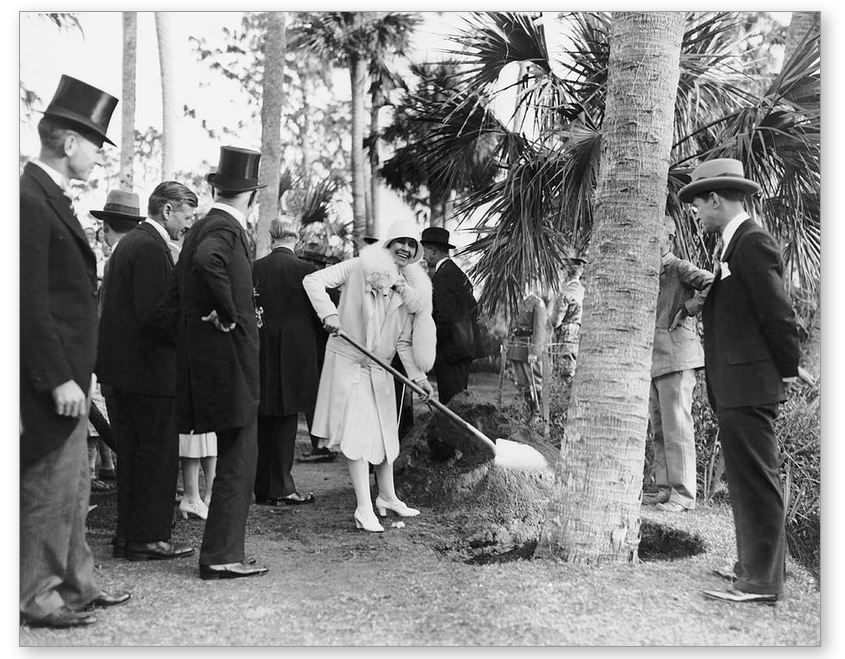
First Lady Grace Coolidge putting in one of the two palms at Bok Tower which the Presidential couple planted that day in February 1929.
Also in the news, a statue loaned to Florida through the efforts of Secretary of State Cord Byrd, chairman of the state’s 250th Commission, is set to be dedicated on Independence Day at Bok Tower in Lake Wales. It is a fitting place to host the dedication, as Bok Tower has long been a firm friend of the Coolidges. It promises to be a momentous year of commemorations, bringing Coolidge’s place in America’s 250 years welcome central stage, highlighting the fact that he not only dedicated Bok’s iconic landmark and gardens but presided over the nation during its Sesquicentennial in 1926.
Tax attorney and wealth management professional Megan Gorman, founding partner of Chequers Financial Management, has a wonderfully untapped perspective on the Presidents in her excellent book, All the Presidents Money, with a great section on Coolidge’s legacy handling his own money. Her presentation at the Truman Presidential Library today (2-3pm CST) is well worth attending, if you have secured a seat!
Moreover, another project launched by former President Bush’s More Perfect initiative is underway called In Pursuit, led by Colleen Shogan, assembling a broad range of scholars, authors, and public figures with essays and academic reexamination challenging Americans to take inventory with a purposeful “debrief” of the last two and a half centuries. The forthcoming work is offered for every American to renew commitment to the nation’s continuously developing institutional framework and a rejuvenating civic responsibility to its “enduring principles” heading into the next 250 years. Partnering with 43 Presidential Libraries and institutions, In Pursuit is working through the Semiquincentennial year of America’s experiment in self-government to approach historical study through the lens of the Presidents and First Ladies. Naturally, the Coolidge Presidential Foundation is involved in the effort. Archivist Shogan and Ms. Amity Shlaes of the Presidential Foundation will be working on the studies relating to Grace and Calvin Coolidge.
Happy Presidents’ Day this Semiquincentennial Year, Coolidge Country!
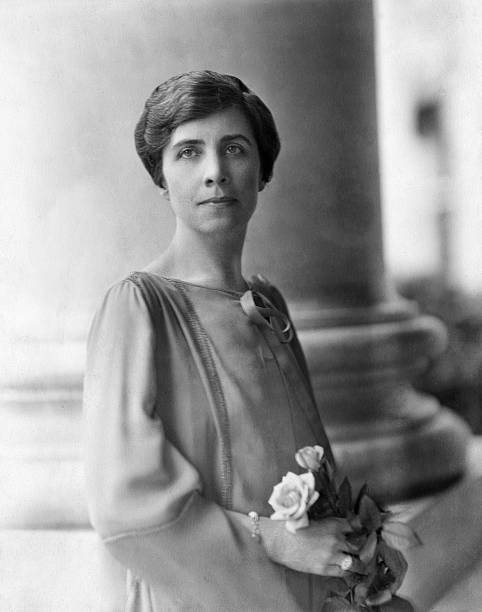
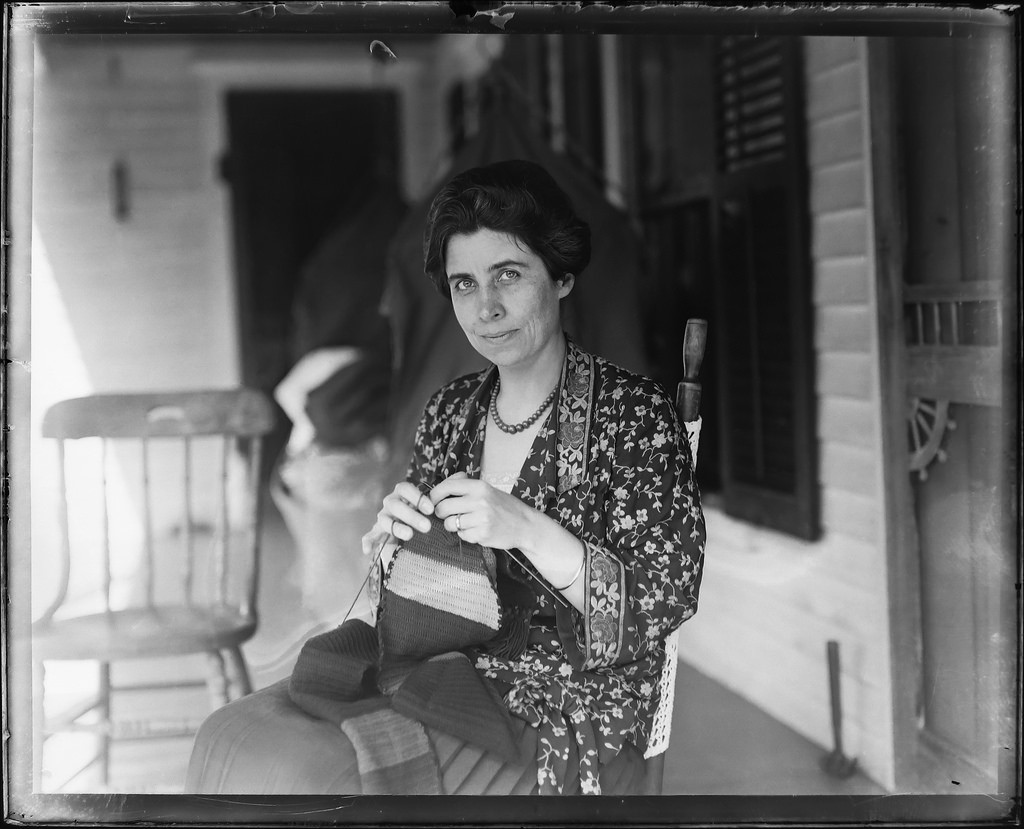
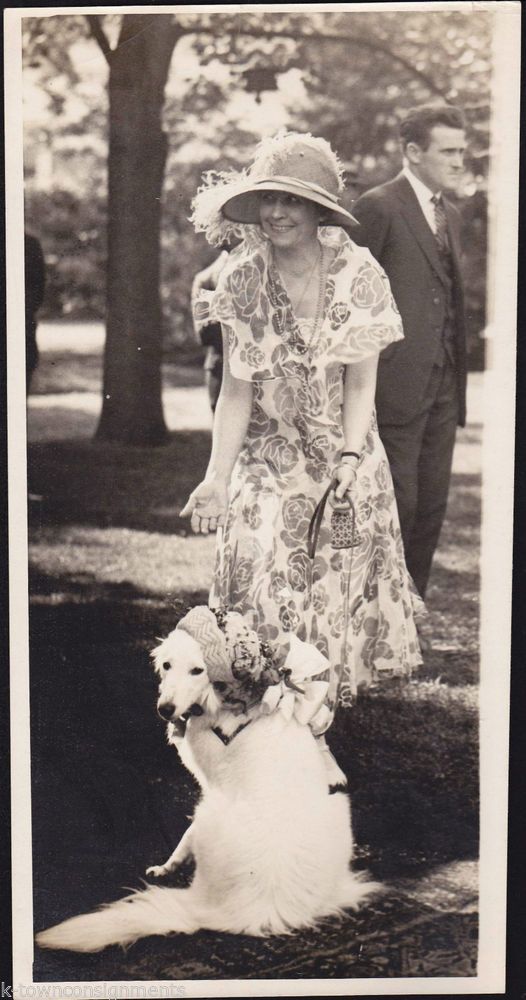
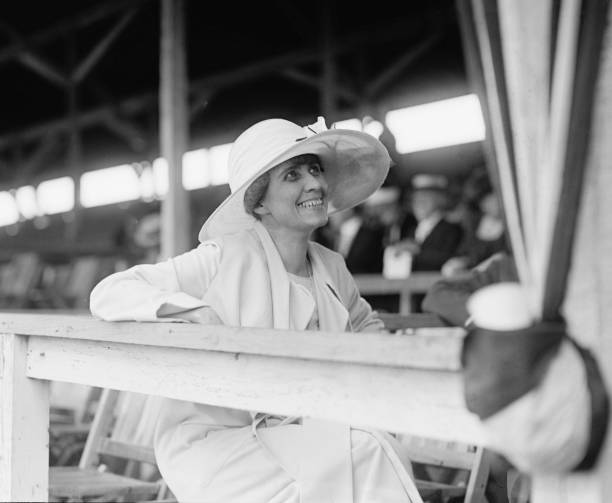
Here are twenty of our favorite Grace Coolidge moments. Which ones are your favorites? Happy Birthday, dear lady!
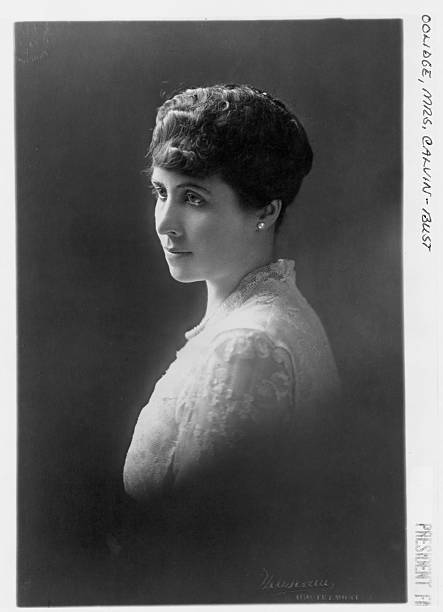
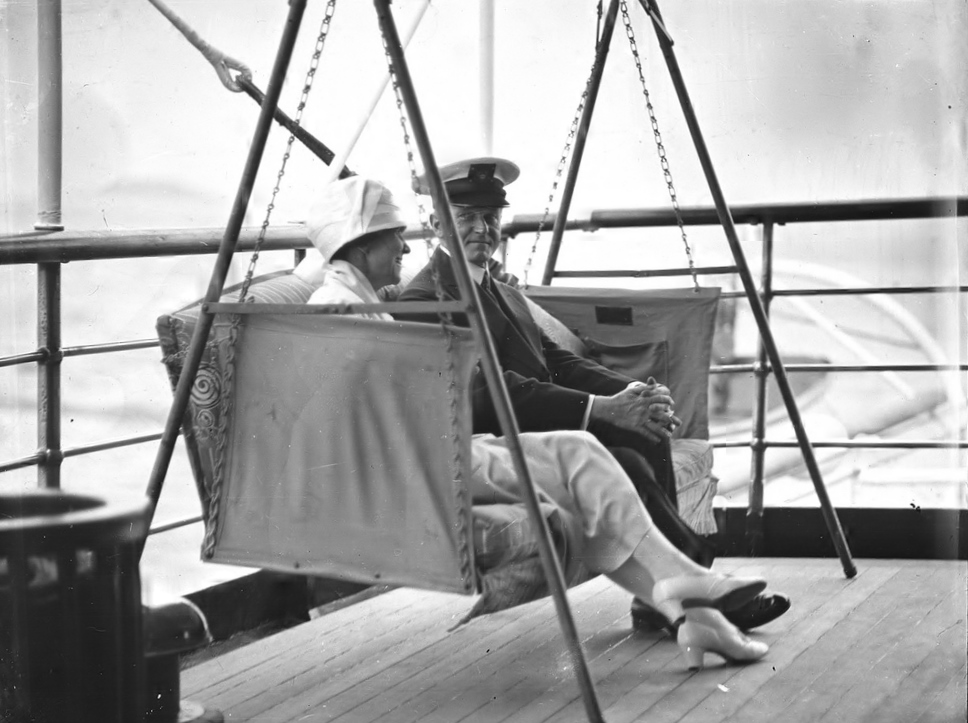
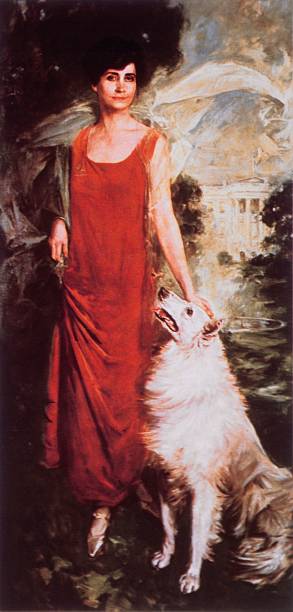
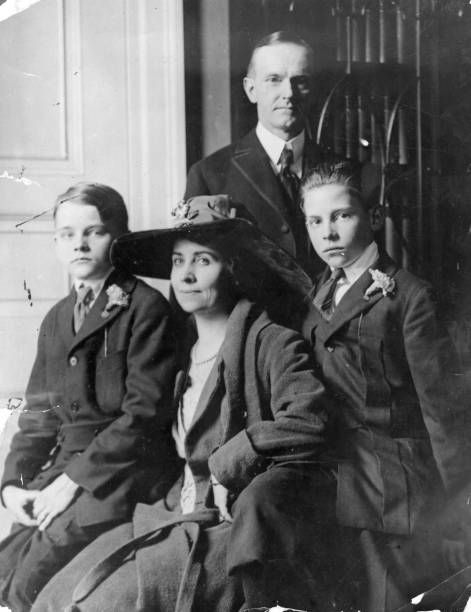
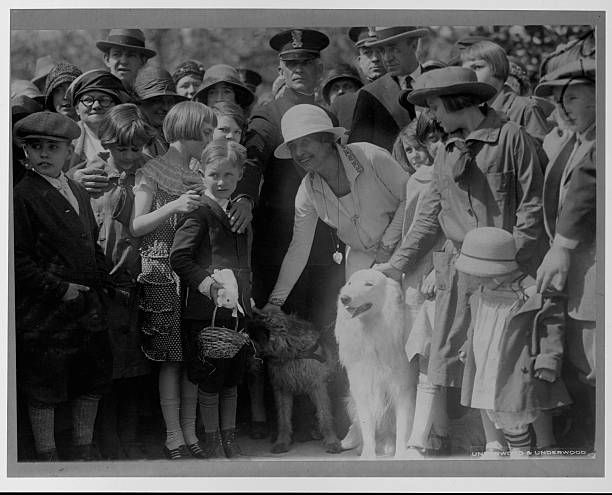
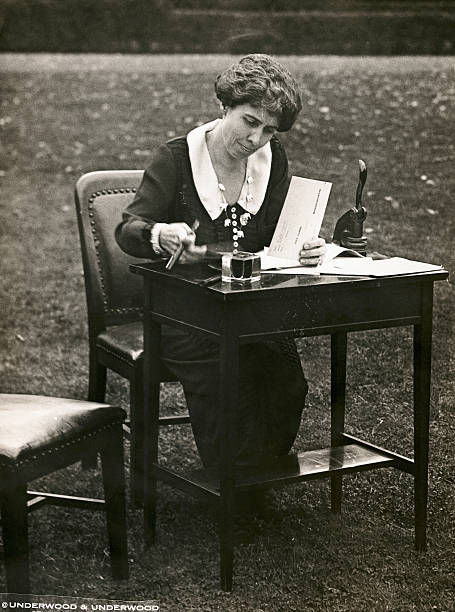
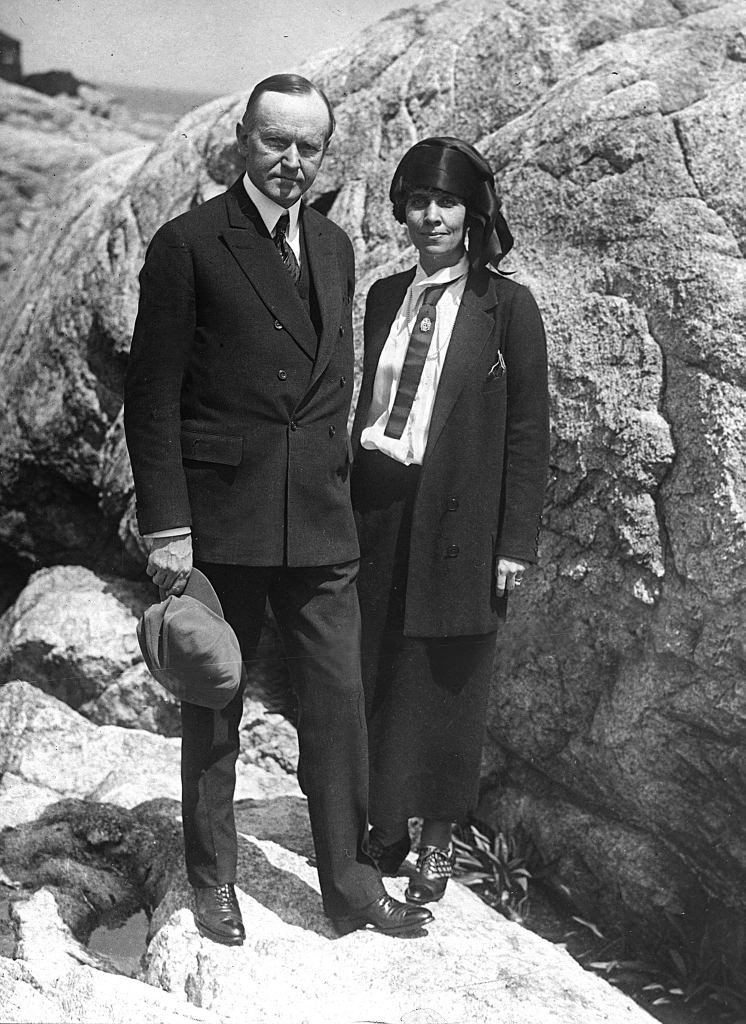
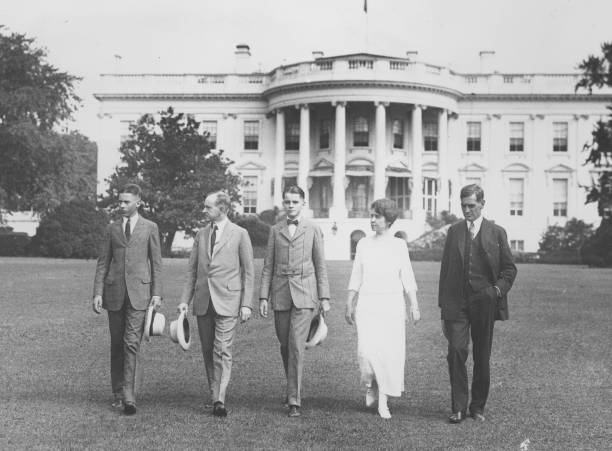
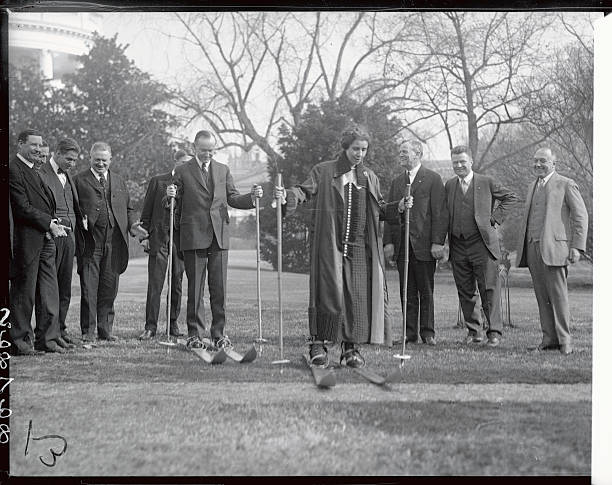
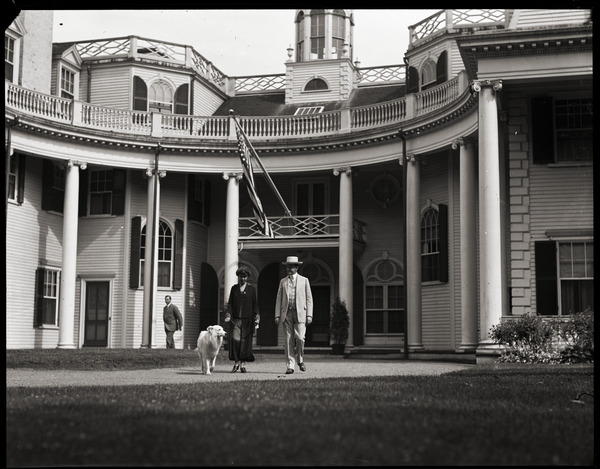
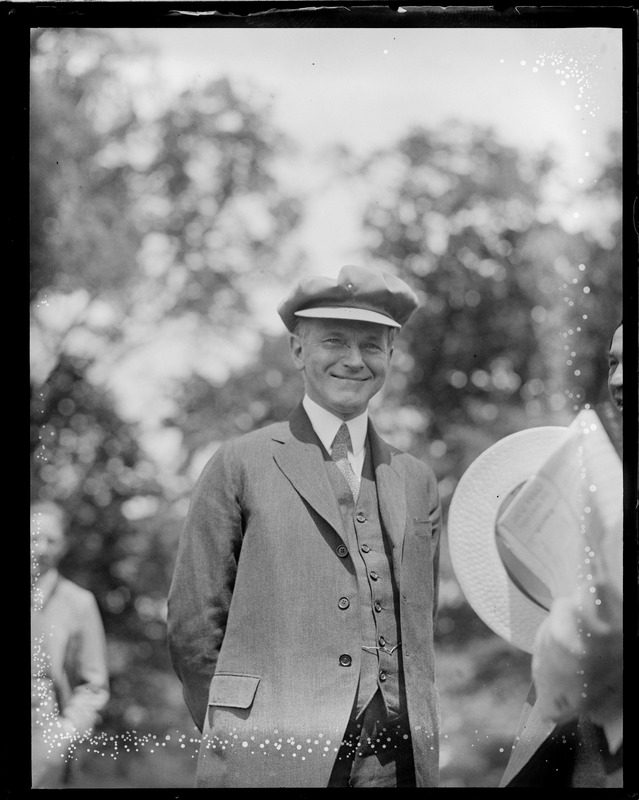
First Lady Grace Goodhue Coolidge (Photo by Library of Congress/Corbis/VCG via Getty Images)(Eingeschränkte Rechte für bestimmte redaktionelle Kunden in Deutschland. Limited rights for specific editorial clients in Germany.) *1879-1957+The portrait of the wife of the 30th President of the United States, Calvin Coolidge Vintage property of ullstein bild (Photo by Nickolas Muray/ullstein bild via Getty Images)Grace and Rebecca on the White House grounds. Photo by: Library of Congress.Grace on the Homestead porch at Plymouth Notch. Photo by: Library of Congress.President Calvin Coolidge, wearing a black armband, and First Lady Grace Goodhue Coolidge. (Photo by Library of Congress/Corbis/VCG via Getty Images)Mrs. Coolidge at one of the famous garden parties with Prudence Prim dressed for the occasion. First Lady Grace Coolidge at Horse Show, Washington DC, USA, National Photo Company, May 1925. (Photo by: Universal History Archive/Universal Images Group via Getty Images)The Coolidges aboard the Mayflower. Grace Coolidge, First Lady and Wife of U.S. President Calvin Coolidge, Official White House Portrait With Her Dog, Rob Roy, by Howard Chandler Christy, 1924. (Photo by: Universal History Archive/Universal Images Group via Getty Images)The Coolidge on the porch at Northampton. Photo by: Library of Congress.circa 1920: Calvin Coolidge (1872 – 1933), the 30th President of the United States of America (1923 – 1929). When Governor of Massachusetts in 1919 he crushed the Boston police strike. Vice President to Warren Harding he succeeded him on his death (2nd August 1923). In 1924, he won the election and America enjoyed a period of economic growth. Seen here with his wife, Grace (1879 – 1957) and his sons John and Calvin Jnr (1908-24) when Governor of Massachusetts. (Photo by New York Times Co./Getty Images)Portrait by Frank O. Salisbury, 1928.First Lady Grace Coolidge and two of her dogs with children gathered on the White House grounds for Easter egg rolling. Washington, D.C. (Photo by H.E. French/Library of Congress/Corbis/VCG via Getty Images)Mrs. Coolidge, an avid enthusiast of the handheld camera, was inducted as an honorary member of the White House Photographers Association.(Original Caption) Mrs. Coolidge, the “First Lady,” sets an example for the millions of women voters of the country, and casts her vote today, to be sent by mail to Massachusetts along with that of her distinguished husband. Note that the “First Lady” intends that her ballot be secret as she carefully shields her vote from view. (Photo by George Rinhart/Corbis via Getty Images)The Coolidges at Mount Rushmore, South Dakota, summer of 1927. John Coolidge (1906-2000), former United States President Calvin Coolidge (1872-1933), Calvin Coolidge, Jr. (1908-1924), former First Lady Grace Coolidge (1879-1957) and George Christian looking over the White House lawns, Washington, D.C., USA, circa 1930. (Photo by FPG/Getty Images)(Original Caption) President and Mrs. Coolidge try out skis presented to them by the National Ski Association.The Coolidge family and the Dawes family (Charles Dawes was Coolidge’s Vice President) on the steps at the White House. (Photo by H.E. French/Library of Congress/Corbis/VCG via Getty Images)Portrait of Mrs. Coolidge by Philip de Laszlo, 1926.
Thirteen-year-old Harry Blaney had been working on a gift for the President and First Lady, staying that summer (the Coolidges’ first since losing their youngest boy to septicemia the previous July) at “White Court” in Swampscott, the large oceanfront house just six miles away. Blaney, whose family lived in Lynn, was the oldest boy of three, and the second oldest of Harry Sr. and Lillian Blaney. His father’s company, the Preble Toe Box Factory, made imitation leather toe boxes, the ‘box’ accommodating the space needed for toes in closed-toe shoes. The Blaney family worked hard, and young Harry aspired to follow in the family trade. On Thursday, July 2, 1925, just ahead of the President’s birthday weekend, Harry’s project was completed. He would be brave and deliver it himself. Harry had carved a wooden figure of the President, Mrs. Coolidge, and their dog, Rob Roy. His best chance to deliver his gift directly required that Harry leave the family residence on Groveland Street in Lynn bright and early in the morning to reach Littles Point in Swampscott, before the President began his workday. It might be seen as a presumptuous imposition but what young Harry had to give was important and worth crossing what perhaps was the smallest distance he had ever been (or perhaps ever would be) from a President. Moreover, as he recalled, the President had lost a son just a little older than himself. Harry would go right up to the gates of the residence and wait if had to, confident that someone would appear to accept his gift. He did not have to wait. He met the President out in the neighborhood still on his early morning walk. Mr. Coolidge stopped and spoke with the boy for a few moments but then Harry realized the ideal moment to proffer what he had brought was slipping away. He thrust out the wooden figure and relayed his regards. The President, always affected by sincere gestures of kindness and generosity from boys like Harry, thanked the young man for so kind a sentiment, and they parted.
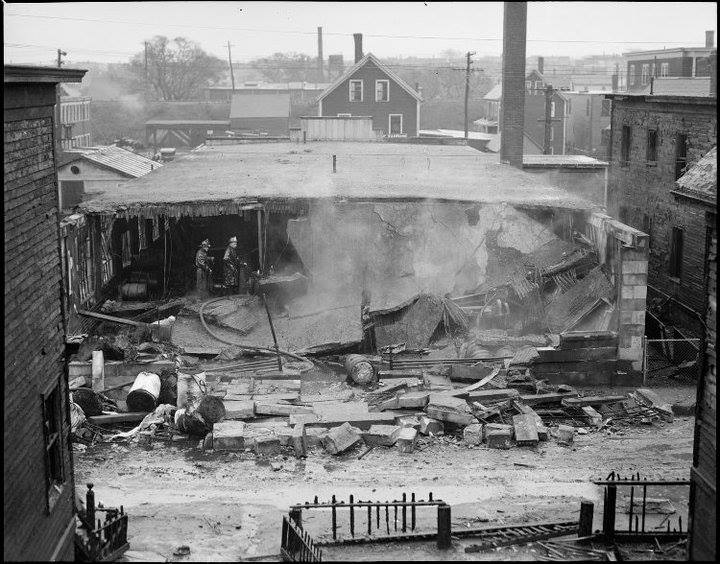
Photo credit: Leslie Jones Collection.
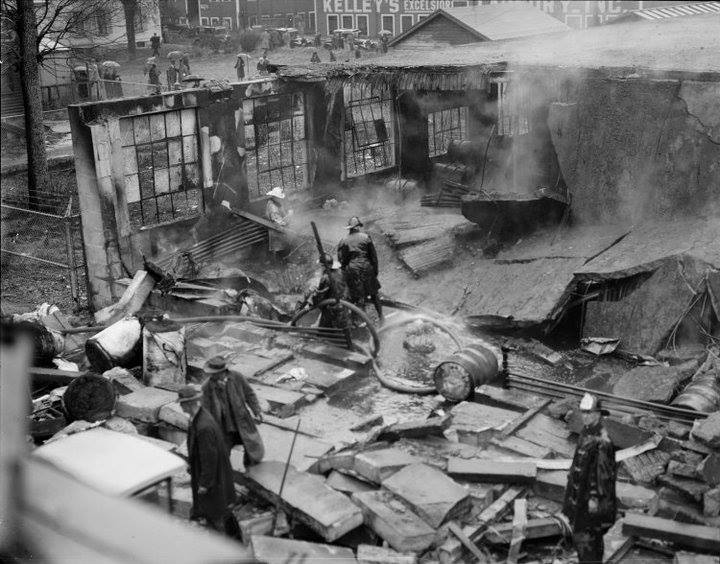
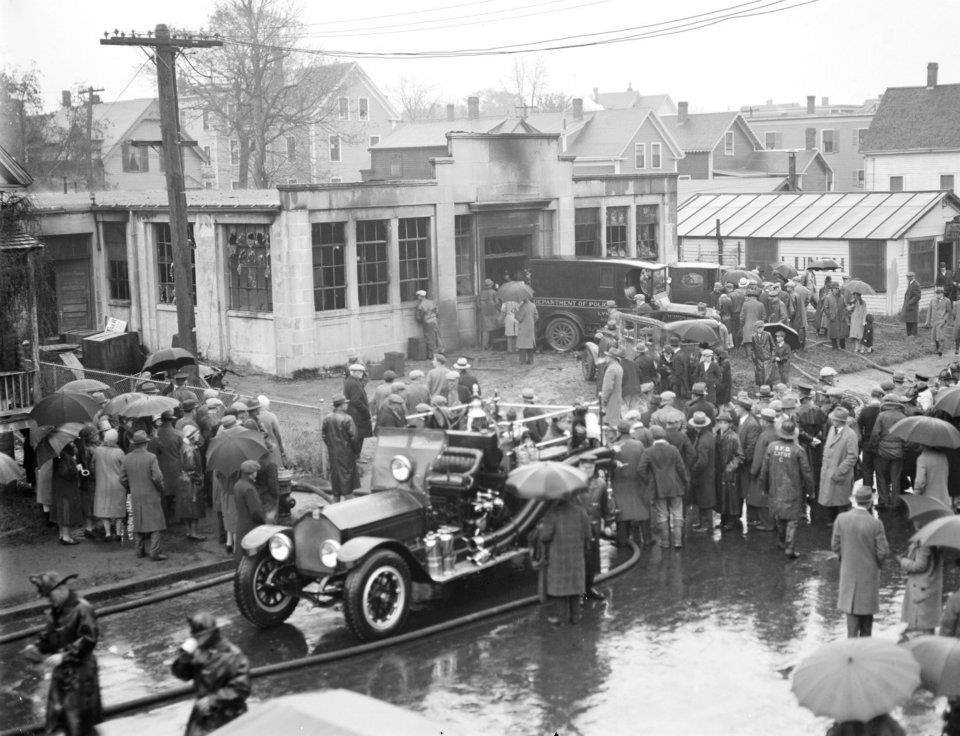
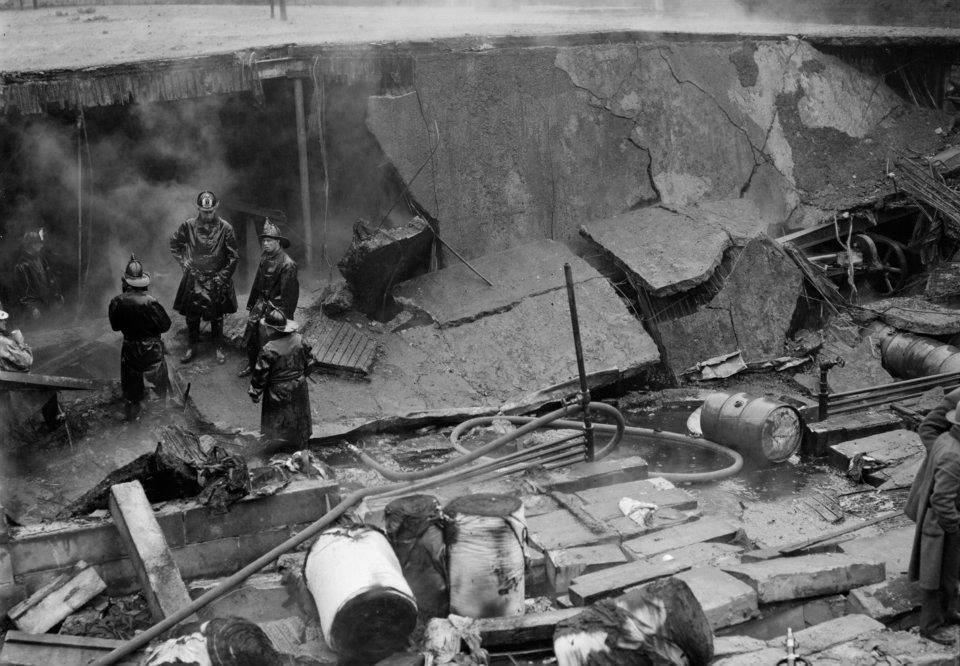
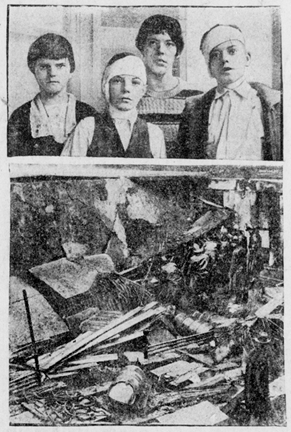
It was another early morning, this time in November, four years later, that now seventeen-year-old Harry prepared to sit down to breakfast with his entire family one last time. The first blast followed swiftly by a second which engulfed the house in flames, set five other homes ablaze, threw employees out windows and doors or through the foot-thick concrete block walls of the factory. The explosion threw the various members of the household in all directions in a tower of fire. Employees were incinerated, blown to pieces, or otherwise suffocated. Others later died of burn injuries in the hospital. The fire departments of all surrounding neighborhoods rushed to the site, finding the scene a roaring, glass-strewn horror. The heroic actions of the fire departments to rescue the trapped, extinguish the flames, and extricate burn victims that day must be combined with the legendary work done by the medical teams at Lynn’s Hospital. Still, it was part of the entire community’s heroism. Some were rescued by quick-thinking bystanders who tore burning clothes from frantic victims fleeing the scene. Others by the twelve-year-old boy who triggered the first alarms by standing atop another’s shoulders. Even a makeshift triage center was set up by a neighbor across the street. Heroic sacrifice mingled with astounding grief. Harry’s mother and five of his siblings, including his six-month old sister, were caught by the blaze in the collapsing rubble, dying almost instantly. Their father, horribly burned, succumbed to his wounds in the hospital ten days after the funeral for their family. Even Harry and his brother Norm, violently thrown by the blast, had serious but non-life-threatening injuries. Twenty-one died as a result of the disaster. Only Harry and Norm, with sisters Lillian and Ella, remained from the Blaney family. In the investigation and inquest that followed authorities traced the origin of the disaster to an ignition of the factory’s highly flammable celluloid (used in the processing of the imitation leather fabricated for toe boxes). The indictments and court proceedings that unfolded afterward initiated fire prevention and zoning regulations for towns like Lynn. Smaller towns and cities permanently separated residential from commercial properties and stipulated long-overdue precautions respecting the storage and handling of combustible materials like celluloid.
Photo credit: Swampscott Fire Fighters Union Local 1459.Photo credit: Swampscott Fire Fighters Union Local 1459.Photo credit: Swampscott Fire Fighters Union Local 1459.Photo credit: Swampscott Fire Fighters Union Local 1459.The surviving Blaney children: Lillian, Harry, Ella, and Norman. Photo credit: The [New York] Daily Worker, November 10, 1928.
A mere five days after the explosion, on November 13, 1928, a letter expressing profound sorrow found its way to young Harry from the President of the United States. Coolidge had not forgotten him or his sentiments that Independence Day week four years prior. “I hope you may find some consolation to relieve the heavy burden of sorrow that has come to you,” the President wrote Harry, “My deep sympathy goes out to you and the members of your family who have survived the shocking tragedy.” Young Harry did survive and found redemption out of the unspeakable loss. The gifts he (and his community) gave, beginning with one to a President a century ago, continue as reminders, however, that we recall greatness not in the act of receiving but in the act of giving. That is what makes the two hundred forty-ninth year since 1776 and one-hundred-fifty-third birthday of Coolidge so meaningful to us. They impart the reminder that redemption through loss remains. Moreover, they connect the gifts bestowed by the Declaration’s Signers with those of a young boy named Harry one hundred years ago.







 The Importance of the Obvious