

Gifted with a post-presidential legacy of service few have so abundantly enjoyed, former President Jimmy Carter was born a month prior to the Presidential Election that kept Calvin Coolidge in office for four more years. The connections do not end there, however. Both Governors and Washington outsiders, Carter and Coolidge had the opportunity to write memoirs with profoundly touching reminiscences. Carter’s “An Hour Before Daylight: Memories of a Rural Boyhood” shares some of the most poignant and well-written prose of any President looking back on his life. “My most persistent impression as a farm boy was of the earth. There was a closeness, almost an immersion, in the sand, loam, and red clay that seemed natural, and constant,” Carter recalled. “Country life does not always have breadth, but it has depth. It is neither artificial nor superficial, but is kept close to the realities,” Coolidge observed.
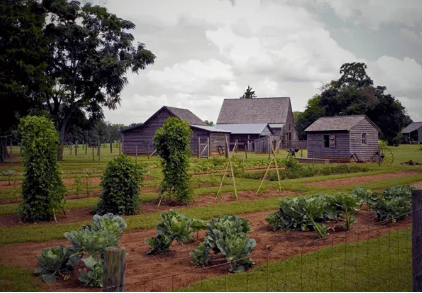


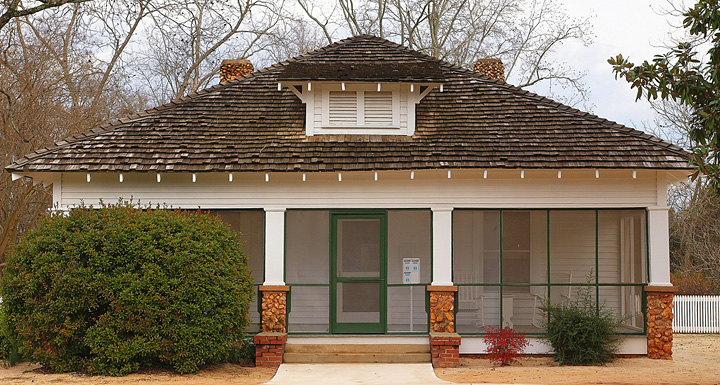
“It is obvious that our ties to Plains are strong,” Carter noted. Having dedicated this autobiography to grandson Hugo, Carter recorded his thoughts “with hopes that this book might someday let him better comprehend the lives of his ancestors.” Reinforcing that purpose, Carter wrote, “We still take our grandchildren and some guests to the family cemeteries, one north and the other south of the town, where our great-great-grandfathers, all born in the 1700s, settled, farmed the land, and were buries with their wives and progeny…Plains is where I’ve seen the members of my family laid to rest, and where we expect to be buried.” Coolidge’s sentiments of his own small-town beginnings bear marked resemblance, “When settlers began to come in around the time of the Revolution, the grandfather of my grandfather, Captain John Coolidge, located a farm near the height of land westward from the river…where he settled in about 1780…They were a hardy self-contained people. Most of them are gone now and their old homesteads are reverting to the wilderness. They went forth to conquer where the trees were thicker, the fields larger, and the problems more difficult…It was into this community that I was born on the 4th day of July, 1872.”

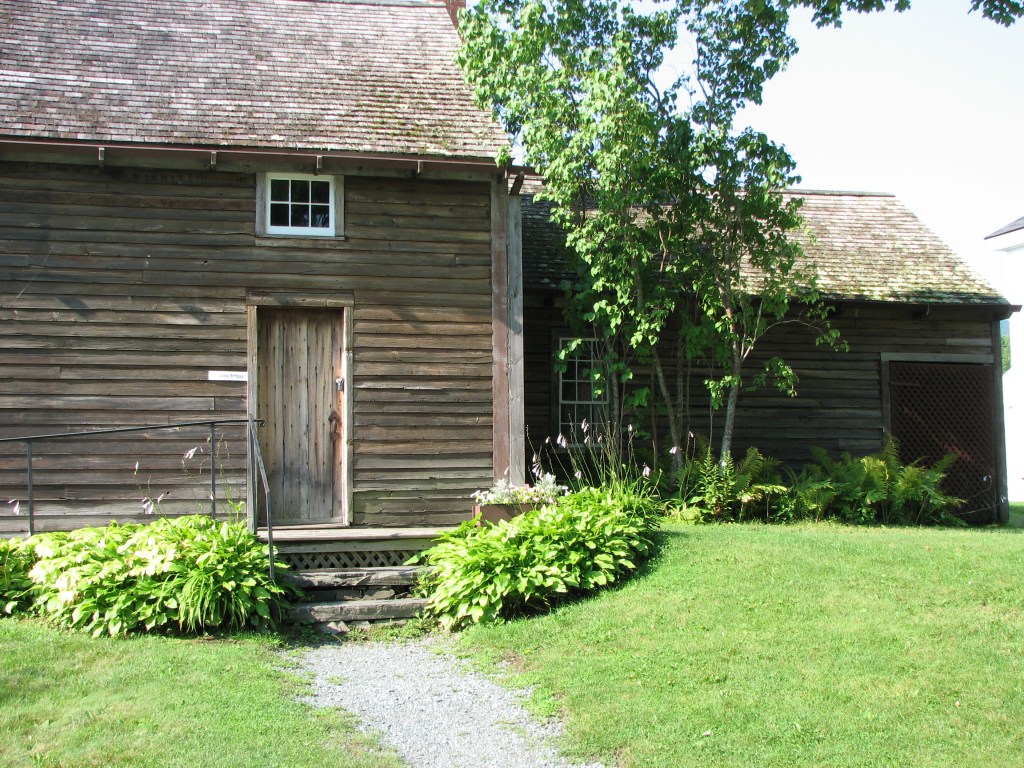
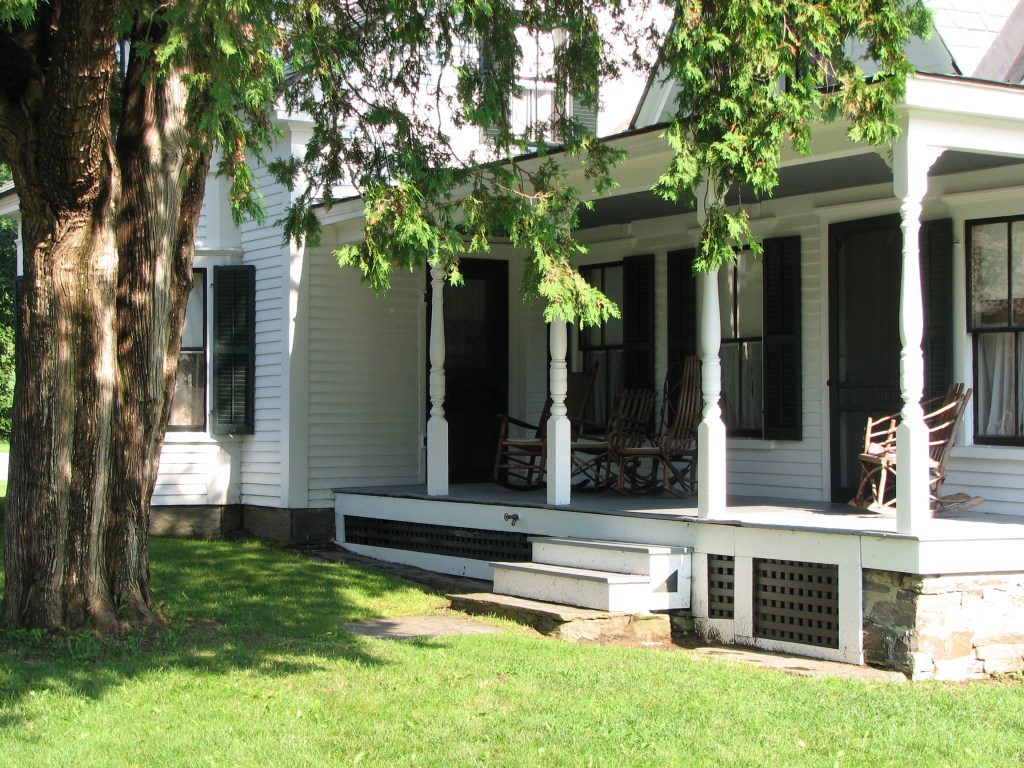
Carter, like Coolidge, found restoration and renewal in his community. “I found that the love I had for the hills where I was born,” Coolidge once said, “touched a responsive chord in the heart of the whole nation.” Carter echoed, “There is a sense of permanence in Plains, of unchanging values and lasting human relationships, and the town has been a haven for us during times of political or financial crisis. Having visited almost 120 foreign countries and ‘seen the sights,’ we find the quiet attractions of Plains stronger with our increasing age, so that, no matter where we are in the world, we soon begin wishing we were back home.” Remembering the loss of his mother (and, no doubt, his own youngest son), Calvin reflected, “They all rest together on the sheltered hillside among five generations of the Coolidge family.”
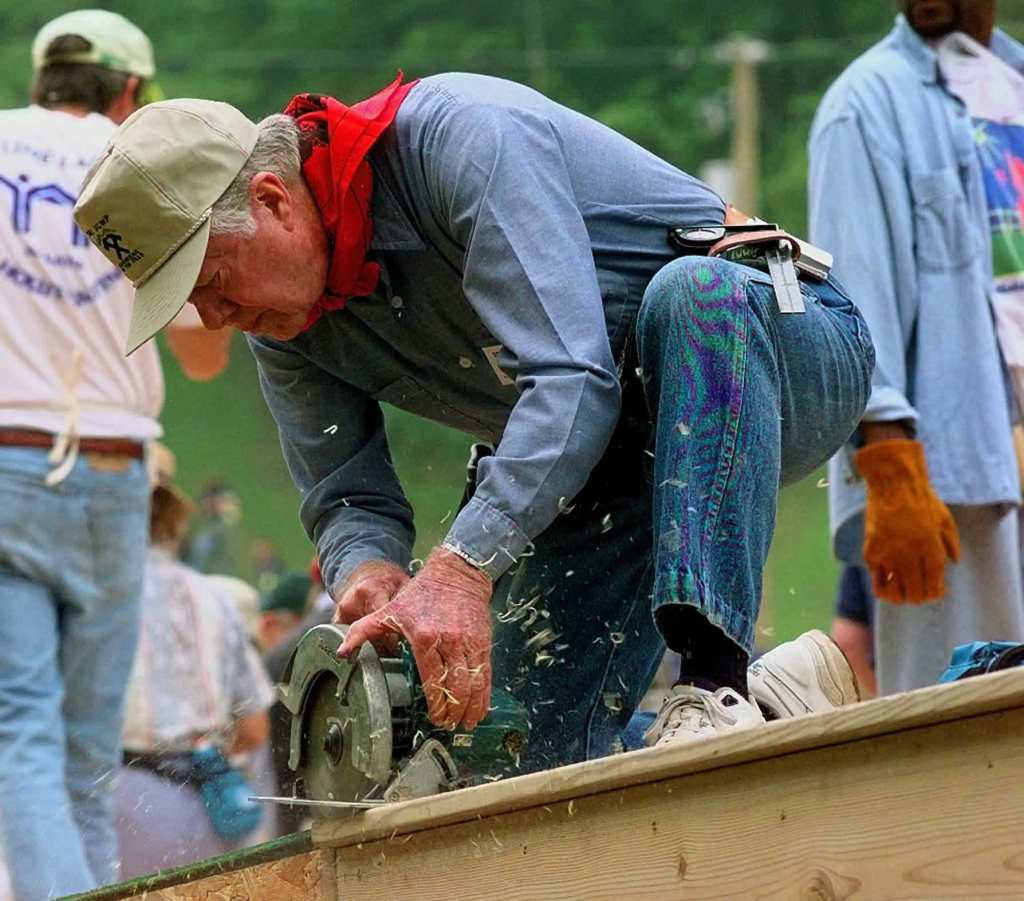
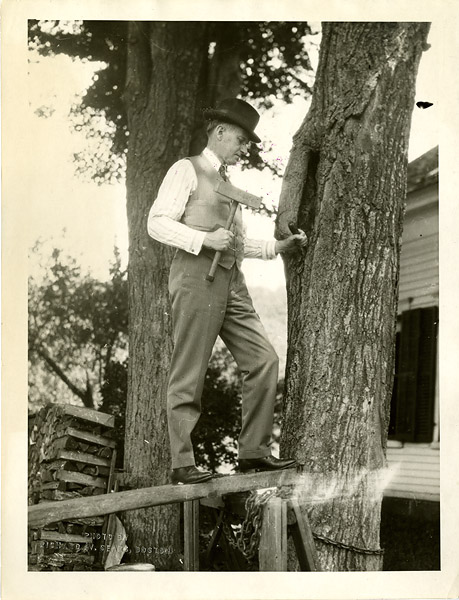
Perhaps the greatest legacy both share is expressed in the words Coolidge relayed on Presidential retirement, “We draw our Presidents from the people. It is a wholesome thing for them to return to the people. I came from them. I wish to be one of the again. Although all our Presidents have had back of them a good heritage of blood, very few have been born to the purple…They have only the same title of nobility that belongs to all our citizens, which is the one based on achievement and character, so they need not assume superiority. It is becoming for them to engage in some dignified employment where they can be of service as others are. Our country does not believe in idleness. It honors hard work.” Few greater embodiments of that claim to nobility, dignified employment, and work of service surpass that of Jimmy Carter. Coolidge and Carter can now both share in that restful return home.
 The Importance of the Obvious