On “Some of the Teachings of History”

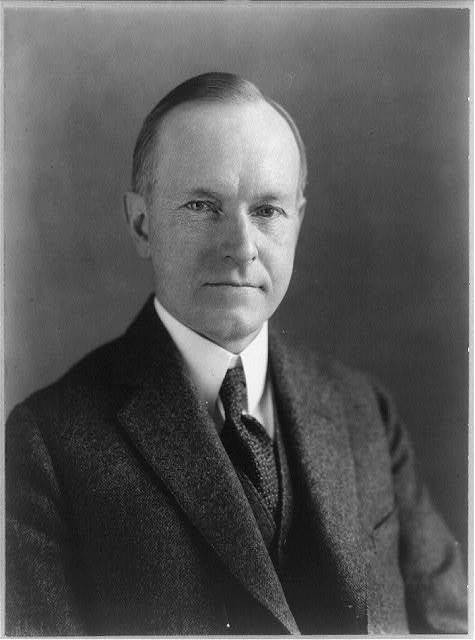
CC in 1924

“History is to be studied and applied not for the purpose of advocating reaction. It is not the accurately informed who continually appeal to the good old times to the disparagement of the present. That is characteristic of those who substitute fable and hazy tradition for fact and reliable record. True history which includes all the records of the past, however obtained and wherever recorded, whether made upon the surface of the earth by the ceaseless shifting of air and water, or transmitted by written signs on tablet and parchment, or through oral repetition handed down from sire to son, or that most indelible of records the accumulated experience of generation after generation moulded into the brain of man, while ever a conservative force, yet holds the only warrant for real progress. It is ignorance of its teachings, which leads men of good intentions to advocate either reaction or revolution, and a knowledge of its forces, which aids men to promote the public welfare. In judging of the strength of a state it is necessary to know what has gone before, what point of development has been reached by the people of that state, and whether their present plan of society is justified by their past experience…

“Liberty is not bestowed, it is an achievement but it comes to no people who have not passed through the successive stages which always precede it. It is very far from a state of nature. It is not light and easy thing to secure or to maintain, but difficult of accomplishment and hard to bear. While there are no conditions under which it is better to be a slave than to be free there are many conditions under which it is infinitely easier to be a slave than to be free and for the sake of their ease there are those who have chosen to relinquish much of liberty rather than bear the responsibilities of the free…

“Coincident with the political development of mankind has gone along the forces of philosophy and of religion, revealing to the race the meaning of nature, of man, of his relation to his creator and to his fellow man. Not enough credit is attributed to these forces in the development of government, society, and civilization. It was by comprehending the natural forces of the universe that man saw he had in them a right of property and set them to be his servants. It was through a realization of the fatherhood of the Almighty that came a knowledge of the brotherhood of man, of his innate nobility, of equality, of his right to be free…

“Human institutions are prone to change but there are certain great principles that do not change. I have hastily sketched the development of the forms of government. That which is based on the rule of the people through a republic in principle is the ultimate. There is no beyond, there is only reaction. To that point we have arrived…

“This is by no means the equivalent of saying that further effort is no longer necessary. Perfection requires not less effort but more. Great privileges means great responsibilities. Truly freedom is not easy but hard for the people to endure. There is always the force of evil without and within. It is difficult to say that any great nation perished by reason of an attack by forces from without. Disintegration begins within…The great question of the preservation of our institutions is a moral question. Shall we use our power for self-aggrandizement or for service? It has been lack of moral fibre which has been the downfall of the peoples of the past. There came a time when they were sunk in indulgence and no longer strove for achievement. But there has been revealed to us the nobility of man, not formerly so well understood, which has taught us to appeal not to his selfishness but to his sense of duty. A nobility which reaches from the highest to the lowest and justifies our firm faith in the abiding convictions of the people…

‘ O Heart be strong!

   Be valiant to do battle for the right,

    Hold high truth’s stainless flag,

                walk in the light,

    And bow not weakly to the rule of wrong.’ ”


Vice President Calvin Coolidge, addressing the Vermont Historical Society, Hall of Representatives in the Capitol, Montpelier, Vermont, January 18, 1921 (emphasis added).

“Calvin Coolidge” by Jerry Wallace

Here is an awesome half-hour presentation of the life and landmark accomplishments of Calvin Coolidge by superb scholar Jerry Wallace to the Wichita Pachyderm Club. His irreplaceable volume Calvin Coolidge: Our First Radio President has contributed so much toward shattering the myth that Cal was too inept and silent to make use of the new medium of radio. In fact, Mr. Wallace explains that far from being a failure, Calvin Coolidge bequeaths an historic legacy as not only a masterful communicator but effectual doer and successful President. This is well worth the listen!

The Coolidge Women

SS_President_Coolidge_Launching__Newport_News_Virginia (3)

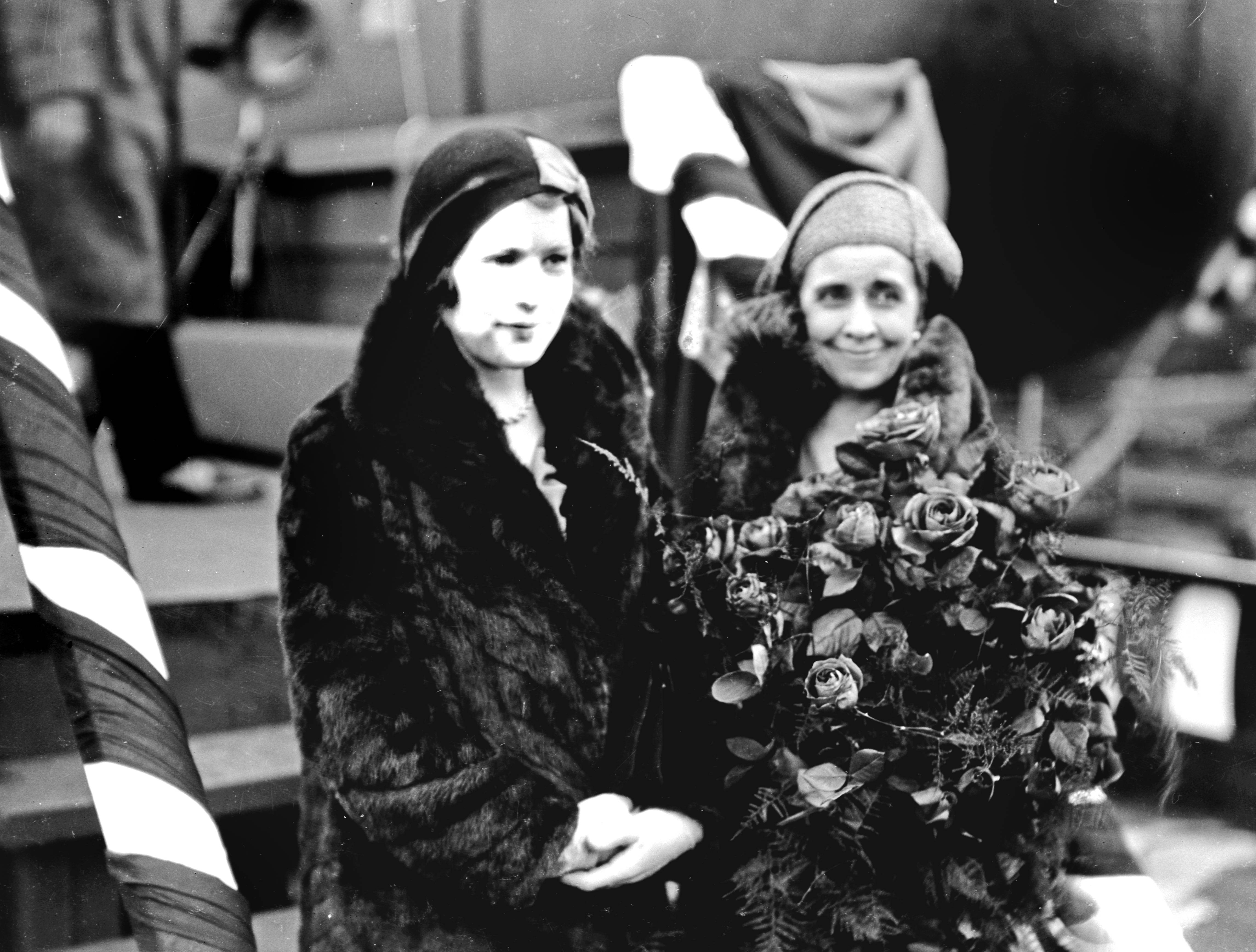
Florence (upper left) and Grace Coolidge (lower right) join others at the christening of the liner SS President Coolidge, February 21, 1931. The vessel’s sister ship, the SS President Hoover, had been christened the previous December by First Lady Lou Hoover. Standing beside her hull, Grace christened the ship with a bottle of water from one of the springs near the Homestead in Plymouth. These two merchant ships were the largest built up to that time, each 645 feet in length, with gross tonnage of 21,936.

Both Mrs. Coolidge and Mrs. Coolidge stand for their picture at the dock in Newport News, Virginia.

Both Mrs. Coolidge and Mrs. Coolidge stand for their picture at the dock in Newport News, Virginia. Thanks go to Norfolk Public Library for the use of these pictures from the 1931 christening.

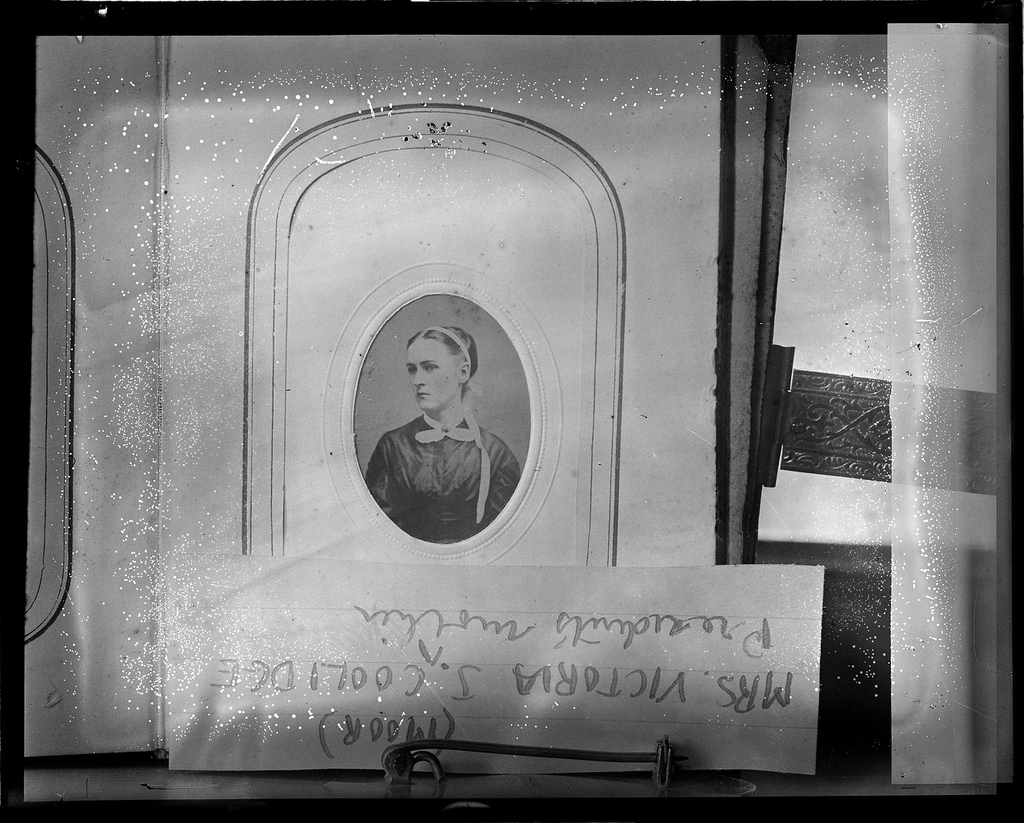
The President's mother, Victoria Josephine Moor Coolidge. Of her, Calvin once wrote: "Whatever was grand and beautiful in form and color attracted her. It seemed as though the rich green tints of the foliage and the blossoms of the flowers came for her in the springtime, and in the autumn it was for her that the mountain sides were struck with crimson and gold." She died at age 39, when Calvin was 12 years old.

The President’s mother, Victoria Josephine Moor Coolidge. Of her, Calvin once wrote: “Whatever was grand and beautiful in form and color attracted her. It seemed as though the rich green tints of the foliage and the blossoms of the flowers came for her in the springtime, and in the autumn it was for her that the mountain sides were struck with crimson and gold.” She died at age 39, when Calvin was 12 years old.

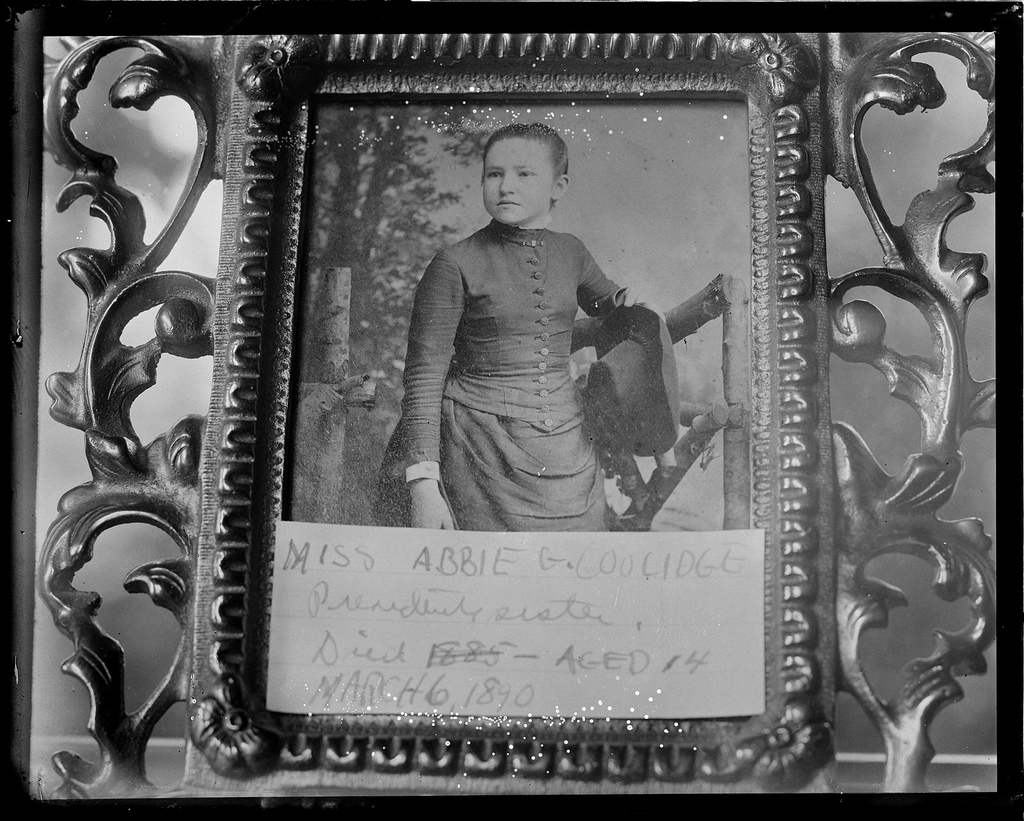
The President's sister, Abigail Gratia Coolidge, three years his junior. Of her Calvin wrote: "The memory of the charm of her presence and her dignified devotion to the right will always abide with me."

The President’s sister, Abigail Gratia Coolidge, three years his junior. Of her Calvin wrote: “The memory of the charm of her presence and her dignified devotion to the right will always abide with me.” She died at age 14 of appendicitis.

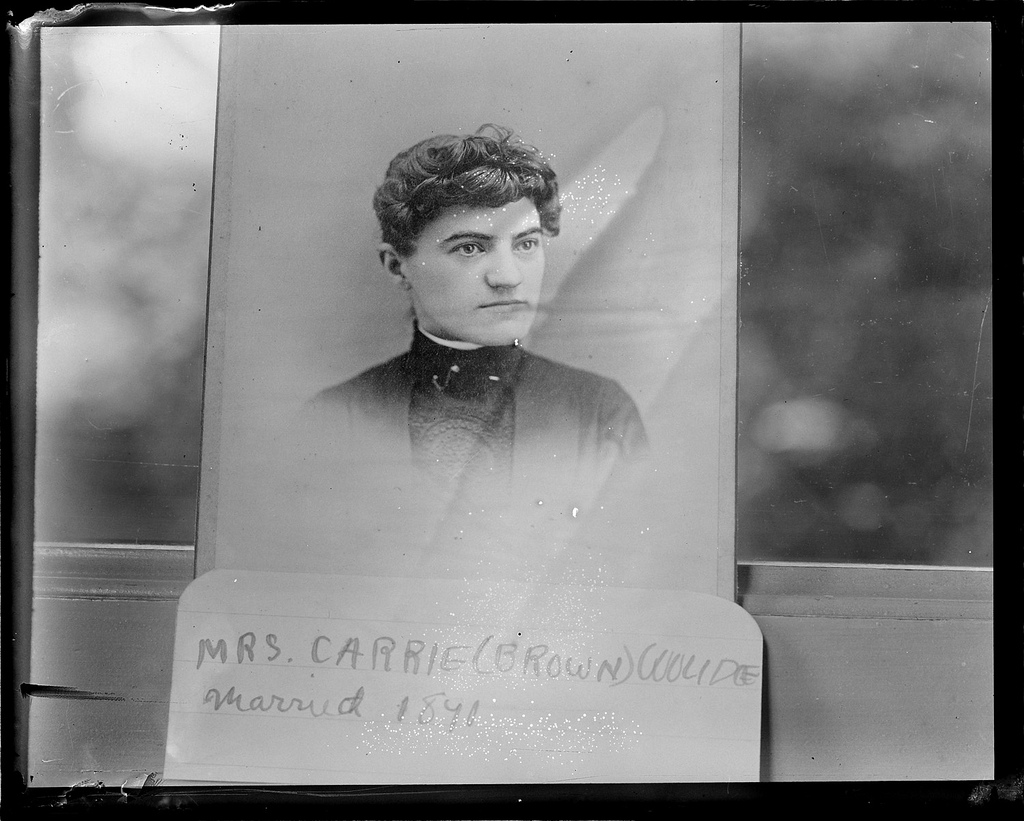
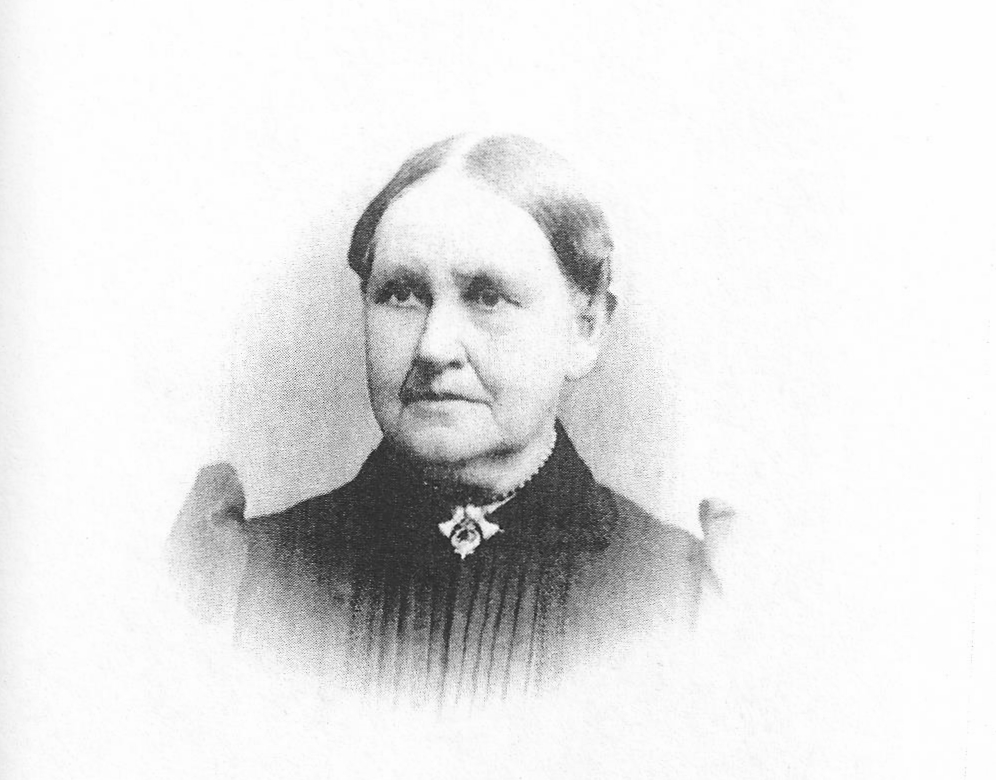
The President's stepmother, Carrie A. Brown Coolidge, married his father, the Colonel in September 1891. She had been an active participant in the life of Plymouth for many years. Loving him as her own son, Calvin's stepmother would be another great influence for good in his life at a crucial time. Of her he once said, "For thirty years she watched over me and loved me, welcoming me when I went home, writing me often when I was away, and encouraging me in all my efforts." She passed away in 1920 just before his election to the Vice-Presidency.

The President’s stepmother, Carrie A. Brown Coolidge, married his father, the Colonel in September 1891. She had been and would continue to be an active participant in the life of Plymouth for many years as a teacher and postmaster. Loving him as her own son, Calvin’s stepmother would be another great influence for good in his life at a crucial time. Of her he once said, “For thirty years she watched over me and loved me, welcoming me when I went home, writing me often when I was away, and encouraging me in all my efforts.” She passed away in 1920 just before his election to the Vice-Presidency.

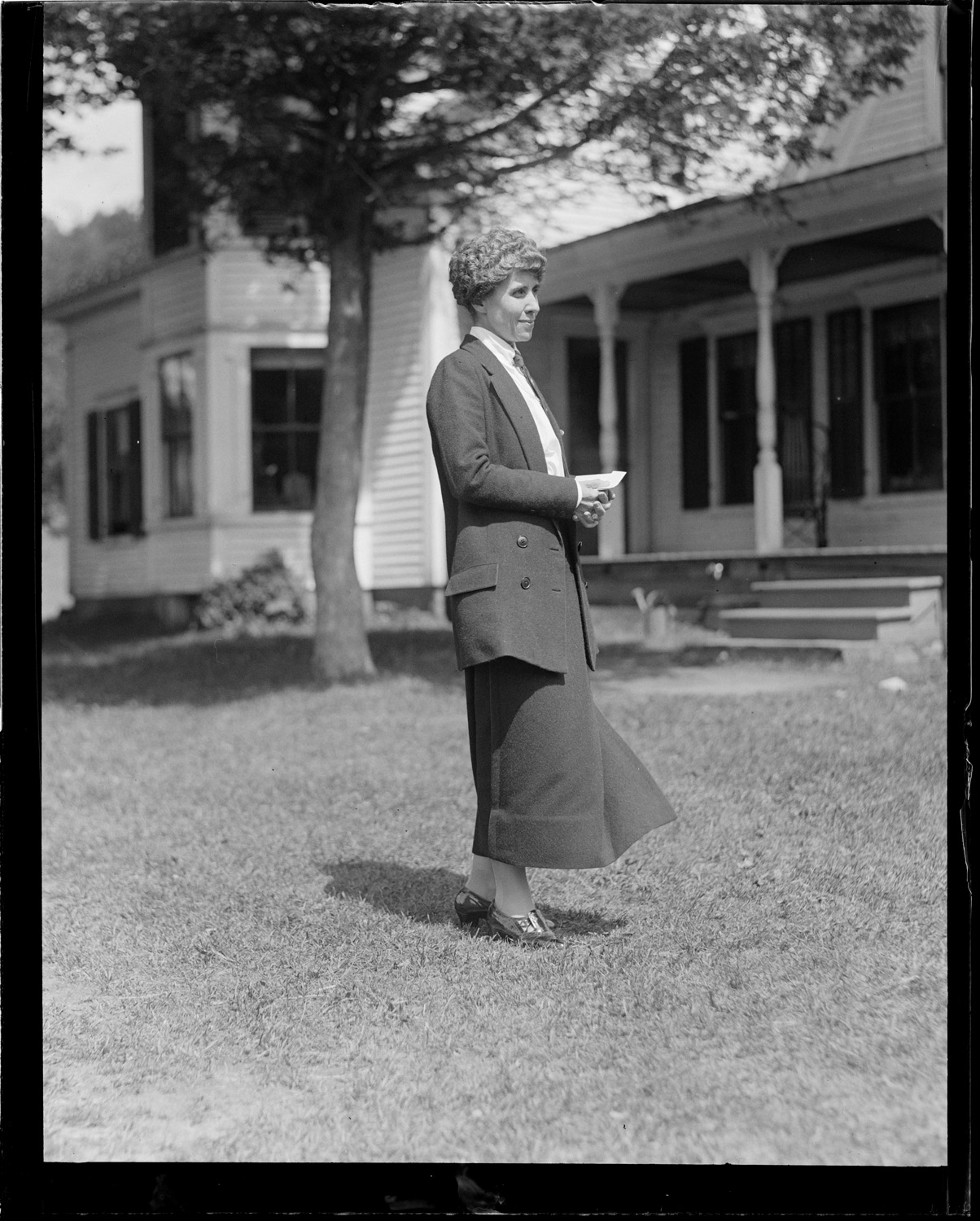
The President's maternal aunt, Gratia E. Moor, while technically not a Coolidge was his mother Victoria's older sister. Here he and Grace enjoy time with her during a visit to Plymouth.

The President’s maternal aunt, Gratia E. Moor, while technically not a Coolidge (by surname), she was his mother Victoria’s older sister. Here he and Grace enjoy time with her during a visit to Plymouth.

The President's paternal grandmother, Sarah Almeda Brewer Coolidge, known as "Aunt Mede," also left a deep impression on Calvin's life. The wife of Calvin Galusha Coolidge, she lived to see her grandson meet and marry Grace. Of "Aunt Mede" he recalled, "She was a constant reader of the Bible and a devoted member of the church, who daily sought for divine guidance in prayer. I stayed with her at the farm much of the time and she had much to do with shaping the thought of my early years. She had a benign influence over all who came in contact with her. The Puritan severity of her convictions was tempered by the sweetness of a womanly charity. There were none whom she ever knew that had not in some way benefited by her kindness."

The President’s paternal grandmother, Sarah Almeda Brewer Coolidge, known as “Aunt Mede,” also left a deep impression on Calvin’s life. The wife of Calvin Galusha Coolidge, she lived to see her grandson meet and marry Grace. Of “Aunt Mede” he recalled, “She was a constant reader of the Bible and a devoted member of the church, who daily sought for divine guidance in prayer. I stayed with her at the farm much of the time and she had much to do with shaping the thought of my early years. She had a benign influence over all who came in contact with her. The Puritan severity of her convictions was tempered by the sweetness of a womanly charity. There were none whom she ever knew that had not in some way benefited by her kindness.”

The indomitable Aurora Pierce, friend, housekeeper and member of the family, she could handle just about anything thrown her way. She knew how to cook for Calvin and was one of the few who could issue orders to him without fear. When she was told of his death on January 5, 1933, she wept.

The indomitable Aurora Pierce, friend, housekeeper and member of the family, she could handle just about anything thrown her way. She was the essence of a hardy New England pioneer woman. She knew how to cook for Calvin and was one of the few who could issue orders to him without fear. When she was told of his death on January 5, 1933, she wept.

Grace Anna Goodhue Coolidge, "the sunshine and the joy of his life--his rest when tired--his solace in time of trouble," as Miss Randolph observed (Ishbel Ross, Grace Coolidge and Her Era p.188).

Grace Anna Goodhue Coolidge, “the sunshine and the joy of his life–his rest when tired–his solace in time of trouble,” as Miss Randolph observed (Ishbel Ross, Grace Coolidge and Her Era p.188).

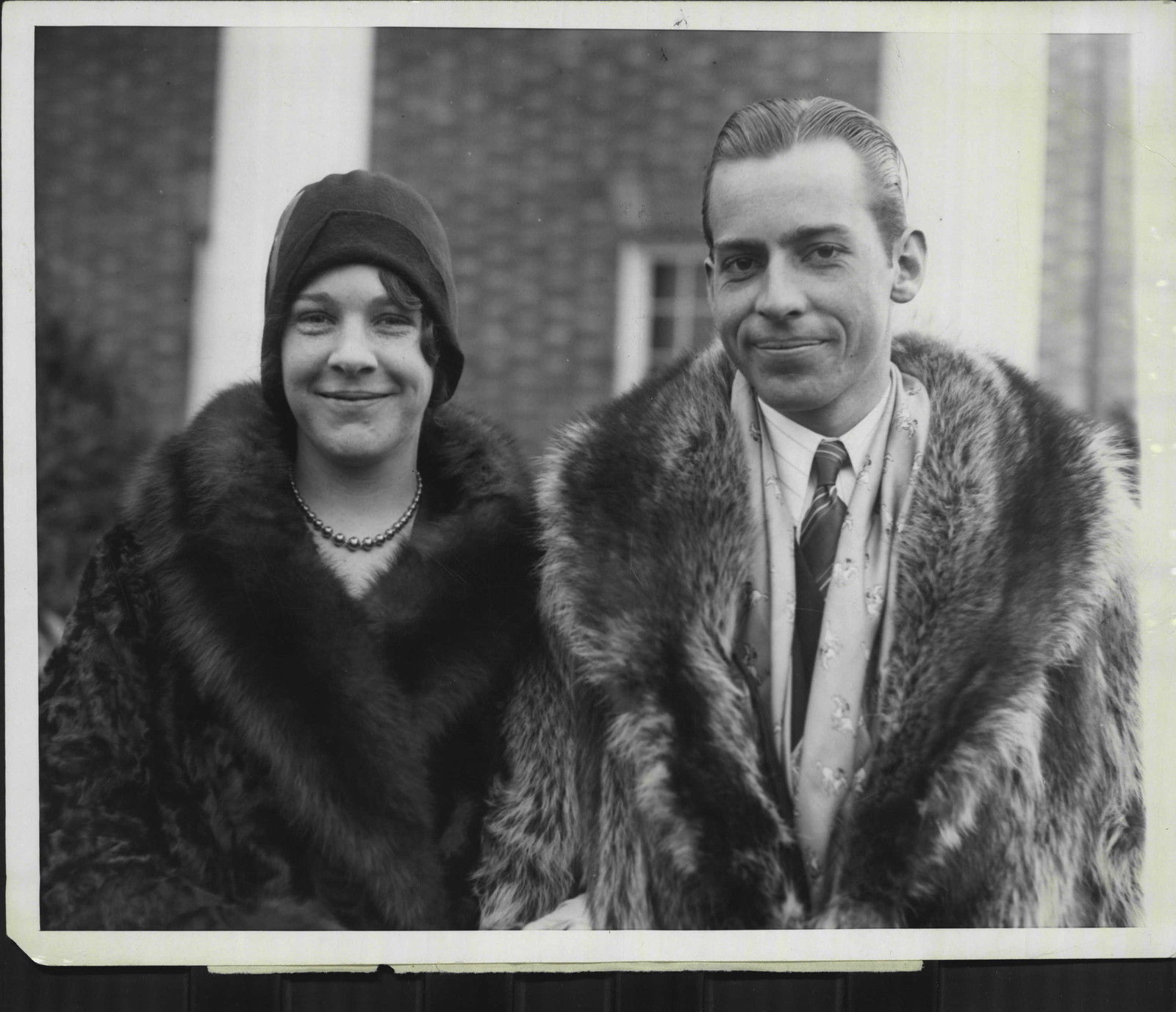
The President's oldest son, John, and Florence Trumbull during their engagement, 1928.

The President’s oldest son, John, and Florence Trumbull during their engagement, 1928. Calvin and Grace loved the young lady who would become their daughter.

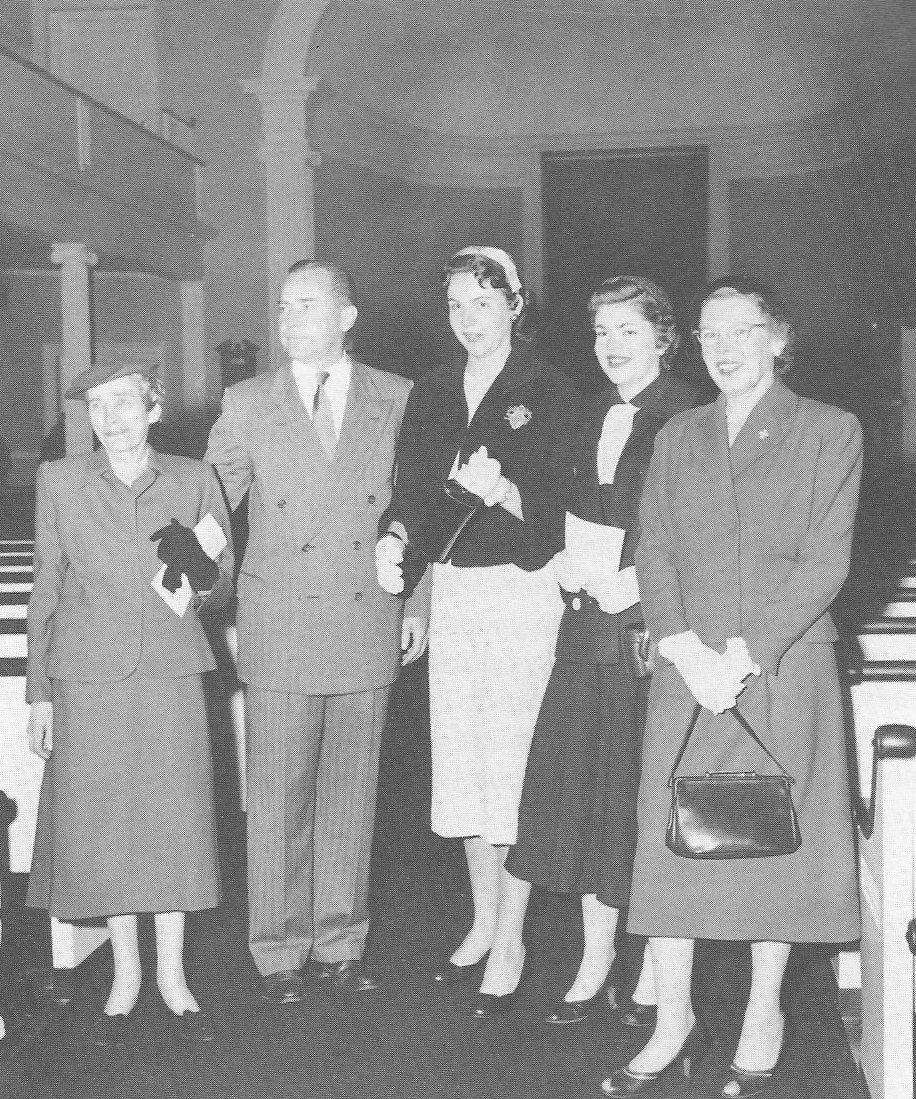
The Coolidge family at the dedication of the Calvin Coolidge Memorial Room in Forbes Library, September 1956. This would prove to be Grace's final public appearance. Her "Precious Four," as she called children John and Florence with granddaughters Cynthia and Lydia, are featured in Gloria May Stoddard's fine book, Grace and Cal: A Vermont Love Story, p.153). This photograph is found in the holdings of Forbes Library.

The Coolidge family at the dedication of the Calvin Coolidge Memorial Room in Forbes Library, September 1956. This would prove to be Grace’s final public appearance. Her “Precious Four,” as she called children John and Florence with granddaughters Cynthia and Lydia, are featured in Gloria May Stoddard’s fine book, Grace and Cal: A Vermont Love Story, p.153). The original photograph is found in the holdings of Forbes Library.