On Being a Great Man’s Child and Perspective

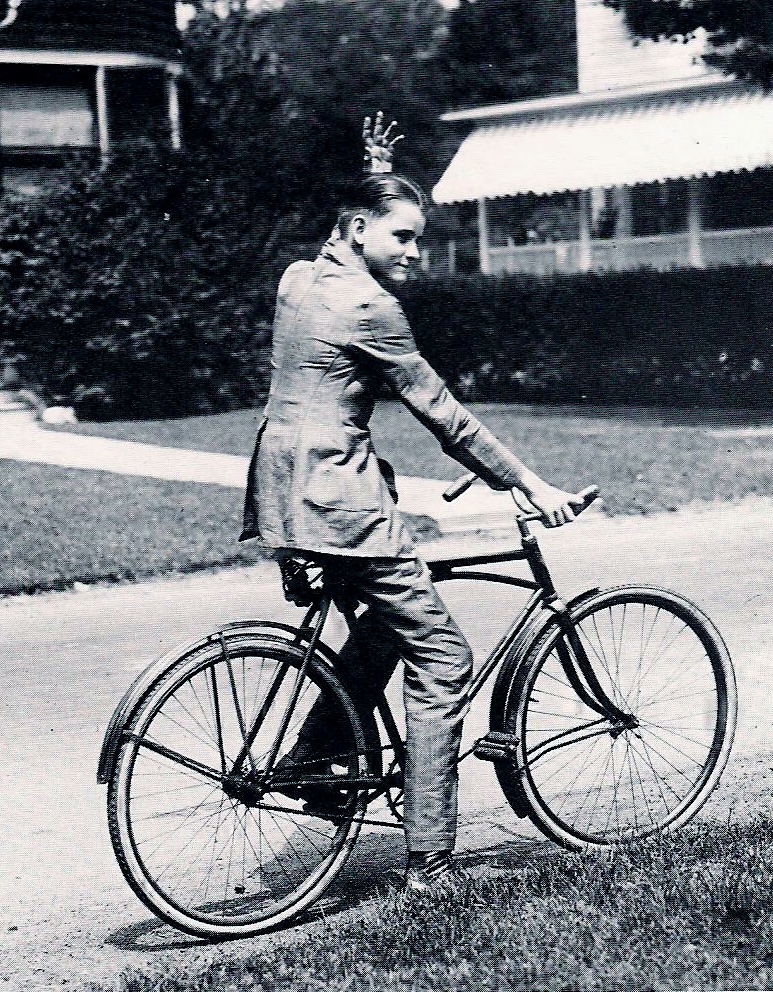
The son, at work in the tobacco fields as his father learned he had become President, was asked about his reaction to the historic promotion of his father. The son, Calvin Jr., gave an answer that underscored the quiet confidence inherited from his father and the humble perspective that both parents passed to their child. “Oh, naturally I feel quite proud,” the boy said, “but I don’t intend to allow it to interfere with my plans. Dad’s becoming President will make no changes in the family plans as far as I can see. John and I are going to return to our home in Northampton, for I think that all of the members of the family have expressed themselves from time to time that no place but Northampton could be our home. I’m sure I would rather be here than in the White House, too…This is the best kind of vacation, working on a farm,” Calvin observed, “I’d much rather do it than go to camp or the seashore. Some wonder why I work as hard as this after what has happened to Dad, but, really, how is that going to help me any? I shall have my own way to make, my own career to work out, and I wouldn’t feel right in laying down now by trying to get by on my father’s success. I really want to make good like Dad and there’s only one way to do it.”

Work.

The boy was but fifteen.

                          Image

On Life, Death and Fatherhood

                                 Image

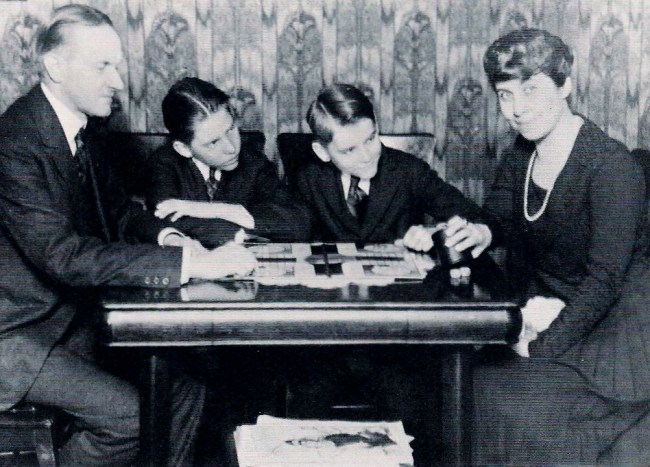
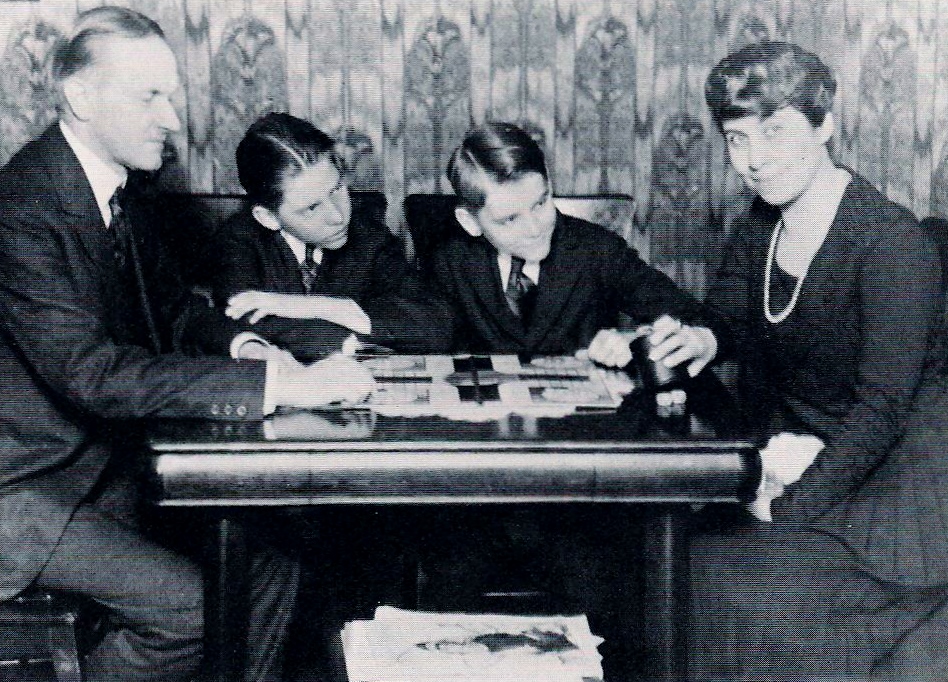
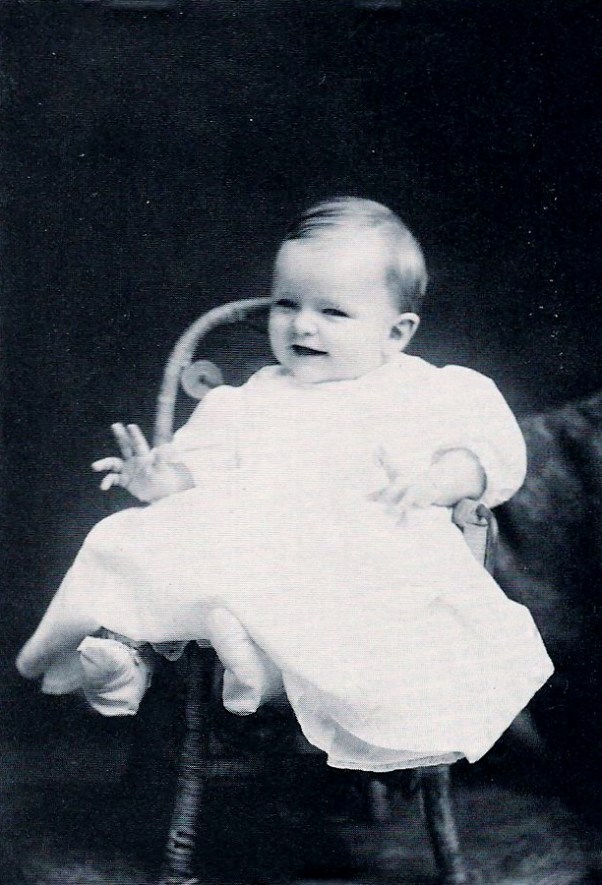
Yesterday, April 13, marked the birthday of Calvin Coolidge Jr., the second son of the Coolidges, who came into the world in 1908. As Margaret Fischer notes in her book on Calvin Jr., “As Calvin was born near Easter his parents called him ‘Bunny’ until a name was chosen. After some weeks Mrs. Coolidge told her husband she thought it time the baby was given ‘a fit and Christian name.’ ‘I was just waiting to see if he knew anything before we call him Calvin,’ he responded. So Calvin it was. But while he was small his father, always given to nicknames, often called him ‘Bunny,’ or ‘Little Bun,’ or ‘Benjamin Bun.’ The little family into which Calvin had been born was a close and devoted one…As a father [Mr. Coolidge]…was a strict disciplinarian, expecting unquestioning obedience, and, preoccupied by serious matters, was usually rather formal with his sons, but he was ever thoughtful and considerate with them. And despite his formality with them he sometimes had a great deal of fun teasing them. But Calvin, Jr., as his mother once wrote, ‘usually caught a joke in the making and sidetracked it with a laugh,’ leading her husband to say there was no use trying his fun there. Mr. Coolidge enjoyed taking the boys on long walks and he occasionally played Authors, Parcheesi or some other game with them. And in his undemonstrative way he was intensely proud of them.”

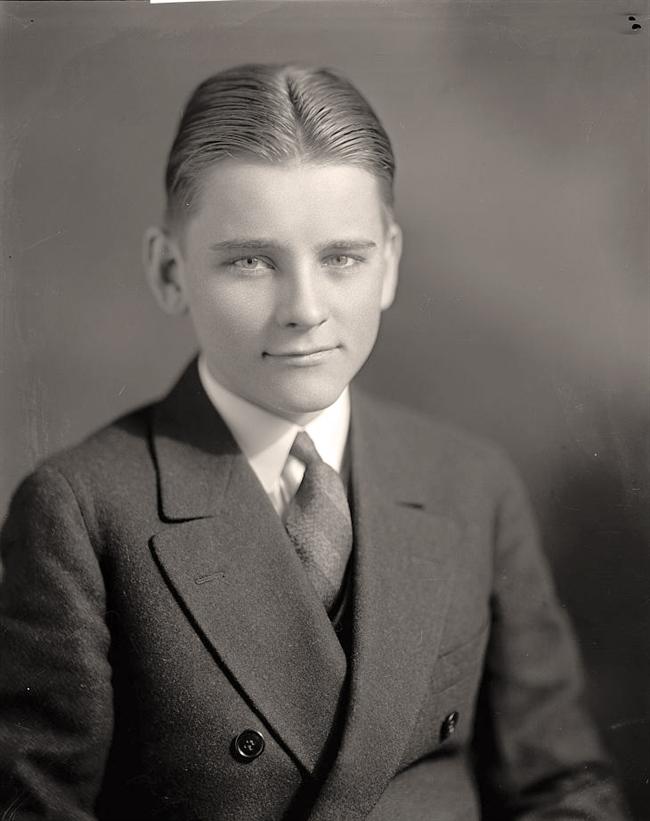
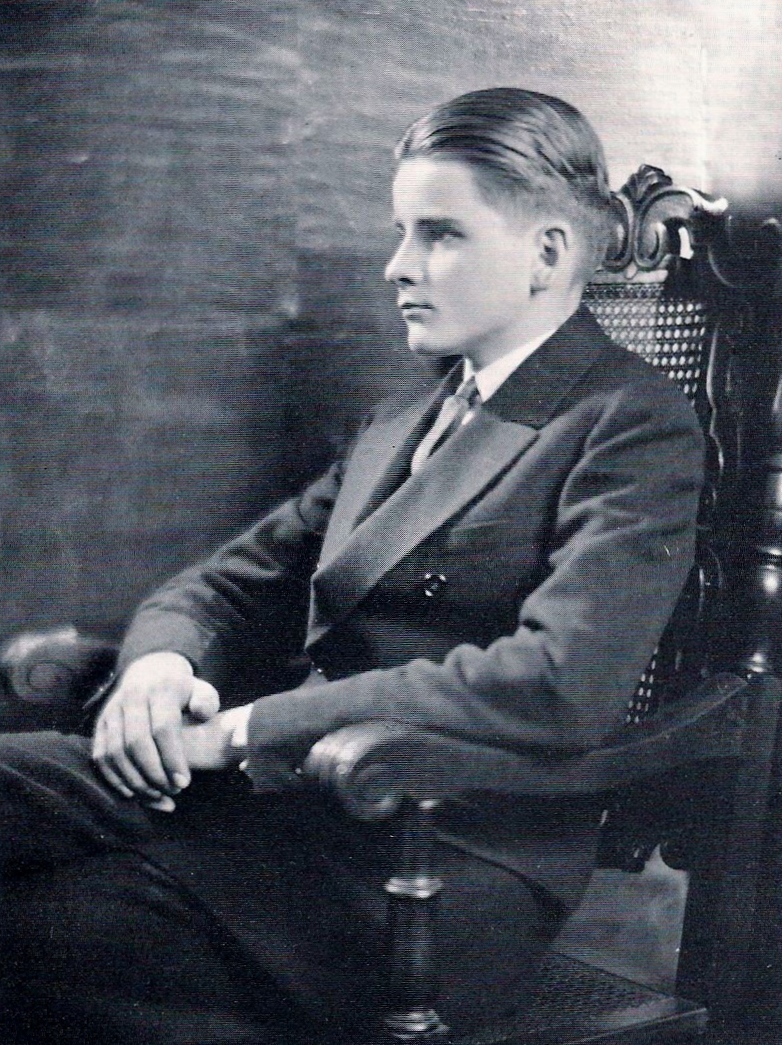
A reporter from The Washington Star wrote after a visit with young Calvin during his work in the tobacco fields in August 1923, “Calvin Jr. is a powerful reminder of his father, slender, taciturn, and with a love of the economy of speech that has marked his namesake. He flashes the same evanescent smile that comes and goes so quickly that one wonders whether it really has happened, but, as is the case with the President the smile lingers in the bright blue eyes.”

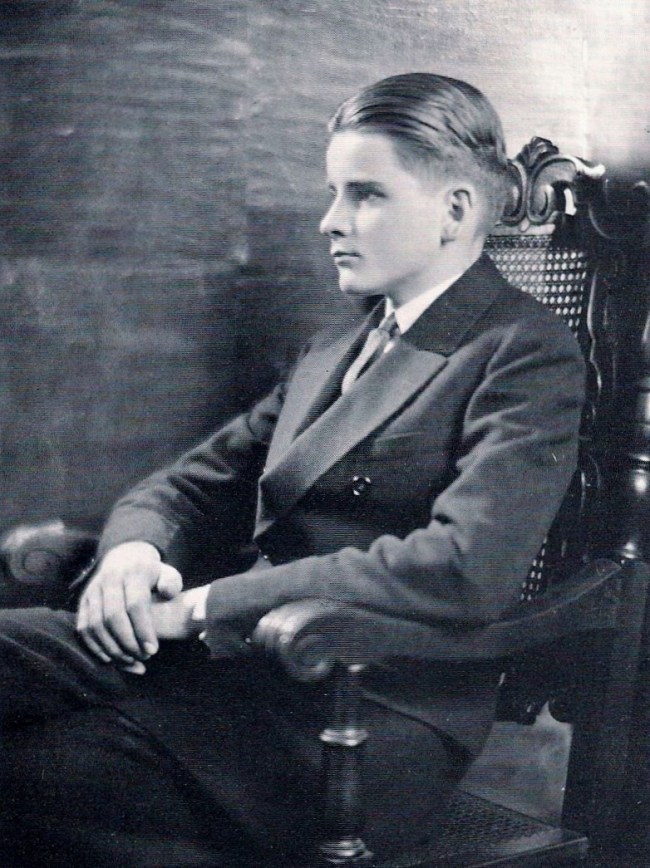
The headmaster of the Academy at which the Coolidge boys studied said of Calvin Jr., “Calvin, like his father, was quiet and taciturn, but under that calm, reserved exterior there was fire and eagerness and tenderness, hidden from mere acquaintances but which won the love and admiration of all who knew him well.”

When sixteen year old Calvin died from blood poisoning in July 1924, the loss of such a good and hard-working boy struck the entire country. There is no question that it profoundly grieved the family. The President told Chief Justice Taft that summer, “I believe he possessed great power for good that would have made itself felt had he lived.”

Even in the midst of that deep sorrow, the Coolidges demonstrated a strength toward death that left an enduring impression on those who were there. The White House social secretary, Mary Randolph, observed, “In all the great East Room,” where the service was held at the White House, “there were few who did not weep. But the President and Mrs. Coolidge and John were dry-eyed. Their dignity and courage never broke–never even wavered. They commanded the loving admiration and respect of everyone there.”

He remained, as his father would write years later, “[p]rivileged, by the grace of God, to be a boy throughout eternity.”
                              Image

                                            Image

         Image

           Image

On “Father” Coolidge

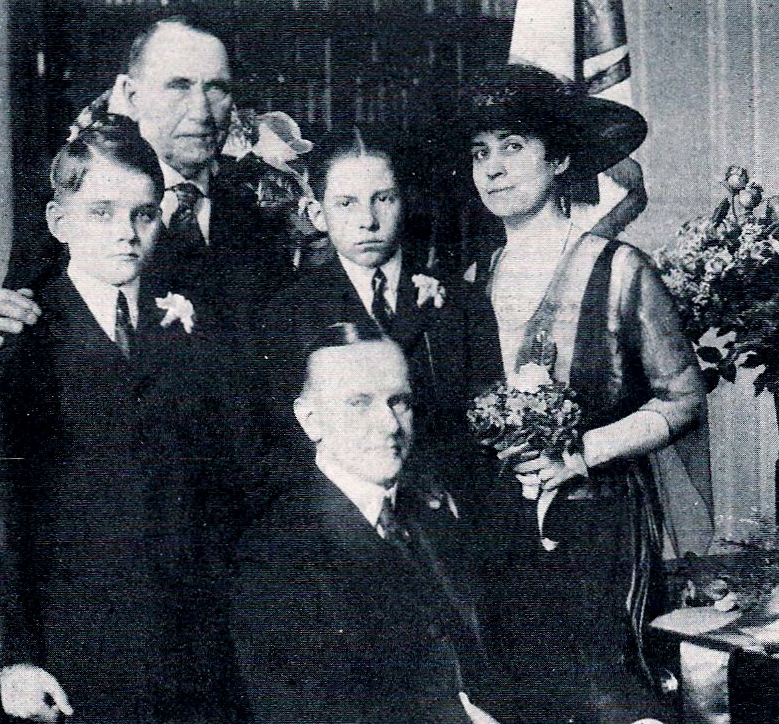
It was on this day in the cold of March eighty-seven years ago that “Colonel” John Coolidge, the father of the President, died. His oldest grandson and namesake, would recall the words of Calvin Coolidge spoken in an interview six months after “Grandfather Coolidge” passed. The thirtieth president had this to say about the man popularly known around the nation as “Colonel” Coolidge, the notary who had sworn in his son three years before:

“My father had qualities that were greater than any I possess. He was a man of untiring industry and great tenacity of purpose…He always stuck to the truth. It always seemed possible for him to form an unerring judgment of men and things. I can not recall that I ever knew of his doing a wrong thing. He would classed as decidedly a man of character. I have no doubt he is representative of a great mass of Americans who are known only to their local neighbors; nevertheless, they are really great. It would be difficult to say that he had a happy life. He never seemed to be seeking happiness. He was a firm believer in hard work. Death visited the family often. But I have no doubt he took a satisfaction in accomplishment and always stood ready to meet any duty that came to him. He did not fear the end of life, but looked forward to it as a reunion with all he had loved and lost.”

Such regard for the qualities of men like Calvin’s father deserve both mention and honor. They are no less imperative if a proper perspective of the family and society is to be preserved. In the haste to jettison all that is masculine in culture, an irreplaceable and detrimental cavity has been opened. Devoid of the particular kind of strength supplied by fathers, like John, homes are compromised and civilization, without these crucial pillars, collapses underneath the weight of its own weakness.

                Image