Remembering a President’s Inaugural

             Image

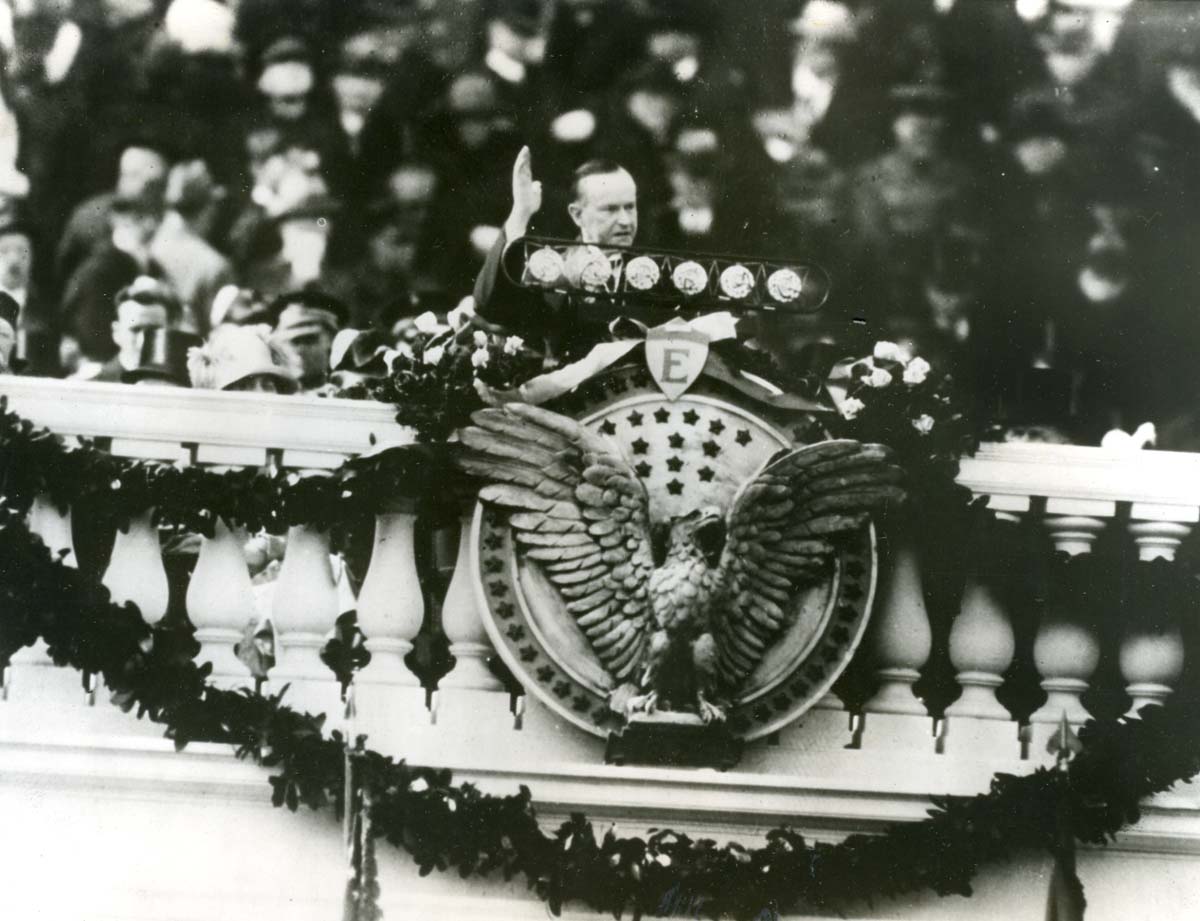
This morning while waiting in line, a news network reminded its viewers of the March 4, 1933 inaugural address of Franklin D. Roosevelt. To hear the reverence in the voices of those on the air, one would think any history worth remembering began with that infamously famous Presider over Depression, New Deal and World War. The thirty-six March 4th inaugurations before that time — 144 years of history — simply aren’t worth mentioning. One of those neglected thirty-six deserves mention here. In fact, it deserves our attention and study. It was March 4, 1925, the occasion of President Coolidge’s first formal inauguration after a resounding electoral victory in his own right the previous November. It is on this day, eighty-eight years ago, that he declared,

          If extravagance were not reflected in taxation, and through taxation both directly and indirectly injuriously affecting the people, it would not be of so much consequence. The wisest and soundest method of solving our tax problem is through economy. Fortunately, of all the great nations this country is best in a position to adopt that simple remedy. We do not any longer need war-time revenues. The collection of any taxes which are not absolutely required, which do not beyond reasonable doubt contribute to the public welfare, is only a species of legalized larceny. Under this Republic the rewards of industry belong to those who earn them. The only constitutional tax is the tax which ministers to public necessity. The property of the country belongs to the people of the country. Their title is absolute. They do not support any privileged class; they do not need to maintain great military forces; they ought not to be burdened with a great array of public employees. They are not required to make any contribution to Government expenditures except that which they voluntarily assess upon themselves through the action of their representatives. Whenever taxes become burdensome a remedy can be applied by the people; but if they do not act for themselves, no one can be very successful in acting for them.

Those are words worth remembering today. When self-government is responsibly exercised in this way, we have no reason to fear for the continuance of liberty under law.
On the Presidency

“Any man who has been placed in the White House can not feel that it is the result of his own exertions or his own merit. Some power outside and beyond him becomes manifest through him. As he contemplates the workings of his office, he comes to realize with an increasing sense of humility that he is but an instrument in the hands of God” — Calvin Coolidge, ‘The Autobiography’ (1929)

On George Washington

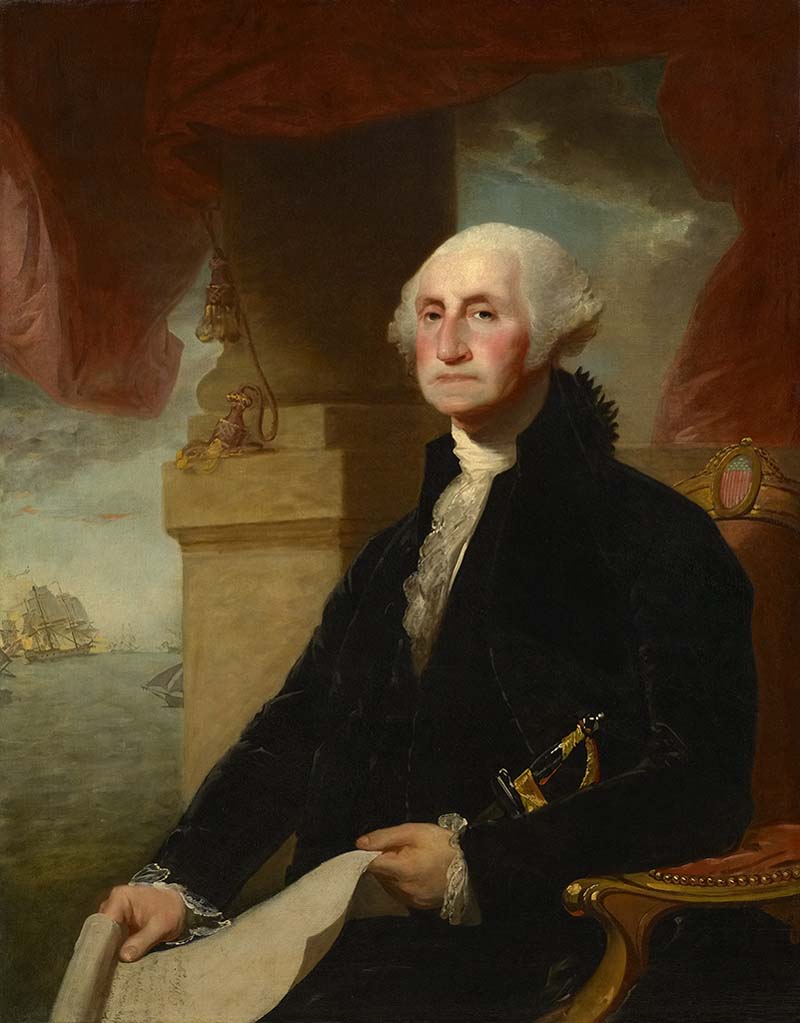
“February 22 marks the …birthday of George Washington. His stature has only increased with the years. His public life was characterized by complete unselfishness. Indifferent to his own fortunes, his only concern was for his country. He needed no pretense and no art. He was simply and naturally great.” He was, in short, “the personification of judgment and character” — Calvin Coolidge, February 20, 1931.

Tomorrow marks the two-hundred eighty-first anniversary of President Washington’s birthday. To Coolidge, the first President was not without his mistakes, as with any man, but he remains worthy of our esteem and emulation for not only his life of service but also his impeccable integrity. As the former President looked back on the example of Washington in the early months of 1931, he may have recalled the remarkable precedent his forbear set by laying down the power of his office after only two terms. Washington could have held the Presidency for life or passed it to his heirs and yet he laid it down with characteristic humility. Coolidge adhered to that same selfless demonstration in 1929. As he describes the attributes of Washington, however, he reminds the reader of not only what made the first President truly great but also of those qualities the thirtieth President prized and practiced in his own life. One instantly thinks of Coolidge when the absence of pretense is commended. There were no ostentatious displays with Coolidge. What you saw is who he was without conceit or facade. He had no patience for those who put on airs. He would even make the bejeweled “social queens” of Washington wait in the reception lines while he “took a break” from shaking hands. Humble simplicity defined him in public just as it did in private. Coolidge bequeaths a legacy not unlike Washington’s to those who sincerely honor character above politics and service above self-importance.

                   Image