On Coolidge and the West

                                Image

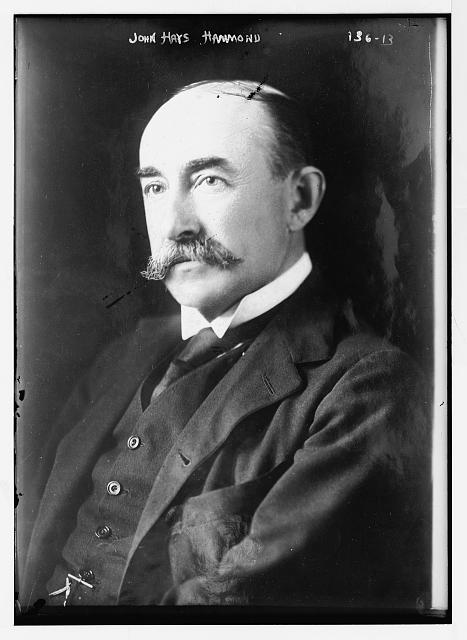
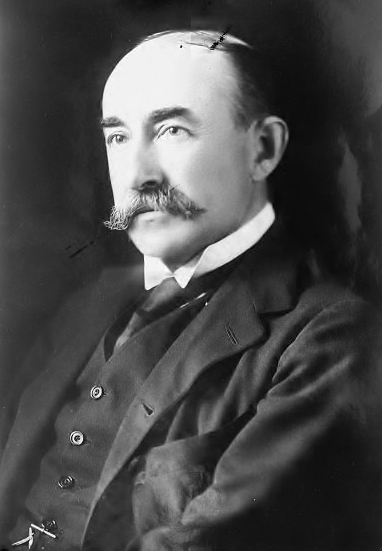
John Hays Hammond Sr. served as Chairman of the Coal Commission, as a coal strike threatened to be the first real domestic test of President Harding’s successor, Calvin Coolidge. Without coal, people were going to be hard-pressed to heat their homes and survive the cold winter. In what President Coolidge would call “our coup,” he collaborated with Commissioner Hammond to work out a way to resolve the conflict while shrewdly using the Governor of Pennsylvania, Gifford Pinchot (who was positioning himself as the heir of TR in order to take the GOP presidential nomination in the following year by championing his own progressive “handling” of the strike), as the implementer of their report. It worked only by removing imposed government solutions and turning to the folks directly concerned to make it succeed, all to the chagrin of Governor Pinchot.

Looking back on those days, Mr. Hammond offers this appraisal of President Coolidge and his impact on voters, especially those in the West. Most striking is that it runs contrary to the partisan and even vindictive appraisals of those who were denied special favor (like “Ike” Hoover, the usher) or had an agenda to implement (like “Art” Schlesinger). Hammond writes,

     “It was most fortunate for the country that a man of Calvin Coolidge’s type succeeded to the presidency. He had an estimable record for probity and executive ability during both his Massachusetts governorship and the vice-presidency. Sitting in at Cabinet meetings during the Harding administration had given him special knowledge of national problems.

     “His slightly rigid personality manifested caution and sanity. His eccentricities were safe ones. There was no derision in the anecdotes that were told of him, and the laughter of the people at hundreds of Coolidgisms only served to increase their belief in him as a wise and forceful leader. After the miasma of suspicion created by the scandals of the Harding administration, the country soon showed implicit confidence in Coolidge…”

     Commissioner Hammond, a renowned mining engineer and native of California, assessed the affect of Coolidge on the West, “To me, as a Westerner who had grown to pride himself on his knowledge of the psychology of that part of the country, one of the most amazing things about Calvin Coolidge was that he came to supersede even Theodore Roosevelt in the popular affections of the West. Everything about Roosevelt had been the antithesis of Coolidge: his strenuous activities, his love of exciting adventures, his physical daring, his aggressiveness, and his ebullient manner. It has always seemed phenomenal to me that Coolidge, without any effort on his part, could have won the West. It may perhaps be explained by the fact that West admired Roosevelt as an individual and Coolidge as a president.”

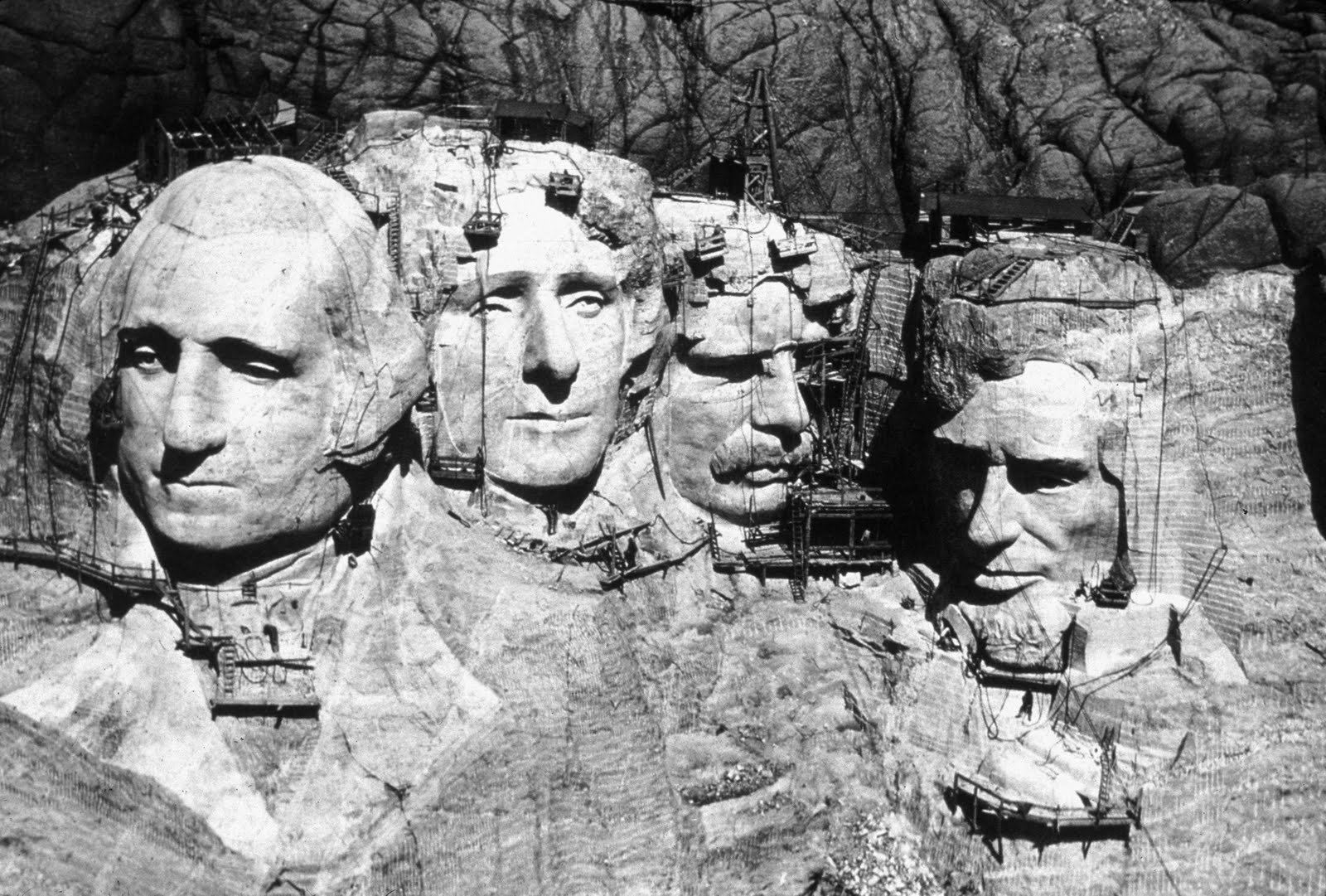
     It is noteworthy that the only life-size statue of the thirtieth president stands in downtown Rapid City, South Dakota. It seems that Gutzon Borglum’s second mistake (after misusing President Coolidge’s written contributions to the Rushmore project) was in placing the wrong president to Lincoln’s right.

                                           Image

                      Image

On Being a Great Man’s Child and Perspective

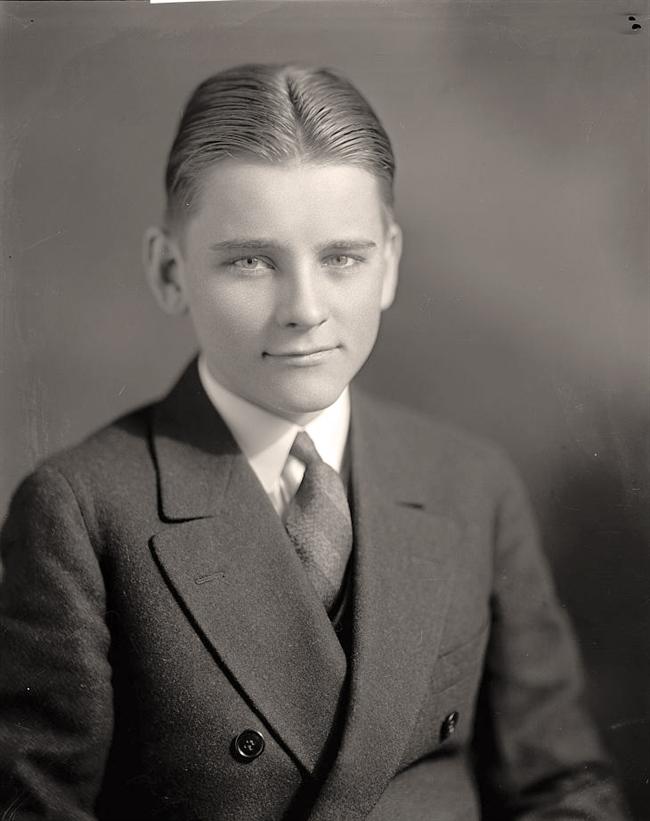
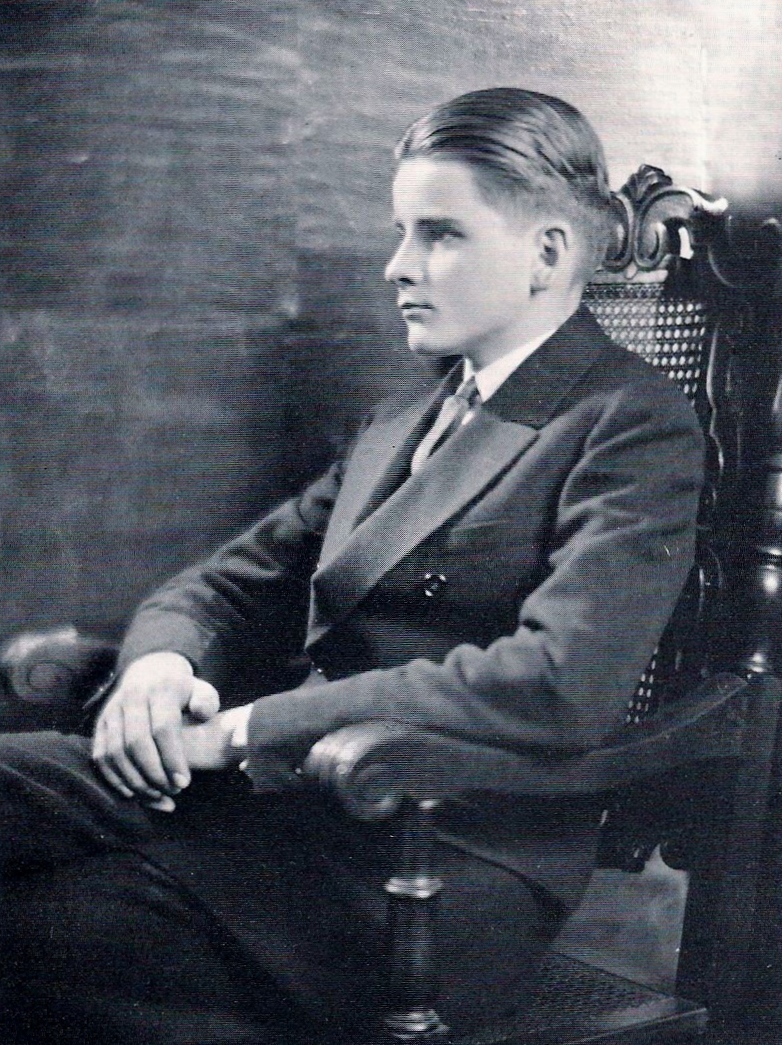
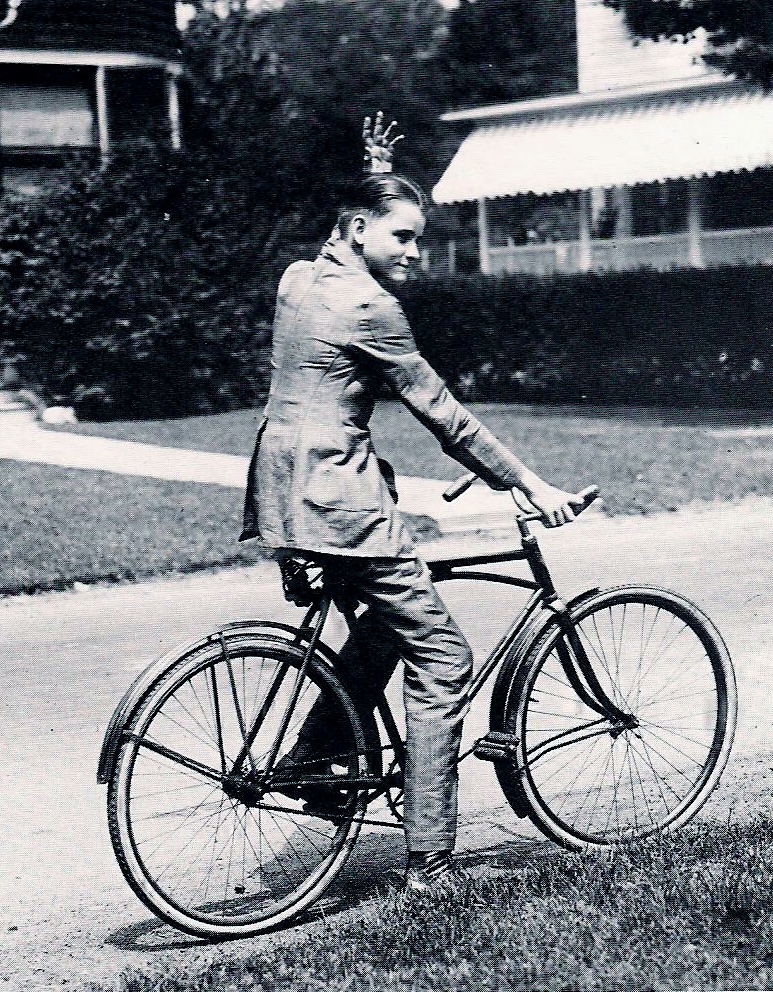
The son, at work in the tobacco fields as his father learned he had become President, was asked about his reaction to the historic promotion of his father. The son, Calvin Jr., gave an answer that underscored the quiet confidence inherited from his father and the humble perspective that both parents passed to their child. “Oh, naturally I feel quite proud,” the boy said, “but I don’t intend to allow it to interfere with my plans. Dad’s becoming President will make no changes in the family plans as far as I can see. John and I are going to return to our home in Northampton, for I think that all of the members of the family have expressed themselves from time to time that no place but Northampton could be our home. I’m sure I would rather be here than in the White House, too…This is the best kind of vacation, working on a farm,” Calvin observed, “I’d much rather do it than go to camp or the seashore. Some wonder why I work as hard as this after what has happened to Dad, but, really, how is that going to help me any? I shall have my own way to make, my own career to work out, and I wouldn’t feel right in laying down now by trying to get by on my father’s success. I really want to make good like Dad and there’s only one way to do it.”

Work.

The boy was but fifteen.

                          Image

On Life, Death and Fatherhood

                                 Image

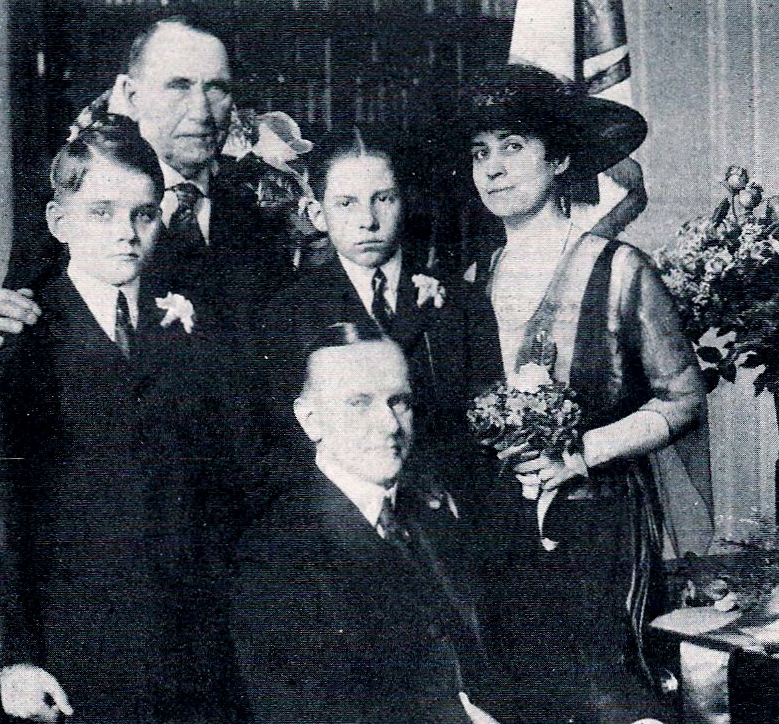
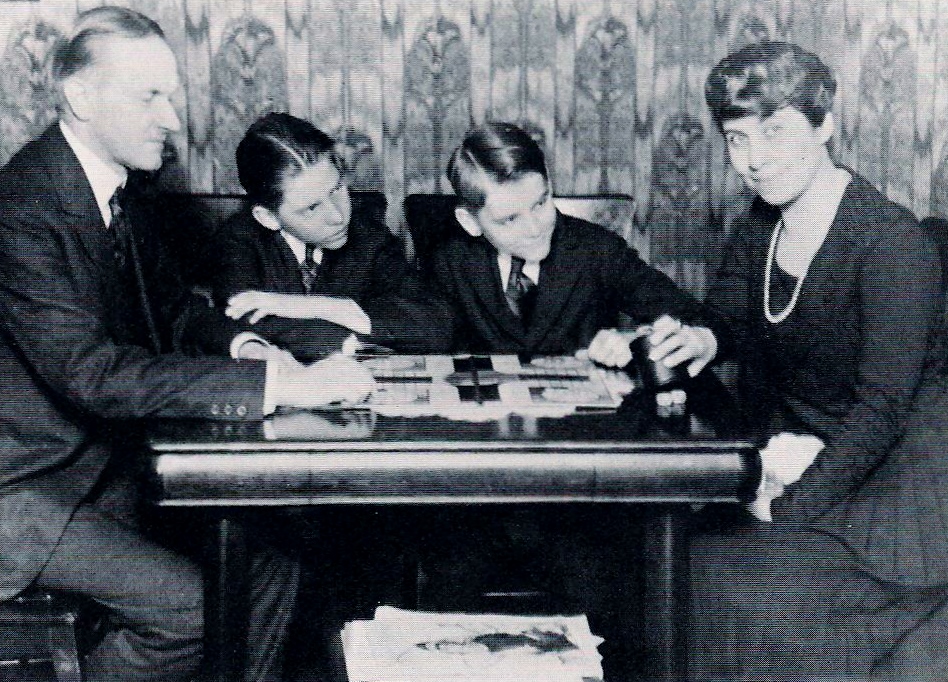
Yesterday, April 13, marked the birthday of Calvin Coolidge Jr., the second son of the Coolidges, who came into the world in 1908. As Margaret Fischer notes in her book on Calvin Jr., “As Calvin was born near Easter his parents called him ‘Bunny’ until a name was chosen. After some weeks Mrs. Coolidge told her husband she thought it time the baby was given ‘a fit and Christian name.’ ‘I was just waiting to see if he knew anything before we call him Calvin,’ he responded. So Calvin it was. But while he was small his father, always given to nicknames, often called him ‘Bunny,’ or ‘Little Bun,’ or ‘Benjamin Bun.’ The little family into which Calvin had been born was a close and devoted one…As a father [Mr. Coolidge]…was a strict disciplinarian, expecting unquestioning obedience, and, preoccupied by serious matters, was usually rather formal with his sons, but he was ever thoughtful and considerate with them. And despite his formality with them he sometimes had a great deal of fun teasing them. But Calvin, Jr., as his mother once wrote, ‘usually caught a joke in the making and sidetracked it with a laugh,’ leading her husband to say there was no use trying his fun there. Mr. Coolidge enjoyed taking the boys on long walks and he occasionally played Authors, Parcheesi or some other game with them. And in his undemonstrative way he was intensely proud of them.”

A reporter from The Washington Star wrote after a visit with young Calvin during his work in the tobacco fields in August 1923, “Calvin Jr. is a powerful reminder of his father, slender, taciturn, and with a love of the economy of speech that has marked his namesake. He flashes the same evanescent smile that comes and goes so quickly that one wonders whether it really has happened, but, as is the case with the President the smile lingers in the bright blue eyes.”

The headmaster of the Academy at which the Coolidge boys studied said of Calvin Jr., “Calvin, like his father, was quiet and taciturn, but under that calm, reserved exterior there was fire and eagerness and tenderness, hidden from mere acquaintances but which won the love and admiration of all who knew him well.”

When sixteen year old Calvin died from blood poisoning in July 1924, the loss of such a good and hard-working boy struck the entire country. There is no question that it profoundly grieved the family. The President told Chief Justice Taft that summer, “I believe he possessed great power for good that would have made itself felt had he lived.”

Even in the midst of that deep sorrow, the Coolidges demonstrated a strength toward death that left an enduring impression on those who were there. The White House social secretary, Mary Randolph, observed, “In all the great East Room,” where the service was held at the White House, “there were few who did not weep. But the President and Mrs. Coolidge and John were dry-eyed. Their dignity and courage never broke–never even wavered. They commanded the loving admiration and respect of everyone there.”

He remained, as his father would write years later, “[p]rivileged, by the grace of God, to be a boy throughout eternity.”

                              Image

                                            Image

         Image

           Image