The announcement by the Court’s majority yesterday in United States v. Windsor broadcasts a fundamental departure from the proper role of judges. As Justice Scalia forecasts in his dissent, this is a judicial majority which is willfully abandoning the limited authority granted in Article III of the Constitution. It is an attempt to grasp the power of deciding abstract issues, instead of cases, with nothing but the policy preferences of five individuals. It is only a matter of time before their casual reference to federalism disappears and the Court “drops the other shoe,” building on this precedent to dictate to all situations what “democratically adopted” laws meet with the Court’s approval. This is not mere judicial review of Congressional acts, like in the past. This is exercising an authority to determine outcomes based on nothing more than whether they accord with the political views and social sympathies of community activists wearing robes. The language of law merely covers this assumption of control.
The Court’s majority is so lost when it comes to what judges are supposed to be doing that those who do not agree with their predetermined conclusion are branded as hate-filled homophobes with a “bare…desire to harm,” “disparage,” “injure,” “demean,” “impose inequality” and a “stigma,” denying “equal dignity,” branding same-sex couples as “unworthy,” and to “humiliate” their children. Such absurd accusations have no place being uttered by the highest Court in the land. As Justice Scalia observes, it is the Court’s majority behaving in so prejudicial and demeaning a fashion with this kind of rhetorical venom masquerading as legal authority. So much for a judge’s duty to impartially and “blindly” apply the appropriate law to the facts of each case that comes before it.
The Court is exercising a power greater than mere legislators when the future of law depends upon what a majority feels like allowing Congress, the states, individuals and other “enemies of the human race” to pass in future. It is precisely why the Founders wisely separated the judiciary from the executive and legislative powers. Now the Court’s majority seeks to return to a time when absolute sovereigns determined what law is and when it applied…to subjects. To some, this decision is a victory for “equality,” but when results are chosen after removing Justice’s blindfold by judges who do not accept their role as impartial triers of facts, no one’s liberties are secure any longer. It is the basis for equality, an equality under law, that has lost.
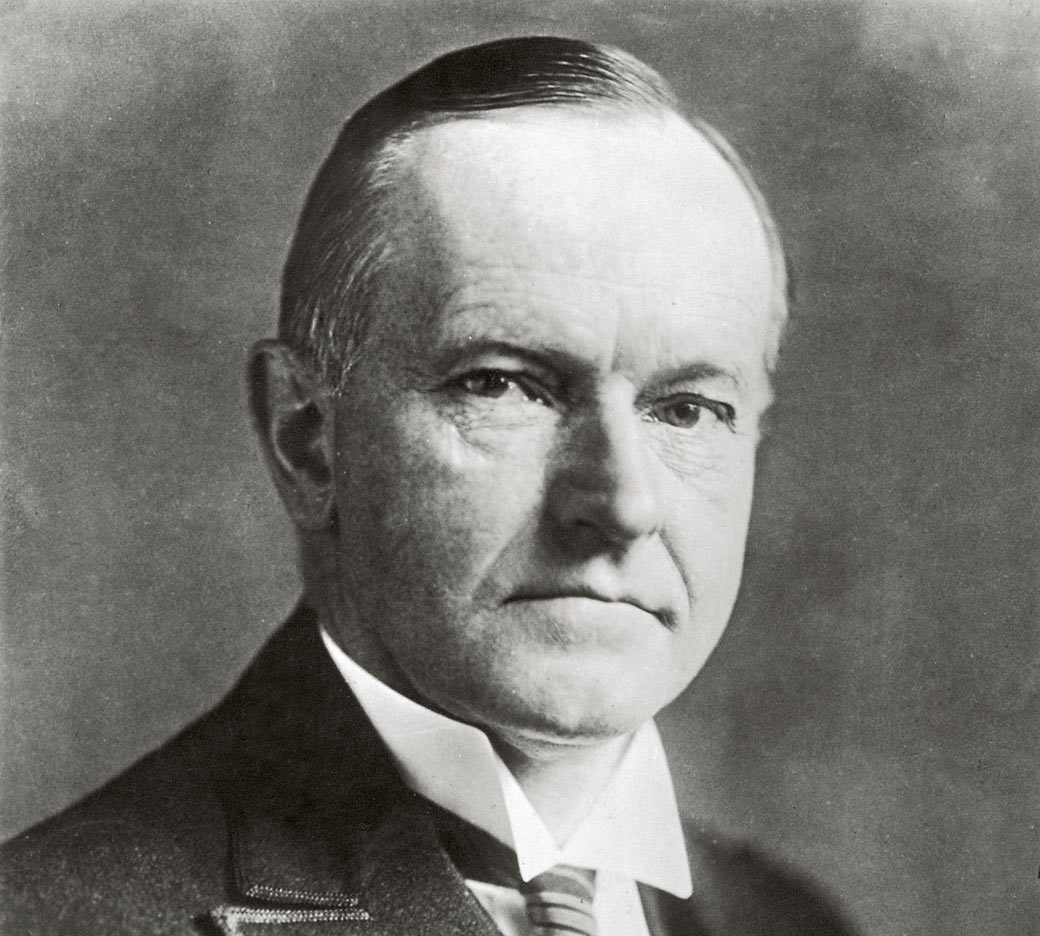
It is significant that a growing public opposition to the courts and a disrespect for the rule of law, not unlike now, was unfolding when Calvin Coolidge spoke these words in Boston, January 7, 1914, “Men do not make laws. They do but discover them. Laws must be justified by something more than the will of the majority. They rest on the eternal foundation of righteousness…Courts are established, not to determine the popularity of a cause, but to adjudicate and enforce rights. No litigant should be required to submit his case to the hazard and expense of a political campaign. No judge should be required to seek or receive political rewards…The electorate and judiciary cannot combine. A hearing means a hearing. When the trial of causes goes outside the court-room…constitutional government ends.”
Ten years later, he was observing the danger of using legal language to justify the assumption of power at the expense of liberty, “The Constitution of the United States has for its almost sole purpose the protection of the freedom of the people. We must combat every attempt to break down or to make it easy, under the pretended guise of legal procedure, to throw open the way to reaction or revolution. To adopt any other course is to put in jeopardy the sacred right to life, liberty, property, and the pursuit of happiness.”
He would reiterate the Constitution’s soundness into modern time, providing for stability as well as amendment. The course to amend, though deliberately long (to ensure the people consent to its changes), is ever open to those who seek improvements. It is not the place of the courts to amend it by judicial rule. “Our Constitution has raised certain barriers against too hasty change. I believe such provision is wise. I doubt if there has been any change that has ever really been desired by the people which they have not been able to secure. Stability of government is a very important asset. If amendment be made easy, both revolution and reaction, as well as orderly progress, also become easy. The nation has lost little, but has gained much, through the necessity of due deliberation. The pressing need of the present day is not to change our constitutional rights, but to observe our constitutional rights.
“A deliberate and determined effort is being made to break down the guarantees of our fundamental law…In this contest there is but one place for a real American to stand. That is on the side of ordered liberty under constitutional government…The time for Americans to range themselves firmly, squarely, and uncompromisingly behind American ideals is now…Those who want to continue to enjoy the high estate of American citizenship will resist all attempts to encroach upon their liberties by encroaching upon the power of the courts.”

 The Importance of the Obvious