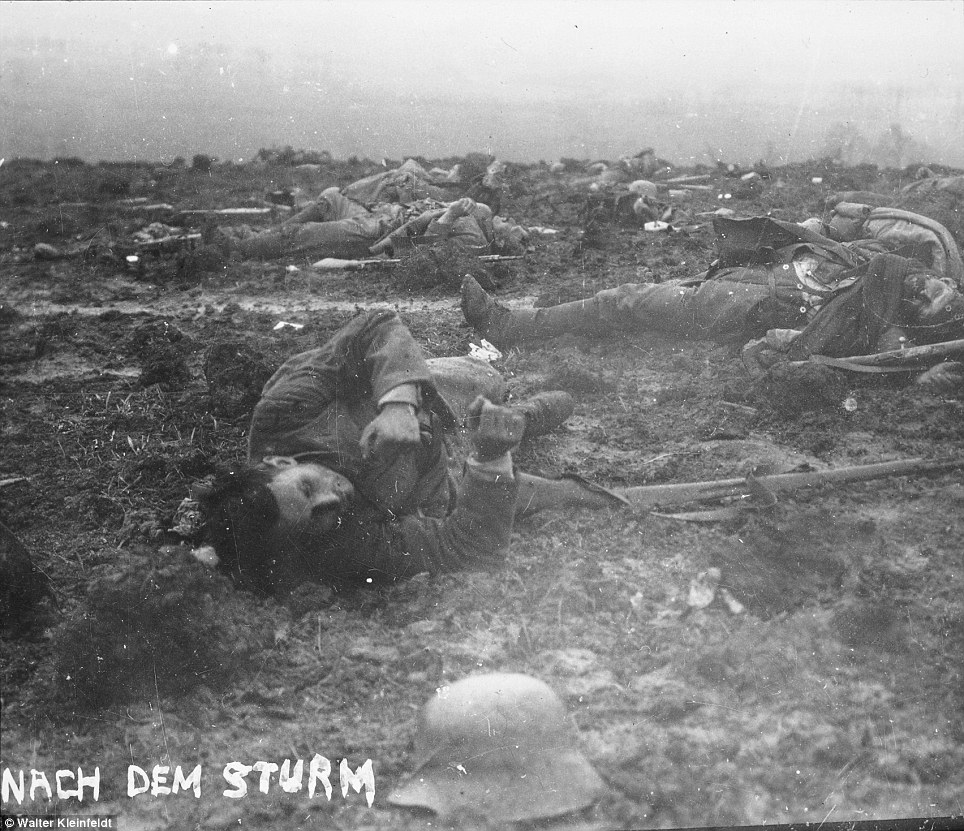
Today, one hundred years ago, the world was engulfed anew in open conflict at the formal declaration of war between Austria-Hungary and Serbia. At its end, some 20 million were dead and another 21 million wounded. Calvin Coolidge had much to say when it came the irretrievable and wasteful loss of war, the terrible destruction it brings upon civilization and yet the justified reasons for our involvement when the rights of our citizens are under attack. It was on one occasion, looking back eleven years after the end of that war, that then-President Coolidge offered these thoughts not only on the horrendous costs but the important lessons from a conflict that both permanently changed his generation and, consequently, the world.
“We thought the question was involved of whether the people of the earth were to rule or whether they were to be ruled. We thought that we were helping to determine whether the principle of despotism or the principle of liberty should be the prevailing standard among the nations. Then, too, our country all came under the influence of a great wave of idealism…No doubt there were other motives, but these appear to me the chief causes which drew America into the World War.
“In a conflict which engaged all the major nations of the earth and lasting for a period exceeding four years, there could be no expectation of materials gains. War in its very essence means destruction. Never before were contending peoples so well equipped with every kind of infernal engine calculated to spread desolation on land and over the face of the deep. Our country is only but now righting itself and beginning a moderate but steady recovery from the great economic loss which it sustained. That tremendous debt must be liquidated through the laborious toil of our people. Modern warfare becomes more and more to mean utter loss, destruction, and desolation of the best that there is of any people, its valiant youth and its accumulated treasure. If our country secured any benefit, if it met with any gain, it must have been in moral and spiritual values. It must be not because it made its fortune but because it found its soul. Others may disagree with me, but in spite of some incidental and trifling difficulties it is my firm opinion that America has come out of the war with a stronger determination to live by the rule of righteousness and pursue the course of truth and justice in both our domestic and foreign relations…
“We had our domestic problems which resulted from the war. The chief of these was the care and relief of the afflicted veterans and their dependents…The Government can do much, but it can never supply the personal relationship that comes from the ministrations of a private charity of that kind. The next most pressing problem was the better ordering of the finances of the Nation. Our Government was costing more than it was worth. It had more people on the pay roll than were necessary, all of which made expenses too much and taxes too high. This inflated condition contributed to the depression which began in 1920…
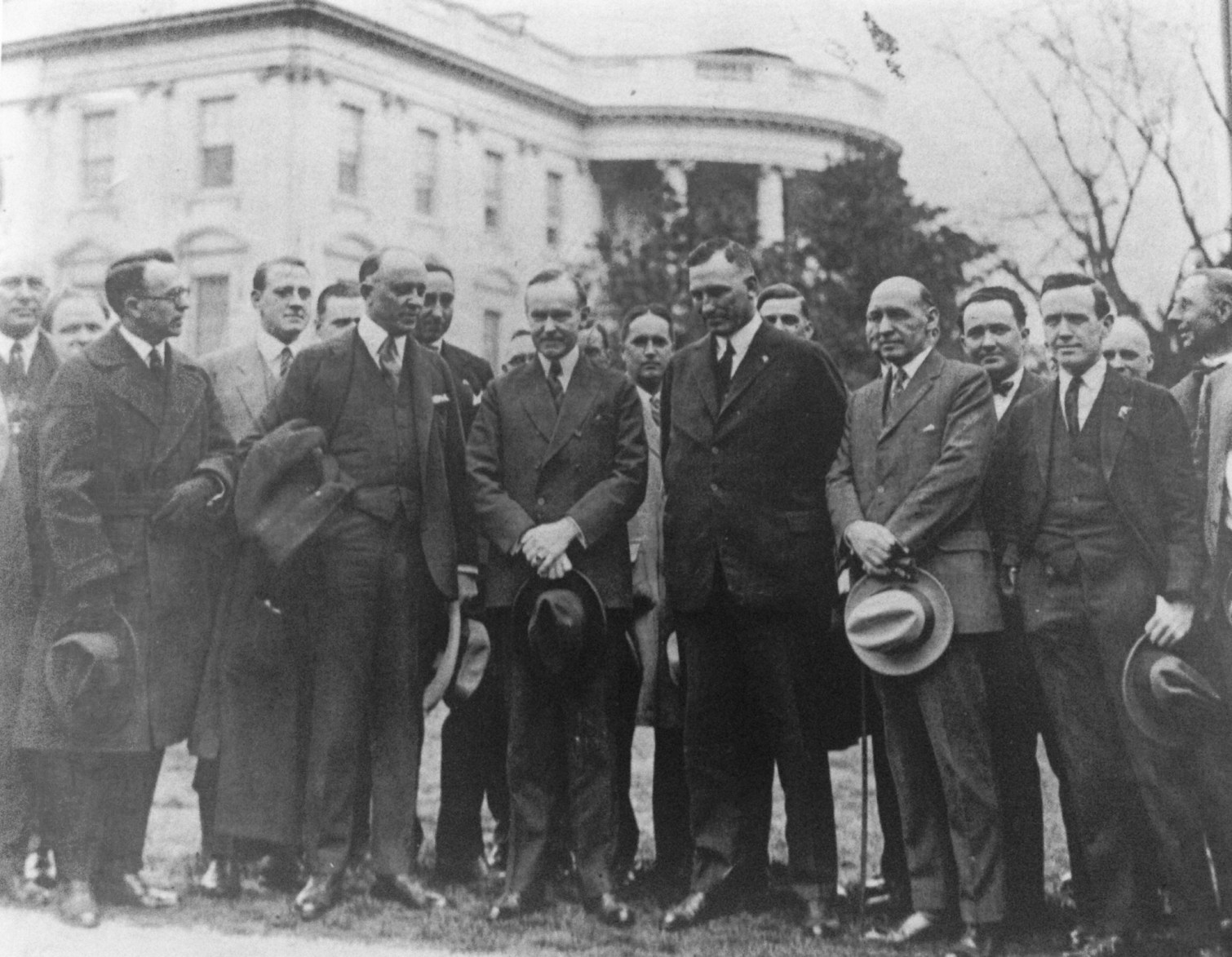
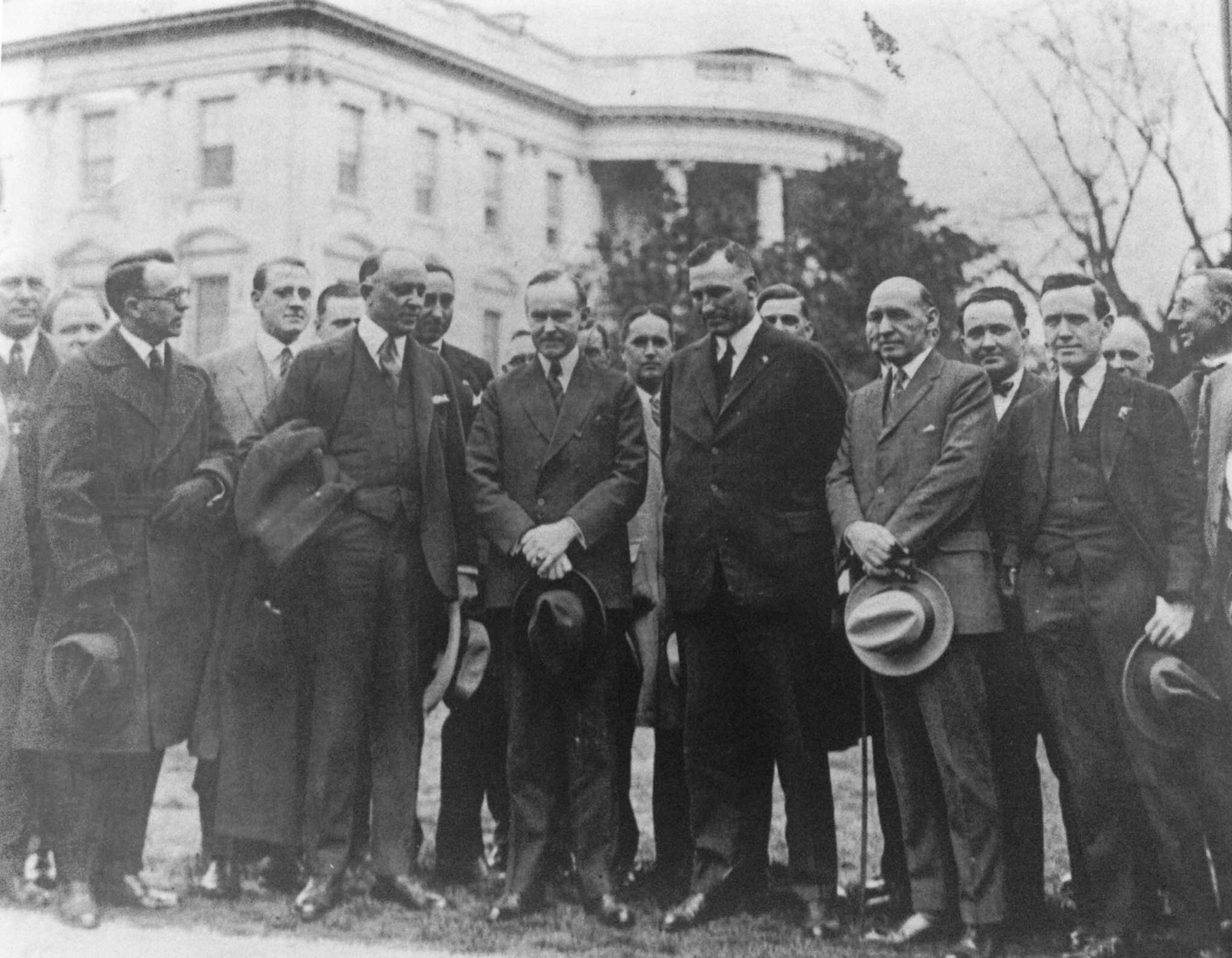
President Coolidge surrounded by members of the American Legion, led by John Quinn (to the right of the President), pressuring for the Veterans’ Bonus Bill, what would become the World War Adjusted Compensation Act passed by Congress over the President’s veto, May 1924. Coolidge firmly disagreed with direct compensation levied upon the rest of the people for the sacrifices, not mere employment, of our military during the war. As he declared, “patriotism…bought and paid for is not patriotism.”
“Our country has a larger Army and a more powerful Navy, costing annually almost twice as much as it ever before had in time of peace. I am a thorough believer in a policy of adequate military preparation…In spite of all the arguments in favor of great military forces, no nation ever had an army large enough to guarantee it against attack in time of peace or to insure its victory in time of war. No nation ever will. Peace and security are more likely to result from fair and honorable dealings, and mutual agreements for a limitation of armaments among nations, than by any attempt at competition in squadrons and battalions…
“The real question is whether spending more money to make a better military force would really make a better country. I would be the last to disparage the military art. It is an honorable and patriotic calling of the highest rank. But I can see no merit in any unnecessary expenditure of money to hire men to build fleets and carry muskets when international relations and agreements permit the turning of such resources into the making of good roads, the building of better homes, the promotion education, and all the other arts of peace which minister to the advancement of human welfare…Whenever the military power starts dictating to the civil authority, by whatsoever means adopted, the liberties of the country are beginning to end. National defense should at all times be supported, but any form of militarism should be resisted.
“Unless the people are willing to defend their country because of their belief in it, because of their affection for it, and because it is representative of their home, their country can not be defended. If we are looking for a more complete reign of justice, a more complete supremacy of law, a more complete social harmony, we must seek it in the paths of peace…
“It is for these reasons that it seems clear that the results of the war will be lost and we shall only be entering a period of preparation for another conflict unless we can demobilize the racial antagonisms, fears, hatreds, and suspicions, and create an attitude of toleration in the public mind of the peoples of the earth. If our country is to have any position of leadership, I trust it may be in that direction, and I believe that the place where it should begin is at home…There have been and will be lapses and discouragements, surface storms and disturbances. The shallows will murmur, but the deep is still. We shall be made aware of the boisterous and turbulent forces of evil about us seeking the things which are temporal. But we shall also be made aware of the still small voice arising from the fireside of every devoted home in the land seeking the things which are eternal.”
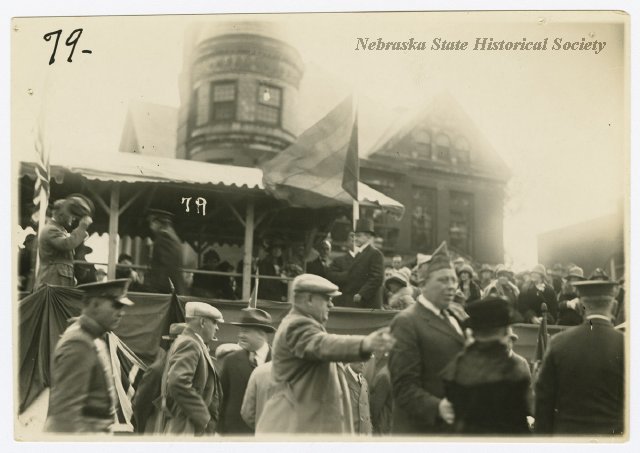
President on a temporary stage at the American Legion Convention, October 6, 1925. Courtesy of the Nebraska State Historical Society.
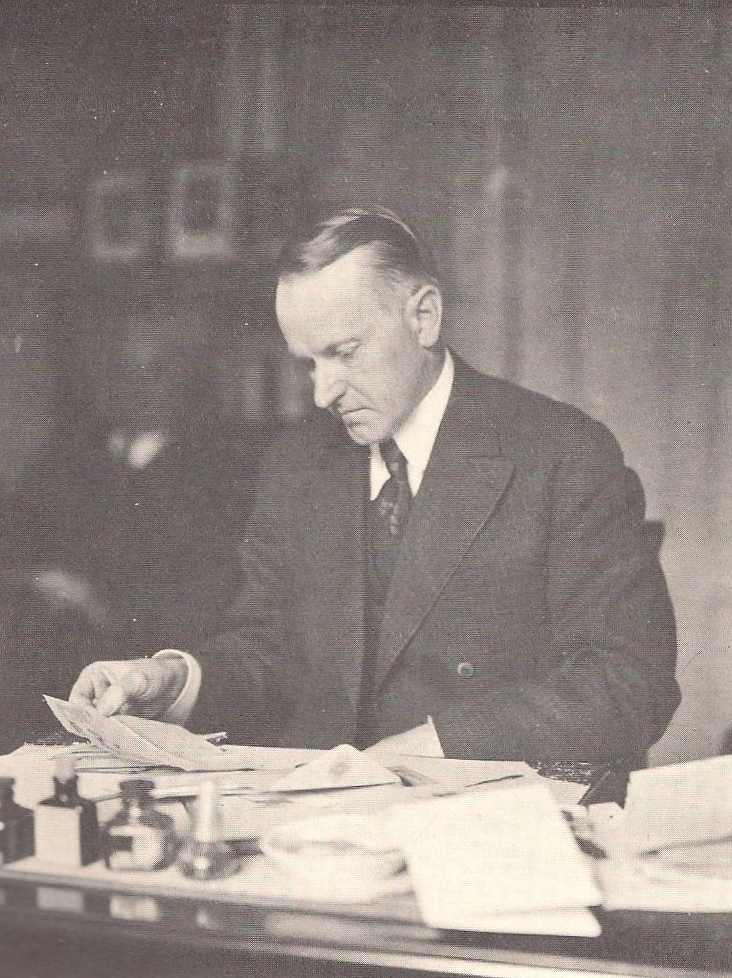
 The Importance of the Obvious