On Giving Thanks

“The American people, from their earliest days, have observed the wise custom of acknowledging each year the bounty with which divine Providence has favored them. In the beginnings, this acknowledgment was a voluntary return of thanks by the community for the fruitfulness of the harvest. Though our mode of life has greatly changed, this custom has always survived. It has made thanksgiving day not only one of the oldest but one of the most characteristic observances of our country. On that day, in home and church, in family and in public gatherings, the whole nation has for generations paid the tribute due from grateful hearts for blessings bestowed.

“To center our thought in this way upon the favor which we have been shown has been altogether wise and desirable. It has given opportunity justly to balance the good and the evil which we have experienced. In that we have never failed to find reasons for being grateful to God for a generous preponderance of the good. Even in the least propitious times, a broad contemplation of our whole position has never failed to disclose overwhelming reasons for thankfulness. Thus viewing our situation, we have found warrant for a more hopeful and confident attitude toward the future.

“In this current year, we now approach the time which has been accepted by custom as most fitting for the calm survey of our estate and the return of thanks. We shall the more keenly realize our good fortune, if we will, in deep sincerity, give to it due thought, and more especially, if we will compare it with that of any other community in the world.

“The year has brought to our people two tragic experiences which have deeply affected them. One was the death of our beloved President Harding, which has been mourned wherever there is a realization of the worth of high ideals, noble purpose and unselfish service carried even to the end of supreme sacrifice. His loss recalled the nation to a less captious and more charitable attitude. It sobered the whole thought of the country. A little later came the unparalleled disaster to the friendly people of Japan. This called forth from the people of the United States a demonstration of deep and humane feeling. It was wrought into the substance of good works. It created new evidences of our international friendship, which is a guarantee of world peace. It replenished the charitable impulse of the country.

“We have been blessed with much of material prosperity. We shall be better able to appreciate it if we remember the privations others have suffered, and we shall be the more worthy of it if we use it for their relief. We will do well then to render thanks for the good that has come to us, and show by our actions that we have become stronger, wiser, and truer by the chastenings which have been imposed upon us. We will thus prepare ourselves for the part we must take in a world which forever needs the full measure of service. We have been a most favored people. We ought to be a most generous people. We have been a most blessed people. We ought to be a most thankful people.

“Wherefore, I, Calvin Coolidge, President of the United States, do hereby fix and designate Thursday, the twenty-ninth day of November, as Thanksgiving Day, and recommend its general observance throughout the land. It is urged that the people, gathering in their homes and their usual places of worship, give expression to their gratitude for the benefits and blessings that a gracious Providence has bestowed upon them, and seek the guidance of Almighty God, that they may deserve a continuance of His favor.

“In Witness Whereof, I have hereunto set my hand and caused the seal of the United States to be affixed.

“Done at the City of Washington, this 5th day of November, in the year of our Lord, One Thousand Nine Hundred and Twenty-three, and of the Independence of the United States, the One Hundred and Forty-eighth.”
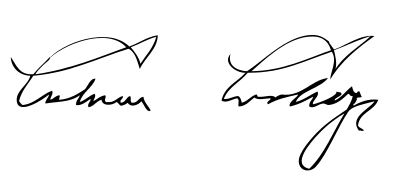
 

           CC signature

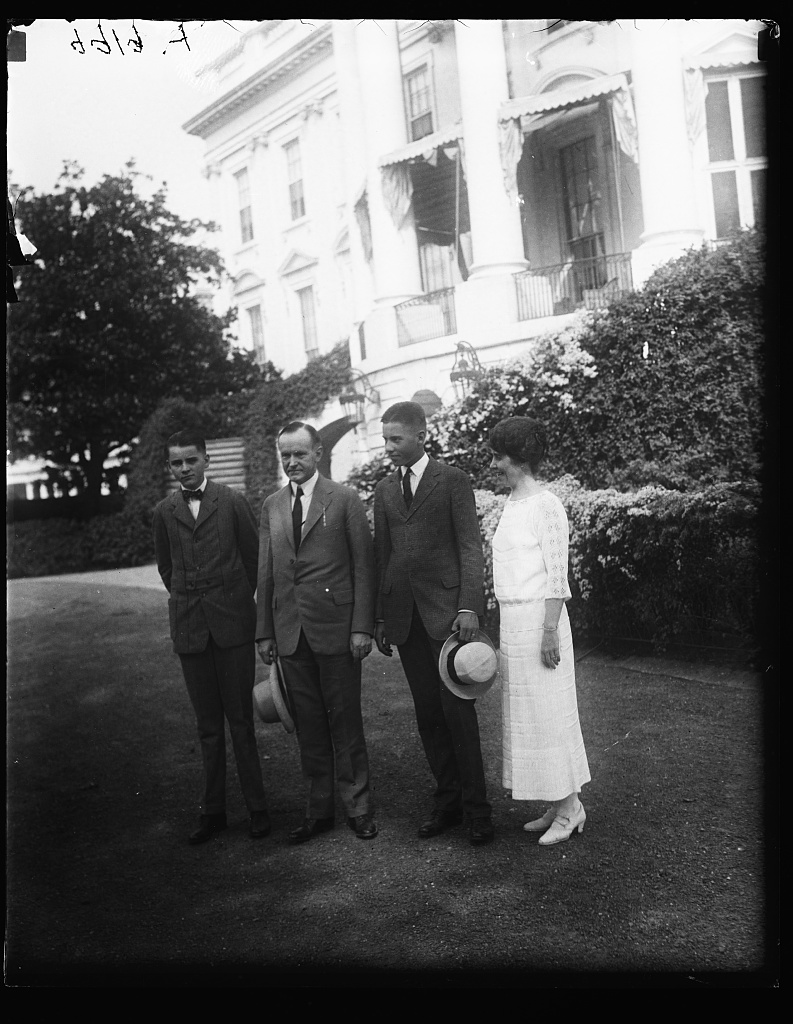
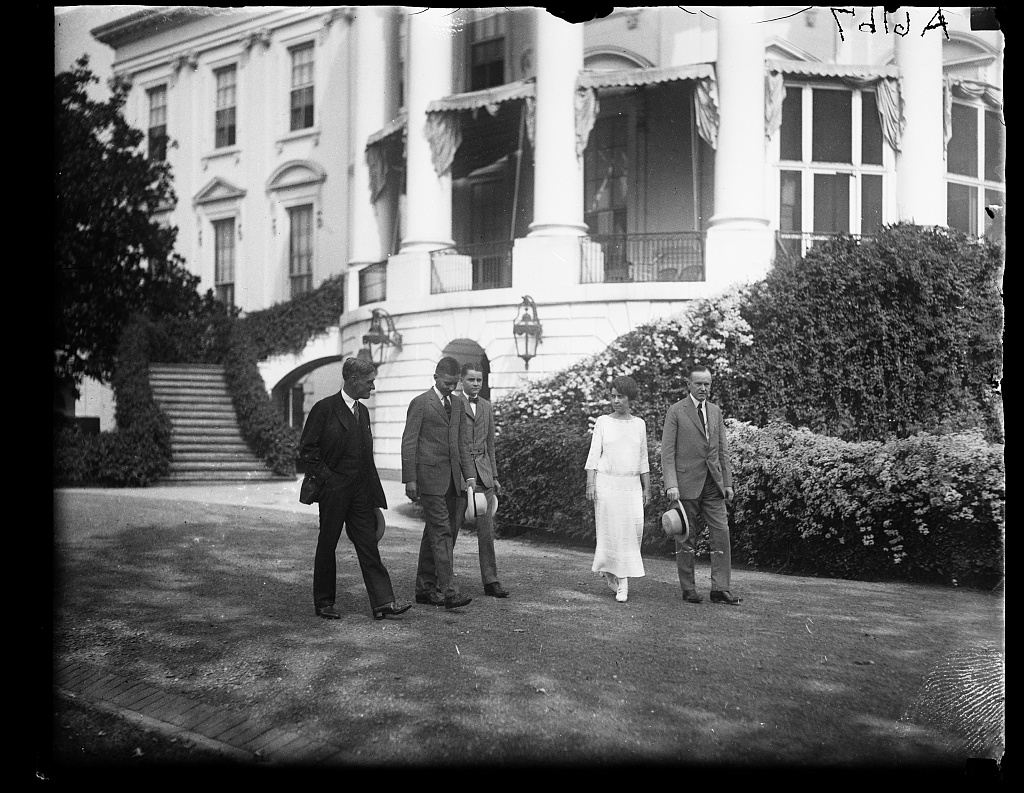
The Coolidge Family walking the grounds of the White House, August 1923. Courtesy of the Library of Congress.

The Coolidge Family walking the grounds of the White House, August 1923. In the picture below, the man to the left is Mr. Christian, the secretary of the late President Harding. Courtesy of the Library of Congress.
43355v Coolidges with Mr Christian

Coolidge’s Thanksgiving Proclamation 1680, shared with you last year remains equally as timely in 2014. It can be found in Richardson’s Supplement to the Messages and Papers of the Presidents, pp. 9326-9328.
Happy Thanksgiving 2014!

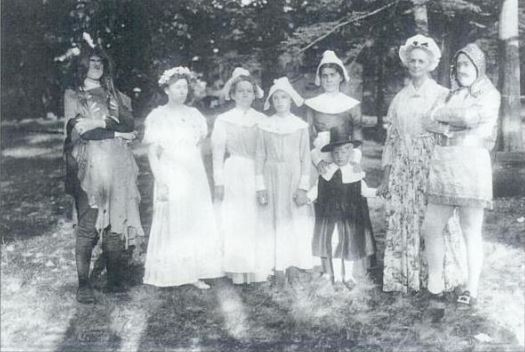
Before the famous headdress shot as President, Mr. Coolidge furnished the part of Indian at the "Wildwood" Pageant for Thanksgiving in 1911. Notice Grace and John, as Pilgrims, stand third and fourth from the right, opposite Cal. He apparently scared his mother-in-law with his appearance upon peering in the window of their Northampton home. Photo courtesy of James M. Parsons. Parson's book "Northampton," part of the Images of America series from Arcadia Publishing, 1996, p.79.

Before the famous headdress shot as President, Mr. Coolidge furnished the part of Indian at the “Wildwood” Pageant of May-June 1911. Notice Grace and John, as Pilgrims, stand third and fourth from the right, opposite Cal. He quite thoroughly frightened his mother-in-law with his appearance upon returning to their Northampton home. Coolidge scholar Jim Cooke recounts, “Grace Coolidge’s mother was visiting when Cal came home in his costume. Lemira Goodhue was napping on the couch and had hooked the screen door. The apparition sought admittance. She looked up to see her son-in-law’s fierce visage and exclaimed, ‘No! No thank you. We don’t want any.’ Photo courtesy of James M. Parsons. Parson’s book Northampton, in which this photo is featured on page 79, is part of the Images of America series from Arcadia Publishing, 1996.

On Presidential Strength

Every generation debates the question of what constitutes strong versus weak Presidential leadership. Of course, the hinges upon which most “strong” Presidential legacies turn are depression and wartime. Conflict, economic decline, and expansive government spending have long been accepted as the conditions for forging great leaders. But what of peacetime Presidents? Do they possess less strength, inferior moral character, less executive acumen? What if the reverse is actually true: that Presidents who succumbed to long nation-building campaigns, from the effort by Wilson to “save Democracy” or to the vast domestic spending programs of Hoover and Franklin D. Roosevelt, were the men who lacked those qualities most important and downright essential to lead responsibly, faithfully and in harmony with America’s constitutional government and free institutions?

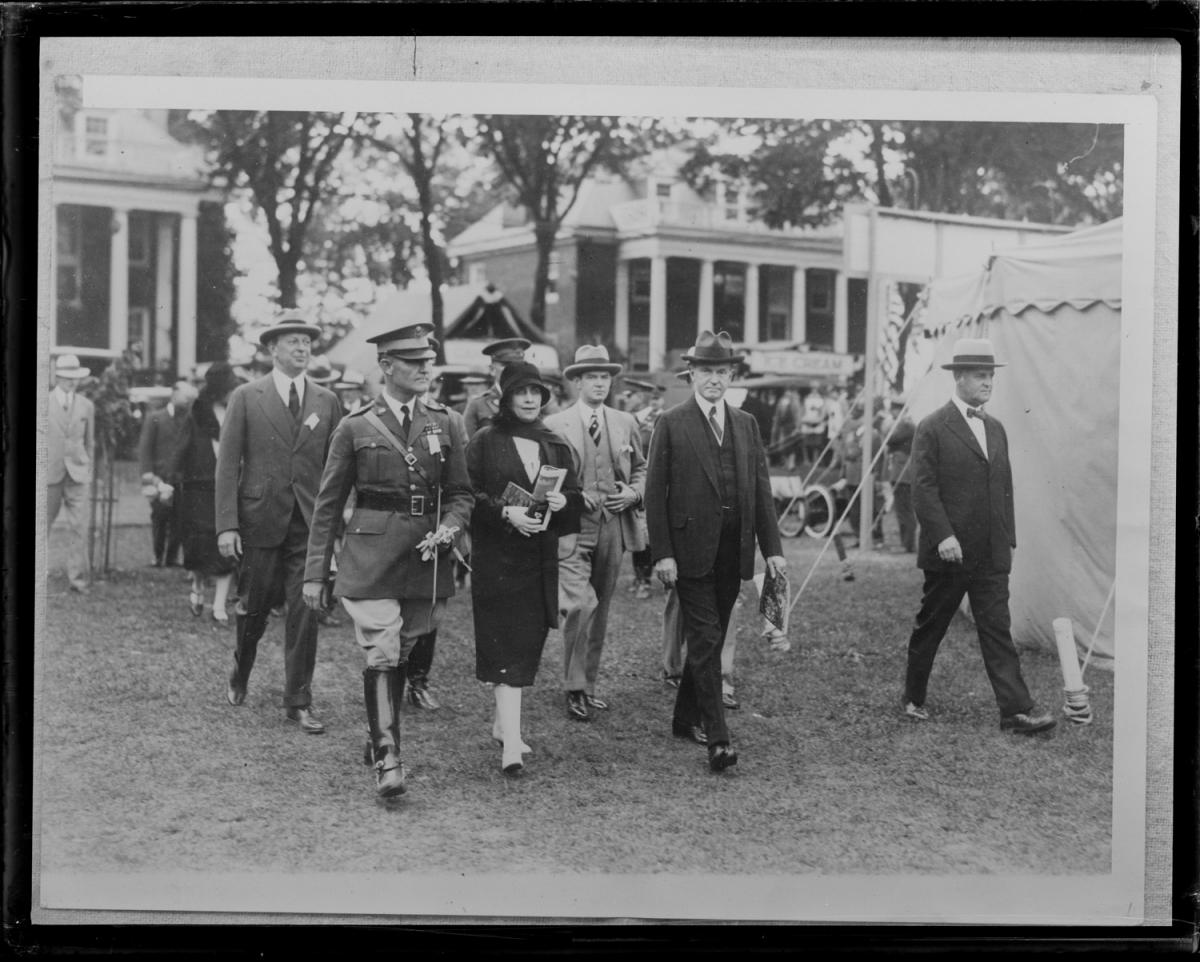
The Coolidges in Virginia, 1928. Courtesy of the Leslie Jones Collection.

The Coolidges in Virginia, 1928. Courtesy of the Leslie Jones Collection.

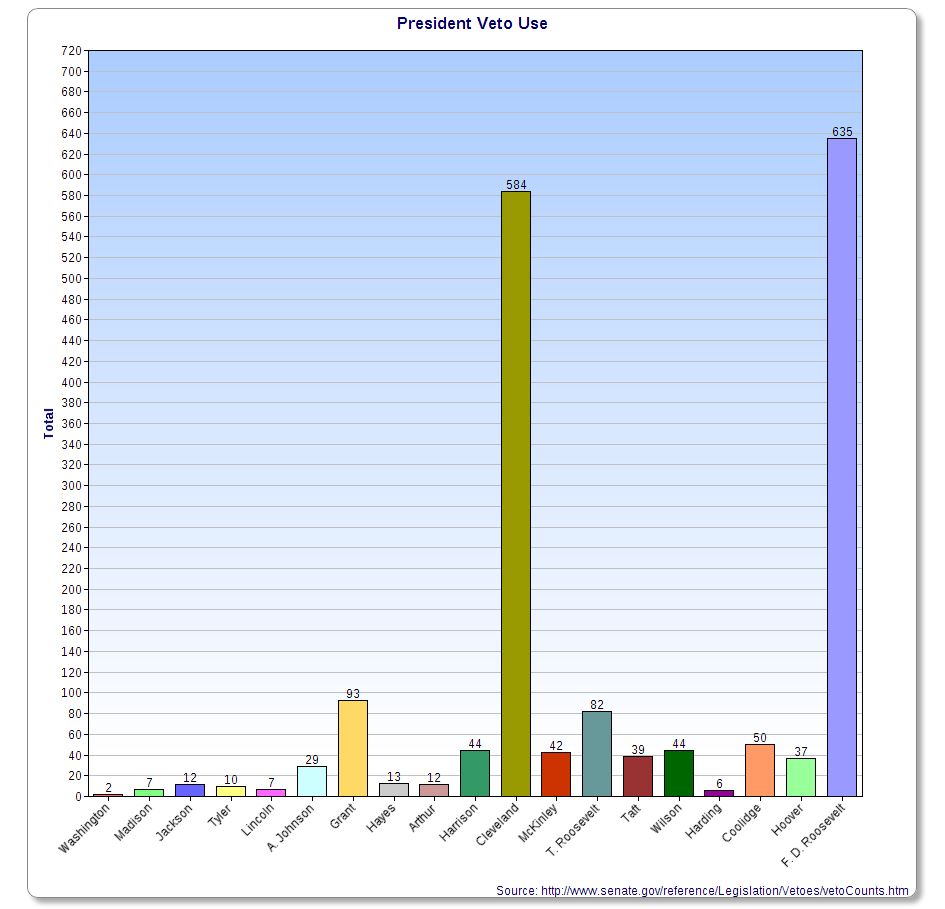
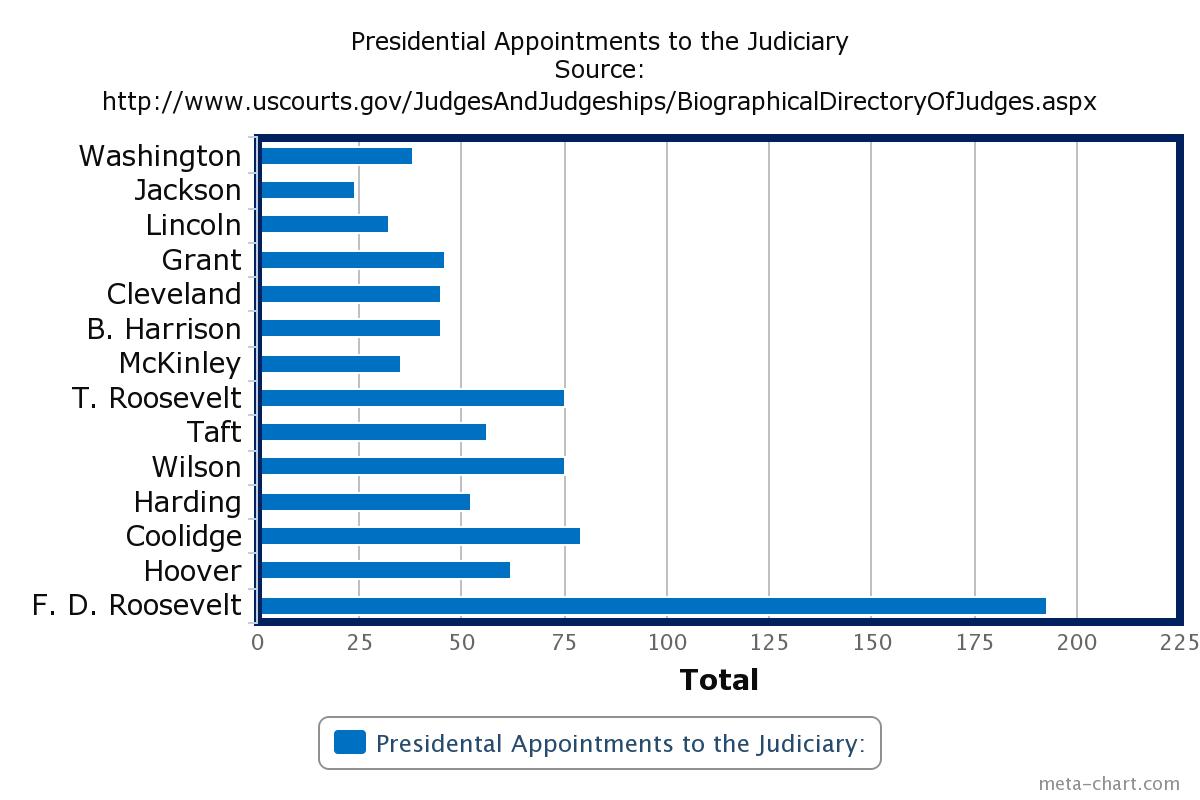
The attention on wartime leaders has overshadowed the powerful record built by those who led in peacetime, like Calvin Coolidge. This unwise and unhealthy neglect obscures the personal and political discipline it required to achieve so much in far less time than most of those who have occupied the White House. He kept Federal spending down, forging six consecutive surpluses, an accomplishment never matched by any of the presidents of the twentieth or twenty-first centuries. Coolidge preserved the balance of authority out of Washington and back toward local and state governance so long as they did not assume the right to do wrong. He brandished the veto fifty times in but sixty-seven months in office, wielded the “bully pulpit” for constructive economy and against the violent radicalism and civil rights abuses of the Wilson years, restored the integrity of the public trust following Teapot Dome, and ably navigated the country through potential post-war conflicts with Mexico, Latin America, Europe and Asia. He ensured the ratification of a peace pact which served as the first step toward legal arbitration rather than a standing policy of military retaliation among nations, scaled back, following World War I, what Eisenhower would later call the “military industrial complex” while ensuring the nation was adequately defended for future conflicts with the first keel-up carrier and fifteen new cruisers, the nucleus of the fleet that fought Japan to a standstill by 1942. He worked mightily to establish the normalcy program of his predecessor, issuing more executive orders than any other Republican president before or since, appointed more Federal judges than any other president before F. D. R., leaving a very strong influence on constitutional jurisprudence that continued into the 1950s, and, most importantly, appealed to respect for America’s historic liberties grounded on a Christian service and engaged citizenship toward one another.

By the time he was ready to leave office, he would write, “Most of the policies set out in my first Annual Message have become law,” a firm reminder that Coolidge was more than a negative force on public policy in the 1920s. The development of modern communication through radio waves and the coming-of-age for air technology are two such achievements. His campaign against lynching and its subsequent decline is another such feat. Taken together, this record reveals a very strong Presidential leadership, anything but what the “court histories” recognize as one of those “weak” men between Roosevelts, a subject they wrongly deem unworthy of mention, let alone careful study and analysis.

These charts help convey how Coolidge measures against other Chief Executives, and presents the argument that Cal rightfully belongs among our most admired, studied and successful Presidents. The strength of his moral courage and his political principles, or rather as he would put, the “power God imparted to him to meet the occasion” makes his place secure among our strongest leaders.

Veto Chart

singleBarChart_jpg-120141122042129

See also, https://infogr.am/lynchings-1919-1932