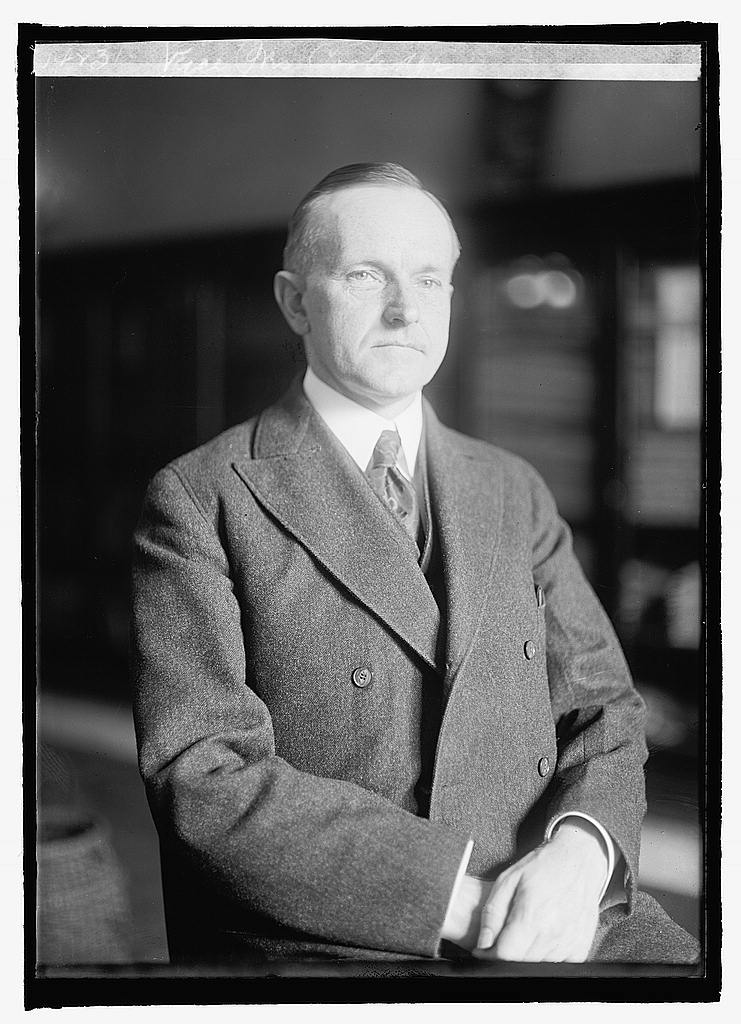
“The words of the President have an enormous weight and ought not to be used indiscriminately” — Calvin Coolidge
Few have so fully understood and so wisely practiced the natural limits of the Presidency as did Calvin Coolidge. It is also ironic that as one of those relegated to the category of “weak” Chief Executives, Coolidge actually strengthened the prestige and power of the office by denying the full use of raw executive power. It was not simply that the President can do a thing but should he, especially when the Constitution, the laws, and fundamental rightness recognize the authority belongs to someone else. Both Mr. and Mrs. Coolidge grasped this lesson well, that the roles they bore required an emptying of the self, a kind of servitude to the Office, not simply a remaking of the job around their wishes, aspirations, personality. Certainly both left their indelible impressions on the Presidency and task of First Lady but their duty demanded something higher and nobler than mere individuals being selfish, self-absorbed or self-serving with their public obligations. The President once rebuked his son for casually expecting allowances would be made for him to arrive to dinner late in casual clothes. Not the son of the President, Cal firmly replied. For Coolidge, an adequate measure of formality, not ornate ceremony, befitted the office. Coolidge disagreed with his predecessor Jefferson that such matters as seating be left to perfect egalitarianism. The Office demanded something more, not to the point of the elaborate or ostentatious, but respectful of the dignity and caliber of the Presidency.
This was especially evident in the mark Coolidge left on how to effectively and prudently employ rhetoric. Being the last classically-educated President we have had, Coolidge deftly grasped the challenge of using official verbiage with the proper balance of clarity, brevity, and precision of timing. He knew the dangers of a constant stream of Presidential utterances, diluting the effectiveness of leadership and influence. He knew the threat of a constant praise that fed the President’s ego and would consciously deflate it to escape such a trap.
Above all, he resolved to use the power of words for good, instead of lighting fires of discontent and stirring revolution, he used the authority he had for good, for edification, for restoring peace after so many years of war, discord, deliberately fomented envy.
He explained his careful use of rhetoric, no easy task, cogently when he said,
“It would be exceedingly easy to set the country all by the ears and foment hatreds and jealousies, which, by destroying faith and confidence, would help nobody and harm everybody. The end would be the destruction of all progress. While every one knows that evils exist, there is yet sufficient good in the people to supply material for most of the comment that needs to be made. The only way I know to drive out evil from the country is by the constructive method of filling it with good. The country is better off tranquilly considering its blessings and merits, and earnestly striving to secure more of them, than it would be in nursing hostile bitterness about its deficiencies and faults.”
He was simply infusing the instruction of Romans 12:17-21 into national politics, which says,
“Repay no one evil for evil. Have regard for good things in the sight of all men. If it is possible, as much as depends on you, live peaceably with all men…[D]o not avenge yourselves, but rather give place to wrath; for it is written: ‘Vengeance is Mine, I will repay,’ says the Lord. Therefore ‘If your enemy is hungry, feed him; If he is thirsty, give him a drink; For in so doing you will heap coals of fire on his head.’ Do not be overcome by evil, but overcome evil with good.”




 The Importance of the Obvious