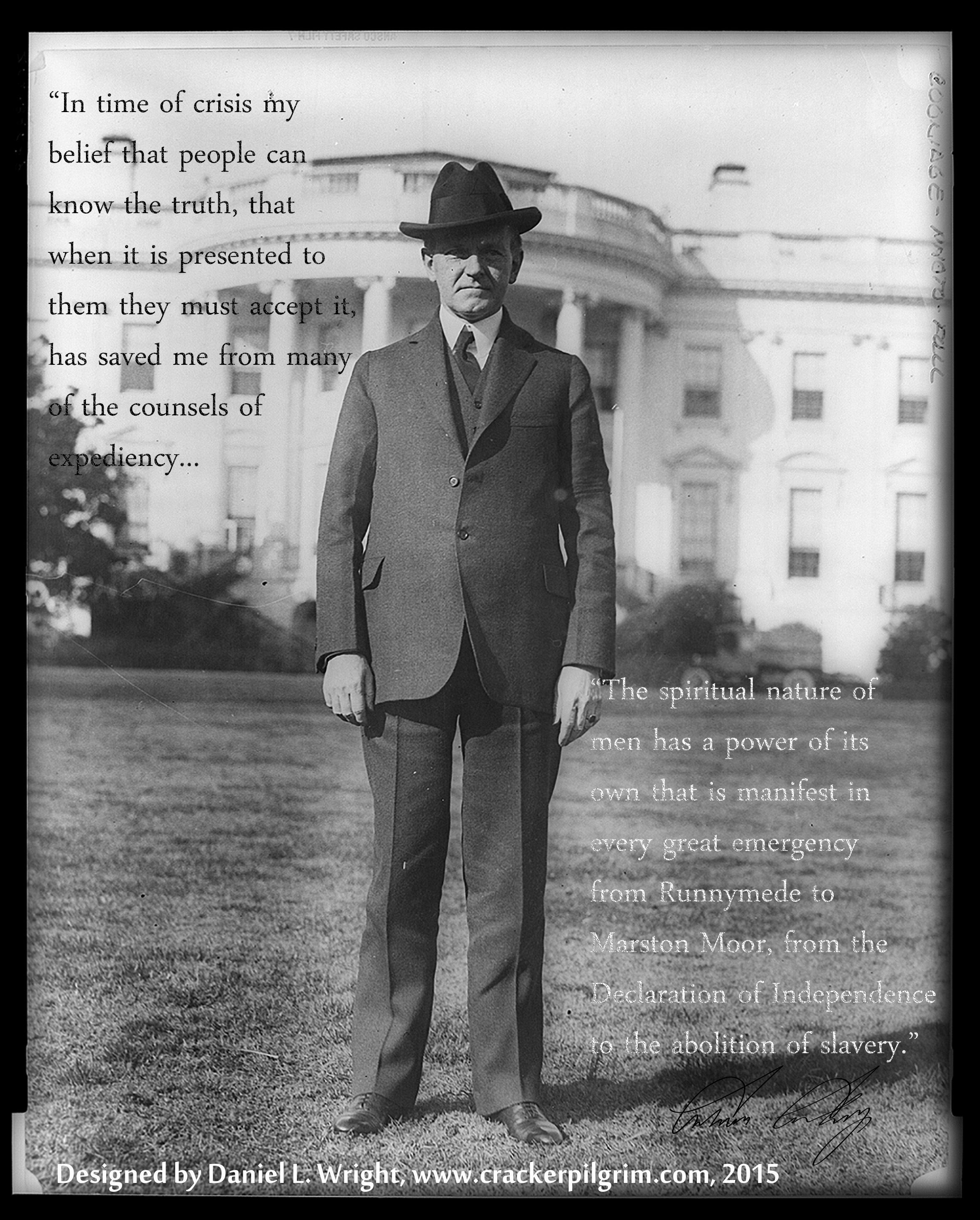
“Conservatism 101: Who is Really a Conservative?”

Bethany Blankley over at Townhall.com gives us a very helpful working definition of conservatism, explained by none other than Mr. Calvin Coolidge. Blankley shows how Merriam-Webster gets it wrong as a belief merely opposed to any and all change. She counters that it is conservatives who oppose the status quo, the default setting that continually attempts to curtail rights and deny responsibilities, stifle freedom and disregard higher laws than those passed by legislative majorities or executive fiat.

Blankley goes on to examine, with the perspective of that most deliberate and methodical of thinkers, Cal Coolidge, what conservatism really is, upon what grounds it, and how it translates into a governing philosophy in the real world. She illustrates how Coolidge – “perhaps the most conservative president of the last century” – achieved his administration’s goals not merely for the economy or some false separation of social vs. fiscal policy but by keeping “life-giving policies” in their primary place as the Founders did.

As Blankley puts it, “Conservatism guided Coolidge to relieve a country crippled by debt and severe economic depression, institutionalized segregation, and class warfare to eliminate the progressive policies Woodrow Wilson and Congress created. Progressives devalued life by institutionalizing oligarchy in America through the 1913 Federal Reserve Act, segregating federal employees, and making illegal interracial marriage. Coolidge evidenced fiscal responsibility by significantly reducing tax rates and the national debt by nearly one third. Debt, he argued, stifled freedom, limited entrepreneurship and economic growth. He advocated for personal responsibility and accountability through the rule of law, attempting to make illegal lynching and racial segregation, and hate crimes. He also sought to create national commissions to help bridge racial divides—yet progressives fought him at every step.” This was more than an economic battle Coolidge waged, it was a moral battle, illustrating that the nature of conservatism is not merely reactive – opposing “progress” for its sake – but rather advances the genuine progress of human life and ordered liberty.

“The root of conservatism is not laissez-faire economic policies that create personal financial profit and power, but principles that value life-giving activities that improve societal welfare.”

Blankley furnishes a perspective on Coolidge and conservatism too few understand or appreciate these days. It is long overdue that Coolidge and conservatism not only find coherent expositers among those running for office in this next election but, just as important, that conservatism is restored to American government after so many years in exile.
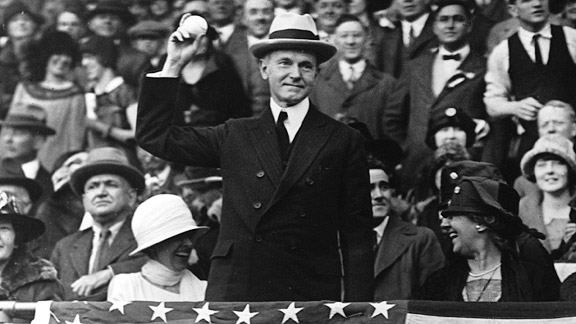
life_coolidge_576

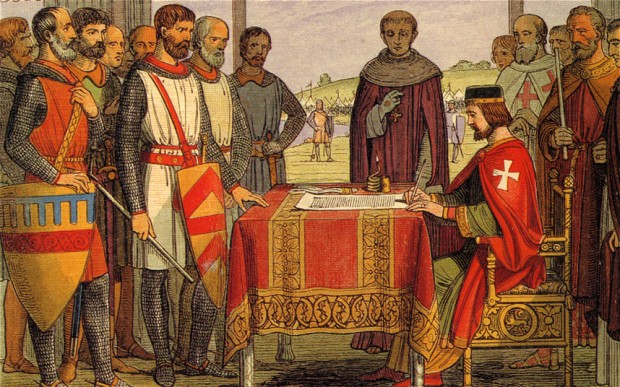
On Runnymede and Keeping Faith in Right to Prevail

BM4BMK_2439855b

As we mark the 800th Anniversary since that brave group of men stood up to the King and insisted that law, not arbitrary whim, governs all (including the monarch himself), we are reminded of what Calvin Coolidge once said about the triumph of constitutional liberty on those quiet fields of Runnymede in 1215. It justified his faith that The People who prevailed there, who won again at Marston Moor in 1644 (defeating those who sought to impose a Divine Right of absolute monarchy over the individual), and triumphed yet further with the Declaration of Independence in 1776 and the abolition of slavery after the War between the States, were worthy of self-government, and that what is right ultimately succeeds. It serves a warning to despots, tyrants, and arbitrary authority wherever it manifests through the ages. Coolidge retained that faith from history and a wise grasp of human nature. Arbitrary authority may be on the march again eight centuries later but the same resolute will to confront it and the same solemn warnings to monarchs echo from that June 15th at the marshes of Runnymede: Magna Carta est lex, caveat deinde rex (“Magna Carta is the Law: Let the King henceforth look out”).

3a33218u

On Lindbergh and the Spirit of America

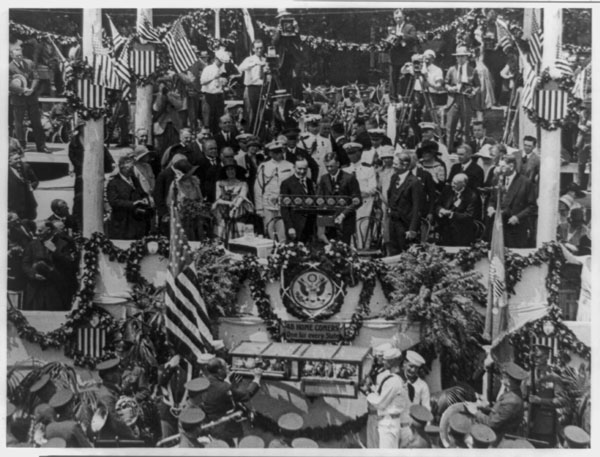
Here is a reminder on the eighty-eighth anniversary of a great achievement – Lindbergh’s crossing of the Atlantic in 1927 – and how Coolidge’s key role in recognizing the advancement of aviation deserves renewed appreciation. Lindbergh’s undeservedly besmirched legacy, in large part due to the malicious campaign to discredit and impugn him by the FDR administration, is now seeing an overdue revitalization. Lindbergh’s love of America, commitment to her air defenses, diligent work on behalf of American intelligence on the eve of World War II, and his principled stand for our due process of law against arbitrary and reckless executive power could not be reappraised at a better time. For further reading on Lindbergh and the campaign to disgrace him see James P. Duffy’s carefully researched book, “Lindbergh vs. Roosevelt” (Washington, D.C.: Regnery, 2010).

gouverneurmorris's avatarThe Importance of the Obvious

Lindbergh-and-Coolidge,-1927It matters not what era or generation we find ourselves, there is an irrepressible impulse to search for and take pride in exceptional deeds, heroic achievements and great examples of character, courage and competence. As Americans we especially prize the opportunity to honor noble men and women. It reminds us that good is still rewarded and it renews our faith. Such was the occasion eighty-seven years ago, when young Charles Lindbergh completed the first ever solo transatlantic flight, a 3,600 mile, 33 and a half-hour feat, from Roosevelt Field in New York to Le Bourge Field, outside Paris, on May 20-21, 1927.

Returning to his homeland, Colonel Lindbergh found a nation ready to recognize what he had done not only for its contributions to aviation but to a much larger degree how he furnished a front-page opportunity to take stock of what was really good and worthwhile about America. Not…

View original post 2,082 more words