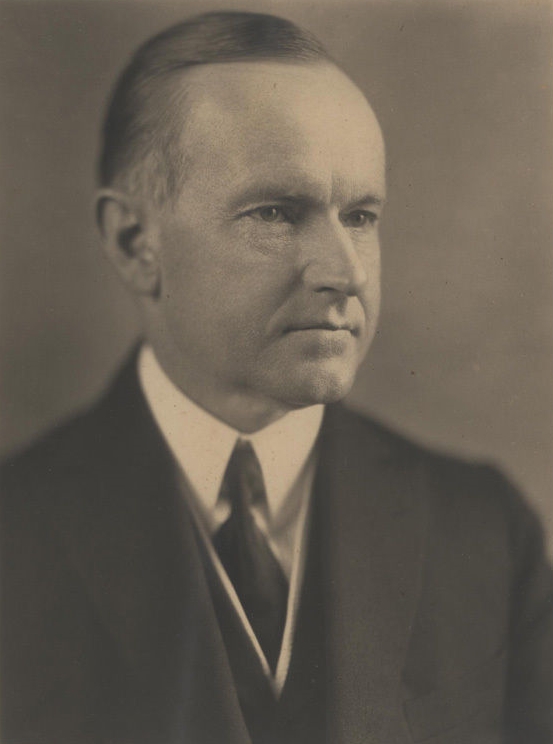
It was during Coolidge’s first term as president of the Massachusetts Senate that he clashed with Governor David Walsh, a Democrat, over a particular bill awaiting the governor’s signature. Heading over to the governor’s office, Coolidge discovered that the bill had not yet been signed. The governor’s secretary then instructed, “Come around tomorrow, senator, and I will give you the pen which he uses in its veto.” Just as quickly, Senator Coolidge shot back, “No, Mr. Secretary, I won’t take it as a gift, but I will swap it for the pen which I use to sign the bill passed over his veto.” With that, Coolidge turned and walked out. Governor Walsh knew that, with Coolidge, an override was no empty boast. The bill was signed.
Civility, for Coolidge, did not preclude his firm resolve to confront the “other side,” forcing Democrats to explain their positions to voters. When Coolidge faced opposition, the solution was not to surrender the field to appear open-minded or magnanimous but rather to demonstrate the strength of his position with logic, confidence and a strong measure of wit. He never arrived at a position hastily considered. As such, he expected those around him to exercise the same thorough certainty. He cared nothing for electoral costs from the positions he took. He took them because, having thought them through, knew they were right. If he lost, he could return home, preserving integrity whatever the result might be.
He was not a man to see “moral victory” in Republican losses either. The belief in our system, limited government, low taxes and freedom under law deserved full support, no less by those who wear the name, “Republican.” The name stood for specific principles. The name entailed worthy ideas to be defended and explained not discarded and apologized for every election cycle. It was never a virtuous or wise thing to teach others a lesson by deliberately withholding support for these principles or the candidates who espoused them in order to protect a convoluted, purist view of Party pecking order. Coolidge knew that a courageous and truthful articulation of sound principles deserves and keeps the public trust. Anything short of empowering informed voters with a full realization of the policies and leadership they are going to get in their candidate, the campaign is a failure. To cater to, as individuals or as political parties, the disingenuous, fraudulent or pandering politician is not civility, it is a repudiation of sound government and a betrayal of faithful service to the people.


 The Importance of the Obvious