On Presidential Pedigree

45058v caboose of train 1925

“It is customary I suppose for those who are interested in those things to look into the possible inherited background of Presidents. Some one has dug out a tradition that my family, the Coolidges, came from a place in Normandy. The French spelling was Colynge. I have seen on the screen within a short time a picture of a castle in that town–I can’t tell the name of the town. Now I assume that that meant that we had a Norman background, which as I indicated yesterday was a Norse or a Norwegian background. I have got so many backgrounds of one kind or another that I am pretty purely American, having I believe a little tinge of Indian blood in me. I simply speak of the Norman background as of a little interest on account of the Norwegian gathering yesterday. I have got several others that I don’t need to dwell on–Scotch, and, Colonel [Michael] Hennessy says, Irish” — Calvin Coolidge, press conference on June 9, 1925 (The Talkative President, p.42).

Virtually since the beginning, people have been drawn to trace lineage to someone renowned and respected, especially in the last two hundred years when that someone is among our favorite Presidents. While family histories certainly make for fascinating discoveries, at times connecting us closer than first realized to the heroic, human nature seems driven to conclusively confirm that greatness exists through bloodlines instead of through traits of character. Still, it is telling that our nation’s heroes are known for their courage, hard work and service, from George Washington to folk figures like John Henry. They triumph over tragedy through discipline, perseverance, and sincerity. They stand as men and women not as petty, dependent victims. Coolidge, like most Americans, was entirely unashamed of his status as a “mutt” rather than a fancy purebred. Overemphasizing family heritage to bring us closer to what was noble and worthy, especially in America, is missing a very real opportunity. Each one of us can realize the regal inheritance we already possess as Americans under our system of liberty and responsibility. Yet, and even more importantly, partaking of the honor takes genuine effort because it is test in moral virtue not material status. This is why slavery has been the normal condition of human experience. It is easier than true freedom.

While Coolidge could just as readily be looking ahead and looking behind, he summarized America’s kind of nobility this way,

“Although all our Presidents have had back of them a good heritage of blood, very few have been born to the purple. Fortunately, they are not supported at public expense after leaving office, so they are not expected to set an example encouraging to a leisure class. They have only the same title to nobility that belongs to all our citizens, which is the one based on achievement and character, so they need not assume superiority. It is becoming for them to engage in some dignified employment where they can be of service as others are. Our country does not believe in idleness. It honors hard work.” Or, when he said, “There can be no national greatness which does not rest upon the personal integrity of the people.” What makes Americans noble is not found in their ancestry or genetic pedigree, but rests on the self-control, honesty, humility and sense of service each individual cultivates in the heart, the mind and in one’s actions. Coolidge never subscribed to the false premise that greatness is some unattainable birthright or gift from those in authority. Greatness resides in the small things, truth loved above pretense, a job well-done, sacrifice quietly rendered. “We need never fear,” Coolidge once observed, “that we shall not be called on to do great things in the future if we do small things well at present.” As it says somewhere else, “Do you see a man who excels in his work? He will stand before kings” and “He that is greatest among you shall be your servant.”
“Calvin Coolidge” by Jerry Wallace
Here is an awesome half-hour presentation of the life and landmark accomplishments of Calvin Coolidge by superb scholar Jerry Wallace to the Wichita Pachyderm Club. His irreplaceable volume Calvin Coolidge: Our First Radio President has contributed so much toward shattering the myth that Cal was too inept and silent to make use of the new medium of radio. In fact, Mr. Wallace explains that far from being a failure, Calvin Coolidge bequeaths an historic legacy as not only a masterful communicator but effectual doer and successful President. This is well worth the listen!

Continuing in the Steps of Calvin Coolidge

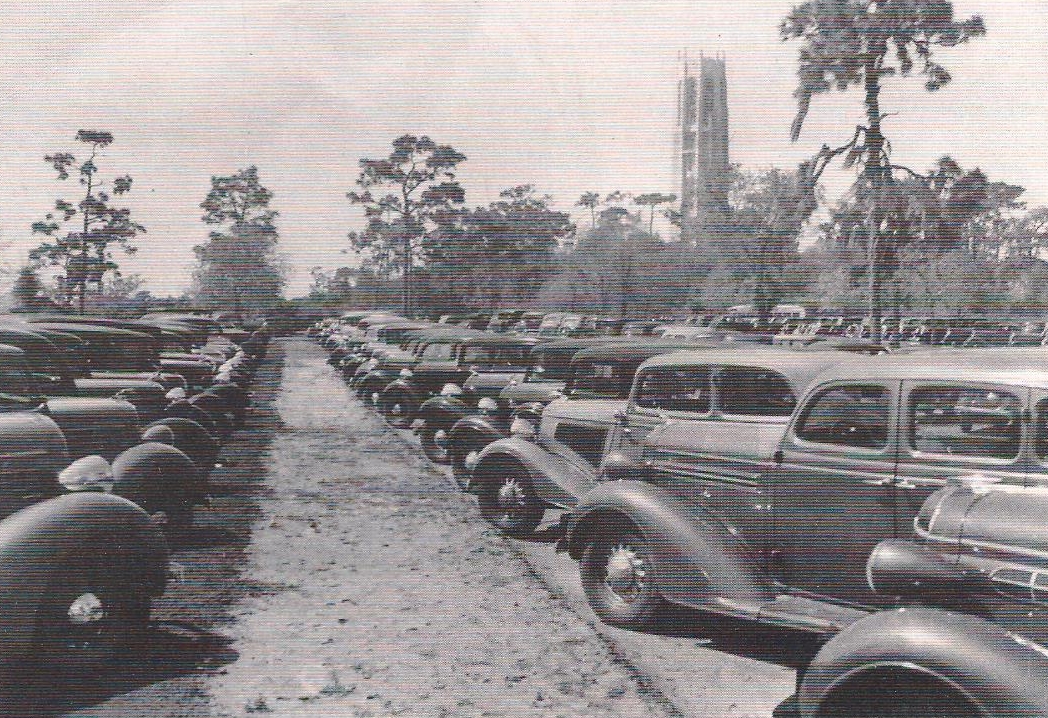
Roads had begun filling for miles around since that morning. Keeping in mind that roads then were not what they are now, which, at that time were principally gravel and dirt trails. Some seventy-five thousand people descended on the area that February 1, 1929, to attend the dedication. Whole towns ran out of food and gas and traffic came to a standstill.

The parking lots on Dedication Day, February 1, 1929

The parking lots on Dedication Day, February 1, 1929

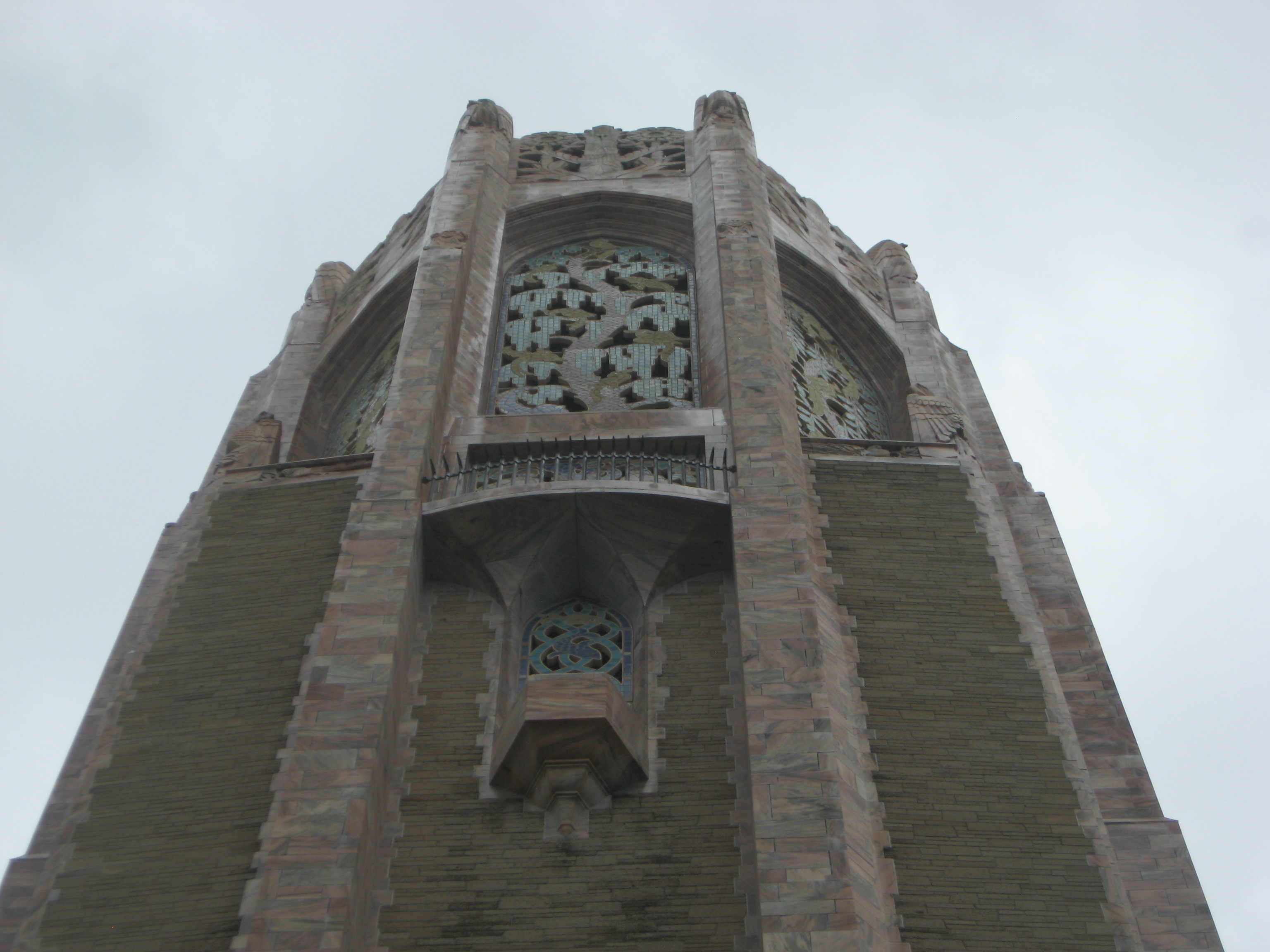
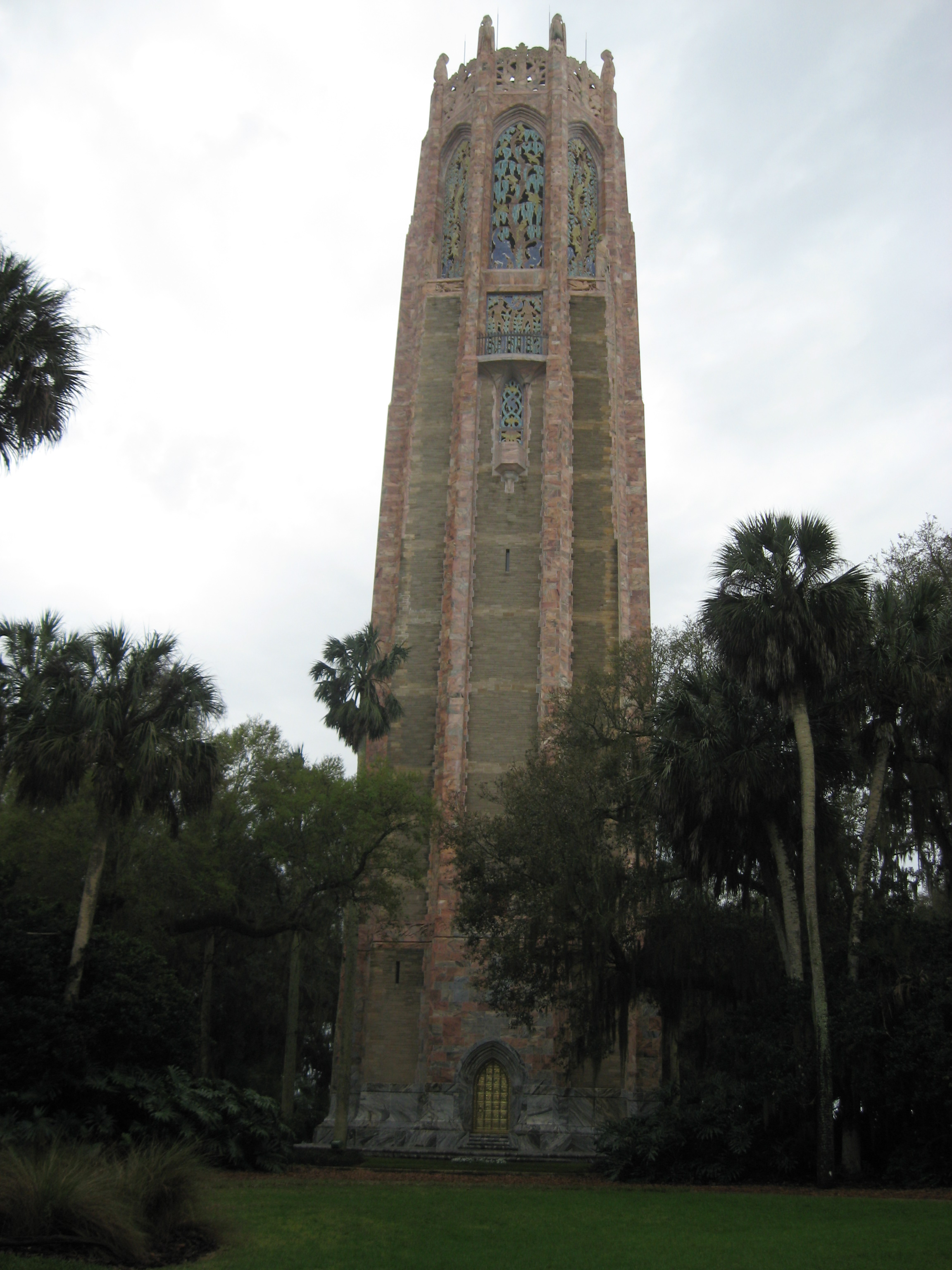
Driving in as close as possible, families trudged through the mud with what food and water they could carry to see Edward Bok’s Singing Tower and hear the bells firsthand. They were especially drawn to this dedication because the President — Calvin Coolidge — would be there to speak. It was going to be one of his last major Presidential addresses as he would be leaving office in just over a month.

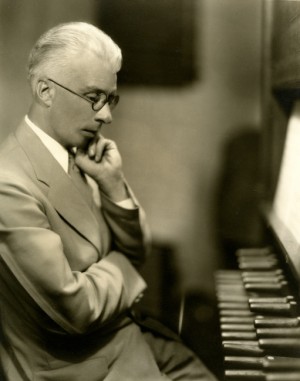
Masterful carillonneur Anton Brees sitting at the 60-bell carillon in the Tower.

Masterful carillonneur Anton Brees sitting at the 60-bell carillon in the Tower.

The Great Bell, the largest of sixty bells housed in Bok Tower from a picture taken in 1928 in England, where it was cast to be transported across the Atlantic and over rails to its place as the centerpiece of Bok's musical assembly.

The Great Bell, the largest of sixty bells housed in Bok Tower from a picture taken in 1928 in England, where it was originally cast to be transported across the Atlantic and over rails to its place as the centerpiece of Bok’s musical assembly.

The President and Mrs. Coolidge arrived for their first visit to Florida on an Atlantic Coast Railway special out of Washington. Deboarding from the Mountain Lake Station in Lake Wales, they would be escorted the short drive around Mountain Lake to the Tower grounds that afternoon. The Coolidges took their seats in the temporary pine platform specially put up for the dedication on the Tower’s south side and listened as carillonneur Anton Brees played “America” inside the Tower and the six hundred voices of the United Singing Societies of Polk County performed “The Glory of God in Nature” and “Hallelujah” from Handel’s Messiah. Introduced by Mr. Bok, creator of the Tower and its lush gardens, President Coolidge took to the podium to dedicate what the site meant to America and all who were there that day.

The United Singing Societies of Polk County, positioned opposite of the President and platform, on the south side of the Tower, February 1, 1929.

The United Singing Societies of Polk County, positioned opposite of the President, February 1, 1929.

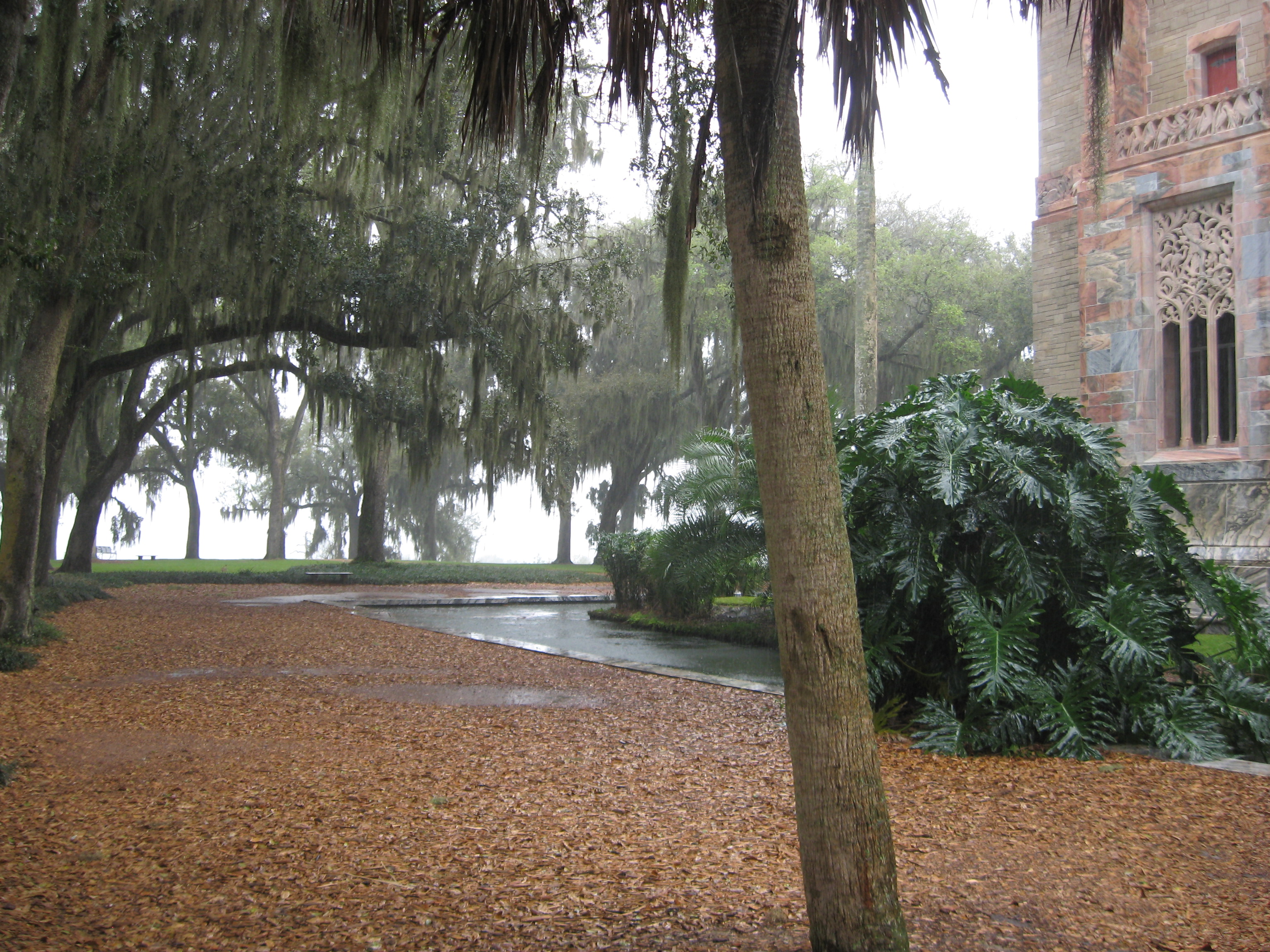
The bells, played by Anton Brees, would resume as they chimed out “Onward, Christian Soldier” and other music to the silent amazement of all those present. The largest silk flag in the South up to that time, would be raised near the pinnacle of the Tower as a completion of the day’s events and the President and Mrs. Coolidge would be led around to see more of the grounds and the inside of the Tower. Grace Coolidge would even plant a palm tree beside the trail leading up to the Tower. Mistakenly attributed to the President, it was the First Lady who did the honors. It remains quietly standing there beside the creek with a weathered plaque to commemorate the 1929 dedication. Coolidge would even reappear from the lower balconies on the south and west so that he could be better seen by those who had come so far.

Cover of the Dedication Program printed for the event, February 1, 1929.

Cover of the Dedication Program printed for the event, February 1, 1929.

He likely remembered on this occasion the first time he saw a President, when as a teenager he heard Benjamin Harrison address the crowds at Bennington, Vermont. “As I looked on him and realized that he personally represented the glory and dignity of the United States I wondered how it felt to bear so much responsibility and little thought I should ever know” (The Autobiography, p.52). He always made a point of making himself accessible to young people in order to inspire them with a sense of both personal potential and faith in our republican system of government. The President was not some distant, aloof ruler but one of them. Coolidge recognized that any one of those youngsters might themselves be inspired to take up public service as President some day.

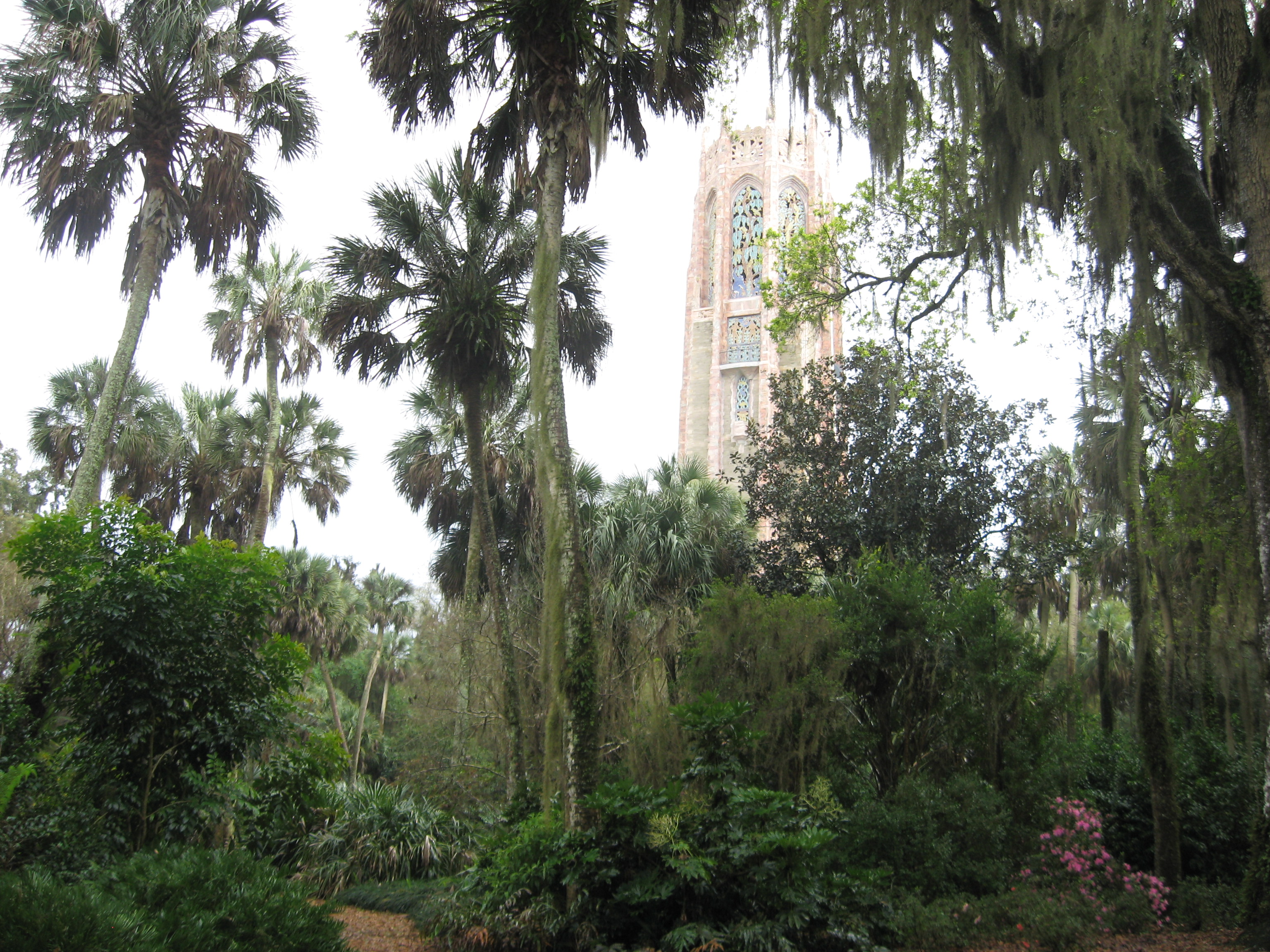
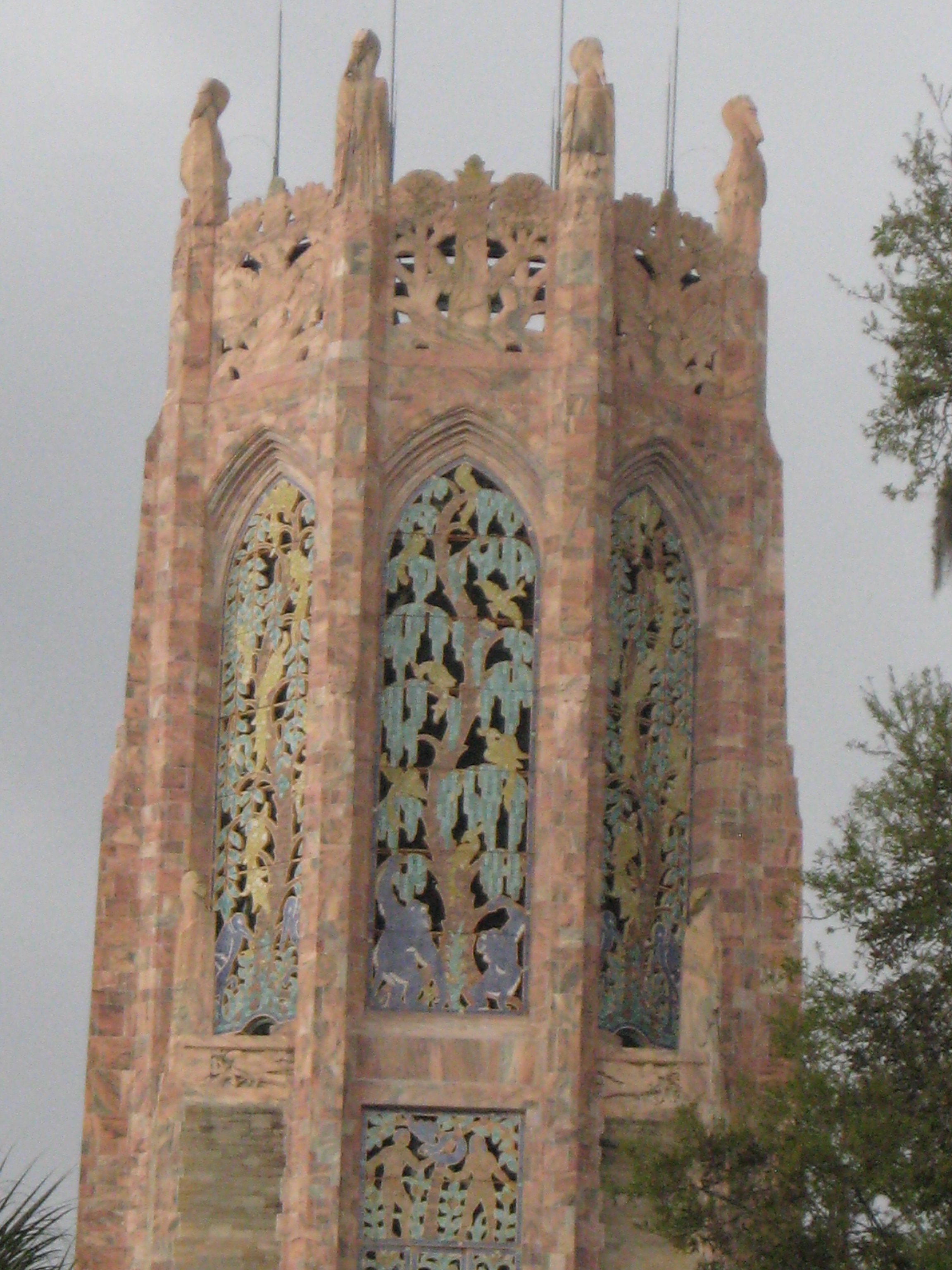
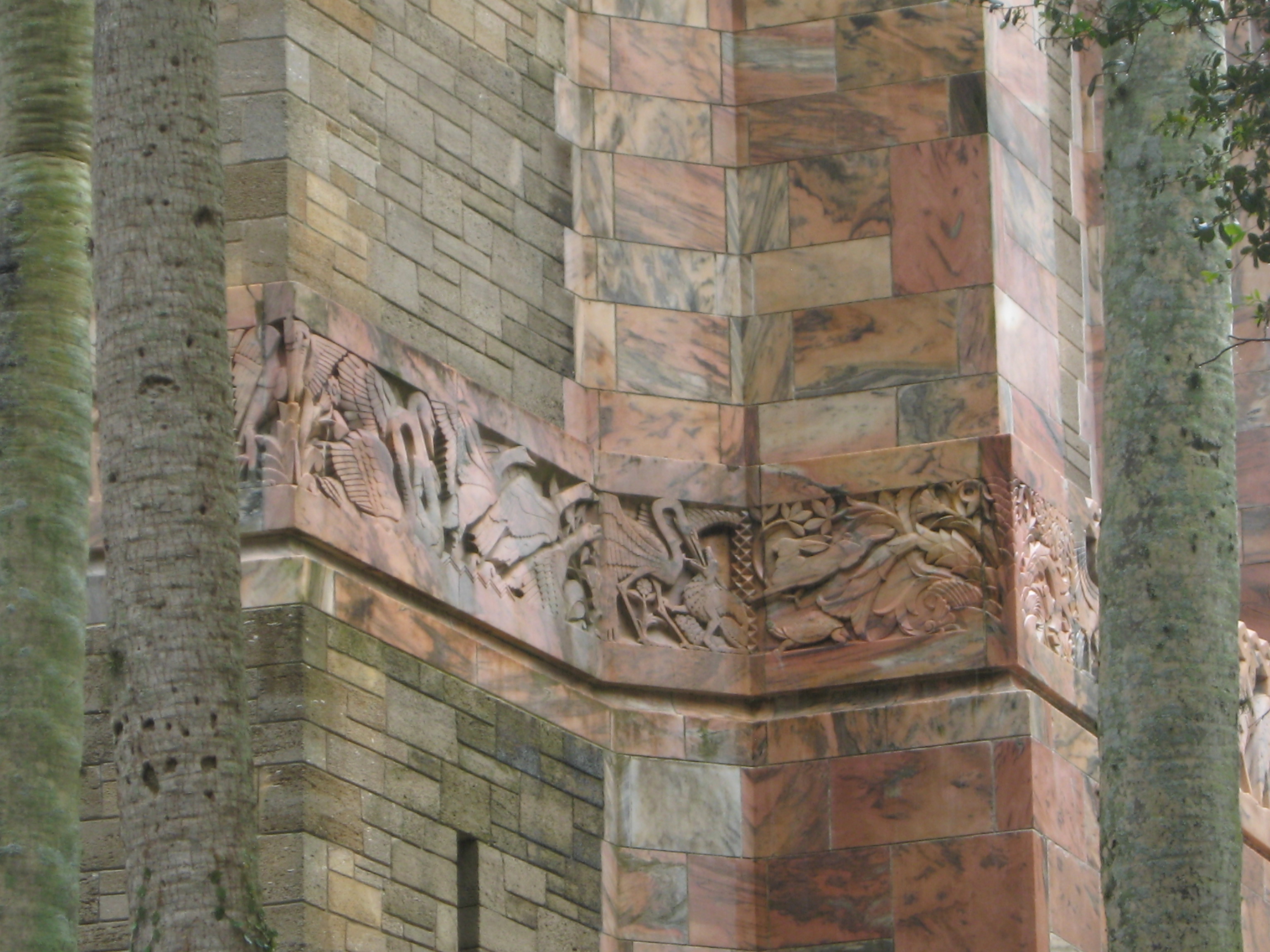
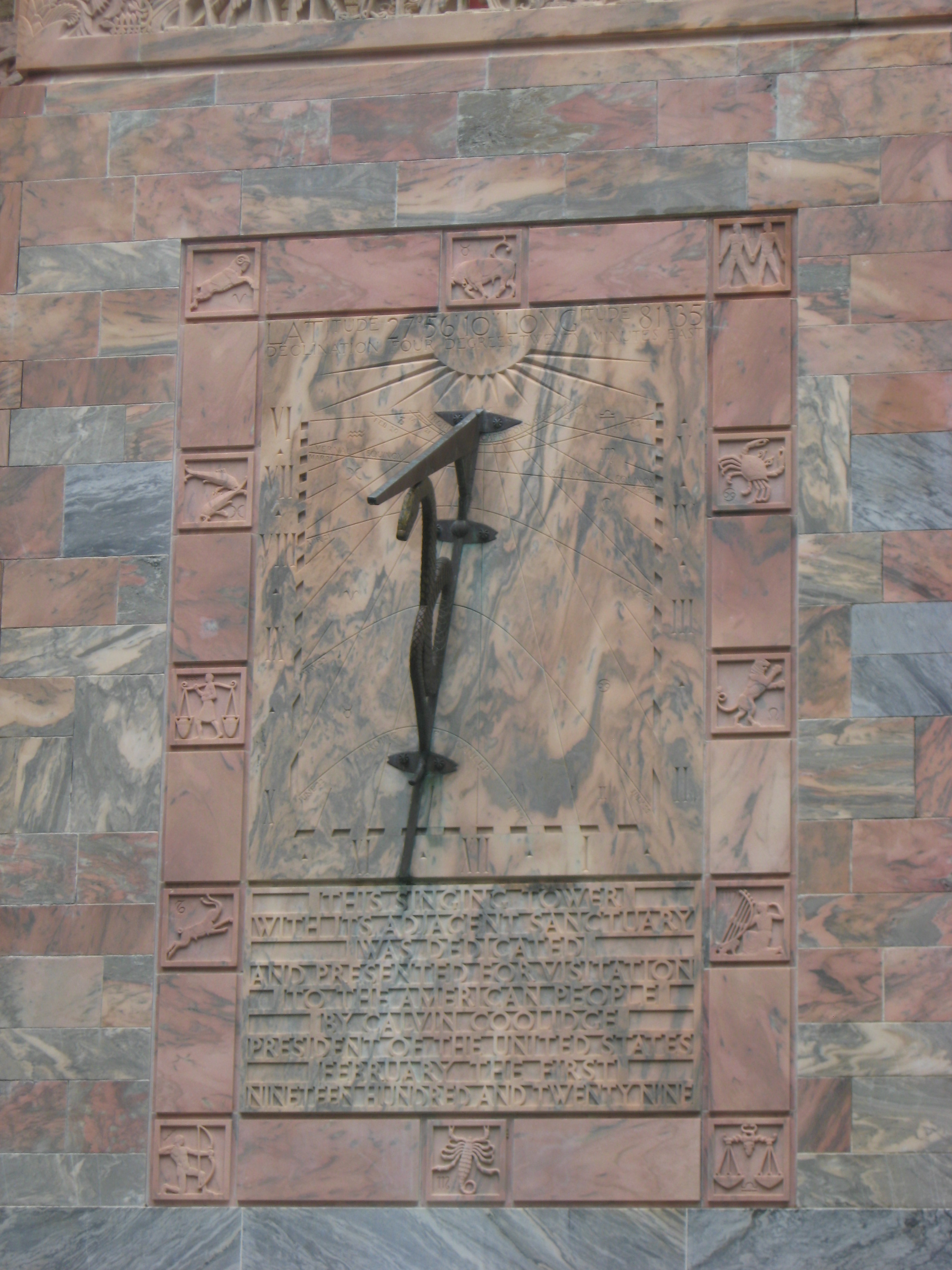
Invited to Mr. and Mrs. Bok’s home for that evening’s supper, the Coolidges sat with Governor Carlton and those who served in Florida’s state government at the time. The President and First Lady then boarded the train and returned to Washington that night. The words dedicating this Tower can be found today carved into the coquina and marble below the sundial. It is a fitting tribute not only to the majestic beauty of the site but also to the vision of men like Edward Bok and Calvin Coolidge to imagine great things, put them into being and call us to reflect on God’s work both around and in us.

IMG_0505

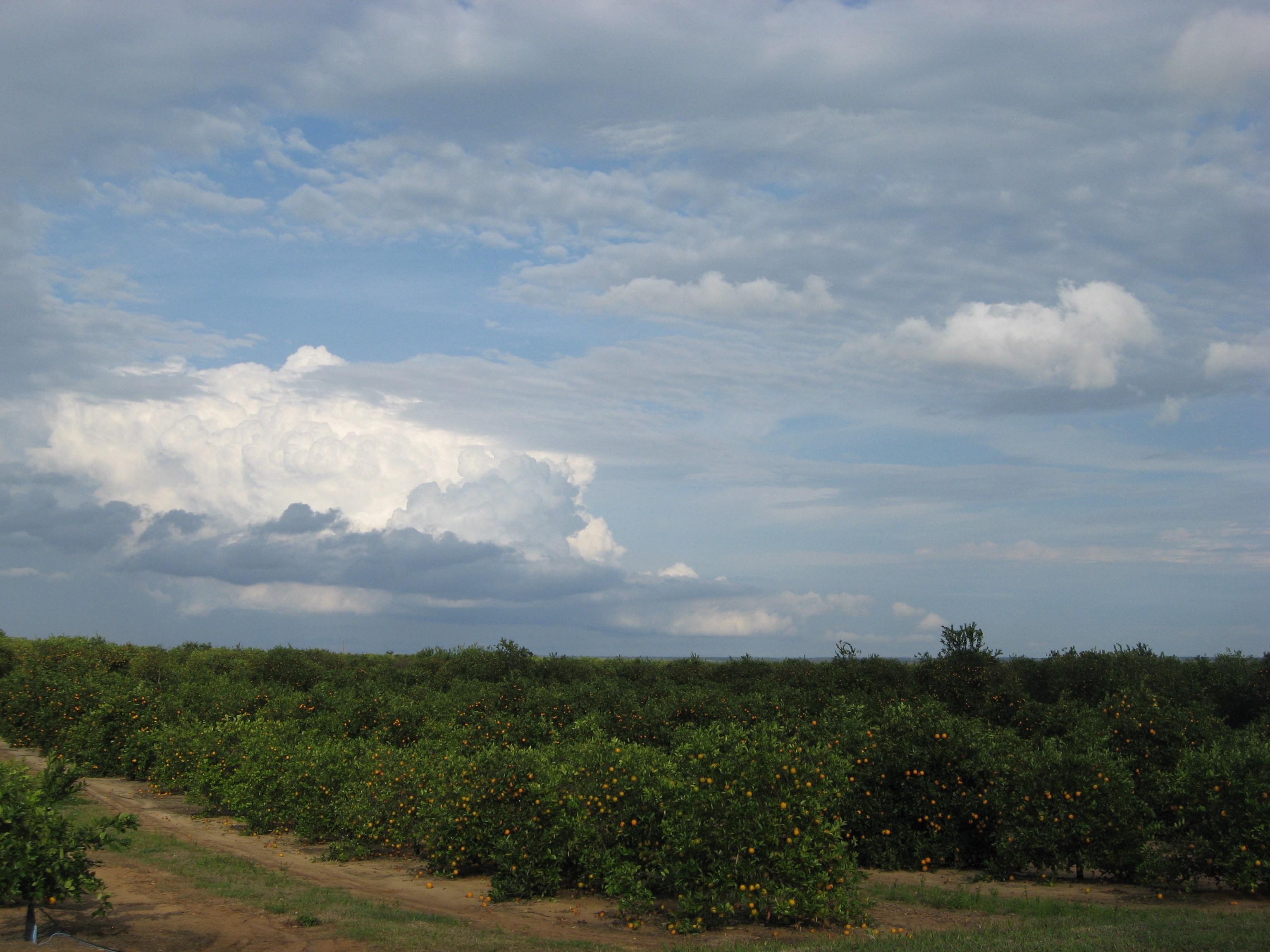
These orange groves met us on the way to Bok Tower. It reminds us of the drive through the oranges on Dedication Day told by Horace Herndon.

These orange groves met us on the way to Bok Tower. It reminds us of the drive through the oranges on Dedication Day told by Horace Herndon.

IMG_0503

The carillon played by Anton Brees at the Dedication by President Coolidge

The carillon played by Anton Brees at the Dedication by President Coolidge

IMG_0467IMG_0269IMG_0376IMG_0261IMG_0262IMG_0263IMG_0264IMG_0267IMG_0268IMG_0270IMG_0272IMG_0275IMG_0289IMG_0292IMG_0295IMG_0301IMG_0302IMG_0347IMG_0348IMG_0349IMG_0360IMG_0375IMG_0277 IMG_0279 IMG_0281 IMG_0282 IMG_0286 IMG_0290 IMG_0305 IMG_0306 IMG_0307 IMG_0308 IMG_0310 IMG_0312 IMG_0313 IMG_0314 IMG_0318 IMG_0319 IMG_0321  IMG_0324 IMG_0326 IMG_0327 IMG_0329 IMG_0330 IMG_0334 IMG_0337

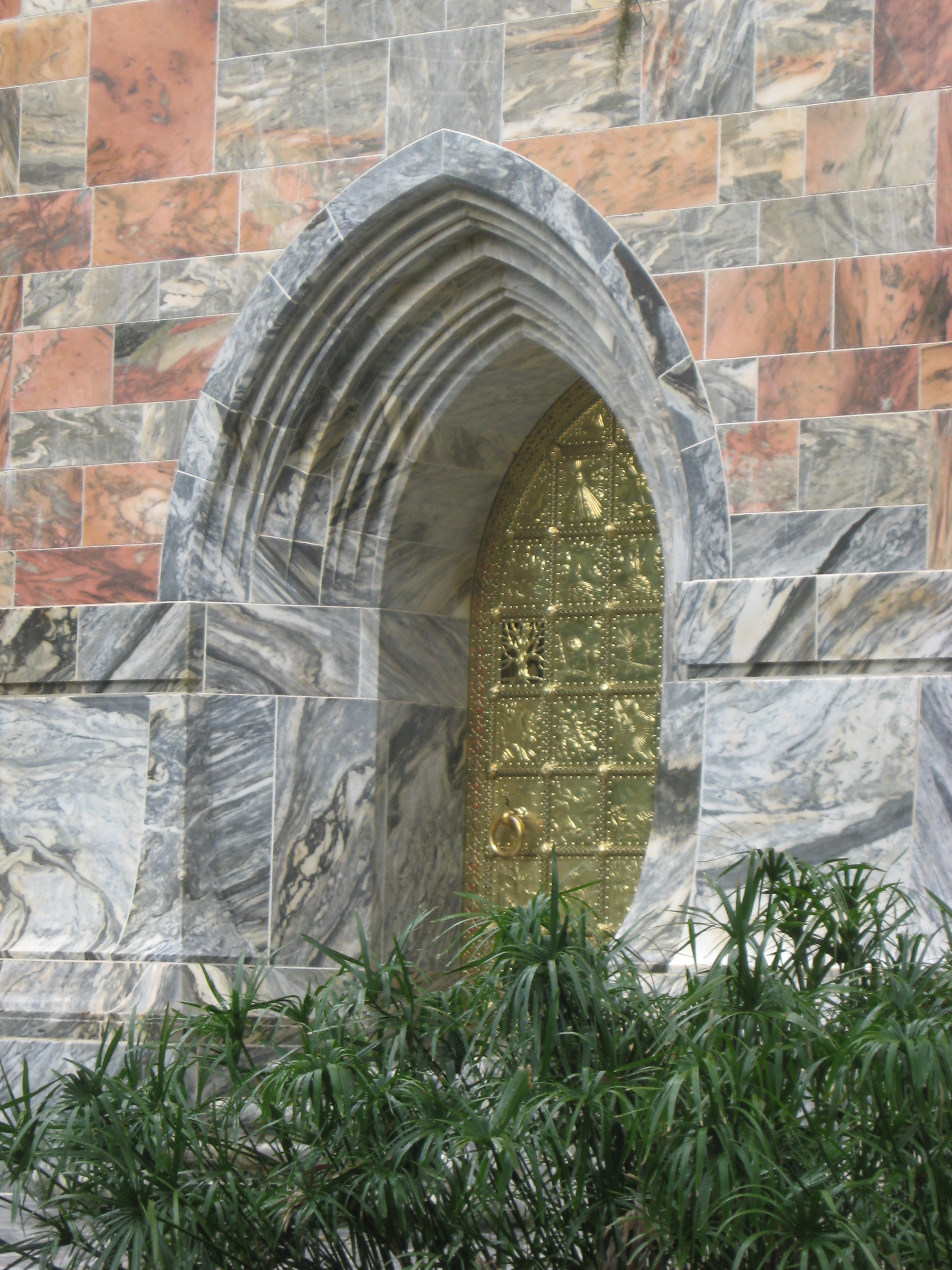
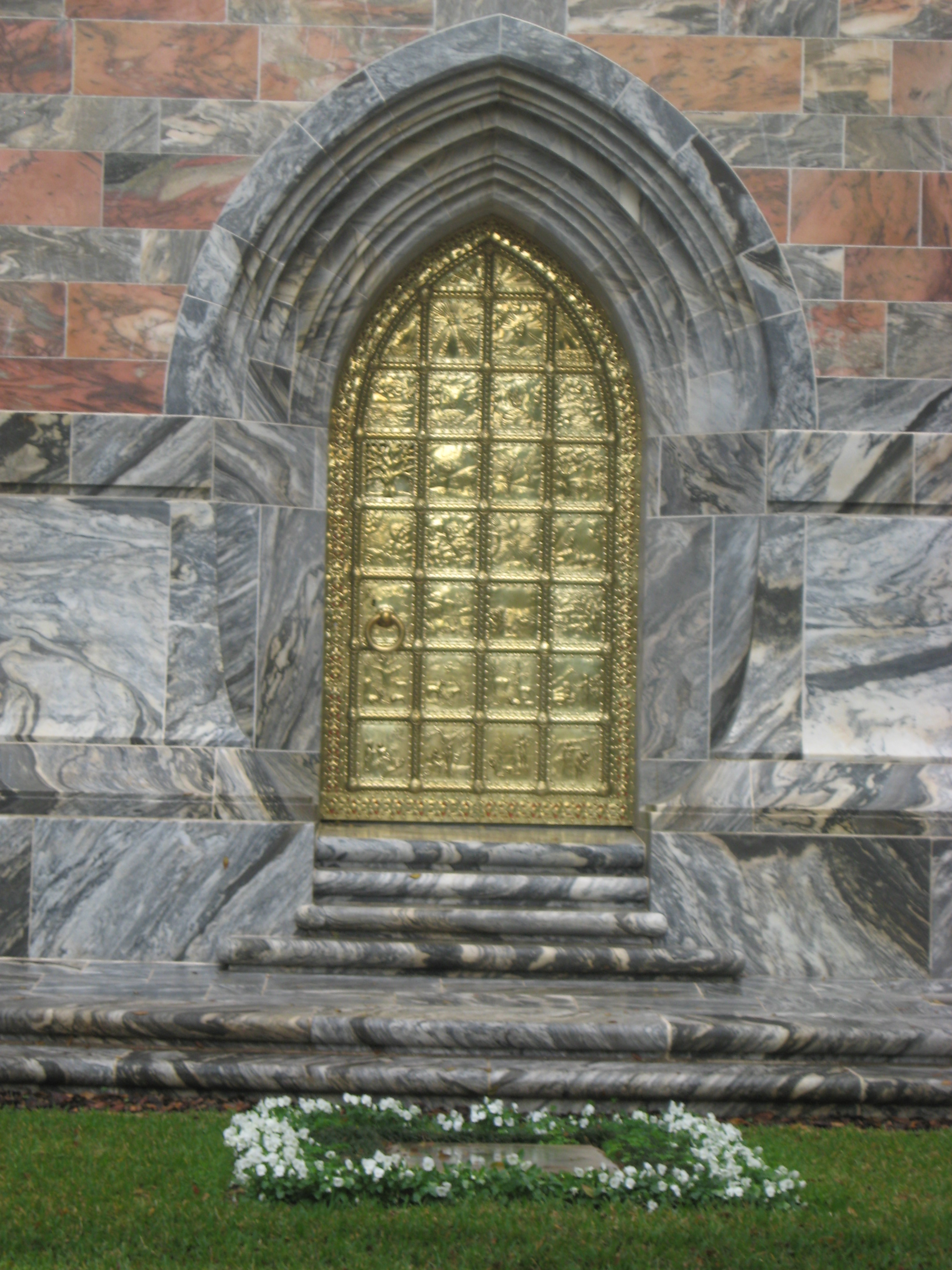
The Golden Door on the north side of the Tower, depicting the Creation and Fall of Man. Mr. Bok's grave lies at the foot of the stairs, surrounded by white flowers.

The Golden Door on the north side of the Tower, depicting the Creation and Fall of Man. Mr. Bok’s grave lies at the foot of the stairs, surrounded by white flowers.

IMG_0355 IMG_0359IMG_0322IMG_0390IMG_0395IMG_0396

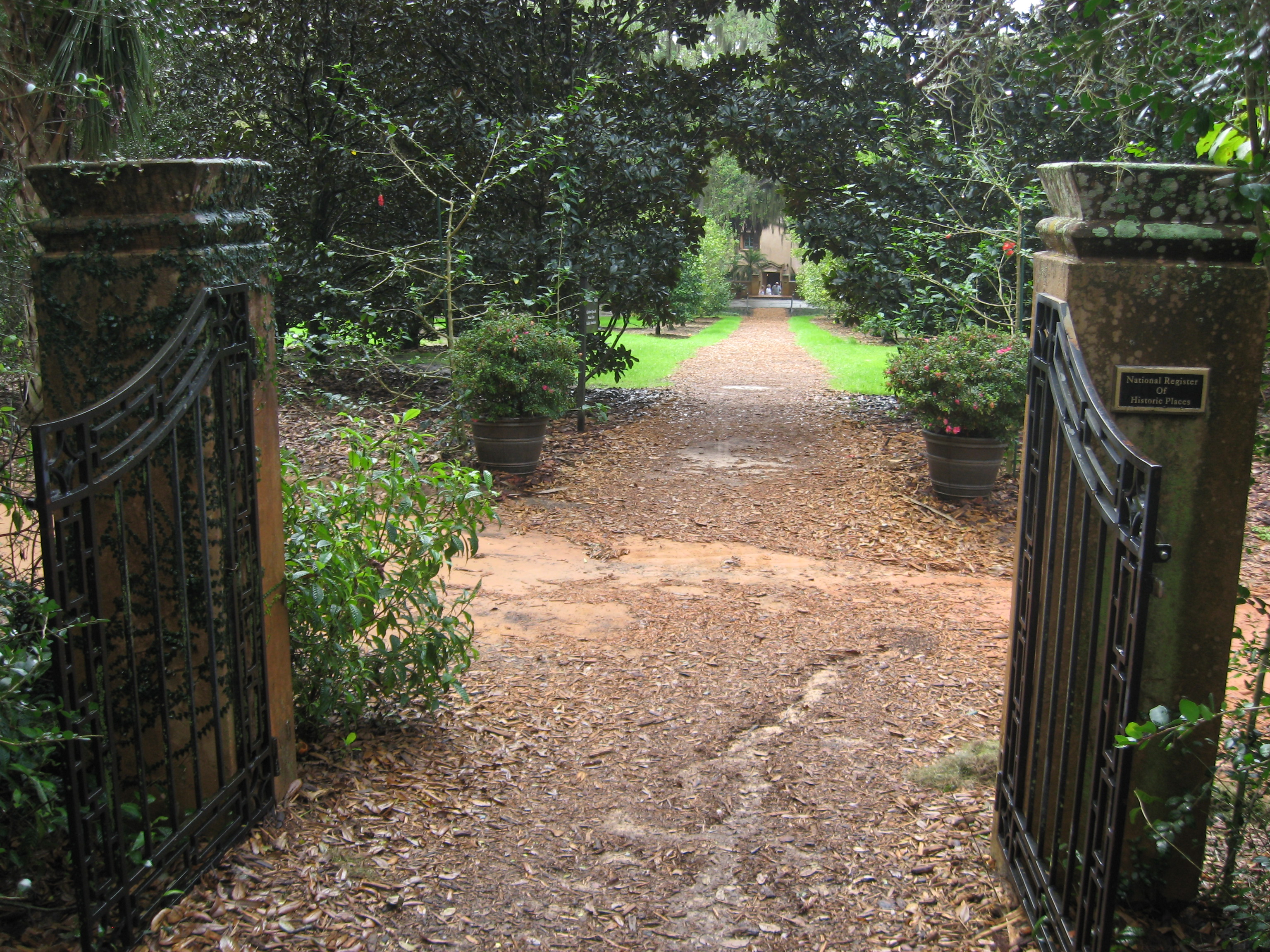
Entrance to Pinewood Estate across from Bok Tower through the Gardens.

Entrance to Pinewood Estate across from Bok Tower through the Gardens.

IMG_0401IMG_0402IMG_0406IMG_0407IMG_0408IMG_0409IMG_0413IMG_0416IMG_0426IMG_0428IMG_0431IMG_0433IMG_0436IMG_0443IMG_0444IMG_0453IMG_0457IMG_0458IMG_0462IMG_0463IMG_0464