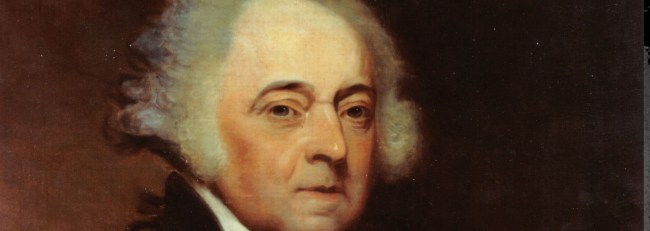
July is a pivotal month for America. It marks the culmination of many years’ labor to bring thirteen discordant colonies around one solemn purpose, united in the essentials of independence, self-government and liberty under law. It was on this day that the Continental Congress actually voted, without dissent, for independence, accepting the resolution proposed by Richard Henry Lee back on June 7. Two days later, the day we now observe to mark the occasion, those gathered approved the Declaration drafted by Jefferson and presented to the Congress by its principal author (Jefferson), alongside John Adams, Benjamin Franklin, Roger Sherman and Robert Livingston. At the center of this difficult task, at nearly every phase, was the tenacious John Adams of Massachusetts. It is perhaps not an overstatement to say that he truly was the driving force behind independence. Prodding, pushing, resolving, shouting above the din of opposition, John Adams deployed all of his energies and abilities to persuade his fellow colonists that nothing less than a complete and total independence is our future.
Free men and women, not only enjoying our God-given liberties, but exercising our moral obligations to keep them was the vision of Adams and those who stood in defiance of tyranny on this day, two hundred and thirty-seven years ago. It was a repudiation of permanent servitude to a distant authoritarian government, subsisting on what it deigns to allow us. It was an advance beyond the old, failed system of absolute monarchs who dictated the terms of life and death to subjects. It was also a summons to restore the rights and obligations of a people already free to stand on their own, free in their lives, property and persons…a freedom given, not by the approval of government, but by the Creator and Supreme Lawgiver.
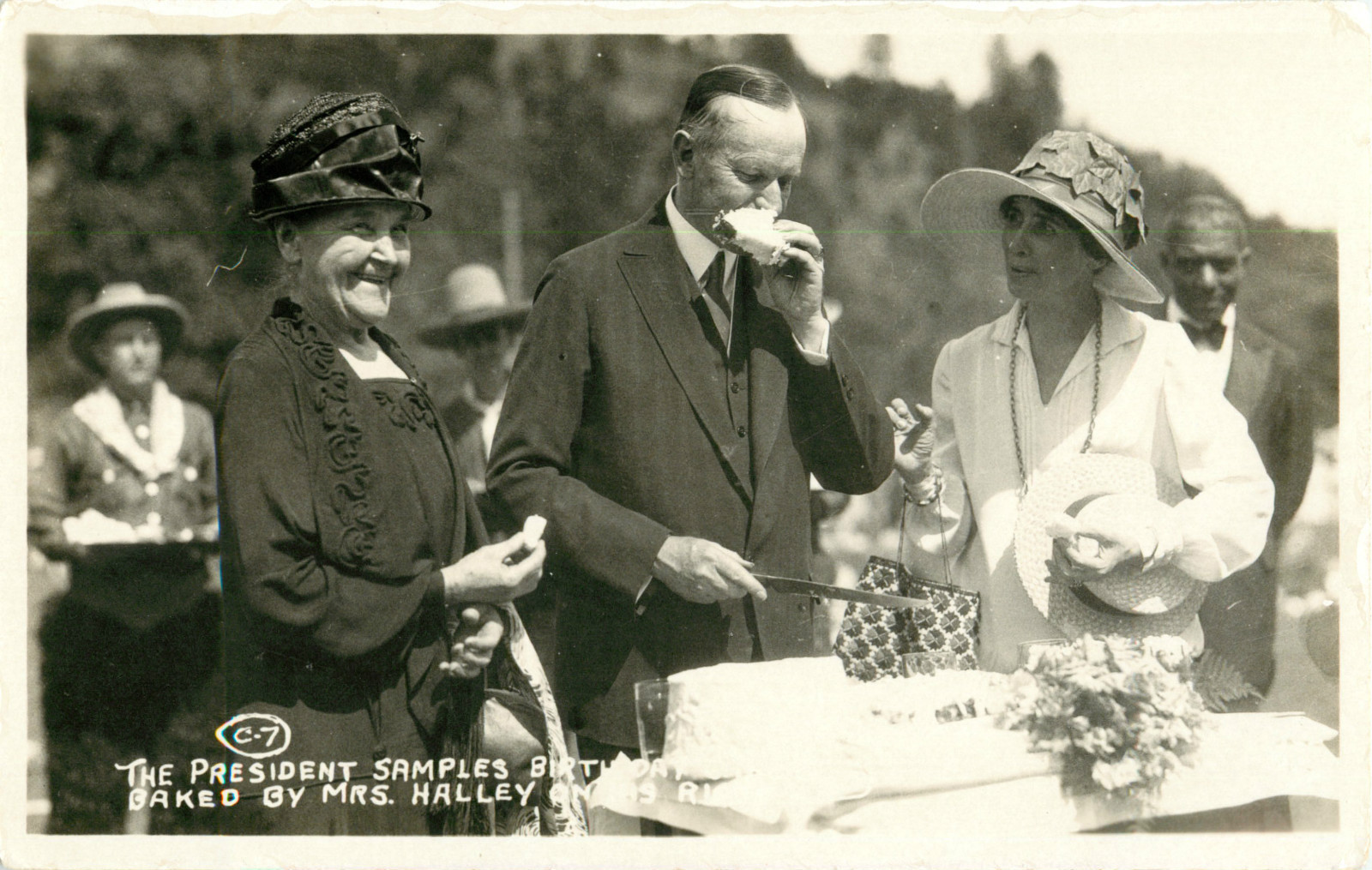
It would be another son of Massachusetts, President Calvin Coolidge, who would offer a fitting tribute to this tireless and brave champion of ordered liberty. Delivered in Cambridge, July 3, 1925, to commemorate John Adams’ nomination of George Washington as commander of the Army, Coolidge said,
“I suppose if we were to pick any two men out of that gathering, to be set down as something other than politicians, Washington and sturdy old John Adams would be well toward the top of the polling. Though they approached the matter from utterly different angles, they were both led by the sagacity of great politicians to the same conclusion. To both, the crisis was essentially national. A nation must be created to deal with it…All this we look back upon as illumined statesmanship. But statesmanship is nothing more than good, sound politics, tested and proven. That is what it was when John Adams conceived the great strategy of calling a man of the South to the chief command. A more provincial man might have dreamed of Massachusetts, aided by the other colonies, taking and holding the lead and garnering the lion’s share of glory. But Adams was planning in terms of a nation, not of provinces…It was a stroke of political genius that Adams, soul of Puritanic idealism, should have moved the adoption of the army by Congress and the selection of Washington as commander in chief.
“…Let it ever be set down to the glory of Massachusetts that John Adams made George Washington Commander in Chief of the Continental Armies and John Marshall Chief Justice of the United States. Destiny could have done no more.”
It was Adams, at this critical juncture, who placed the righteous prospects of a United States before his own ambitions, the narrow passions of the moment or the instant gratification of anyone’s ambitions, and carried the day triumphant for the self-determination of every one of us down to modern time. The bold action taken by Adams exemplifies that our independence rests on character, the selfless sacrifice of his and every generation, to ensure that true freedom continues.


 The Importance of the Obvious