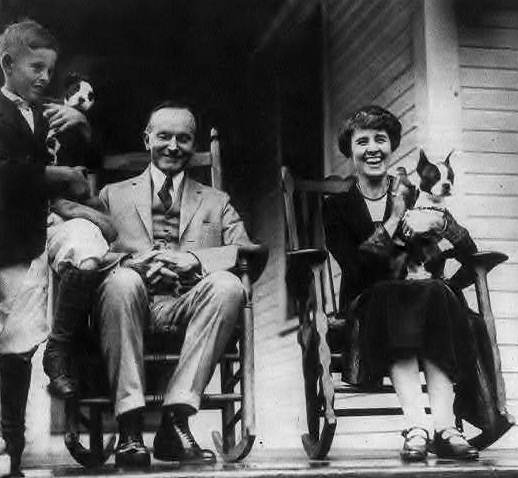
It was on this day in the cold of March eighty-seven years ago that “Colonel” John Coolidge, the father of the President, died. His oldest grandson and namesake, would recall the words of Calvin Coolidge spoken in an interview six months after “Grandfather Coolidge” passed. The thirtieth president had this to say about the man popularly known around the nation as “Colonel” Coolidge, the notary who had sworn in his son three years before:
“My father had qualities that were greater than any I possess. He was a man of untiring industry and great tenacity of purpose…He always stuck to the truth. It always seemed possible for him to form an unerring judgment of men and things. I can not recall that I ever knew of his doing a wrong thing. He would classed as decidedly a man of character. I have no doubt he is representative of a great mass of Americans who are known only to their local neighbors; nevertheless, they are really great. It would be difficult to say that he had a happy life. He never seemed to be seeking happiness. He was a firm believer in hard work. Death visited the family often. But I have no doubt he took a satisfaction in accomplishment and always stood ready to meet any duty that came to him. He did not fear the end of life, but looked forward to it as a reunion with all he had loved and lost.”
Such regard for the qualities of men like Calvin’s father deserve both mention and honor. They are no less imperative if a proper perspective of the family and society is to be preserved. In the haste to jettison all that is masculine in culture, an irreplaceable and detrimental cavity has been opened. Devoid of the particular kind of strength supplied by fathers, like John, homes are compromised and civilization, without these crucial pillars, collapses underneath the weight of its own weakness.

 The Importance of the Obvious