“Any man who has been placed in the White House can not feel that it is the result of his own exertions or his own merit. Some power outside and beyond him becomes manifest through him. As he contemplates the workings of his office, he comes to realize with an increasing sense of humility that he is but an instrument in the hands of God” — Calvin Coolidge, ‘The Autobiography’ (1929)
greatness
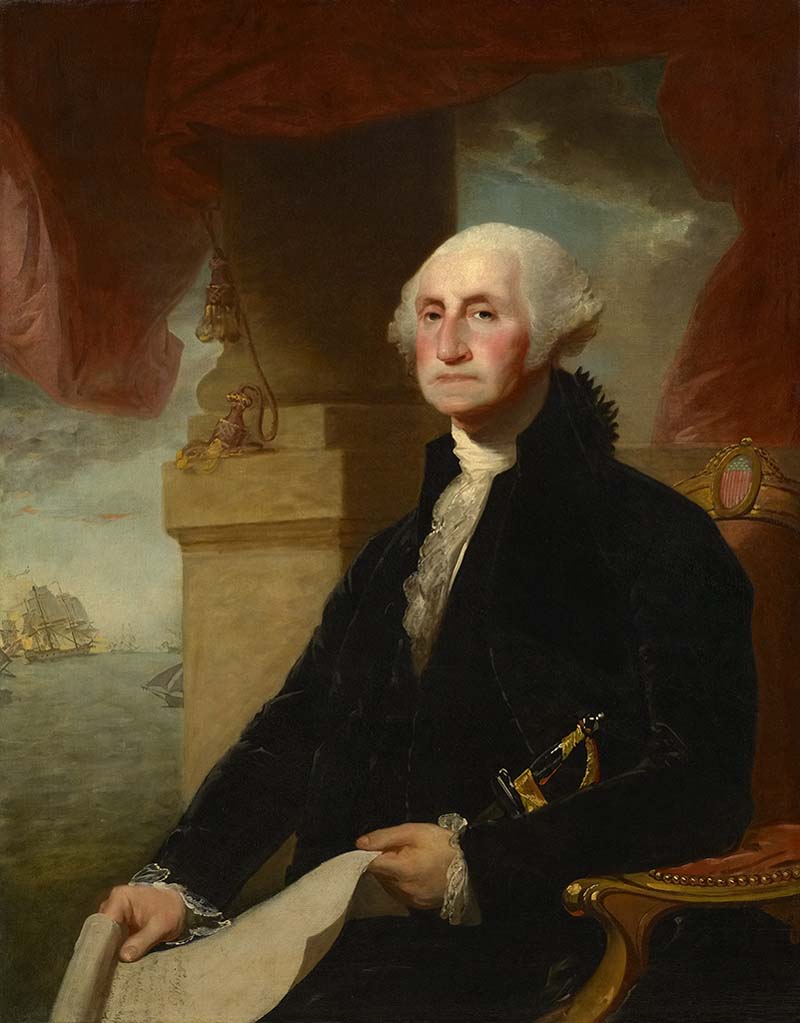
On George Washington
“February 22 marks the …birthday of George Washington. His stature has only increased with the years. His public life was characterized by complete unselfishness. Indifferent to his own fortunes, his only concern was for his country. He needed no pretense and no art. He was simply and naturally great.” He was, in short, “the personification of judgment and character” — Calvin Coolidge, February 20, 1931.
Tomorrow marks the two-hundred eighty-first anniversary of President Washington’s birthday. To Coolidge, the first President was not without his mistakes, as with any man, but he remains worthy of our esteem and emulation for not only his life of service but also his impeccable integrity. As the former President looked back on the example of Washington in the early months of 1931, he may have recalled the remarkable precedent his forbear set by laying down the power of his office after only two terms. Washington could have held the Presidency for life or passed it to his heirs and yet he laid it down with characteristic humility. Coolidge adhered to that same selfless demonstration in 1929. As he describes the attributes of Washington, however, he reminds the reader of not only what made the first President truly great but also of those qualities the thirtieth President prized and practiced in his own life. One instantly thinks of Coolidge when the absence of pretense is commended. There were no ostentatious displays with Coolidge. What you saw is who he was without conceit or facade. He had no patience for those who put on airs. He would even make the bejeweled “social queens” of Washington wait in the reception lines while he “took a break” from shaking hands. Humble simplicity defined him in public just as it did in private. Coolidge bequeaths a legacy not unlike Washington’s to those who sincerely honor character above politics and service above self-importance.
On Entrepreneurs
Randall Stross, in his book “The Wizard of Menlo Park,” recounts a story widely circulated at the time about the drive of Edison, Ford, Firestone and Coolidge to the local factory during their visit in 1924 to Plymouth Notch:
Something went wrong with the car and they stopped near a farmhouse. The farmer came over to the party and offered his help and at the same time started to lift the hood when Mr. Ford stopped him and said: ‘There’s nothing the matter with that engine: I’m Henry Ford and I know all about engines.’ The farmer then suggested the trouble might be in the battery and Mr. Edison spoke up and said: ‘No, I’m Thomas A. Edison and I know all about batteries. That one is all right.’ The farmer began to look incredulous but tried again by suggesting the tires needed air and offered to pump them up, but Mr. Firestone put in with, ‘No, I’m Harvey Firestone and I made those tires; they’re just right.’ The farmer exploded at this with, ‘Well, Ford, Edison, and Firestone, eh? I reckon that little runt in the back seat’s Calvin Coolidge?’ (pp.256-7).
While hardly flattering of Coolidge, who was taller than Ford and the same height as Edison, it does carry a humorous element of truth. It prompts the question regarding these inventive entrepreneurs, “where would we be today without these men?” Edison alone would produce 1,093 patentable inventions during his lifetime, twenty-one of which were completed during the Coolidge years alone. These included not only batteries and phonograph cabinets but also the development of his unique process for extracting rubber from plants. These men were not politicians. They had not the temperament for careers on the government payroll, holding secure office jobs with ample benefits packages. It was the freedom to create, experiment and innovate — to fail and to succeed — that made their contributions possible. They worked endless hours, invested their own money and demanded excellence in their results. They owed nothing to government grants or federal patronage for who they were or what they accomplished. They remained free men, inspirations of the rewards of hard work, perseverance and ingenuity. As Coolidge would reflect on them in May 1931, just five months before Edison’s death, “The experience, skill and wisdom necessary to guide business cannot be elected or appointed. It has to grow up naturally from the people. The process is long and fraught with human sacrifice, but it is the only one that can work. Edison and Ford are not government creations.” A higher compliment to an individual’s creativity and self-reliance could not be offered.
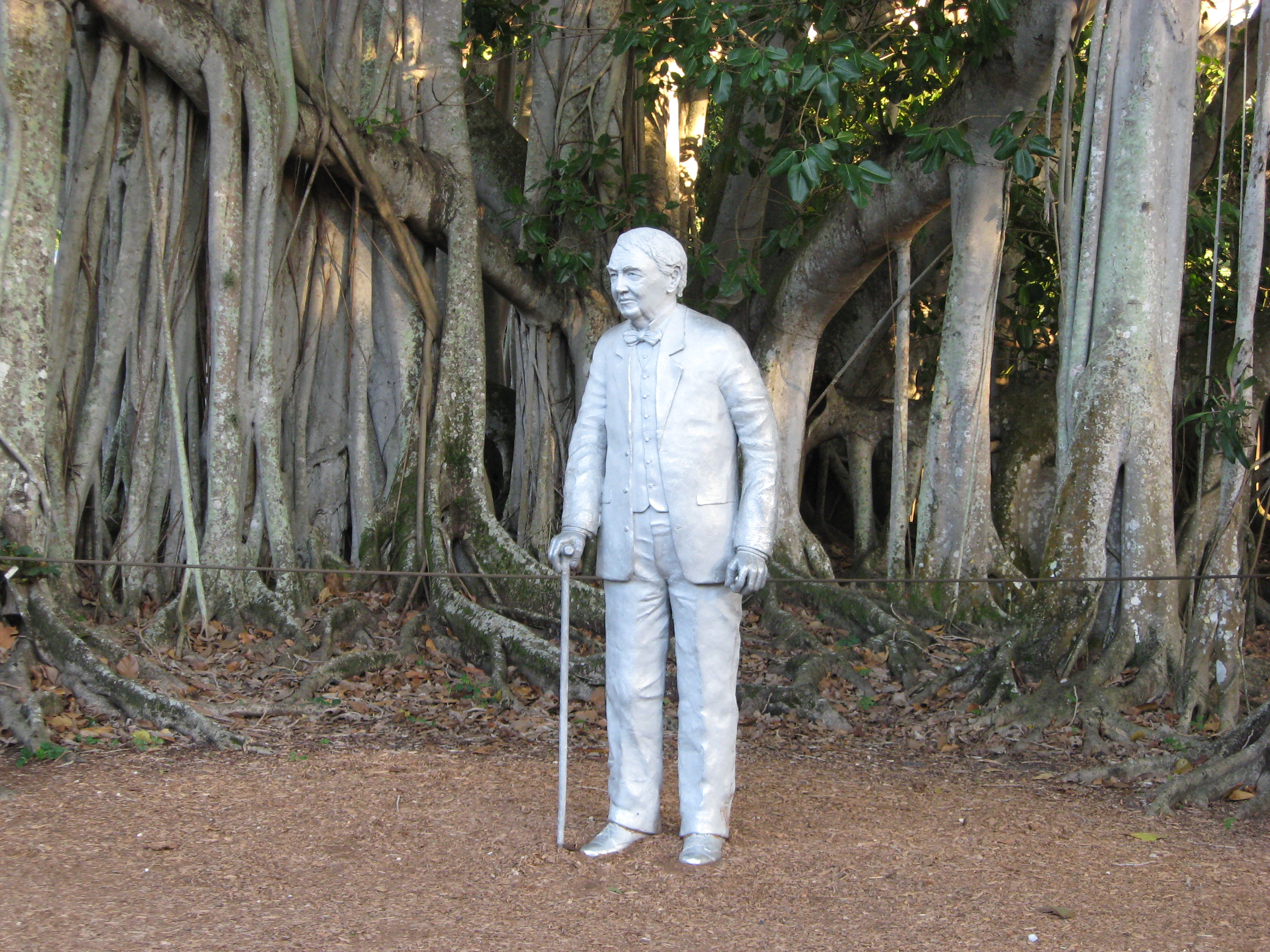
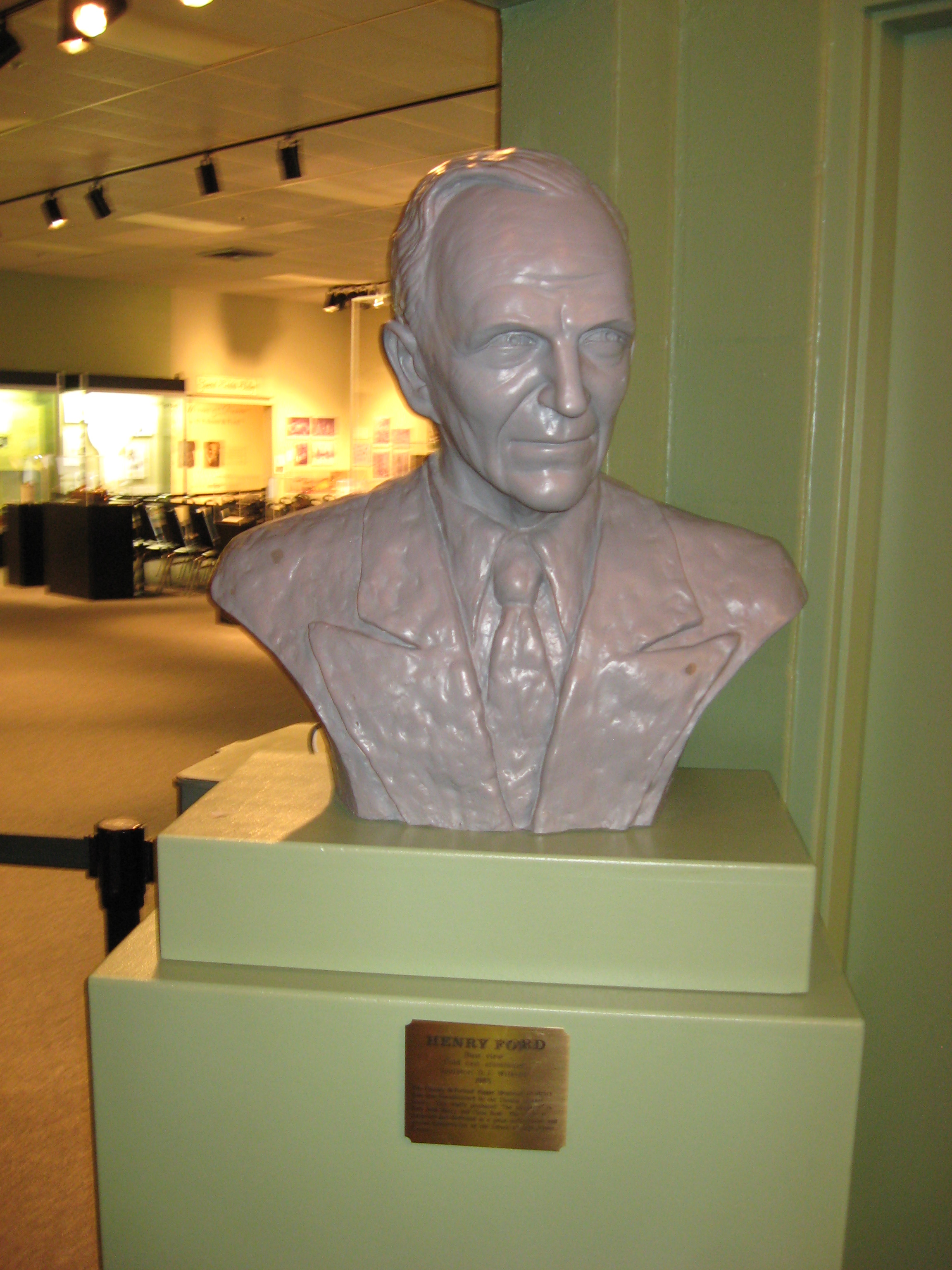
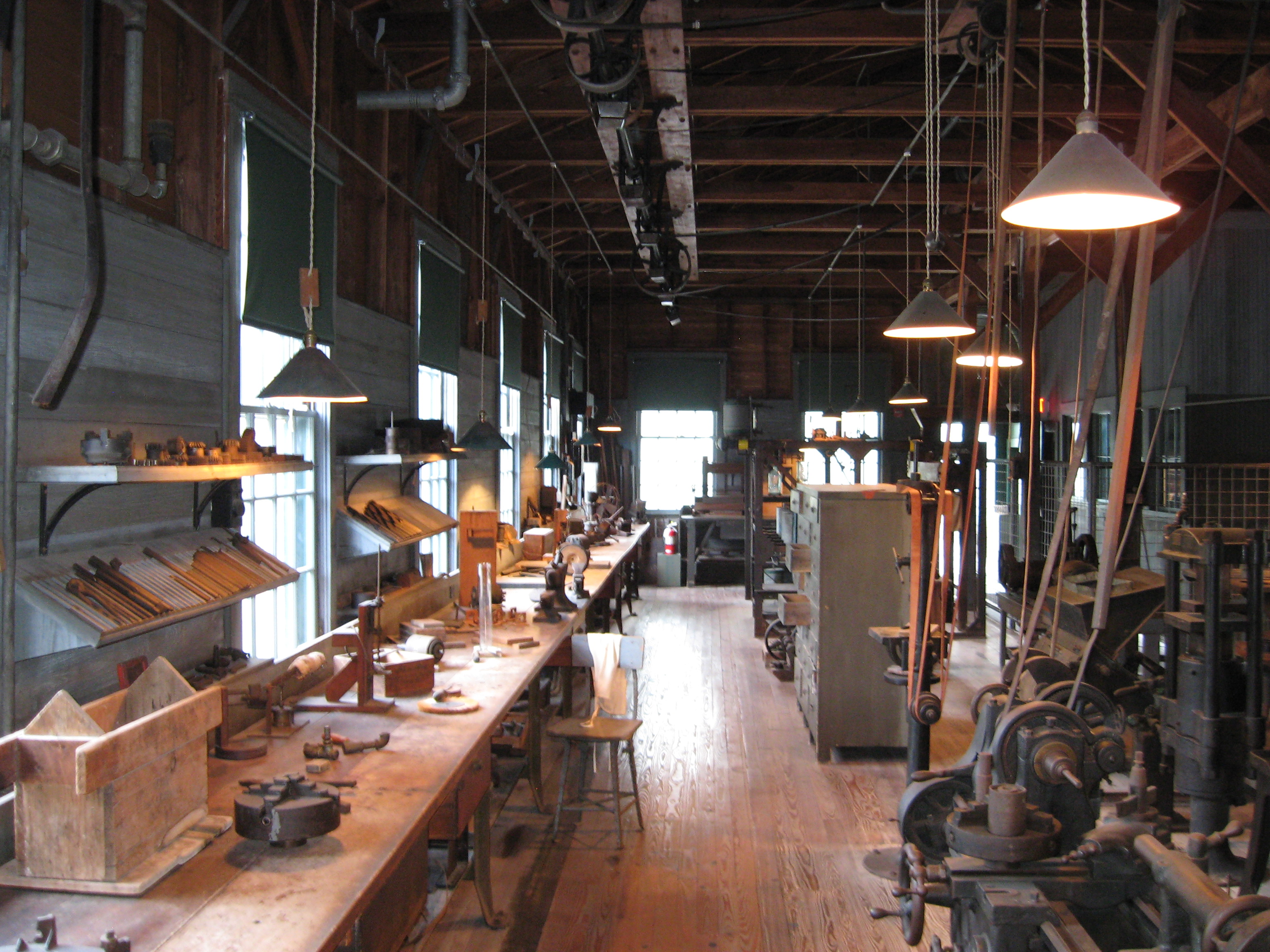
Edison in front of his banyan trees, across the way from his winter home; Ford bust in the Edison-Ford Estates Museum and Edison’s awesome laboratory, all in Fort Myers, Florida.
 The Importance of the Obvious