On Greatness

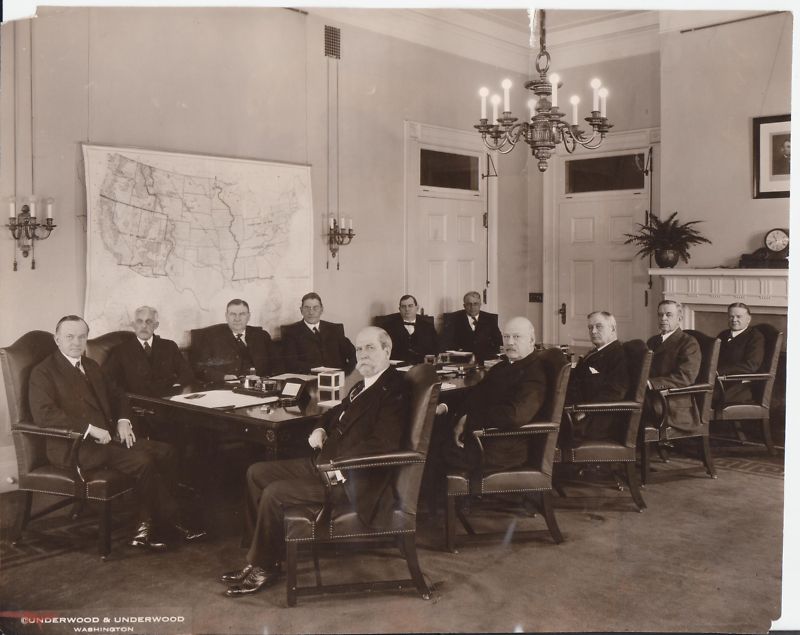
Much ridicule has been heaped upon the 1920s, the Coolidge Era in particular, for its utter lack of “great events” and “great men.” Those who claim such have a confused and backward sense of “greatness.” There were no costly wars, no dramatic upheavals of society, no expansive programs sent down from Washington for how we ought to improve ourselves. The country went about its business only marginally sensing government’s existence, let alone a need for its presence. The President did not insert himself into the daily affairs of Americans not only because it was unnecessary but also because he respected his role under the Constitution. His obligation, as Amity Shlaes has noted, was to restrain harmful measures, to check the abuses of executive and legislative power not to champion revolutionary agendas of his own (“The Forgotten Man,” p.18). He did so not from some overriding sense of his own importance but from a sober commitment to duty, for he also once declared, “It is a great advantage to a President, and a major source of safety to the country, for him to know that he is not a great man. When a man begins to feel that he is the only one who can lead in this republic, he is guilty of treason to the spirit of our institutions” (Autobiography, p. 173).Yet, his restraint, judgment and political wisdom make him a great man even now. “His ability to appraise men quickly on the first interview seemed uncanny” was an observation noticed by more than one of those with whom he would serve (Hubert Work, “Why He Did Not ‘Choose to Run,’ “ The Real Calvin Coolidge vol. 1.  Plymouth: CCMF, 1983,  p.27). He exercised it in the appointment and support of like-minded men of integrity and ability throughout his tenure. He listened to the suggestions of others but he kept his own counsel. In fact, his sound judgment and cool headedness helped avert more than one potential disaster, any one of which could have defined the decade. He did not engage in micro-managing the Departments as some Presidents do. To do so would not only undermine the confidence the people should have in their leaders but would trespass on the work belonging to others. If a person was not up to the job, as he told his Labor Secretary James Davis, he would have to find someone else who was. It was simply not his place to know all the details and get involved in the minutiae of the various departments. Coolidge understood his function was to delegate (and thus disburse, not consolidate) authority. Considering the record of collaboration with men like Mellon and Hughes, he deployed it with great success. Scandal could have overwhelmed the new Administration but it did not. When the demand for resignations by Denby and Daughtery were loudest, the President held immovably to the right course, which was fairness even to those suspected of wrongdoing until the process of law demanded action. He was not swayed by the mob mentality since it placed emotional satisfaction above true justice.

The great men who worked under him were not all of his choosing but he knew their worth and placed them where their talents could be best applied for the good of the country. Andrew Mellon is one of those stellar teammates with whom Coolidge had a unique affinity. But less is said about others like the “great statesman” (as Coolidge considered him, The Autobiography p. 118) Charles Evans Hughes. Hughes’ good sense was evident to him from the night Coolidge succeeded Harding through Hughes’ faithful service even after leaving the limelight of the State Department. The Secretary’s character and experience alleviated many a conflict that could have erupted into violence and discord from Japan to Latin America to Soviet Russia.

Attorney General John G. Sargent was another exemplar of what it means to have capably and quietly carried out what needs to be done without fanfare or need for applause. Sargent’s decency, sense of equity and life training formed the basis of what made him among the best qualified AGs ever to serve. Yet he is unjustly anonymous today. Other men, like Dwight Morrow and Henry Stimson, diffused volatile situations in Mexico and Nicaragua and the Philippines. These “unsung” great men are forgotten today not because of some failure to do enough but because the standard for greatness itself is not properly understood. Ultimately, it is a failing of education. As we live under an increasingly expanding Executive Branch, we would do well to recall the assessment of President Coolidge on the matter, “We have had too much government action, with attendant publicity, proposing to cure human illness which no government can cure and too much public opposition when there was nothing to oppose. The people want from both parties an effective and quiet conduct of public affairs” (November 11, 1930). The same quiet competence from men and women at all levels of public service is what is in order today.
Image

ImageImage

In the Steps of President Coolidge

Two weekends ago my wife and I made the short trek to Howey-in-the-Hills and Mount Dora not only to meet a “former President” but to research a little about the Coolidges’ visit to Florida in January-February 1930. Though the search raised more questions than it answered we met some very fine people, including Mr. Jim Cooke, and discovered traces of where CC and GC had been. It would be their  first (and last) major trip across the country. They wanted to travel more if only they could have done so without the crowds and public attention everywhere they went.

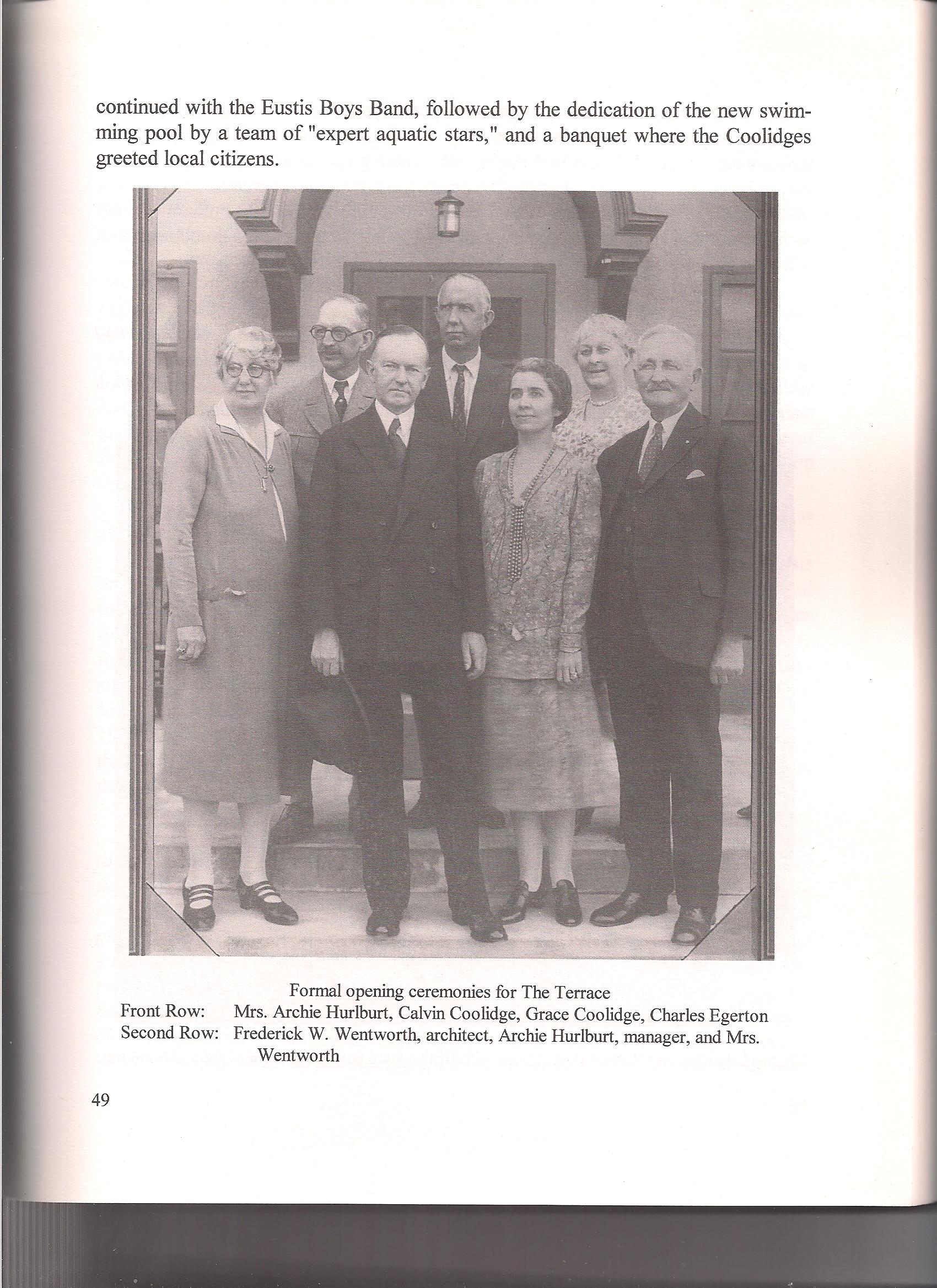
At the dedication of the new Terrace Building, Lakeside Inn, Mt Dora, January 15, 1930.

At the same side door of the Terrace Building as the 1930 photo.

At the same side door of the Terrace Building as the 1930 photo.

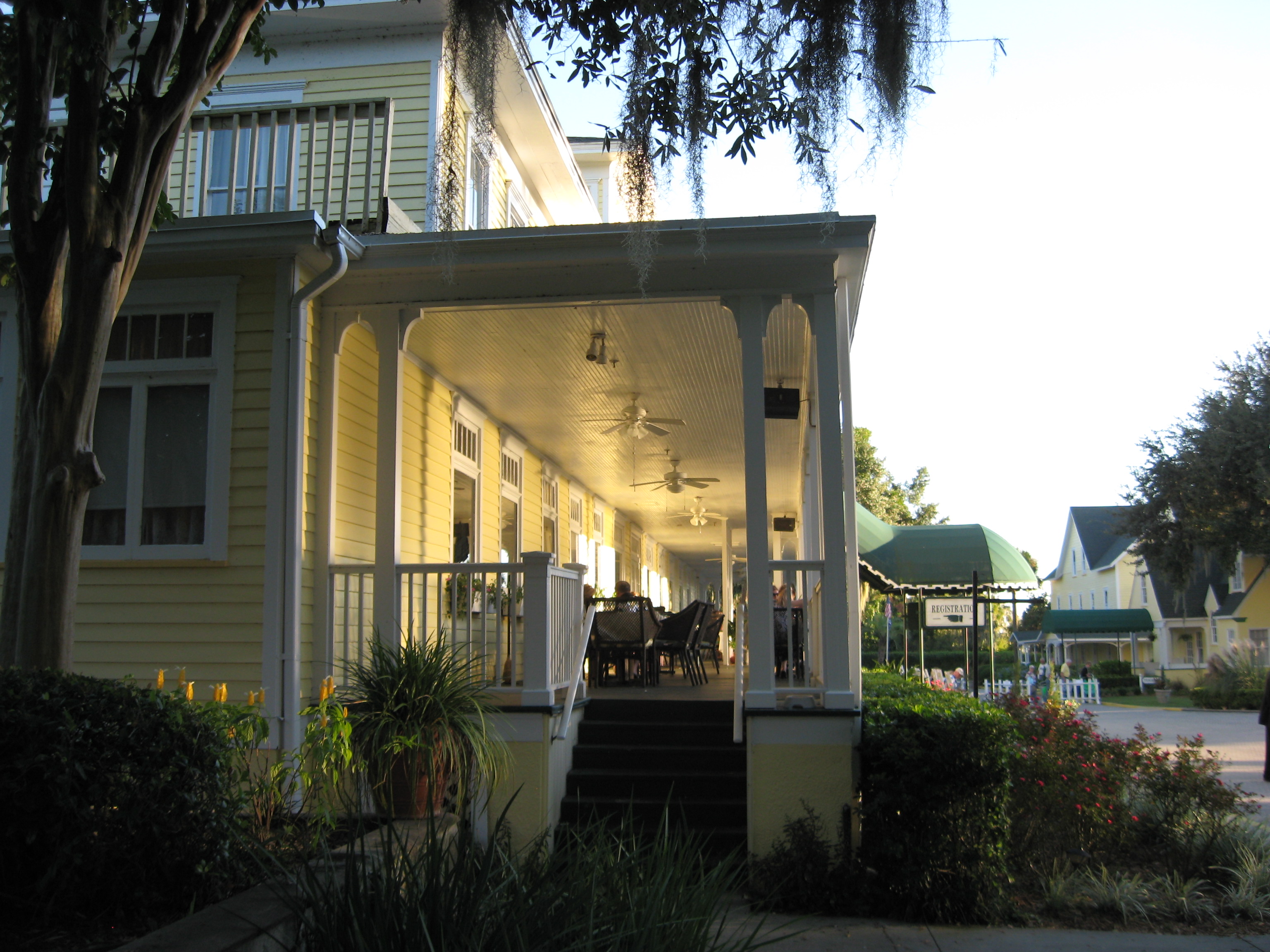
Lakeside Inn, Mt Dora

Lakeside Inn, Mt Dora

106065 IMG_7799

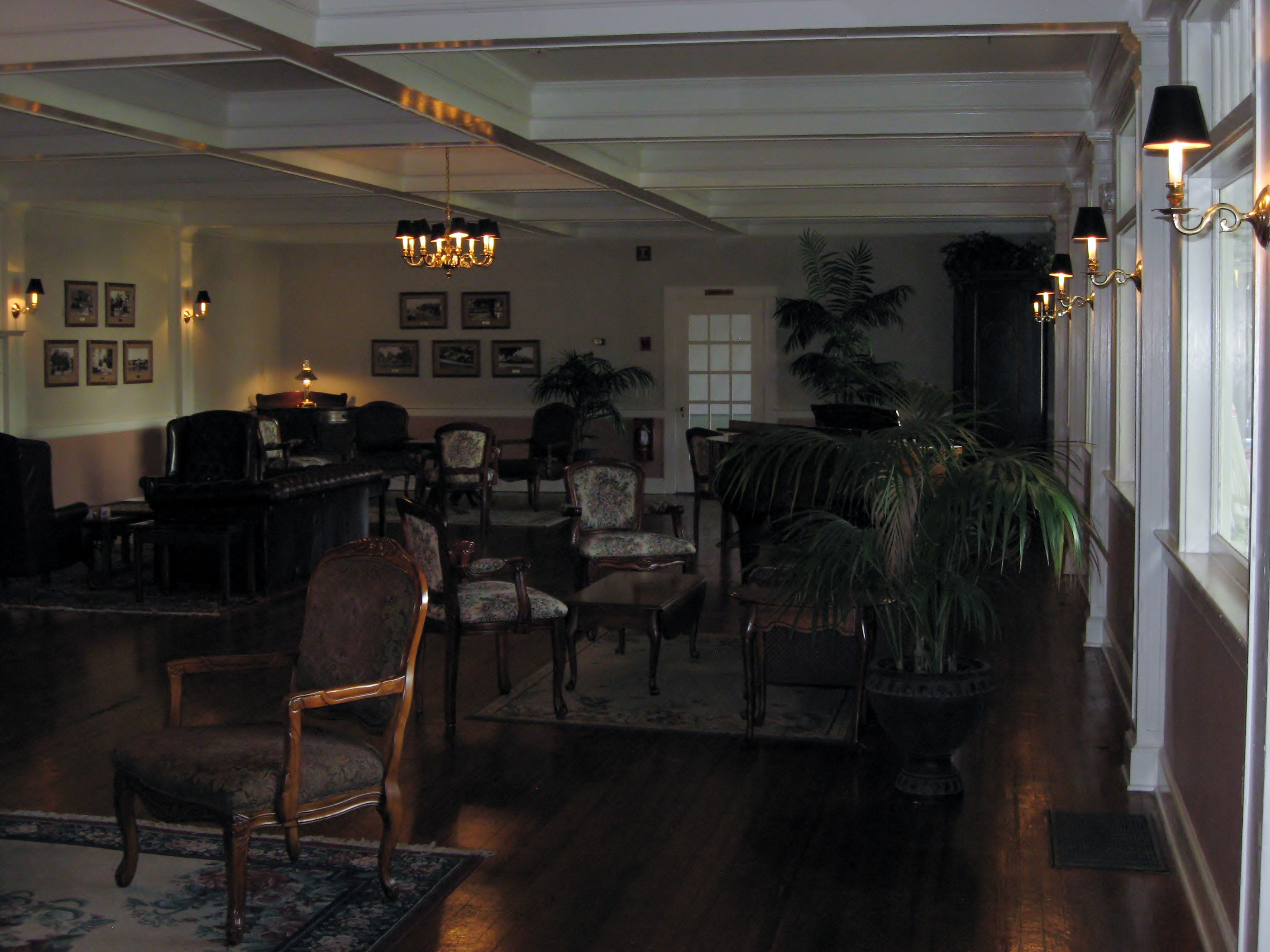
In the lobby of the original building at Lakeside.

In the lobby of the original building at Lakeside.

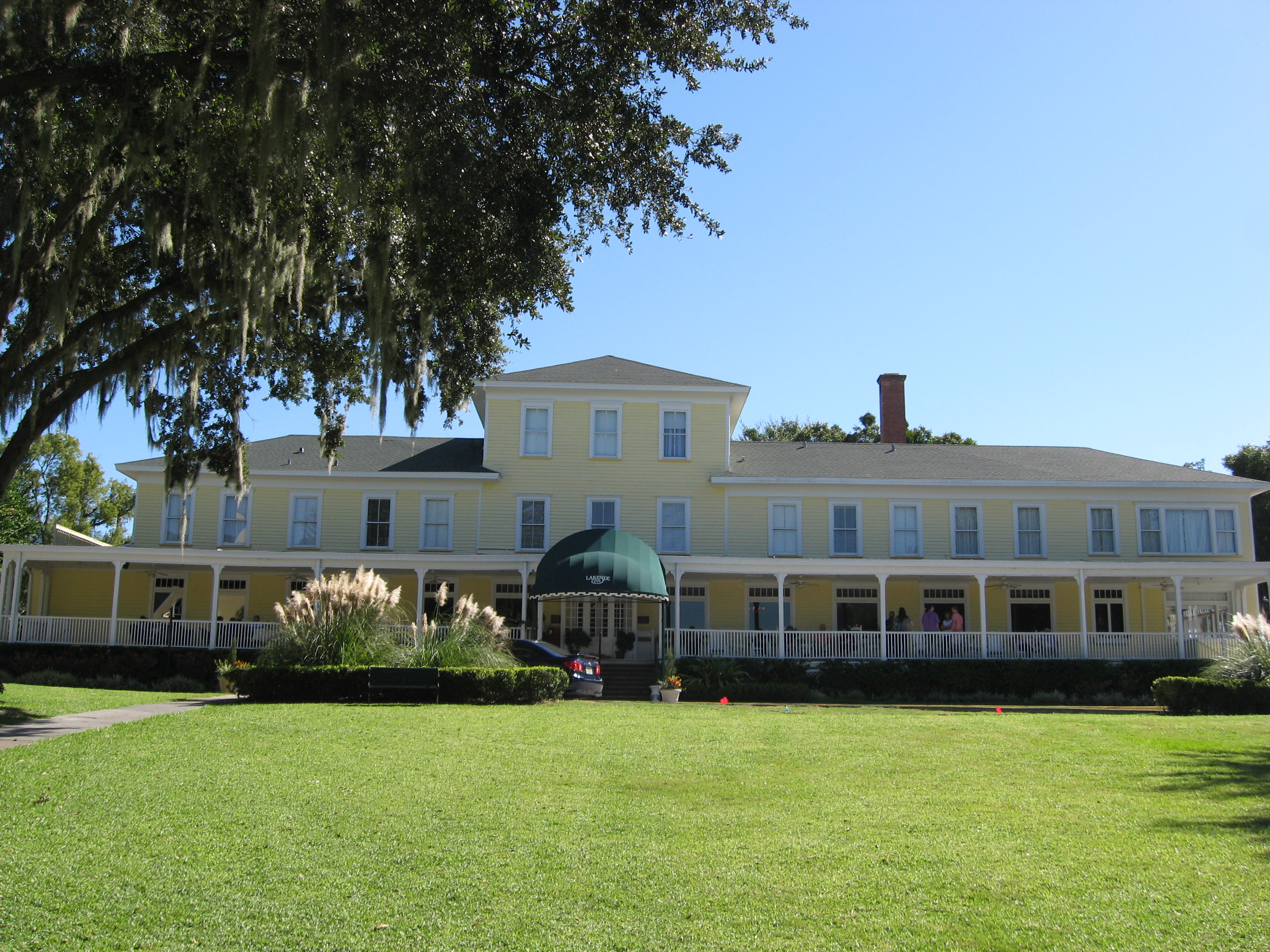
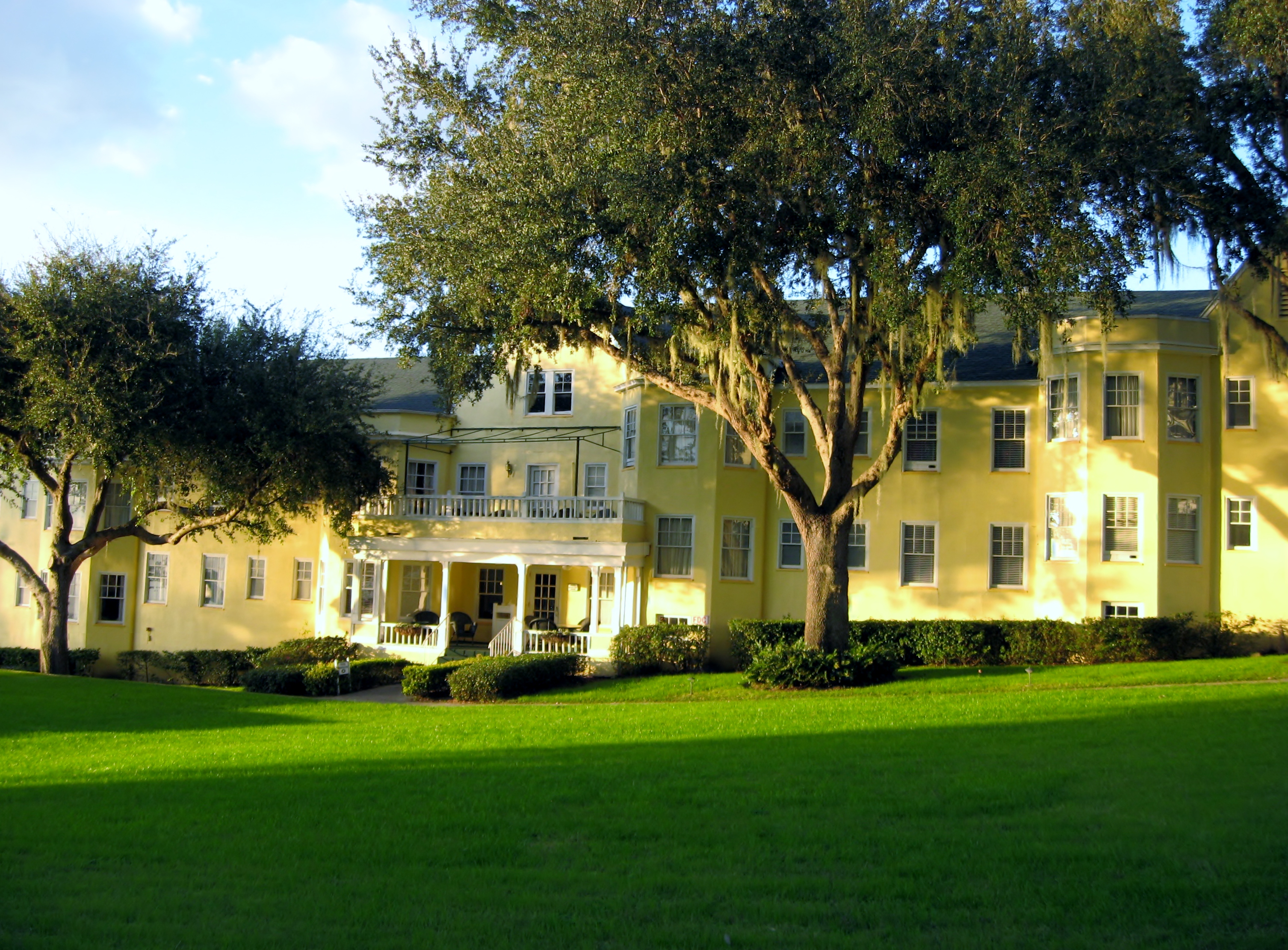
Terrace Building, where the Coolidges stayed from January 11-February 13, 1930.

Terrace Building, where the Coolidges stayed from January 11-February 13, 1930.

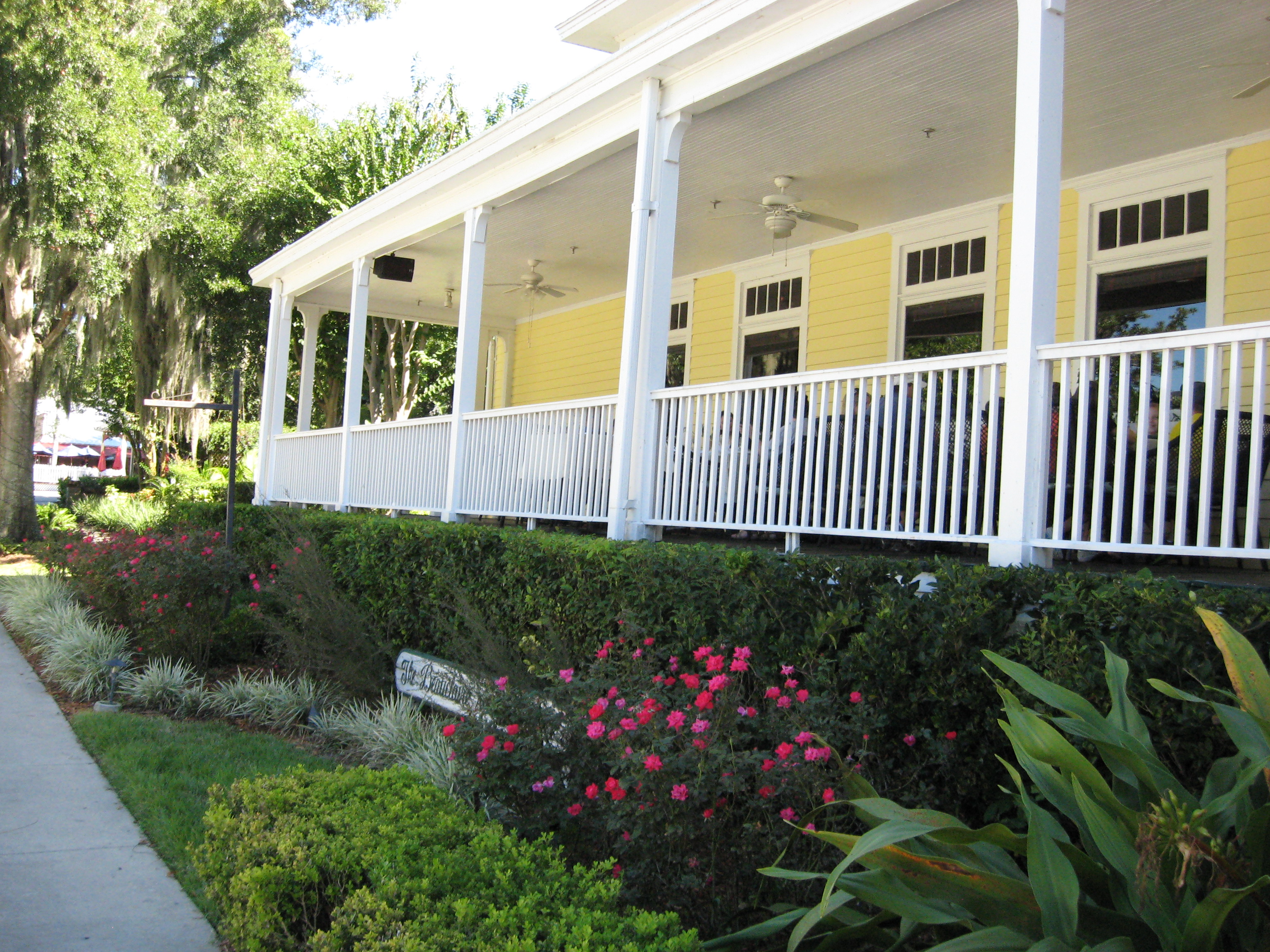
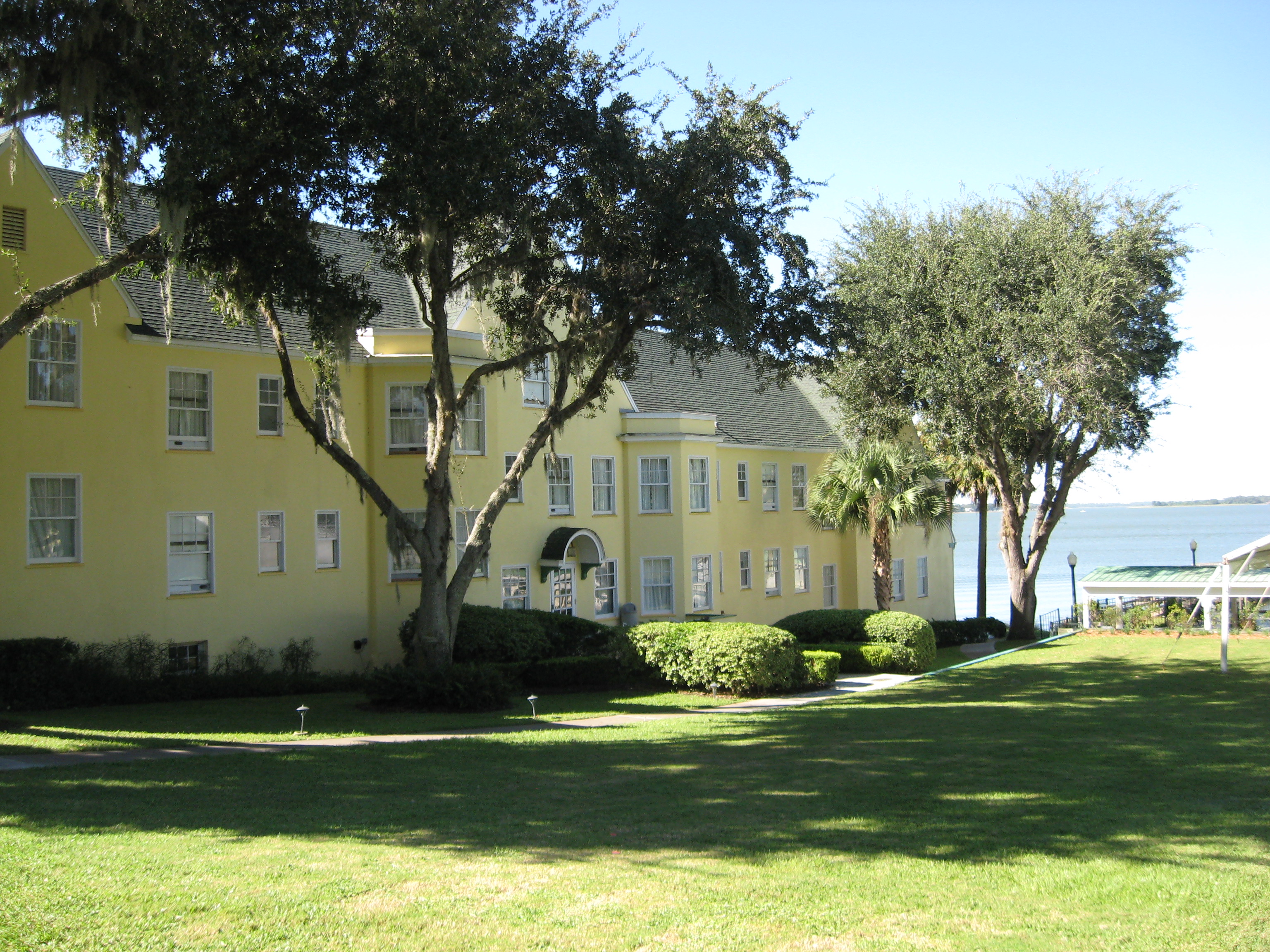
Terrace Building from the side overlooking Lake Dora, the 1930 photo was taken at the door in the middle of this picture.

Terrace Building from the side overlooking Lake Dora, the 1930 photo was taken at the door in the middle of this picture.

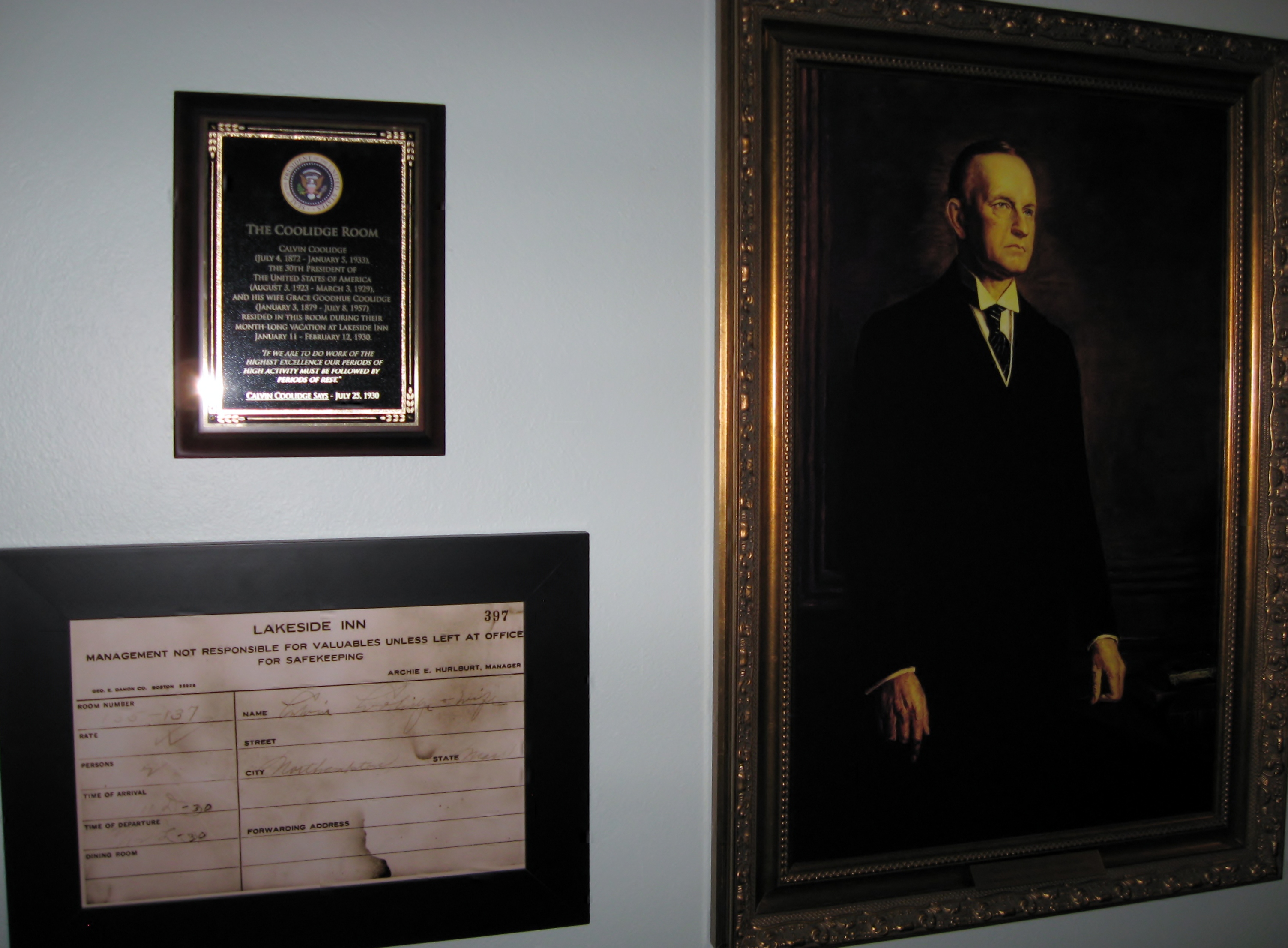
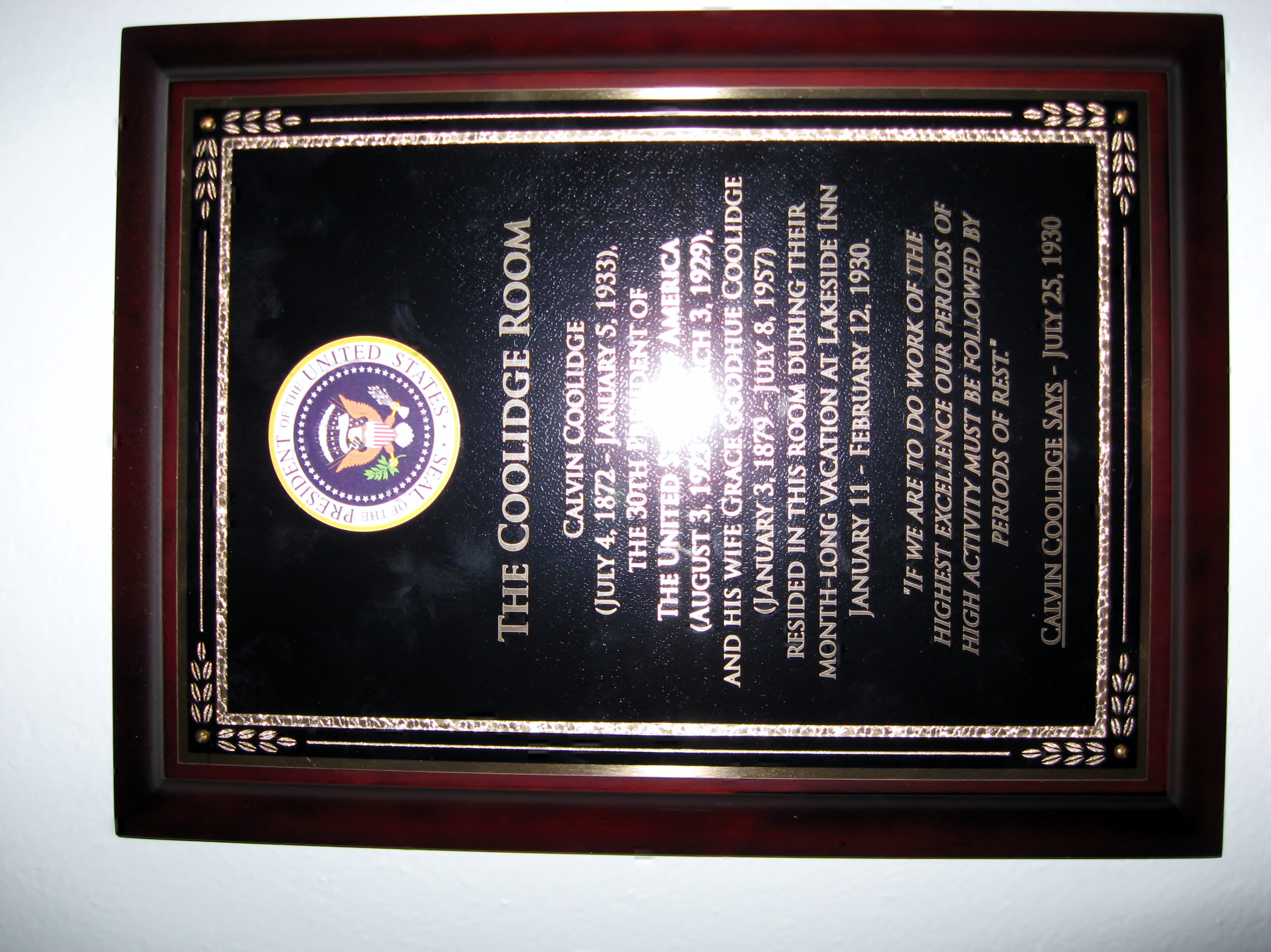
"The Coolidge Room" #619 (which was rooms 135-137 back then)

“The Coolidge Room” #619 (Rooms 135-137 back then)

IMG_7765

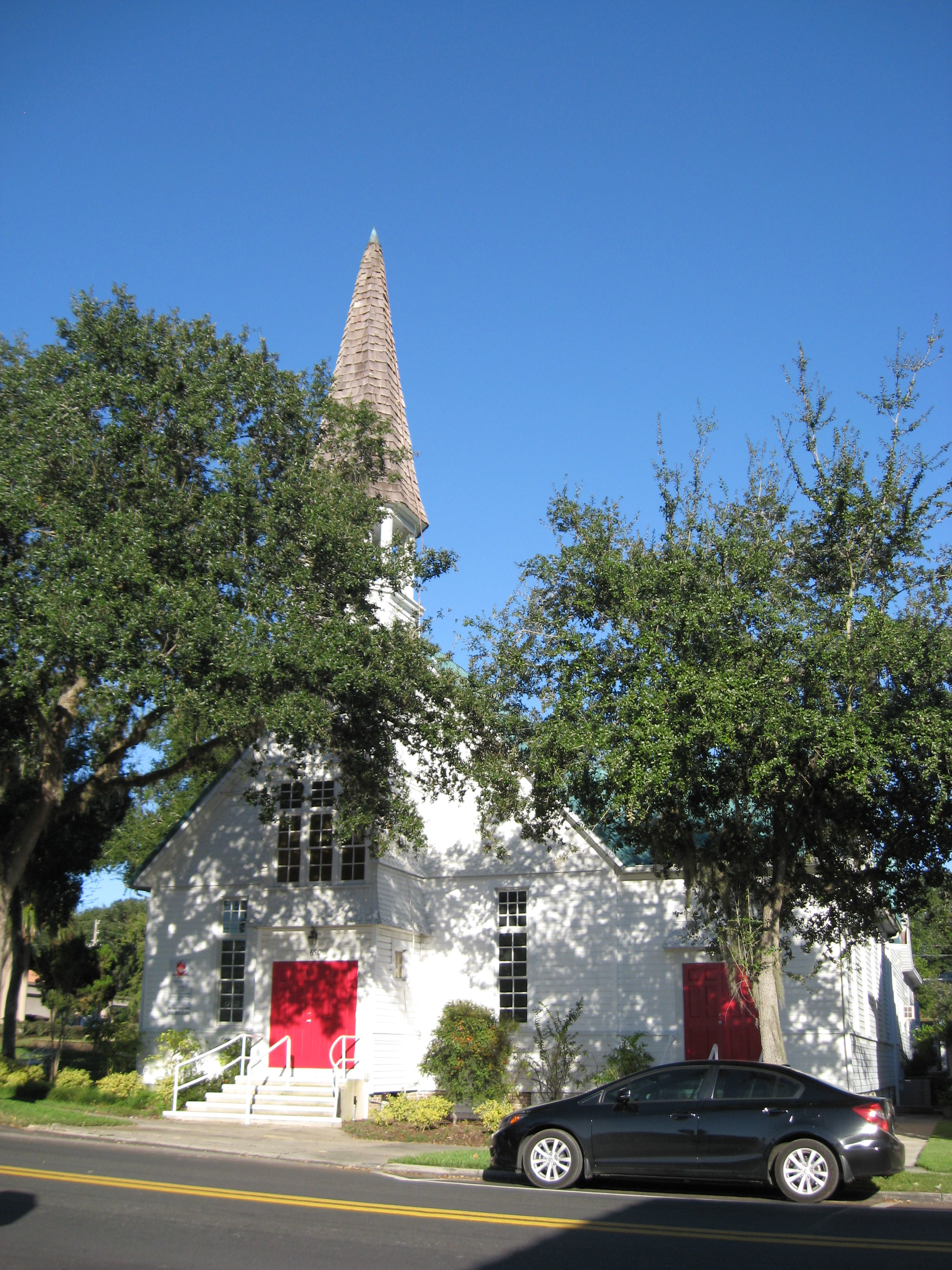
The Congregational Church in Mt Dora where the Coolidges attended services each Sunday during their stay.

The Congregational Church in Mt Dora where the Coolidges attended services each Sunday during their stay.

At the Gate House

At the Gate House

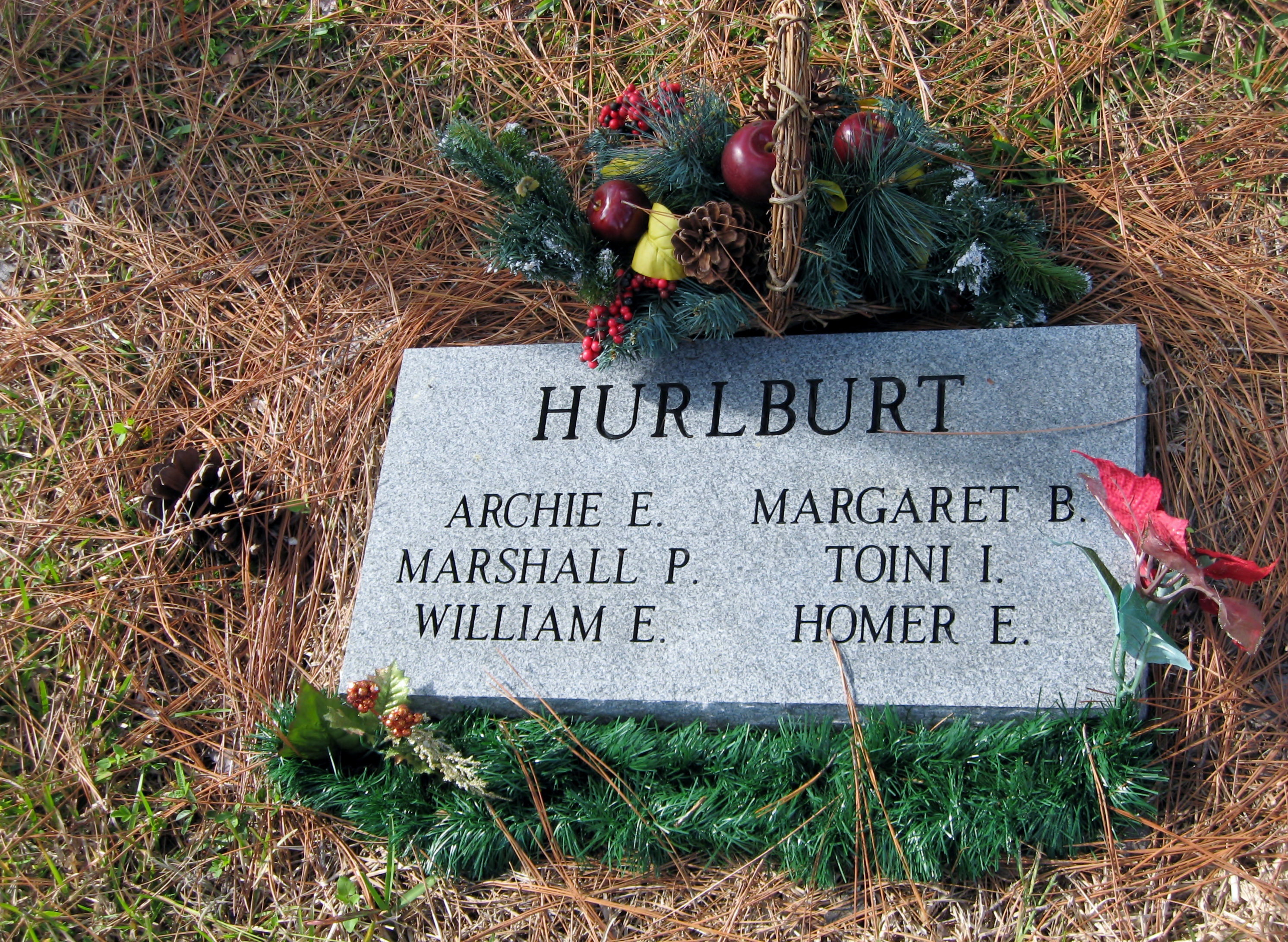
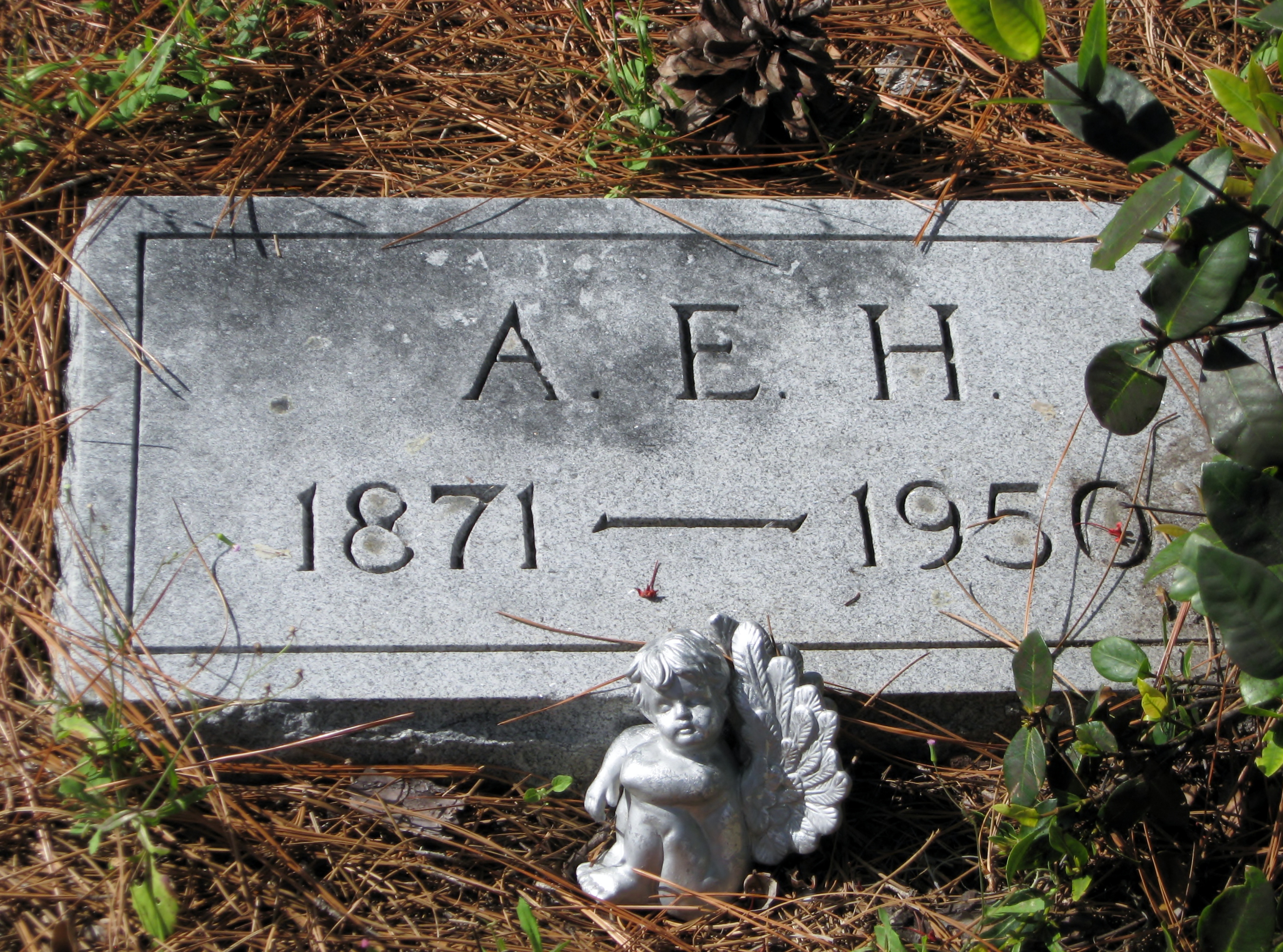
At Pine Forest Cemetary in Mt Dora, Archie Hurlburt, CC's close friend and the manager of Lakeside Inn, was laid to rest in 1950.

At Pine Forest Cemetary in Mt Dora, Archie Hurlburt, CC’s close friend and the manager of Lakeside Inn, was laid to rest in 1950.

IMG_7762

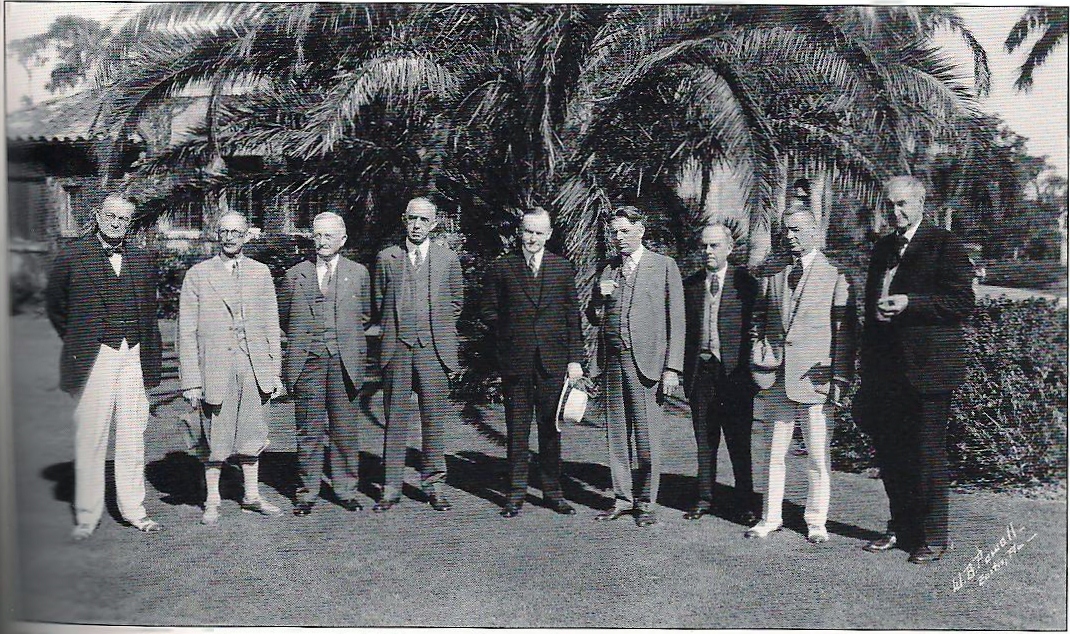
CC's lunch with citrus entrepreneur William J. Howey in Howey-in-the-Hills during his time in Florida, January-February 1930. L to R: John F. Harris of West Palm Beach, architect Fred W. Wentworth, Charles Edgerton, and Archie E. Hurlburt of Mt Dora, CC, William J. Howey, George P. Wentworth of Pensacola, J. Leonard Replogle of West Palm Beach, and famous novelist Opie Read. Also present at the lunch were Henry Bishop of Eustis, G. G. Ware of Leesburg, and Judge Noah Bainum of Tampa.

CC’s lunch with citrus entrepreneur William J. Howey in Howey-in-the-Hills during his time in Florida, January-February 1930. L to R: John F. Harris of West Palm Beach, architect Fred W. Wentworth, Charles Edgerton, and Archie E. Hurlburt of Mt Dora, CC, William J. Howey, George P. Wentworth of Pensacola, J. Leonard Replogle of West Palm Beach, and famous novelist Opie Read. Also present at the lunch were Henry Bishop of Eustis, G. G. Ware of Leesburg, and Judge Noah Bainum of Tampa.

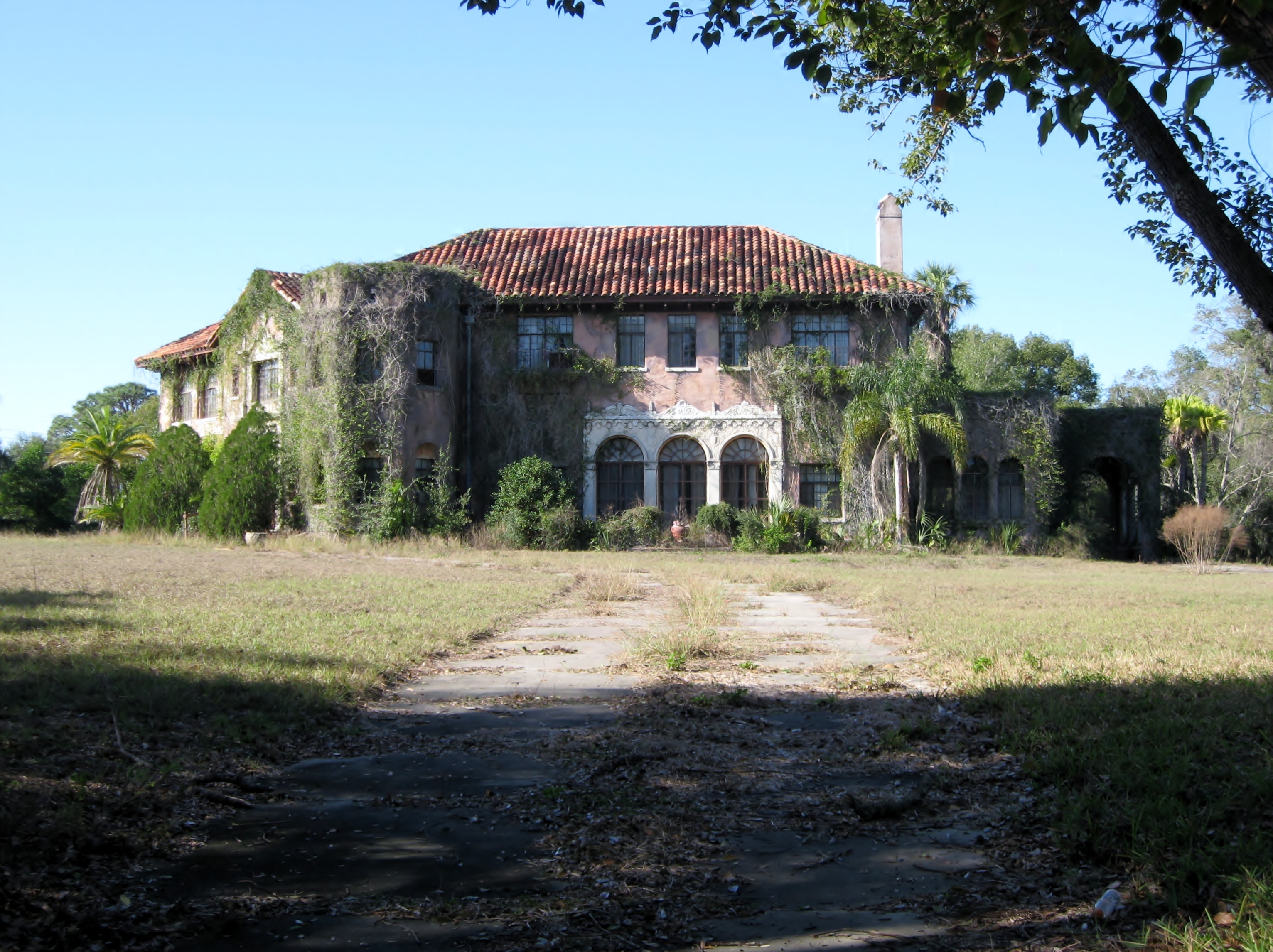
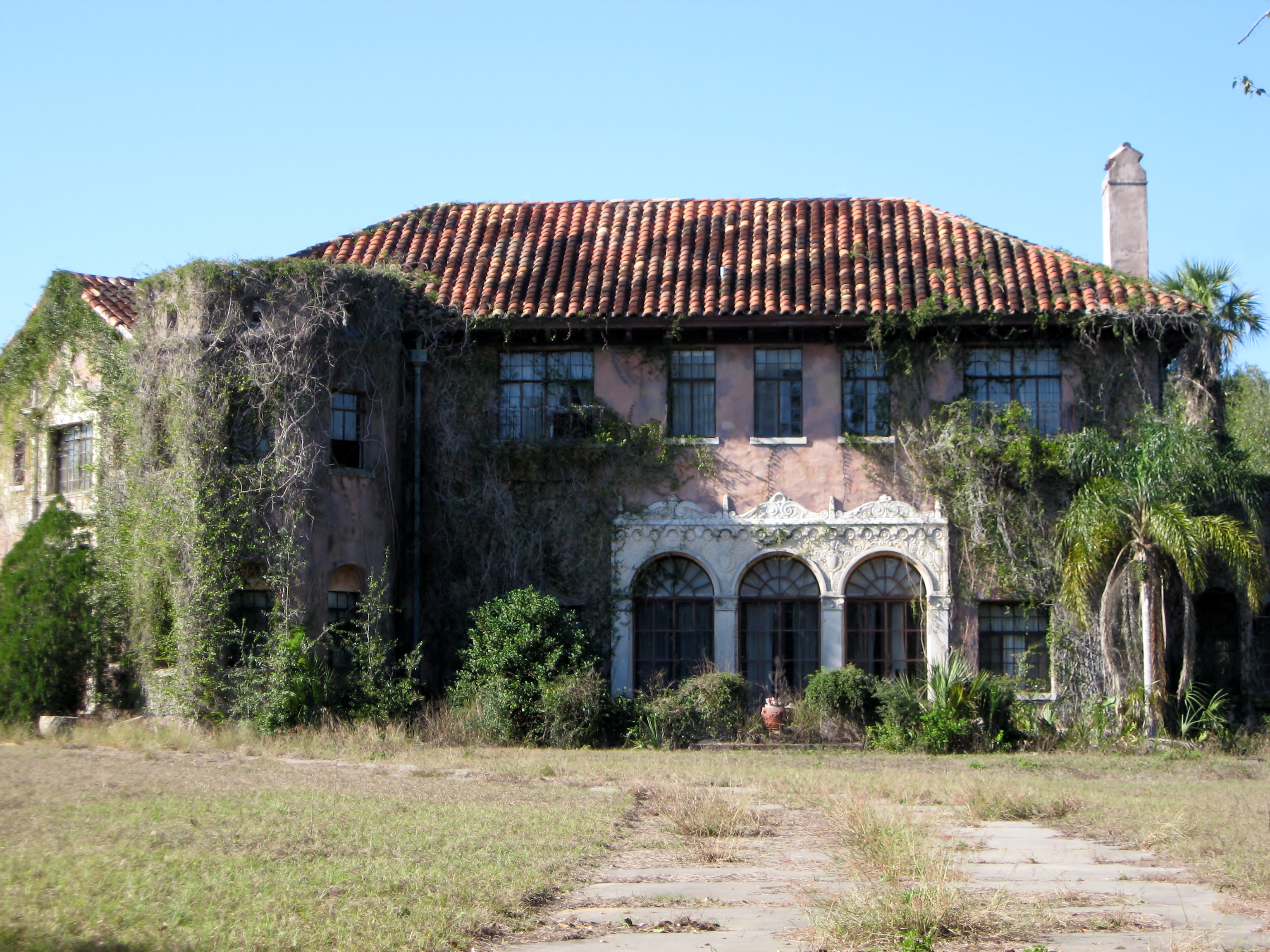
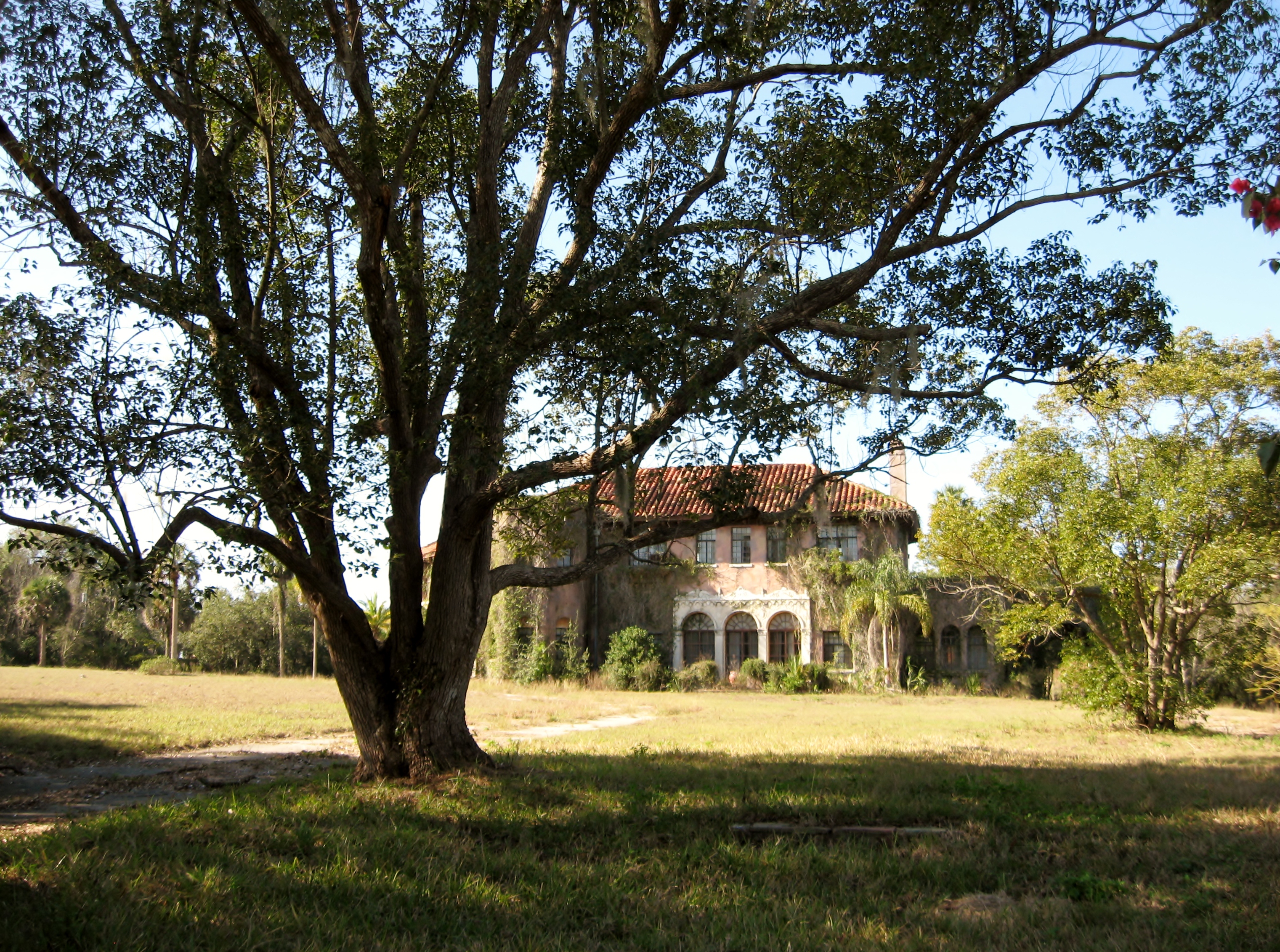
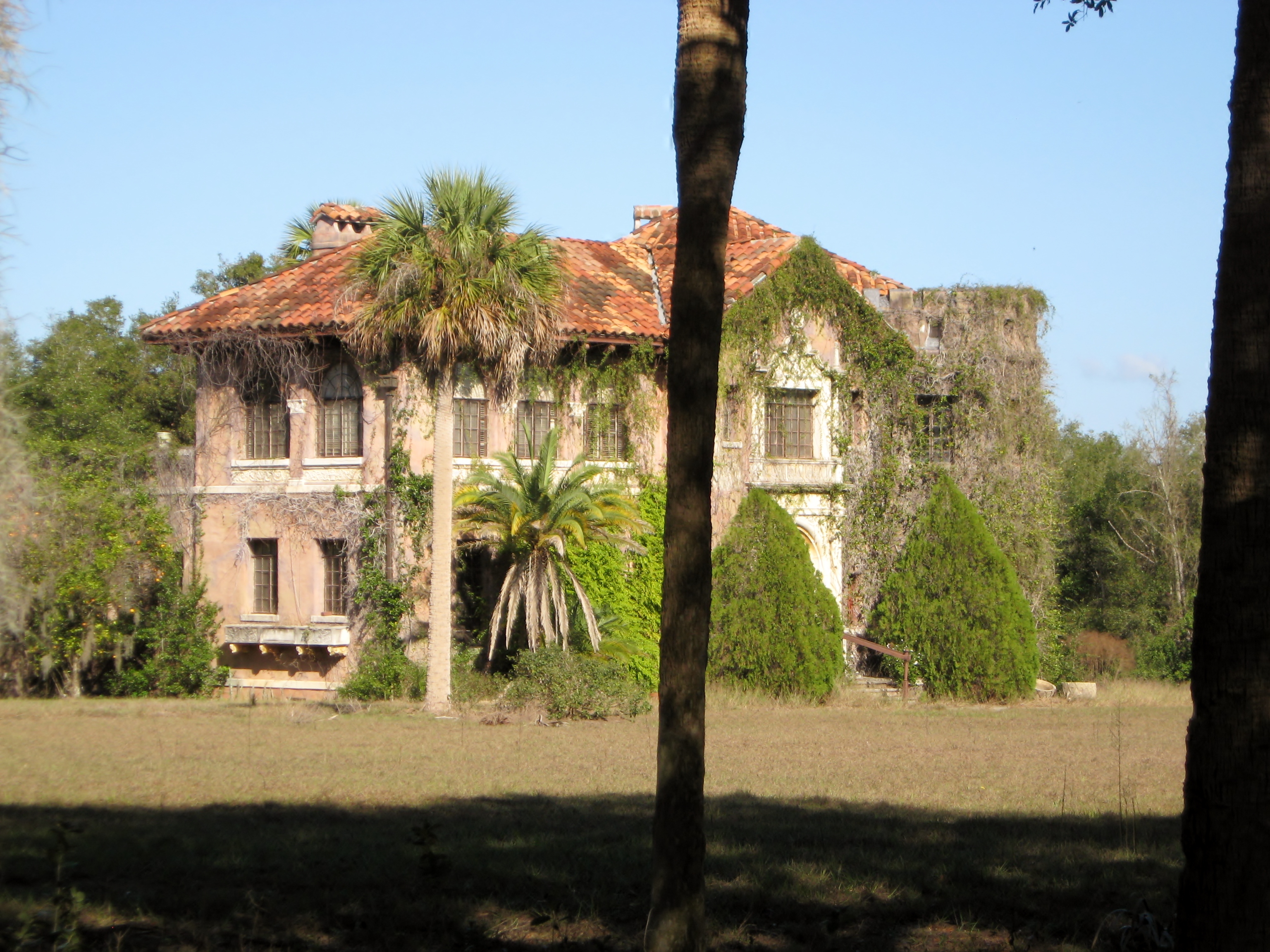
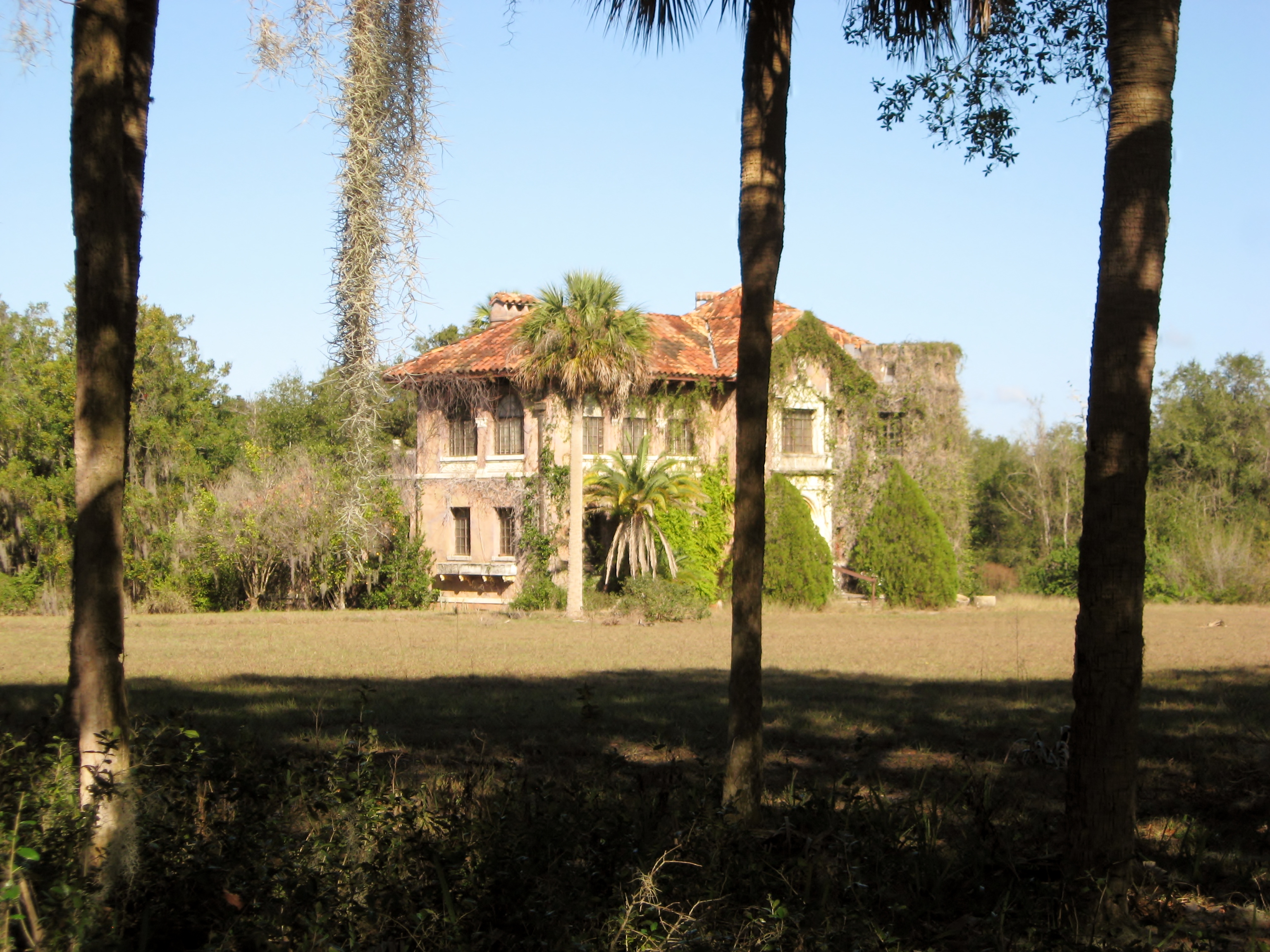
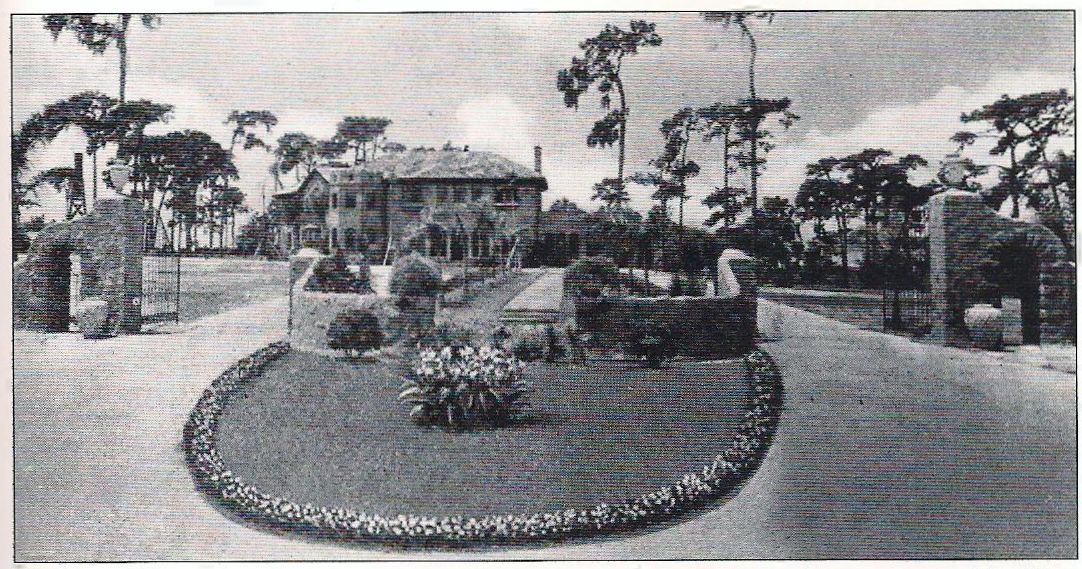
The Howey Mansion today

The Howey Mansion today

IMG_7750IMG_7748IMG_7751

It seems that the 1930 photo with CC and Mr. Howey was taken at the southwest corner of the home. Howey did not allow pictures of the home unobstructed since it was a private residence. That is why palms were a convenient blocker in the 1930 picture.

It seems that the 1930 photo with CC and Mr. Howey was taken at the southwest corner of the home. Howey did not allow pictures of the home unobstructed since it was a private residence. That is why palms were a convenient blocker in the 1930 picture.

Photo included in Peggy B. Clark's "Howey-in-the-Hills" Charleston: Arcadia Publishing, 2011, p. 41.

Photo included in Peggy B. Clark’s “Howey-in-the-Hills” Charleston: Arcadia Publishing, 2011, p. 41.

Observations on Devaluation, Depression and President Coolidge

While Mr. Kirby’s piece has brought much in the way of restoring a fair and honest appraisal of President Coolidge’s handling of economic circumstances in the 1920s, he has accepted a false premise. This is not in regard to Coolidge. It relates to the misdiagnosis of recovery by devaluation of the currency thanks to the “Thomas Amendment” of the Agricultural Adjustment Act of 1933. The implication made by the scholars he cites is that when money is “freed” from the anchor of intrinsic value — devaluation — the problem of unemployment is resolved. By first taking America off the gold standard ($20.67 per ounce), suspending private ownership (through executive order the following month) and setting new rates of exchange, relief from the depths of Depression came quicker than without this devaluation, they aver. This means of “creating value” helped people then to find jobs and access more money (despite the smaller purchasing power) and it can help alleviate the suffering now. Or so these scholars seem to say. This is despite the fact that unemployment never fell below 14% for the rest of the decade and stood at 24% the year of the Ag Adjustment Act. These were trends for the worse in spite of all the legislation passed to correct it.

Nations had been experimenting with devaluation of their currencies for some time by 1933. Some had come back to gold only to leave it again when it suited. Like today, most sought the immediate “fix” to the problem without actually resolving on a long-term solution. The problem was not only the limits that gold naturally imposes on governments to adhere to strict economy but when no consistency exists on a standard of value, it is no wonder international finances collapsed. The problem was not helped by lowering the standard to attribute value where there was none before, as devaluation did. It only added to the already artificial climate constructed by policy makers. Devaluation shocked the country and even once the lower values allowed for more spending, it further skewed the appearance of recovery. Losses continued unabated, debt continued to grow but by constructing a politically expedient alternate reality, thanks to a currency that was now worth less, it was harder to perceive how bad it was (Shlaes, “The Forgotten Man” New York: HarperCollins, 2007, p.158-9). Besides, what were all the superficial values going to cost in the future for the next generation? Six years would pass before Roosevelt’s “New Deal” was assessed as a failure by his own secretary of the treasury, Henry Morgenthau:

     “We have tried spending money. We are spending more than we have ever spent before and it does not work. And I have just one interest, and if I am wrong…somebody else can have my job. I want to see this country prosperous. I want to see people get a job. I want to see people get enough to eat. We have never made good on our promises…I say after eight years of this Administration we have just as much unemployment as when we started…And an enormous debt to boot!” (Folsom, “New Deal or Raw Deal?” New York: Threshold, 2008, p.2).

So much for recovery by currency devaluation. A greater case could be made that the Bretton Woods Agreement of 1944 contributed far more to real recovery than devaluation ever did (see especially Joint Statement IV of the Agreement, http://fraser.stlouisfed.org/docs/publications/books/1948_state_bwood_v1.pdf). Even at a time when the value of the dollar was down, making more to spend was not the answer, as Mr. Coolidge urged, “We…need some more old-fashioned governmental economy. Certainly it is a time to save all public money consistent with a policy of giving employment” (November 19, 1930). The solution was not to create more money that would “paper over” the short supply of value. Prosperity is not obtained by spending greater and greater amounts from the public treasury. President Coolidge understood this obvious truth when he wrote, “It would seem perfectly clear that business will not be improved by spending tax money. Taxes are already too high…Nothing would so encourage business as a reduction of this local and national burden. In 1921 it was particularly the drastic cut in Federal expenses and taxes that brought economic revival. While relief must be provided, those who now advocate higher taxes may be meeting the Treasury requirements but are postponing prosperity. Those who seek to improve our economic position by spending more tax money are going in the wrong direction. Rigid governmental economy would finally solve both problems” (December 9, 1930).

Image