On What Cal Believed

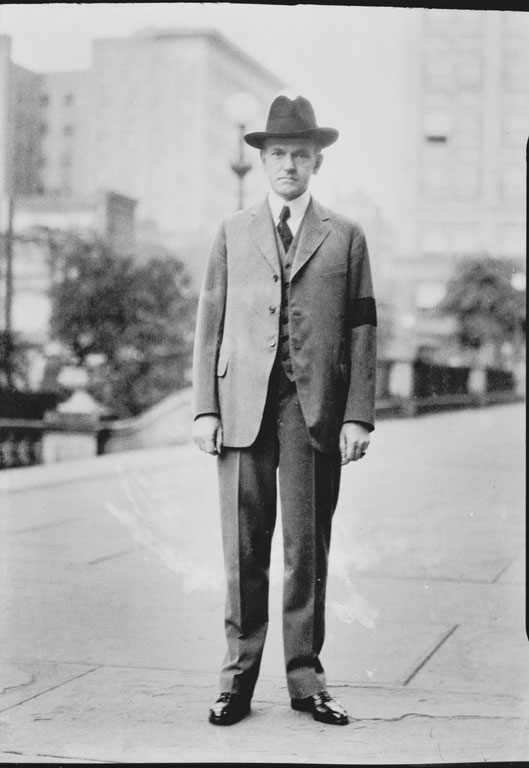
President Coolidge captured by photographer Addison Scurlock, 1924.

President Coolidge captured by photographer Addison Scurlock, early 1924. While certain candidates of all stripes are evading what they believe, hiding who they are from voters, concealing what principles they support and what their vision is for local neighborhoods, counties, states, and the country, Coolidge boldly outlined his policy principles in less than two minutes. In this recording, Coolidge cements his ideals for all time in the crisp record of radio. Instead of hiding who he was and what he sought to accomplish, he freely volunteers it for voters to choose. 1924 shattered conventional wisdom with Coolidge and the Republican Party sweeping to victory in landslide proportions despite being a three-way race. The points he makes still resonate these ninety years later and serve a necessary reminder that the way to decisive victory is not through subterfuge, deception, obfuscation or timidity. Coolidge believed the Republican Party stood for very specific principles and it had better keep its commitments to the electorate on that basis. Talking about what kind of government and set of principles we should have, giving Americans something to vote for as opposed to merely vote against, is vastly neglected these days. Not so with Coolidge. The GOP would do no favors and, in fact, fail good government to water down its differences to gain votes.  Public service was too important to be so cheapened and, to Coolidge, being Republican preserved the best of America’s institutions, ideals, foundations for future progress, and her people’s renewing power for good.
“Who Was the Last President to Have a Great Second Term?” by Burt Folsom

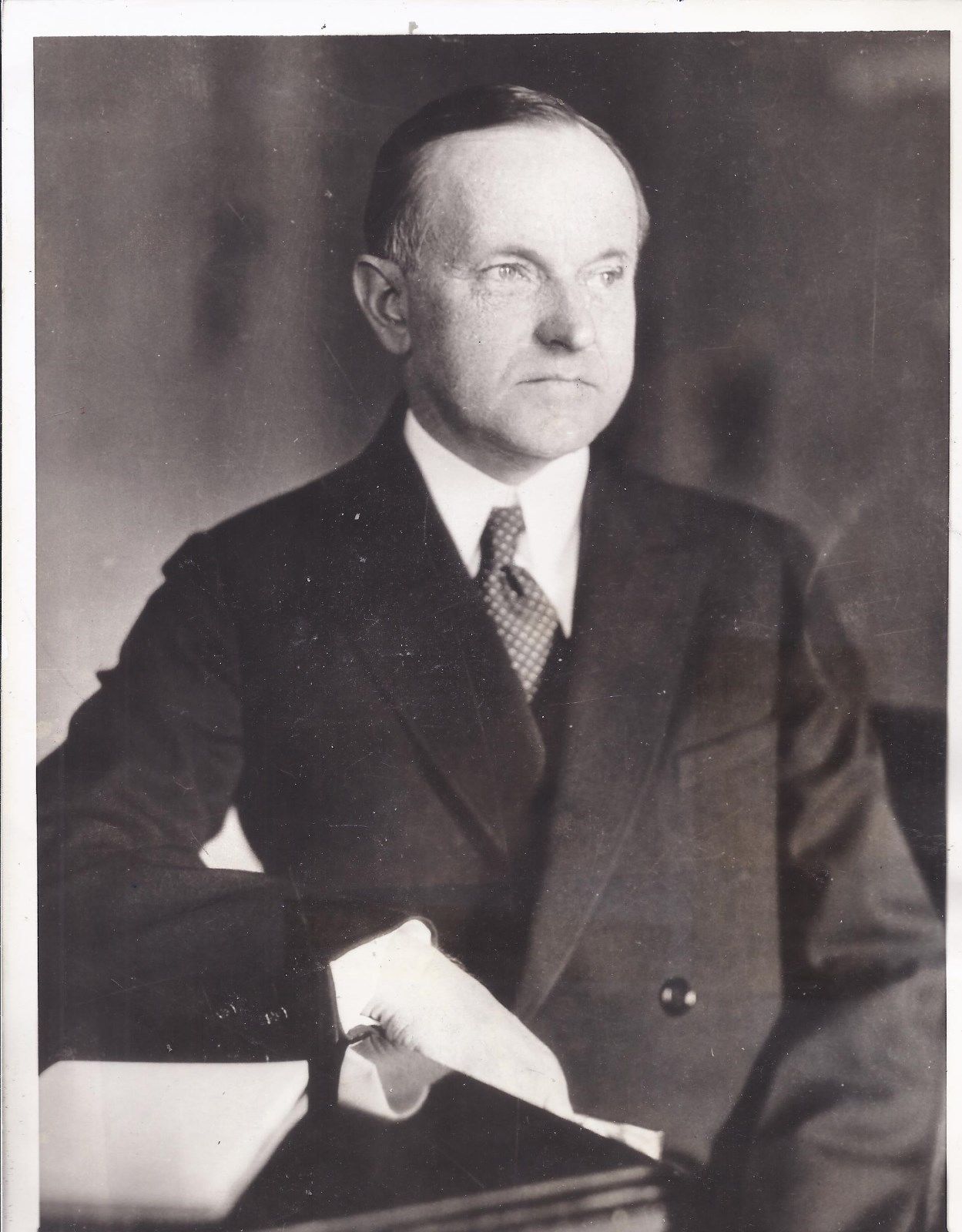
CC portrait blk-white

Dr. Folsom reminds us, in surveying the last eight presidents who have won second terms, that Calvin Coolidge was the last national leader to have (by every economic measure) an extraordinarily successful second term. Even more impressive is the fact that Coolidge achieved this exception to the rule without seeking it, launching out on a legacy-building crusade or perpetual campaign to answer every problem with more government. Coolidge could have certainly indulged the incessant pressure to do so, yet when others attempted to increase the scope, oversight and expense of Washington, he vetoed measure after measure. As Dr. Folsom summarizes, “Calvin Coolidge may not be glamorous, but he fared well by stressing freedom for his countrymen, not ‘signature spending programs’ to ‘enhance his legacy.’ For his own quietly competent style of leadership, Coolidge deserves renewed appraisal. His accomplishments dispel the conventional concept that one must spend his way to greatness, as if it can be bought by deeper and deeper indebtedness. Instead, Coolidge’s record belongs beside those who paid off the entire nation’s debt (President Jackson), placed the country back on the gold standard (President Grant), and those who fought for limited government rather than targeting it for destruction as a means to some transformative end. Coolidge, looking back on his predecessors’ experiences found the results just as instructive against second term presidents. As scholar Jim Cooke has pointed out, Coolidge put it this way in his Autobiography, “An examination of the records of those Presidents who have served eight years will disclose that in an almost every instance the latter part of their term has shown very little in the way of constructive accomplishment. They have often been clouded with grave disappointments.”

Thank you for the timely reminder, Professor Folsom.

More Coolidge Photographic Favorites

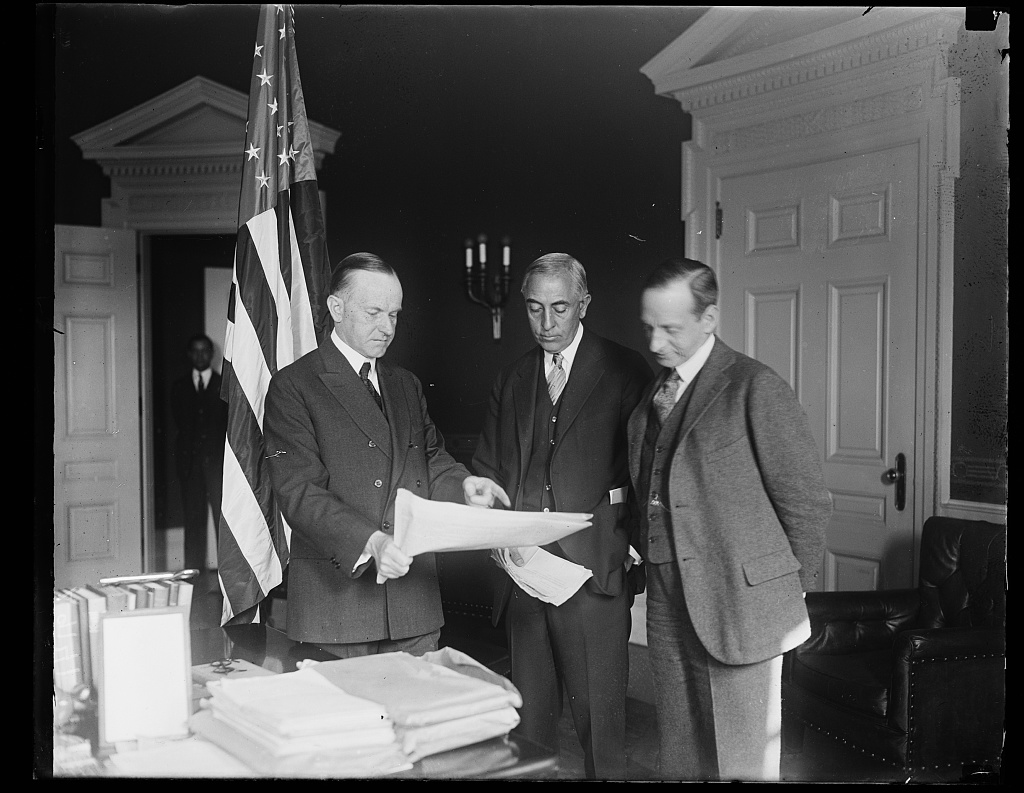
President Coolidge reviewing official papers with C. Bascom Slemp, his official secretary, and "Ted" Clark, his personal secretary since coming to Washington in 1921. Courtesy of the Library of Congress.

President Coolidge reviewing official papers circa 1924 with C. Bascom Slemp, his official secretary, and “Ted” Clark, his personal secretary since coming to Washington in 1921. Notice the large packets of documents on the desk awaiting the President’s attention. Those closest to Coolidge knew him to be a thorough and completely competent executive. He could indeed “swing” the job of President. Courtesy of the Library of Congress.

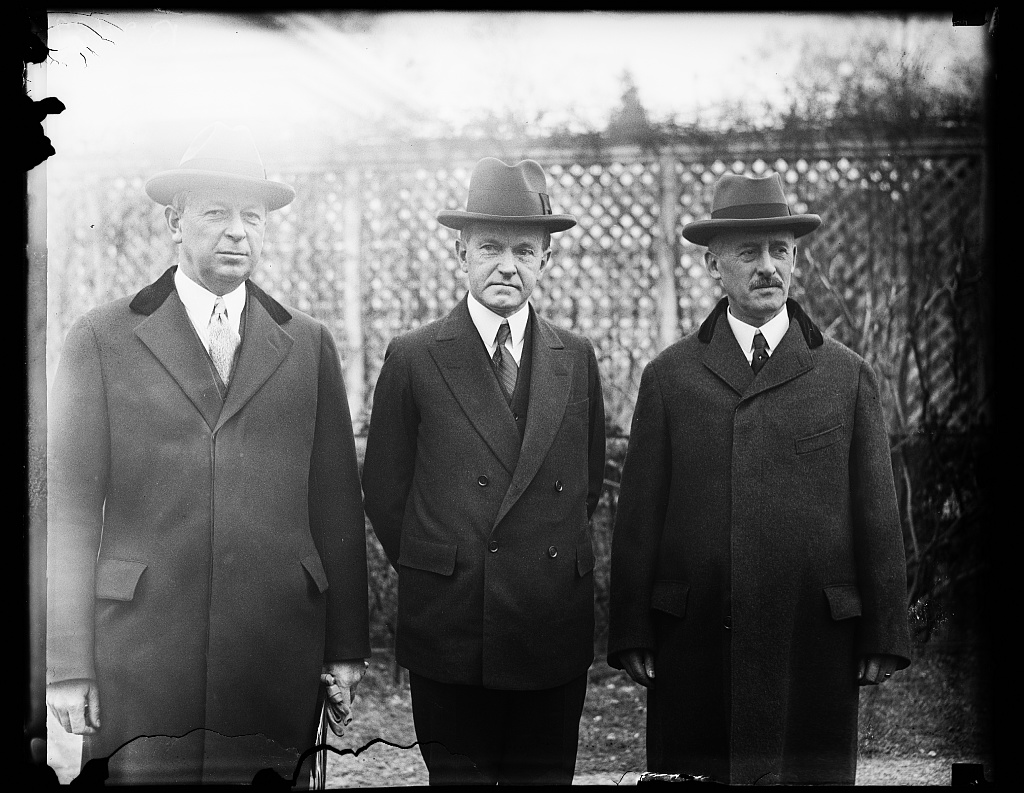
President Coolidge on the White House grounds with his Secretary of War, Dwight F. Davis, and his representative to Nicaragua and then the Philippines, Henry L. Stimson, circa early 1928.

President Coolidge on the White House grounds with his Secretary of War, Dwight F. Davis, and his representative to Nicaragua and then the Philippines, Henry L. Stimson, circa early 1928. Courtesy of the Library of Congress.

President Coolidge conferring with Senate Majority Leader, Charles Curtis of Kansas, 1928. Curtis was also a Kaw Indian, who would rise to the office of Vice President of the United States. Courtesy of the Library of Congress.

President Coolidge conferring with friend and Senate Majority Leader, Charles Curtis of Kansas, 1928. Curtis was also a Kaw Indian, who would rise to the office of Vice President of the United States in 1929. Courtesy of the Library of Congress.

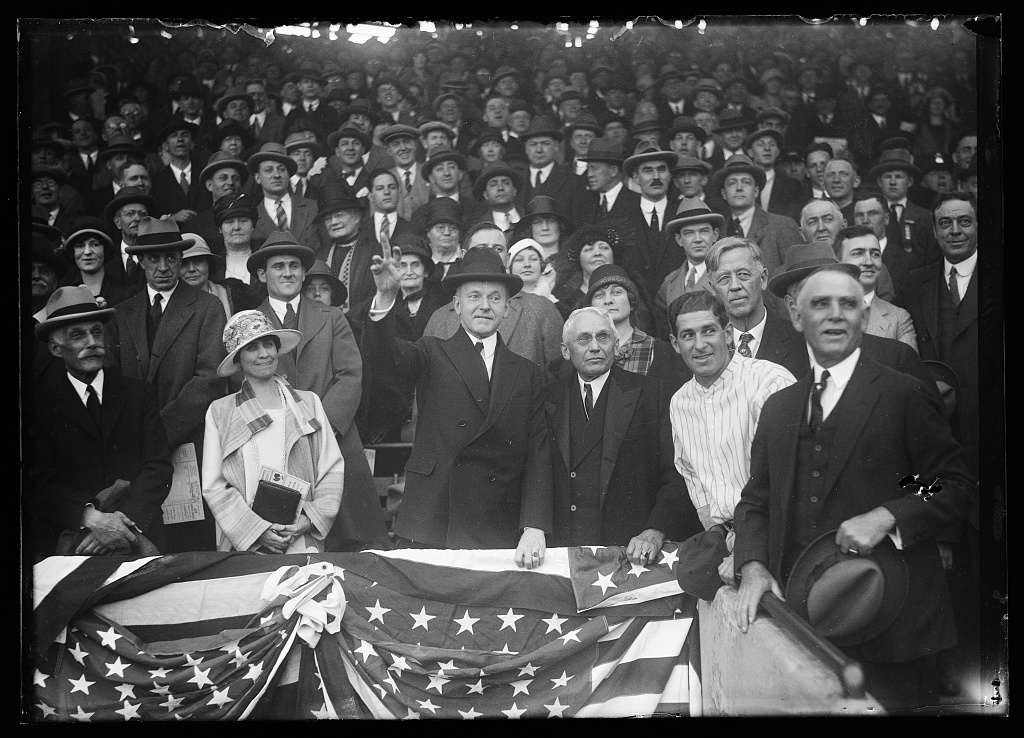
Looking forward to the World Series? Take a look at this great shot from 1925. As everyone watches with rapt attention, Coolidge throws out the first pitch for the old Washington Senators at Griffith Stadium. Courtesy of the Library of Congress.

Looking forward to the World Series? Take a look at this great shot from 1925. As everyone watches with rapt attention, Coolidge throws out the first pitch for the old Washington Senators at Griffith Stadium. Courtesy of the Library of Congress. Go Royals!