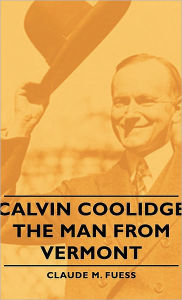
Coming out after more than six years of research from the Coolidge, Stearns, and Taft papers, Claude M. Fuess saw the hastily done, shoddily-researched, and not-so-veiled attack by William Allen White in his Puritan in Babylon, the previous year and pushed to complete the manuscript and move toward publication in 1939. White’s animus combined with that of former White House usher, “Ike” Hoover, who dashed off his characteristically hostile 42 Years in the White House less than two years after Coolidge’s death, convinced Fuess someone had to write honestly about the Coolidge record before time erased memories. Fuess does well writing in the midst of an era ready to hold “Silent Cal” responsible for the state of country after nearly a decade of suffering. Nonetheless, Fuess writes still early enough to speak closer to the events and contemporary with the lives of many who knew Cal and his genuine achievements. We likewise wish Fuess had drawn upon more of the material which Edward Connery Lathem would later publicize in his Meet Calvin Coolidge and his many other works to introduce the world to Coolidge in the 1960s and 70s but we understand why he did not.
Fuess’ book is the best of the earliest biographies of the whole life of Calvin Coolidge, with less focus on his Presidency and more, as the title indicates, “The Man From Vermont.” Fuess does pose a challenge to those looking for pin-point accuracy in the numerous dates he furnishes in this work. Fuess for the chronologist is horrendously unhelpful. The downside is that it seems he settled for newspaper print dates and hence persists in being one day off (or even one year, in some cases) on many, though not all, of his chronological markers. This does not detract from his otherwise insightful and significant work in recounting Coolidge’s life, successes and shortcomings, as well as his place among our Presidents. Fuess is analytical while retaining that necessary balance of sympathy without fawning. Fuess remains a go-to source for anyone seeking to better understand the enigma of Calvin Coolidge and why he deserves our renewed study.
Our friend has presented a great review over at his superb site, Best Presidential Biographies.


 The Importance of the Obvious