July 4th has been an historic moment in the lives of several of our Presidents, usually forming a counterpoint to America’s birth with their own deaths. We readily recall the passing of Adams and Jefferson on the fiftieth anniversary in 1826. We may even know it was Monroe who joined them in death on that day five years later in 1831. Madison almost made four in 1836, dying on June 28 of that year. Cleveland would likewise come close, succumbing on June 24, 1908. Taylor first manifested the symptoms on this day that would take his life in 1850. Garfield would be shot just two days before this in 1881 and tragically languish until September. Grant, after contending with cancer, pushed past his last Independence Day in 1885 to finish the last lines of his autobiography, dying on July 23.
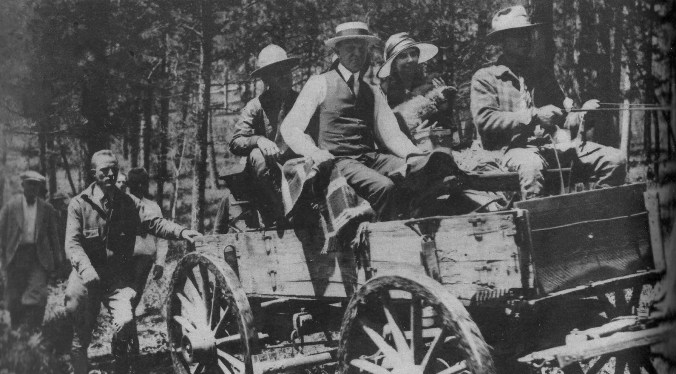
Only one has marked this day with the unique distinction of sharing birthdays with the United States of America. As Mr. Coolidge himself describes it in his Autobiography:
“Of course, the Fourth of July meant a great deal to me, because it was my birthday. The first one I can remember was when I was four years old. My father took me fishing in the meadow brook in the morning. I recall that I fell in the water, after which we had a heavy thundershower, so that we both came home very wet. Usually there was picnic celebration on that day.”

Photo credit: Fishing In Vietnam
 The Importance of the Obvious