
Guest (1881-1959), born in Great Britain, would make his way to the United States while still very young and work his way up from copy boy for the Detroit Free Press to one of the most beloved poets of the early 20th century.
Edgar Guest, long known as the “People’s Poet,” often received the snide dismissal and sarcastic derision of the Algonquin Round Table and other erudite critics and intellectuals for his sunshiny platitudes and, at least to them, sickeningly sweet optimism. He is still occasionally the subject of parody. Yet, as his sobriquet suggests, regular folks loved and admired his work. They found it tapped into principles that, however bleak it got, still mattered and still outlasted the troubles around them. They found it a welcome light in dark challenges, a haven for timeless things not an escape from reality as was (and is) too often attributed to his poetry. He thought no less deeply about hard issues and, like Frank Capra in film, did not flinch from the existence of life’s difficulties.
It is not surprising then that Guest would turn to President Coolidge for some of his inspiration. While the 7-line rhyme scheme below (AB AAB CC) does not conform to the limerick, these lines from Guest’s “President Coolidge,” published in a collection entitled “Just Folks” shortly after Cal’s succession to office in late 1923, deserves a new reading, even on National Limerick Day.
Calvin Coolidge, President!
Was it written in the stars?
Did God whisper His intent
To the dreamy lad who leant
On the weathered pasture bars?
Did the little boy in school
Know that some day he should rule?
Did the gentle mother know
Something others never knew
In that happy long ago,
Him she loved and cherished so
Had a mighty work to do?
Did God ever let her see
Little Calvin’s destiny?
Did God whisper: “Train him well,
Teach him to be strong and true,
For some day a tolling bell
To a sorrowing land shall tell
Why this son was sent to you?”
Did God tell her ere she went
She had borne a President?
Calvin Coolidge, President!
Once a lad behind a plough,
Whistling gayly as he went,
With his humble place content,
And a mighty ruler now.
Surely ’tis God’s hand we see
In a great man’s destiny.
Of course, Cal answers these questions six years later in his Autobiography, hinting in both biblical allusion and language that very possibly indicates his awareness of Guest’s poetic references to him back in 1923:
“So far as I know, neither he [grandfather Coolidge] nor any other members of my family ever entertained any ambitions in my behalf. He evidently wished me to stay on the land. My own wish was to keep store, as my father had done.
“They all taught me to be faithful over a few things. If they had any idea that such a training might some day make me a ruler over many things, it was not disclosed to me. It was my father in later years who wished me to enter the law, but when I finally left home for that purpose the parting was very hard for him to bear…
“…[M]y father and I went to the dedication of the Bennington Battle Monument…I heard President Harrison, who was the first President I had ever seen, make an address. As I looked on him and realized that he personally represented the glory and dignity of the United States I wondered how it felt to bear so much responsibility and little thought I should ever know.”
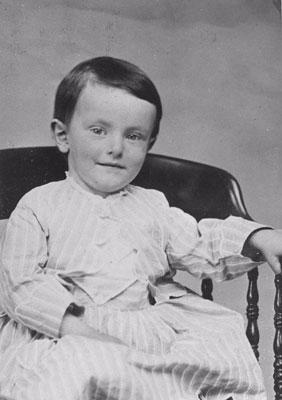
Calvin Coolidge at age 3 (1875)


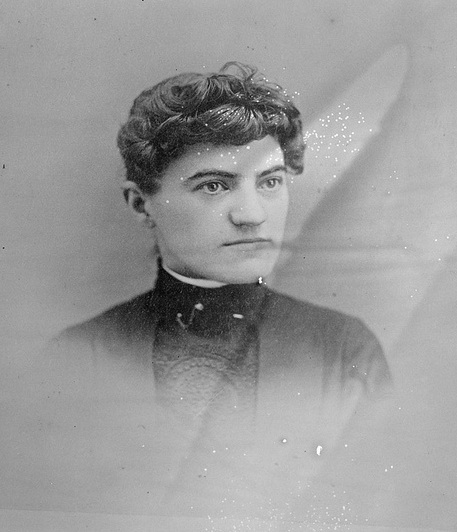
 The Importance of the Obvious