
Depiction of William Shakespeare by George Henry Hall (1825-1913). Courtesy of the Royal Shakespeare Company Collection.
This month, marking the four hundredth anniversary of the great William Shakespeare’s death (April also being the 452nd anniversary of his birth), we honor the “Bard of Avon” with this remembrance from Calvin Coolidge, the last classically educated President we had:
Reflecting on the impact of his immersion in the great literary Masters, Coolidge understood the civilizing and ennobling power of good literature on the character. It accomplishes what no other creative art can. The love of truth, beauty, and goodness all find their soul-nourishing expression in the poetry, prose, and creative thoughts of great English composition (first and foremost in the English Bible of Wycliffe), followed by Shakespeare and those who (like Philip Sidney, the Bard’s contemporary, explained it) were better at articulating eternal truths and more prescient than most philosophers at inspiring those who read them to love what is noble, seek what is good, disdain what is debased and reject what is evil.
Coolidge summarized this way his life-long appreciation for the ongoing conversation captured by Shakespeare and perpetuated by those both new and old to the dialogue of great ideas who, in turn, derived their inspiration from the authors of antiquity:
“My evenings I gave to some of the masters of English composition. I read the speeches of Lord Erskine, of Webster, and Choate. The essays of Macaulay interested me much, and the writings of Carlyle and John Fiske I found very stimulating. Some of the orations of Cicero I translated, being especially attached to the defense of his friend the poet Archias, because in it he dwelt on the value and consolation of good literature. I read much in Milton and Shakespeare and found delight in the shorter poems of Kipling, Field and Riley“ (The Autobiography p.73)
As Lysander replies to Theseus in Shakespeare’s Midsummer’s Night Dream, “It is not enough to speak, but to speak true.” The greatness of literature is not in its deconstruction or eradication as politically incorrect and embarrassing monuments to the supposed existence of white male oppression. It presents us the world as it is, in truer form than postmodernism can permit and from which would seek to escape through absurd theories that deny the very essence of creativity, the discrimination of values, and the capacity of all human beings to judge and discern truth, goodness, and beauty. Rather, the power and importance of great literature come from the truths universal to the nature of human beings and the colorful tapestry of reality. By tapping into that reflection of our natures we are taught principles that inspire and improve, declare words have precise meanings, feed our souls and train our minds, equip and correct with an insight that all can share, appreciate, and proudly claim as one’s own. Moreover, we can engage in this joyous ownership wherever and whenever we were born, brought to each of us by the great discourse of ideas found within the English Canon.

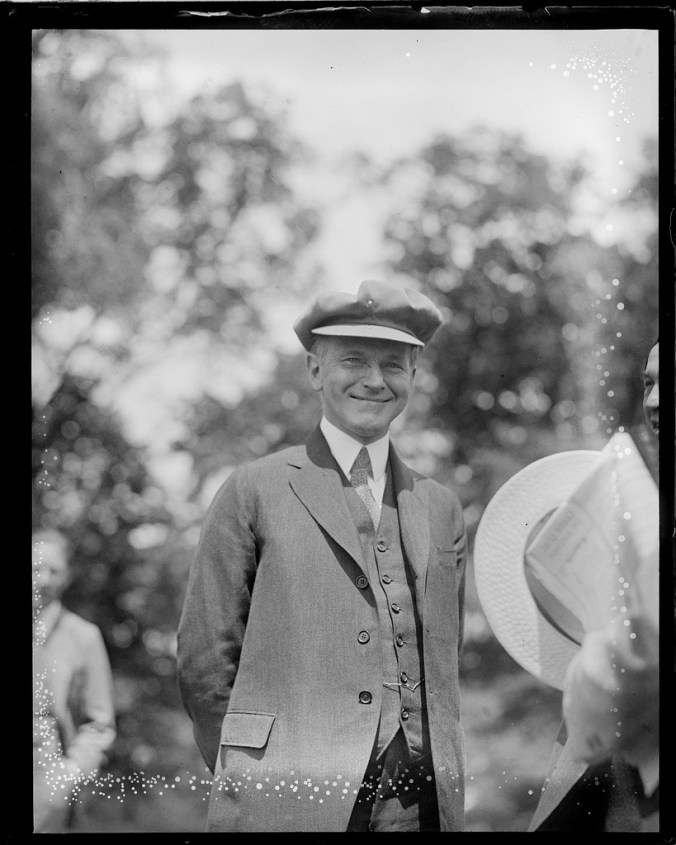
Here is a young Calvin Coolidge launching out on the beginning of his life in public service, starting here with a thorough training in the classics.
 The Importance of the Obvious