Reading the Wiley Companion’s chapter on “Military Interventions in the Coolidge Administration” reminded me of this piece from two summers ago. It is unfortunate that so much of the scholarship Wiley documents discloses a greater familiarity with the 30s while reimposing developments back on the 20s. I would add that Coolidge was the one who established the “Good Neighbor” policy (not as a “religious nonintervention,” but through a respect for law, not force, as the standard to which all nations adhere). Coolidge deliberately curtailed the Roosevelt Corollary and laid the basis for a policy that defended life and self-government. It would be the leadership of the 30s and 40s that revived America’s role as world policeman, obligated to a custodianship of Europe’s affairs while simultaneously abandoning Latin America to ambitious opportunists.

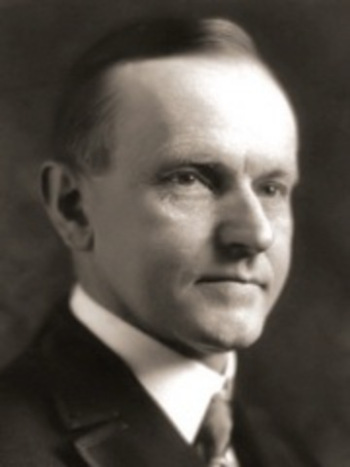
Calvin Coolidge, writing his column after the midterm elections of 1930 were known on November 4 of that year, observed, “Some people will be disappointed and some will be elated. But there will be enough representatives of different parties holding office during the next two years so that no very violent change in policy will be made…We make our own government. If we fail it is our own fault. Under our system a nation of good citizens cannot have a bad government.” The keyword for Mr. Coolidge was good. If citizens are doing what they are supposed to do — exercising their responsibilities seriously — no bad government would stand a chance of being elected. As he would say at other times, “government is what we make it.” It was a more profound way of saying elections have consequences. While Coolidge was largely correct that “no very violent change”…
View original post 1,664 more words

 The Importance of the Obvious