
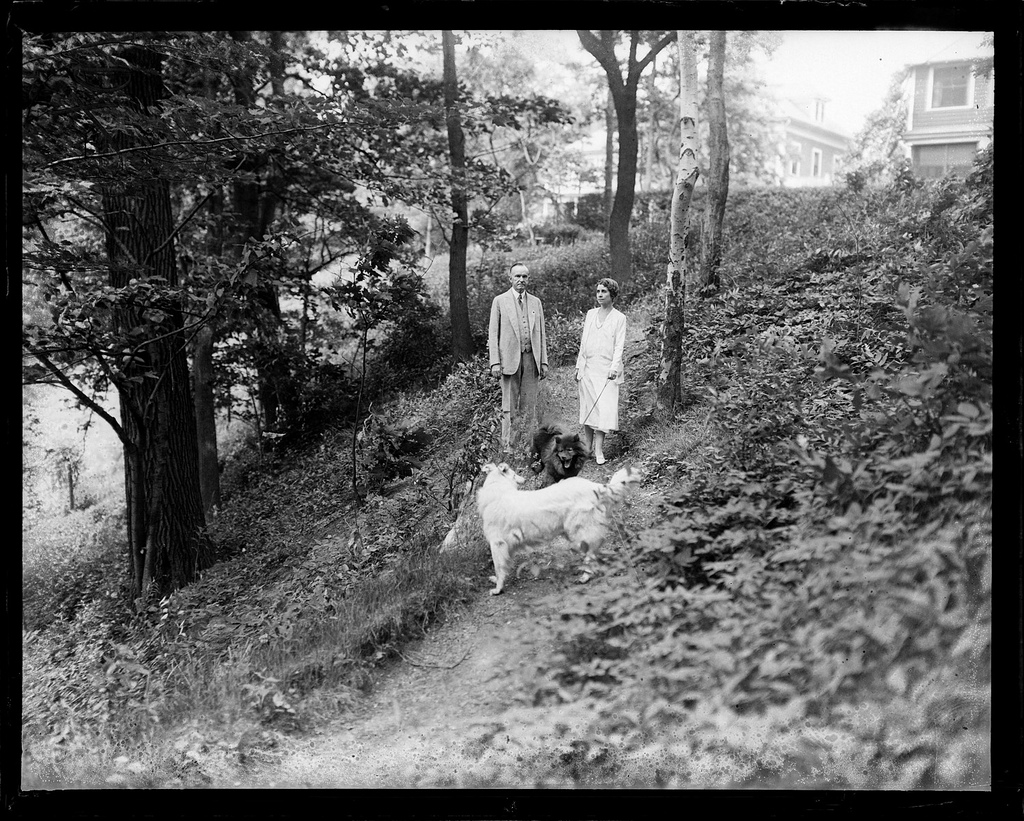
The Coolidges at home, on the grounds of The Beeches, June 1930.
“I trust there may come a better appreciation of the necessary development of our life along these directions. They should be made to contribute to health, to broader appreciation of nature and her works, to a truer insight into the whole affair of existence. They should be the means of acquainting all of us with the wonders and delights of this world in which we live, and of this country of which we are the joint inheritors…I want to see all Americans have a reasonable amount of leisure. Then I want to see them educated to use such leisure for their own enjoyment and betterment, and the strengthening of the quality of their citizenship. We can go a long way in that direction by getting them out of doors and really interested in nature…Our country is a land of cultured men and women…It is a land of varied climes and scenery, of mountain and plain, of lake and river. It is the American heritage. We must make it a land of vision, a land of work, of sincere striving for the good, but we must add to all these, in order to round out the full stature of the people, an ample effort to make it a land of wholesome enjoyment and perennial gladness” — President Calvin Coolidge, addressing the National Conference on Outdoor Recreation, May 22, 1924.
“The practical application of economy to the resources of the country calls for conservation. This does not mean that every resource should not be developed to its full degree, but it means that none of them should be wasted. We have a conservation board working on our oil problem. This is of the utmost importance to the future well-being of our people in this age of oil-burning engines and the general application of gasoline to transportation” — Sixth Annual Message, December 4, 1928.
“Strange as it may seem, the American people, bred for many generations to forest life, drawing no small measure of their wealth from the forest, have not yet acquired the sense of timber as a crop. These immense stretches of cut-over land, mostly too rough or too sterile for tilling, have not awakened us to their vast potential worth as growers of wood. Fully one fourth of our land area ought to be kept in forest–not poor, dwindling thickets of scrub, but forests of trees fit for bridges and houses and ships. Handled by the best timber-cropping methods, our present forest lands could be made to grow even more timber each year than we now use. But much of our cut-over land, lying idle or half productive, is now an immeasurable loss. It pays little or no taxes, it keeps few hands busy, it turns few wheels, it builds no roads. Idle forest land has scrapped schools, factories, railroads, and towns; it has dotted the land with abandoned farms; it has created a migratory population. Our forest problem is a land problem of the first magnitude. It is likewise an industrial problem of great importance” — excerpt of Address before the National Conference on Utilization of Forest Products, November 19, 1924.
While the indefatigable Theodore Roosevelt, signed the American Antiquities Act of 1906 that enabled the establishment of national land preservation, his record of eighteen national monuments and three national parks, would, surprisingly, see the closest second not in his immediate successor, nor in the administrations of either Wilson or Harding. It would be the quietly competent man from Vermont who would stand in closest proximity to TR with twenty-four national monuments, parks, battlefields, and preserves. Yet, as these statements of Coolidge underscore, he believed in the use of property as an indispensable part of conservation. His deployment of the executive order, working hand-in-hand with his conservation authority under the 1906 Antiquities Act, illustrates this repeatedly during his five and a half years as President. Coolidge not only trimmed back the unnecessary acreage claimed for Yellowstone by predecessors (E. O. 4637), he trimmed back some of the Federal land claims he himself had approved, deeming them excessive on a second look (E. O. 4650). Not all land is best served sitting untended, unsettled, unused, Coolidge knew. This even meant adding land to be set aside, at times, like he did for Carlsbad Caverns (E. O. 4870). As such, it was not contradictory for Coolidge to oversee the return of certain lands to settlement and development while retaining legal ownership as public land, depending on the law and what circumstances required. He observed the dangers of rewarding private interests just as he recognized the threat of nationalizing everything. Both did not inherently serve the good of the country, as his predecessor’s mistakes had made clear. Nevertheless, Federal conservation did not preclude the use of that land by the states and the people. Government land ultimately belonged to the American citizen, after all. Coolidge held respectfully to the balance between law and liberty. Nevertheless, versed in history, he understood that the very essence of conservatism encompassed an important role for government in conservation. Just as handing large swaths of territory over to bureaucrats without lawful limits was irresponsible so would it be relegating our resources to unscrupulous developers in the name of “free” markets to become bargaining chips in the future. Either course was a betrayal of good government, including his oath, and a subordination of what was best for the whole people to the whims of a politically powerful few. To shut the door of opportunity on either resource development or public recreational enjoyment while rewarding particular friends with unchallenged access, no bid contracts and public money was morally repugnant, a flagrant waste and a contradiction of the obligation incumbent on government to observe economy — in all its forms.
In recognizing the twenty-four sites around America that he did, Coolidge was emphasizing more than the principle that conservation includes wise development. There was no replacement for what one gained from nature. The quiet discipline, he once noted, of the mountains and valleys, the rivers and lakes, hills and plains have a restorative power and profound impression on all of us. God’s world should be enjoyed and experienced. However, it was also significant that many of the places Coolidge would designate as national monuments secured importance for their pivotal place in human history. What was done there by brave and principled people made it worth honoring. What makes Coolidge’s Twenty-Four so impressive is that they encapsulate his characteristic balance — a healthy combination of his love for country and for his God. Together they are a celebration of America’s heroic meaning and the incomparable beauty of nature adorned by our Creator.
How many of the Coolidge Twenty-Four have you seen?
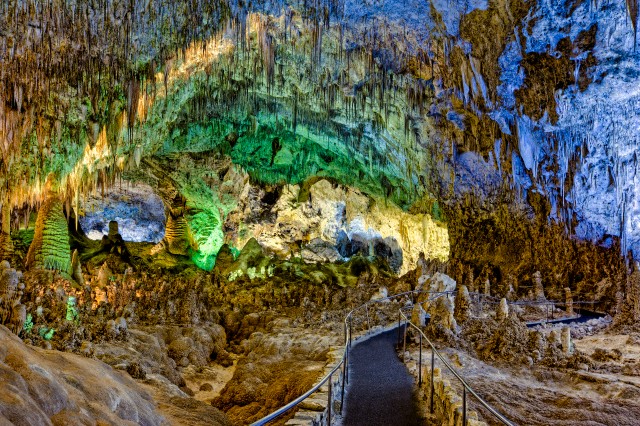
1. Carlsbad Caverns National Monument, New Mexico, established as a National Monument, October 25, 1923; redesignated as a National Park, April 2, 1924, by Executive Order 3984; Expanded by Executive Order 4870, May 3, 1928; renamed, 1930. Courtesy of Doug Meek/Corbis.

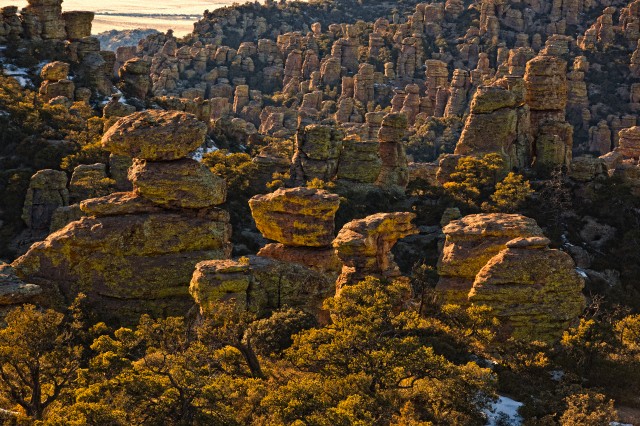
2. Chiricahua National Monument, Arizona, established April 18, 1924. Courtesy of Robert Postma/First Light/Corbis.

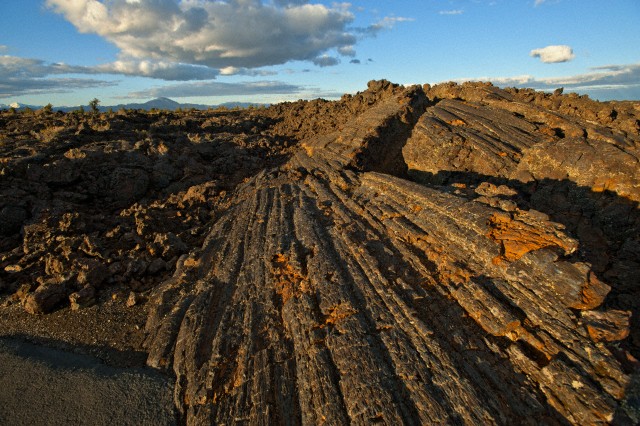
3. Craters of the Moon National Monument, Idaho, established May 2, 1924. Courtesy of Ben Cooper/Science Faction/Corbis.
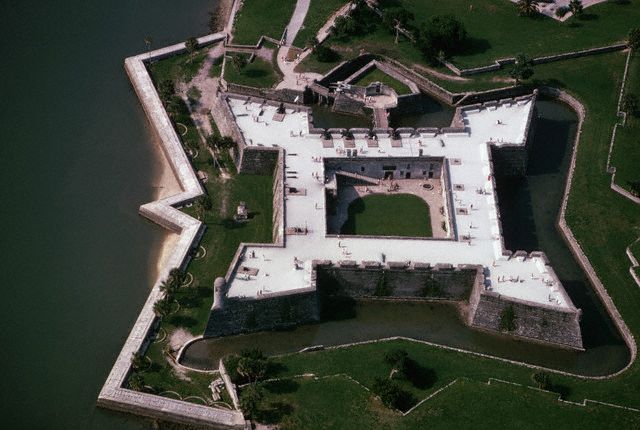
4. Castillo de San Marcos, Saint Augustine, Florida, the Spanish fort built between 1670-1695. Coolidge established it as a National Monument on October 15, 1924. Courtesy of James L. Amos/Corbis.

5. Fort Matanzas, Saint Augustine, Florida. The structure was built between 1740 and 1742, fifty plus years after the Castillo de San Marcos. Coolidge signed the Act establishing both as National Monuments the same day, October 15, 1924. The Coolidges would visit the site in December 1928. Courtesy of Lee Snider/Photo Images/Corbis.
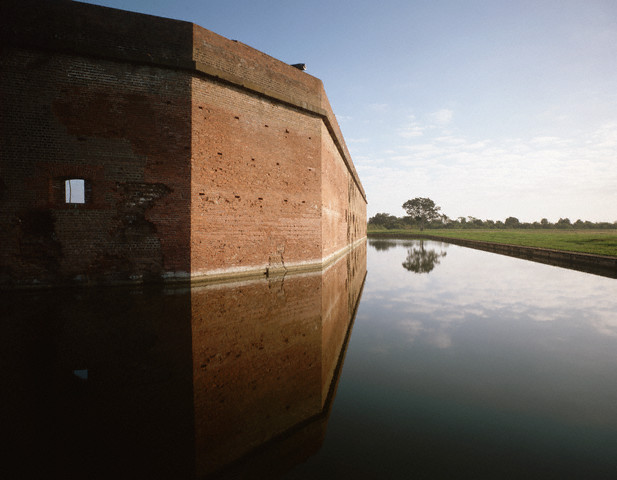
6. Fort Pulaski, Savannah, Georgia. Established as a National Monument, October 15, 1924. Courtesy of David Muench/Corbis.

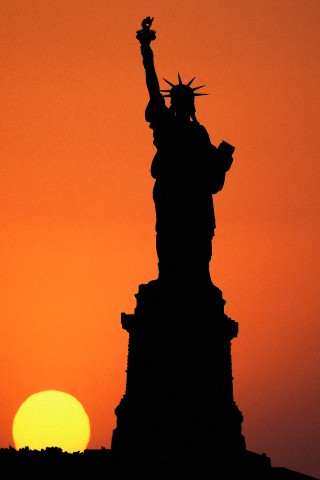
7. Statue of Liberty, Bedloe’s Island, New York, established as a National Monument, October 15, 1924. Courtesy of Atlantide Phototravel/Corbis.

8. Castle Pinckney, Charleston, South Carolina, established as a National Monument, October 25, 1924, but removed from that status in 1956. Courtesy of Henryk Sadura/Tetra Images/Corbis.
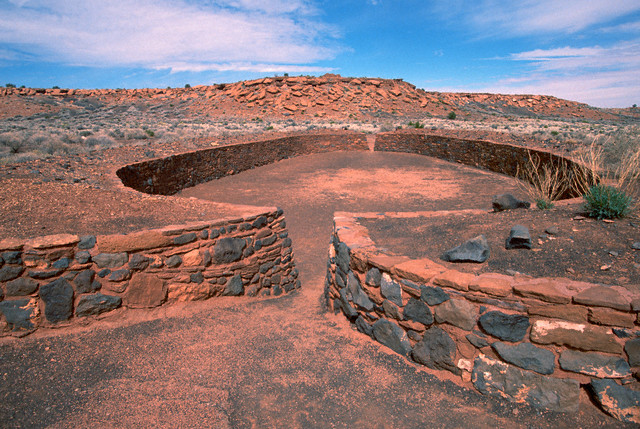
9. Wupatki Ruins National Monument, Arizona, including this intact ball court at the site dating from 1190 to 1240. Established as a Monument on December 9, 1924. Courtesy of Tom Bean/Corbis.

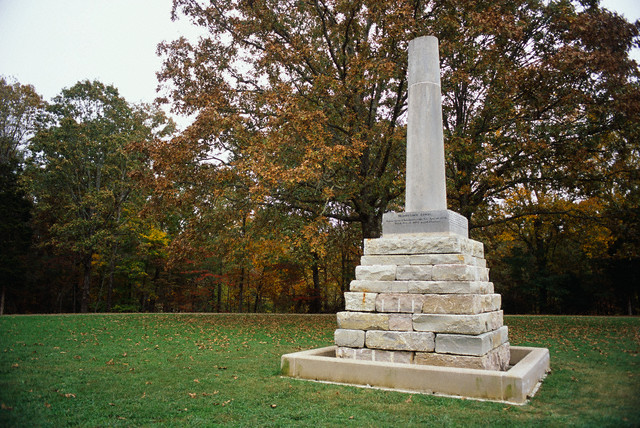
10. Meriwether Lewis National Monument, Tennessee, established February 6, 1925; Gravesite added to the Natchez Trace Parkway in 1961. Courtesy of Connie Ricca/Corbis.

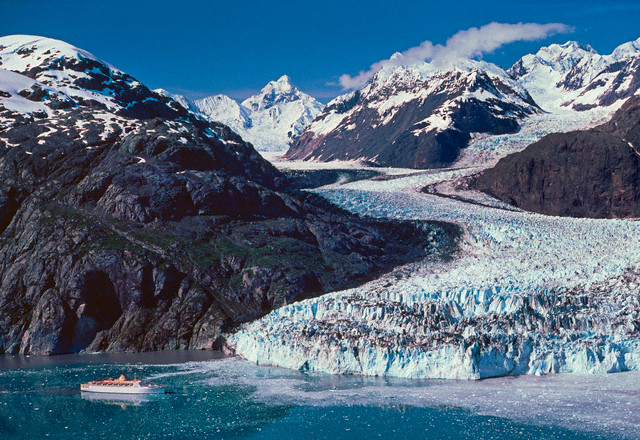
11. Glacier Bay National Monument, Alaska, established February 26, 1925. Margerie Glacier sprawls before a cruise ship visiting the site. Courtesy of Danny Lehman/Corbis.

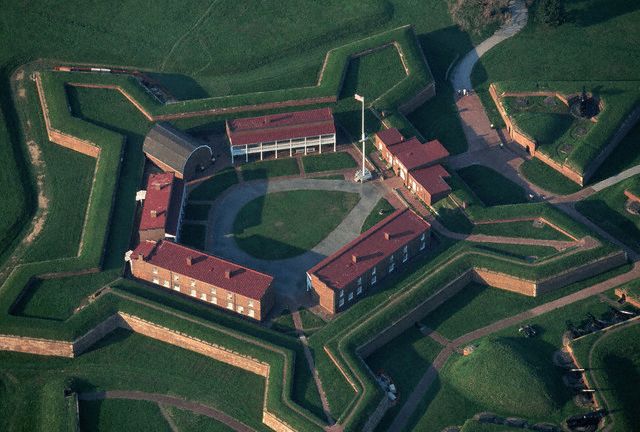
12. Fort McHenry National Military Park, Maryland, established March 3, 1925. It was on September 13, in 1814, that Americans successfully held off the British through the night and inspired Francis Scott Key to write what would become our National Anthem. Courtesy of Paul A. Souders/Corbis.
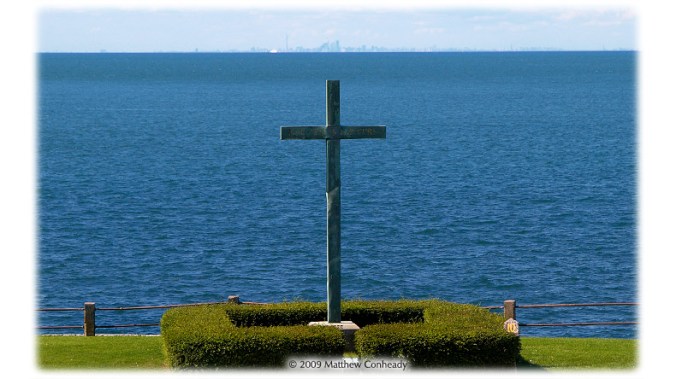
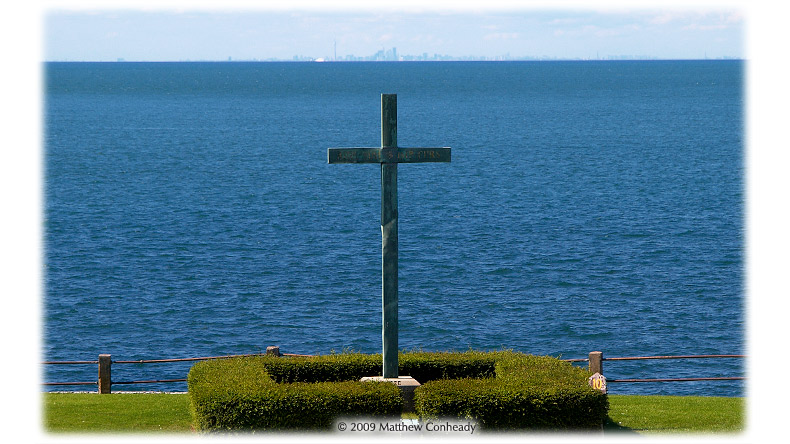
13. Father Millet Cross National Monument, New York, September 5, 1925; given back to the State of New York in 1956. It was once the smallest National Monument in our history. Courtesy of Matthew Conheady.

14. Lava Beds National Monument, California, depicting Petroglyph Point, established November 21, 1925. Courtesy of Paul A. Souders/Corbis.
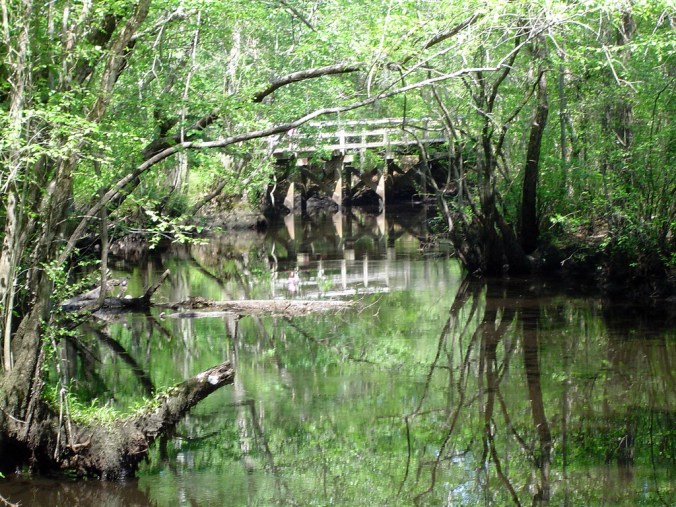
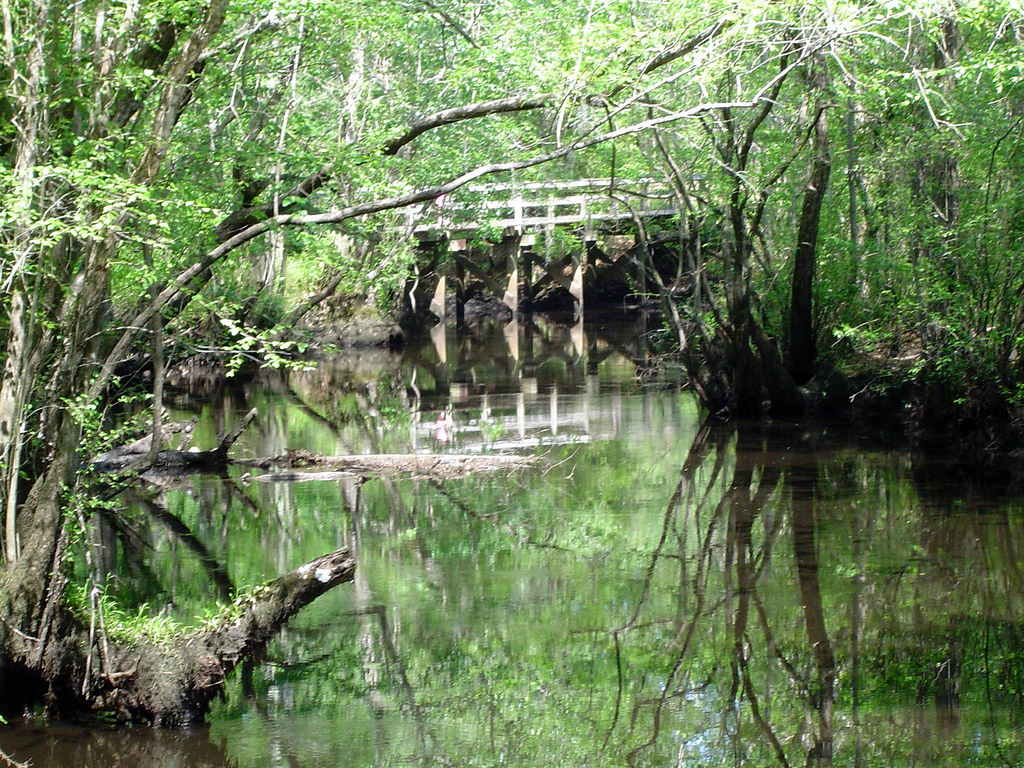
15. Moores Creek National Military Park (now Battlefield), North Carolina, depicting the famous bridge for which the battle was named, established by President Coolidge, June 2, 1926.
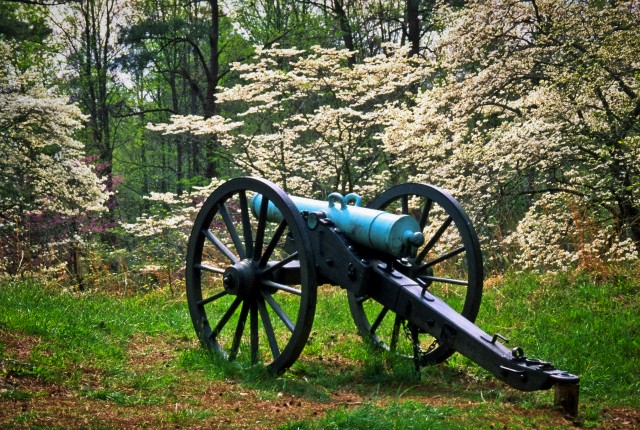
16. Petersburg National Military Park (now Battlefield), Virginia, established July 3, 1926. Courtesy of Dennis Mook/SuperStock/Corbis.

17. Fredericksburg and Spotsylvania National Military Park, Virginia, established February 14, 1927; Dedicated by President Coolidge in person, October 19, 1928, from the house pictured here, Smithfield Plantation (then known as Mannsfield Hall).

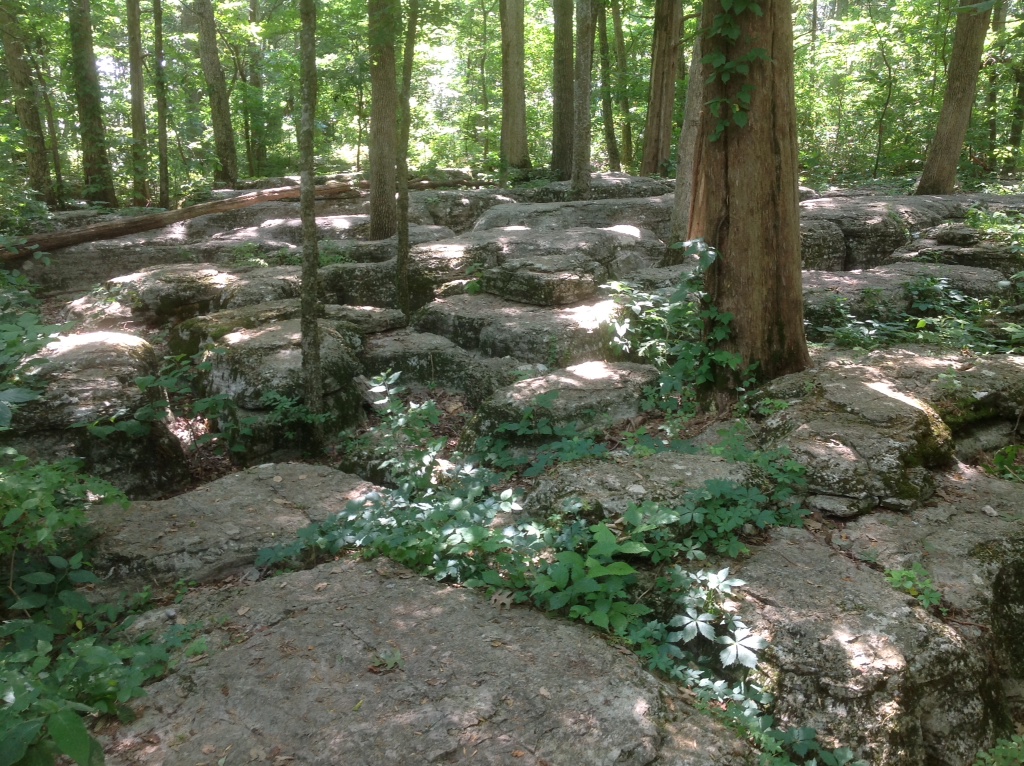
18. Stones River National Military Park (now Battlefield), Tennessee, established as such by Coolidge on March 3, 1927. Those who fought here called it the Slaughter Pen. This glimpse of the terrain helps explain why. Courtesy of Eric R. Asher.
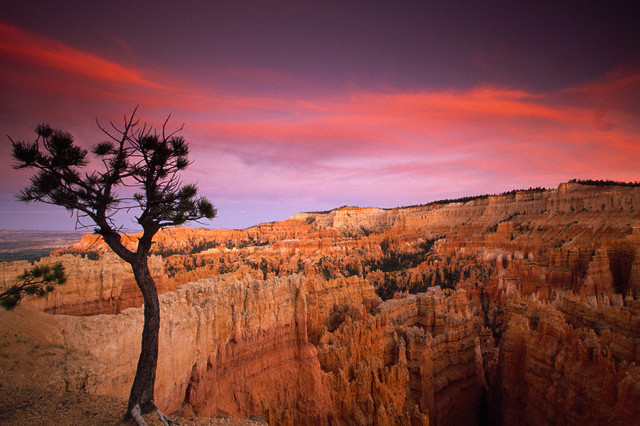
19. Bryce Canyon National Park, Utah, established February 25, 1928. Courtesy of Atlantide Phototravel/Corbis.

20. Fort Donelson National Battlefield, Tennessee, established March 26, 1928. As can be readily seen from here, the fort has a commanding view of the Cumberland River.
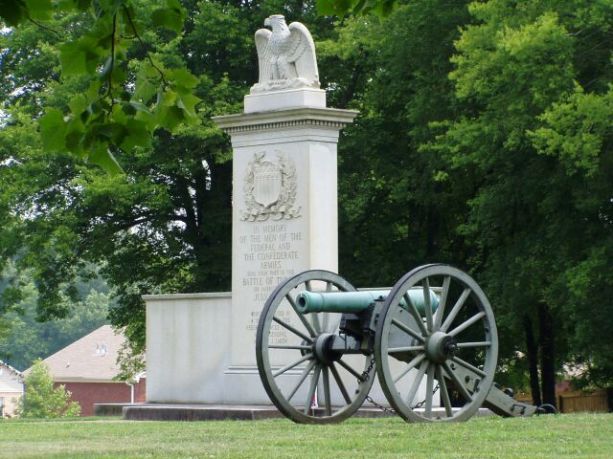
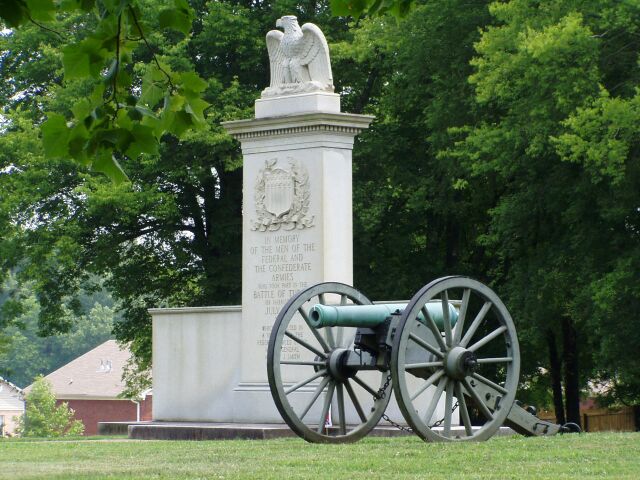
21. Tupelo National Battlefield, Mississippi, established February 21, 1929.

22. Brices Crossroads National Battlefield, Mississippi, established February 21, 1929, alongside Tupelo, represented by the second artillery piece at this site. Courtesy of David Muench/Corbis.

23. Grand Teton National Park, Wyoming, established February 26, 1929. Courtesy of Duncan Usher/Minden Pictures/Corbis.

24. Last but not least, Badlands National Park, South Dakota, approved on the morning of March 4, 1929, right before officially turning over the Presidency to Hoover. Courtesy of Corbis.









 The Importance of the Obvious