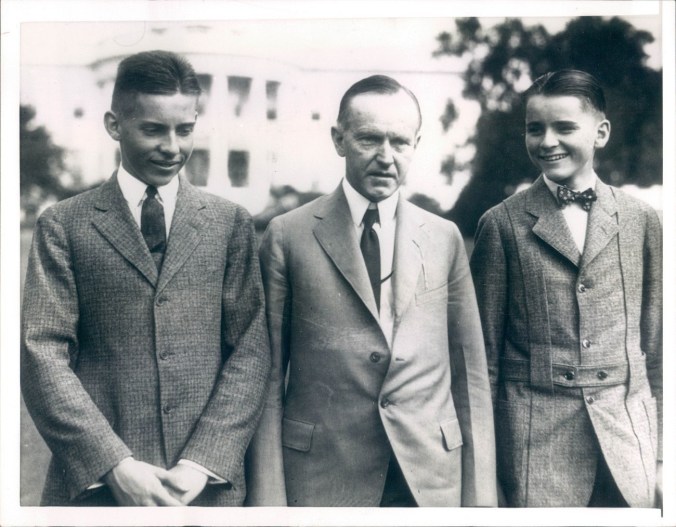
On Knute Rockne and Football

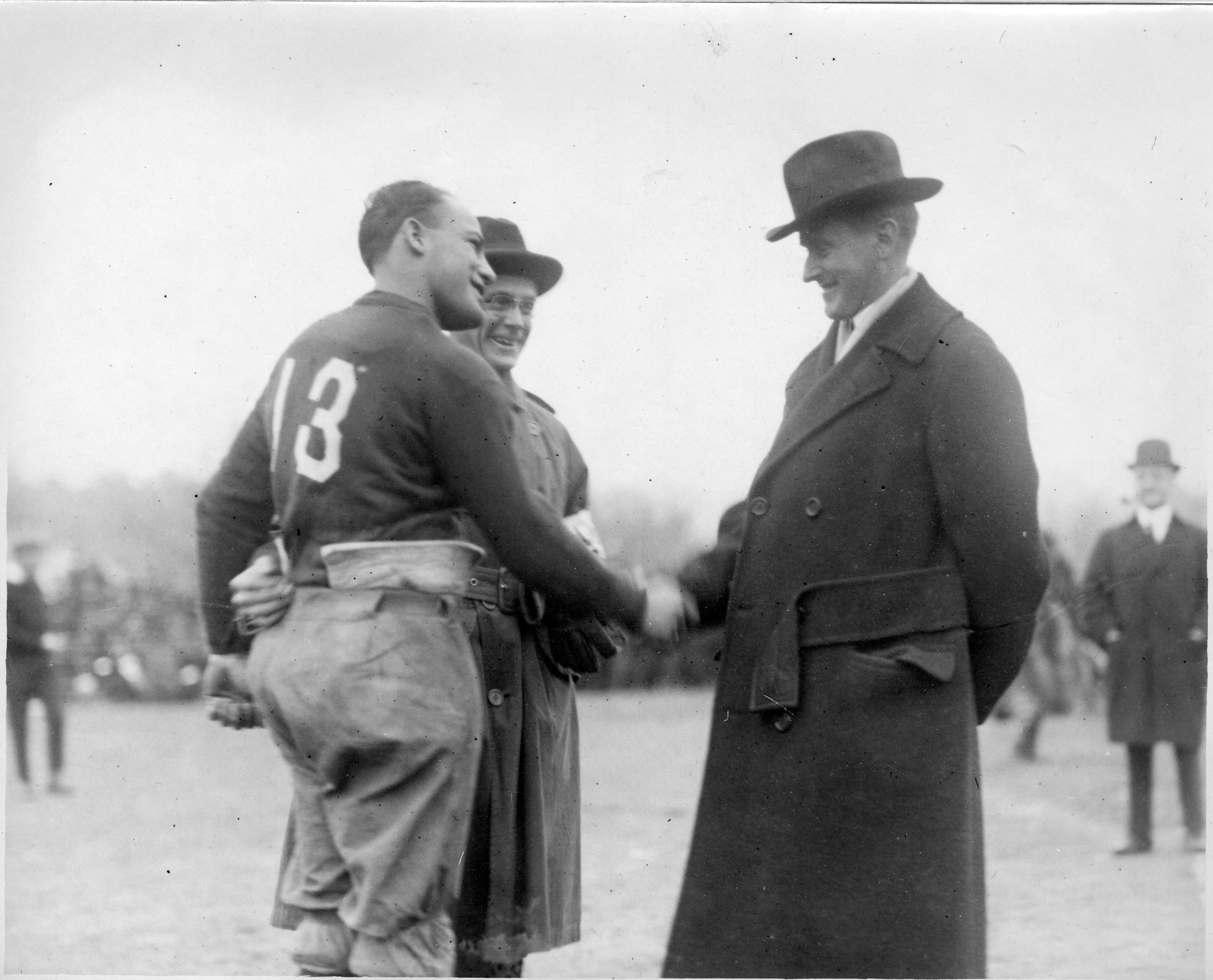
ImageGovernor Coolidge is photographed meeting Amherst’s football captain on Pratt Field, 1920.


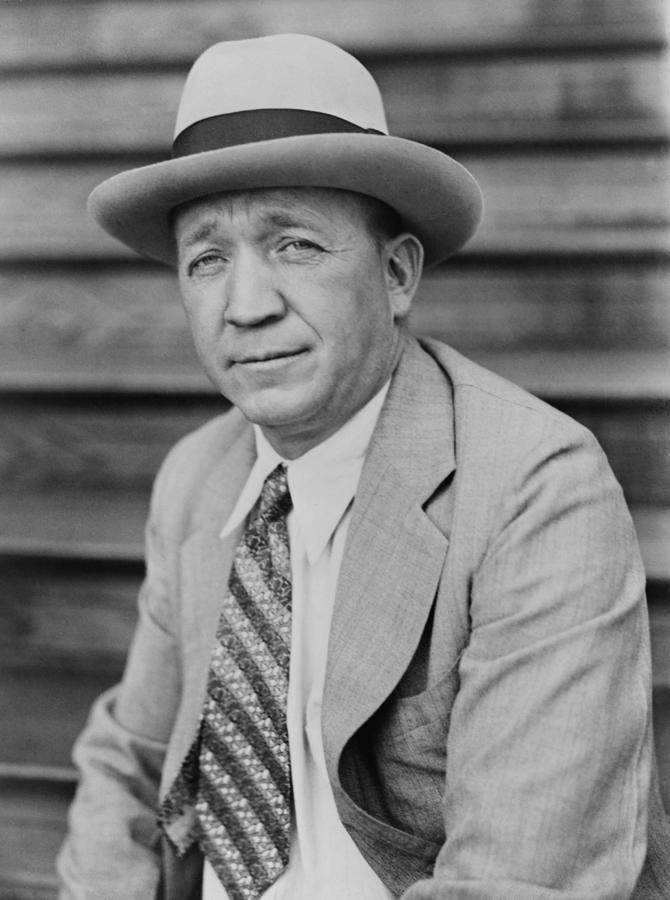
As college football season commences and the NFL settles on its concussion suit, it is worth reflecting upon the principles of which the game is supposed to consist. It is more than big jocks slamming into each other for four quarters. It means more than the business of contracts, celebrity and eradication of risk. Notre Dame’s Knute Rockne taught young men the heart of the game was more than all that. The passion for excellence and development of moral strength was the essence of the sport. Coolidge, writing on the sorrowful occasion of the great coach’s death in 1931, offered these thoughts on the man and the abiding worth of what he taught,

     Knute Rockne is gone. As a football coach he ranked at the head of his profession. In the thirteen years during which he trained the Notre Dame team there were one hundred and five victories and but twelve defeats. Five of his teams never lost a game.

     Back of these achievements was a great man, an inspiring leader and a profound teacher. His training was not confined to the physical side of athletics. He put intellectual and moral values into games. He taught his men that true sport was something clean and elevating. Right living and right thinking went into his victories.

     Rockne conducted a course that was only incidental in education. Yet he had a name and fame with the undergraduate world and the public surpassing that of any faculty member in the country. His activities had the benefit of publicity, but that does not account for his hold on young men. We shall find that in his constant demand for the best that was in them. No bluff would answer. Fifty percent would not do. His passing mark was one hundred. He required perfection. That was why men honored and loved him. That was the source of his power (“Calvin Coolidge Says,” April 2, 1931).
Image

On the Oath

Section 1 of Article II of the Constitution prescribes the oath each President is to promise and observe as he carries out the responsibilities of his office, ‘I do solemnly swear (or affirm) that I will faithfully execute the Office of President of the United States, and will to the best of my Ability, preserve, protect and defend the Constitution of the United States.’

When the occasion arose to succeed the President in the early hours of the morning on August 3, 1923, Coolidge did not have to consult a team of legal experts or “brainstorm” with Cabinet members over the telephone about what comes next. He simply consulted the Constitution which sat on his father’s bookshelf and found the oath to be taken by the President, the same he had affirmed over two years before. The answer, to anyone able to read and understand, was accessible simply by looking at the Constitution, our blueprint and road-map.

“Having found this form in the Constitution I had it set up on the typewriter and the oath was administered by my father in his capacity as a notary public, an office he had held for a great many years.”

When it came to the Constitution, Coolidge’s grasp of its power and clarity is no less essential a message for the current President than it has been for the previous forty-three,

…[T]he President exercises his authority in accordance with the Constitution and the law. He is truly the agent of the people, performing such functions as they have entrusted to him. The Constitution specifically vests him with the executive power. Some presidents have seemed to interpret that as an authorization to take any action which the Constitution, or perhaps the law, does not specifically prohibit. Others have considered that their powers extended only to such acts as were specifically authorized by the Constitution and the statutes…This has always seemed to me to be a hypothetical question, which it would be idle to attempt to determine in advance. It would appear to be the better practice to wait to decide each question on its merits as it arises…

Coolidge is not sanctioning an improvisational Presidency employing situational compliance with the Constitution and our laws as it suits the individual. He makes that plain with what he says in the very next paragraph.

For all ordinary occasions the specific powers assigned to the President will be found sufficient to provide for the welfare of the country. That is all he needs. All situations that arise are likely to be simplified, and many of them completely solved, by an application of the Constitution and the law. If what they require to be done, is done, there is no opportunity for criticism, and it would be seldom that anything better could be devised…by simply finding out what the law required (The Autobiography, pp.200-202, emphasis added).

Office holders today, whatever level of importance, would do well to take their oath with the same seriousness of mind and reverence for duty that Coolidge held for it.

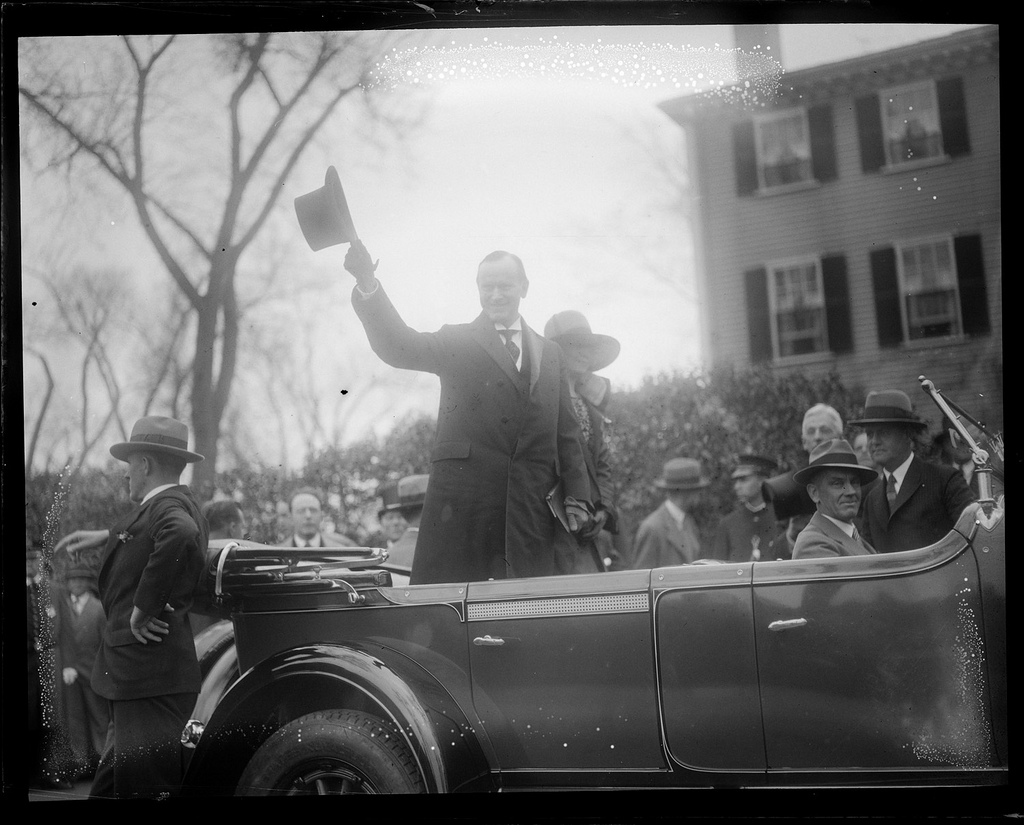
6192828053_50c0a1fa2a_b CC in Andover